
When literary critics ask “what genre is Diary of a Wimpy Kid,” they often debate between realistic fiction, humor, and the graphic novel. However, from a strategic marketing and corporate perspective, the answer is far more complex. Jeff Kinney’s creation is not merely a book series; it is a masterclass in Brand Identity and Intellectual Property (IP) Strategy.
In the modern media landscape, Diary of a Wimpy Kid functions as a “Hybrid Brand Genre”—a category that blends visual storytelling, relatable persona-driven marketing, and a multi-platform ecosystem. To understand its success, we must look past the stick figures and examine the brand architecture that has turned a simple webcomic into a multi-billion-dollar global franchise.

1. Defining the “Hybrid” Brand: A Genre Unto Itself
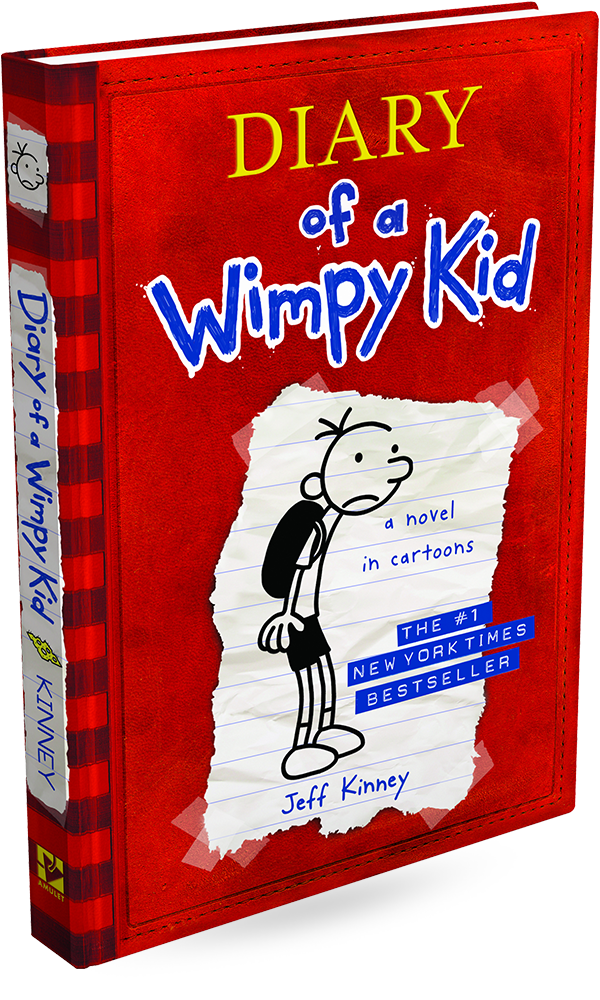
At its core, the Diary of a Wimpy Kid brand is defined by its refusal to be categorized by traditional publishing silos. By blending handwritten-style typography with simplistic line drawings, the brand created a visual language that is instantly recognizable across any medium.
The Visual Vocabulary of the Stick Figure
In brand strategy, simplicity is often the ultimate sophistication. Jeff Kinney’s choice of a minimalistic, “low-fi” aesthetic was a calculated move. Greg Heffley’s design—a few circles and lines—makes him a universal avatar. This visual simplicity allows the brand to bypass cultural and linguistic barriers. Unlike highly detailed comic book characters, Greg’s “unfinished” look invites the reader to project their own experiences onto him, strengthening the emotional bond between the brand and the consumer.
Bridging the Gap Between Graphic Novels and Prose
From a product positioning standpoint, Diary of a Wimpy Kid carved out a “blue ocean” in the middle-grade market. Before 2007, books were generally either text-heavy novels or fully illustrated comics. Kinney’s “hybrid genre” offered a middle ground that lowered the barrier to entry for “reluctant readers.” This strategic positioning allowed the brand to capture a demographic that the industry had previously struggled to engage, turning accessibility into a premium brand value.
2. Strategic Consistency as a Brand Pillar
One of the most impressive feats of the Diary of a Wimpy Kid franchise is its unwavering brand consistency. Whether you are looking at a book cover from 2007 or 2024, the brand promise remains identical. This reliability is the bedrock of its corporate identity.
The Power of Monochromatic Color Coding
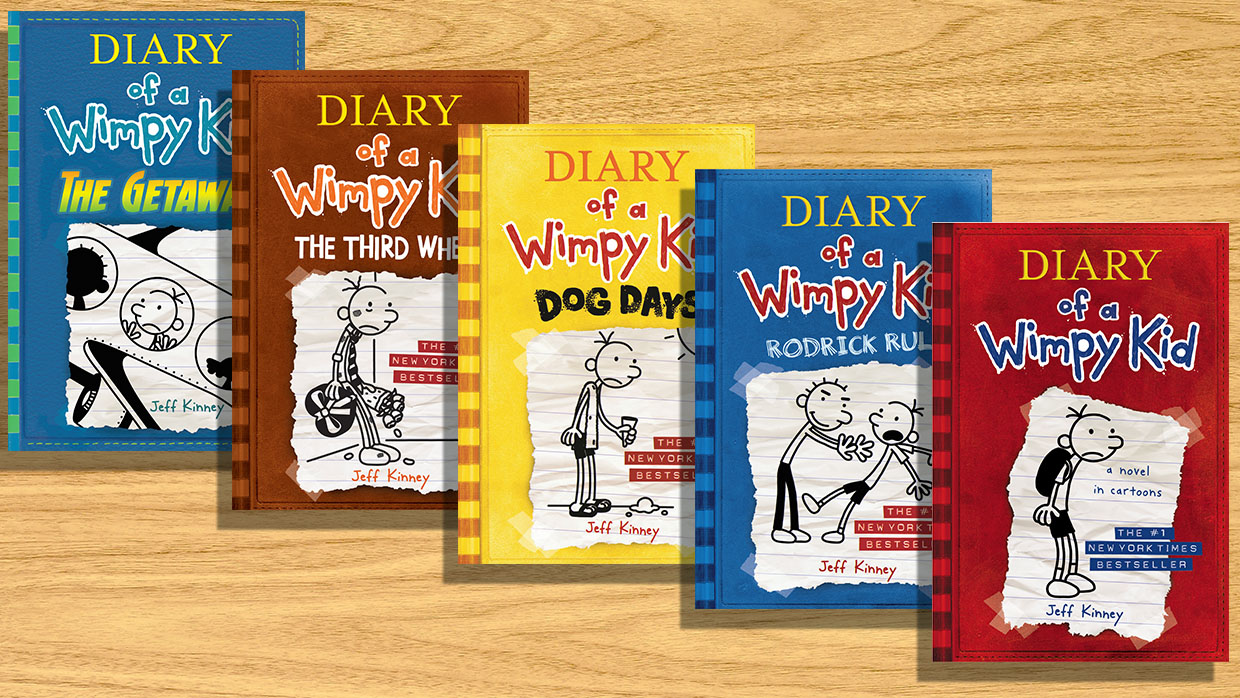
Each volume in the series is associated with a single, vibrant primary or secondary color. This is a classic brand strategy used by companies like Tiffany & Co. or UPS. When a child (or parent) walks into a bookstore and sees a solid “Cheese Touch” yellow or “Cabin Fever” blue, they don’t need to read the title to know what they are looking at. This “color-block” strategy makes the physical product a collectible object, encouraging “shelfies” and repeat purchases to complete the set.
Maintaining Voice Across Eighteen Volumes
Brand voice is the personality a company projects. In this case, the brand voice is the cynical, awkward, yet endearing inner monologue of Greg Heffley. Maintaining this specific tone for over a decade is a feat of brand management. By keeping the narrator perpetually in middle school, the brand avoids the “aging out” problem that plagues many YA franchises. The “genre” remains frozen in time, ensuring that each new generation of seven-to-twelve-year-olds finds the brand just as relevant as the previous one.
3. Diversification and Ecosystem Expansion
A successful brand genre is never confined to its original medium. Diary of a Wimpy Kid has successfully transitioned from a digital webcomic on Funbrain to a print powerhouse, a live-action film series, and most recently, a 3D animated franchise on Disney+.
From Print to Screen: The Transmedia Strategy
The transition from a 2D line drawing to a 3D animated character represents a significant brand evolution. The challenge was to maintain the “hand-drawn” soul of the IP while upgrading the tech for modern audiences. By utilizing stylized 3D rendering that mimics Kinney’s original sketches, the brand successfully navigated this transition without “breaking” the visual identity that fans expect. This transmedia approach ensures that the IP remains top-of-mind across different streaming and physical platforms.
Global Localization and Brand Adaptability
The Wimpy Kid brand has been translated into over 60 languages. Its success in international markets is due to the brand’s focus on “universal human truths”—the embarrassment of family, the struggle for social status, and the awkwardness of growing up. From a marketing perspective, the “genre” of the book is “Relatable Human Experience.” Because the brand doesn’t rely on hyper-specific cultural references, it is easily localized, allowing it to maintain a dominant market share in regions as diverse as Germany, China, and Brazil.
4. Market Positioning: Why “Relatability” is the Ultimate Value Proposition
In the world of brand strategy, the “value proposition” is why a customer chooses you over a competitor. Diary of a Wimpy Kid does not sell heroism or magic; it sells relatability. This is a deliberate shift away from the “chosen one” trope popularized by brands like Harry Potter or Percy Jackson.
Targeting the Reluctant Reader Demographic
The brand’s primary market segment is the “reluctant reader.” By designing the books to look like journals rather than textbooks, the brand de-escalates the “threat” of reading. The use of lined paper backgrounds and “handwritten” fonts (which are actually custom-designed digital typefaces) creates an informal atmosphere. This design choice is a brilliant example of “User Experience (UX) Design” applied to physical print. It makes the consumer feel they are part of a private conversation, rather than a passive observer.
The Psychological Hook of the “Wimpy” Archetype
Naming the brand “Wimpy Kid” was a bold move in an era of “Super” and “Mega” branding. By leaning into a perceived weakness, the brand established an underdog identity that resonated with children who felt the pressure to excel. This “anti-brand” positioning created a sense of authenticity. In a world of polished, perfect influencers, the “Wimpy” genre stands out as an honest alternative, building deep-seated brand loyalty that lasts into adulthood.
5. The Commercial Legacy of an Intellectual Property Titan
When we analyze the financial impact of the series, we see that Diary of a Wimpy Kid has transcended the publishing industry to become a template for IP management. It is a textbook case of how a singular vision can be scaled into a global business finance success story.
Intellectual Property Management and Longevity
Jeff Kinney’s role as the primary steward of the brand is essential. Unlike other franchises that are sold off to large conglomerates and diluted, Kinney maintains a high level of creative control. This ensures that the brand equity—the value derived from consumer perception—remains high. The “genre” of the book is essentially “The World of Jeff Kinney,” where the creator’s personal brand is inextricably linked to the commercial product.
The Business of “The Wimpy Kid” Ecosystem
Beyond book sales, the brand generates revenue through merchandising, theatrical plays, and digital integrations. However, the most genius part of the business model is the “Perpetual Newness” strategy. By releasing a new book every year like clockwork (usually in the fourth quarter to capitalize on holiday spending), the brand has created a predictable revenue stream. This “seasonal brand” approach ensures that Diary of a Wimpy Kid is more than just a book; it is a recurring cultural event, much like a tech company’s annual product launch.
Conclusion: The Brand is the Genre
So, what genre is Diary of a Wimpy Kid? While it may sit in the “Humorous Fiction” section of a library, in the world of business and marketing, it is a Legacy IP Brand. Its genre is defined by its visual consistency, its psychological resonance with a specific demographic, and its ability to adapt to new technologies without losing its core identity.
Through strategic visual design, disciplined brand management, and a deep understanding of its audience’s “UX,” Diary of a Wimpy Kid has built a moat that few other properties can cross. It serves as a reminder to brand strategists and entrepreneurs alike: you don’t need to fit into a pre-existing genre if you have the vision to create your own.
aViewFromTheCave is a participant in the Amazon Services LLC Associates Program, an affiliate advertising program designed to provide a means for sites to earn advertising fees by advertising and linking to Amazon.com. Amazon, the Amazon logo, AmazonSupply, and the AmazonSupply logo are trademarks of Amazon.com, Inc. or its affiliates. As an Amazon Associate we earn affiliate commissions from qualifying purchases.