
In the rapidly evolving landscape of global commerce, understanding demographic shifts is no longer just a task for sociologists; it is a fundamental pillar of brand strategy. Among the various age cohorts, Generation Z—those born roughly between 1997 and 2012—has emerged as the most disruptive force in the marketplace. As this generation enters its peak spending years, businesses are scrambling to decode not just the “what” and “where” of their consumption, but the “why” behind their brand loyalty.
To successfully navigate the “Generation Z years,” brands must move beyond surface-level demographics and dive into the psychographics of a digital-native population that prizes authenticity, social accountability, and fluid identity above all else. This article explores the strategic implications of the Gen Z timeline and how companies can align their corporate identity to resonate with this influential cohort.

Defining the Gen Z Cohort: Years, Context, and Core Values
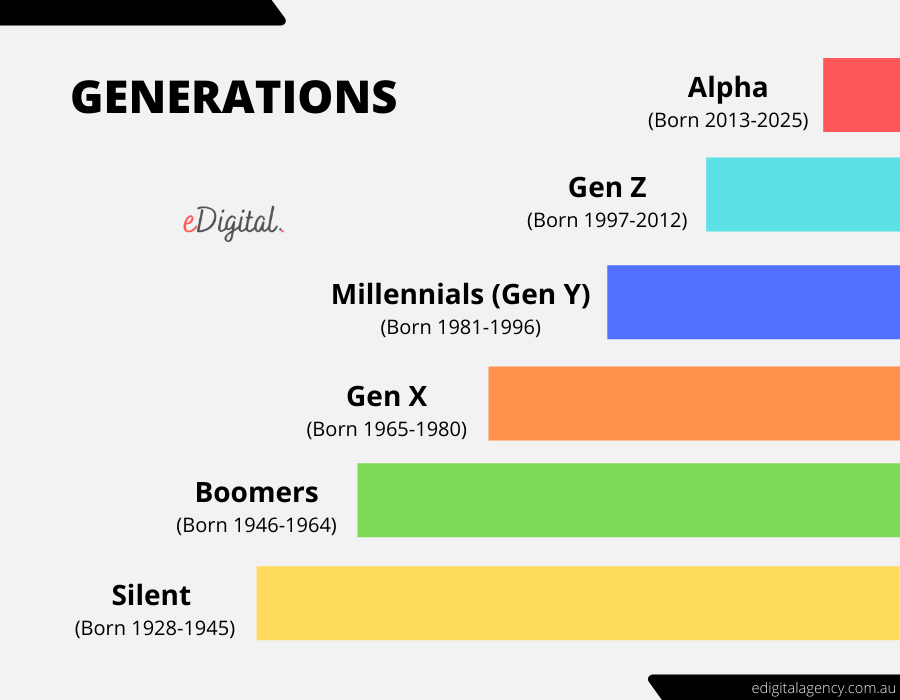
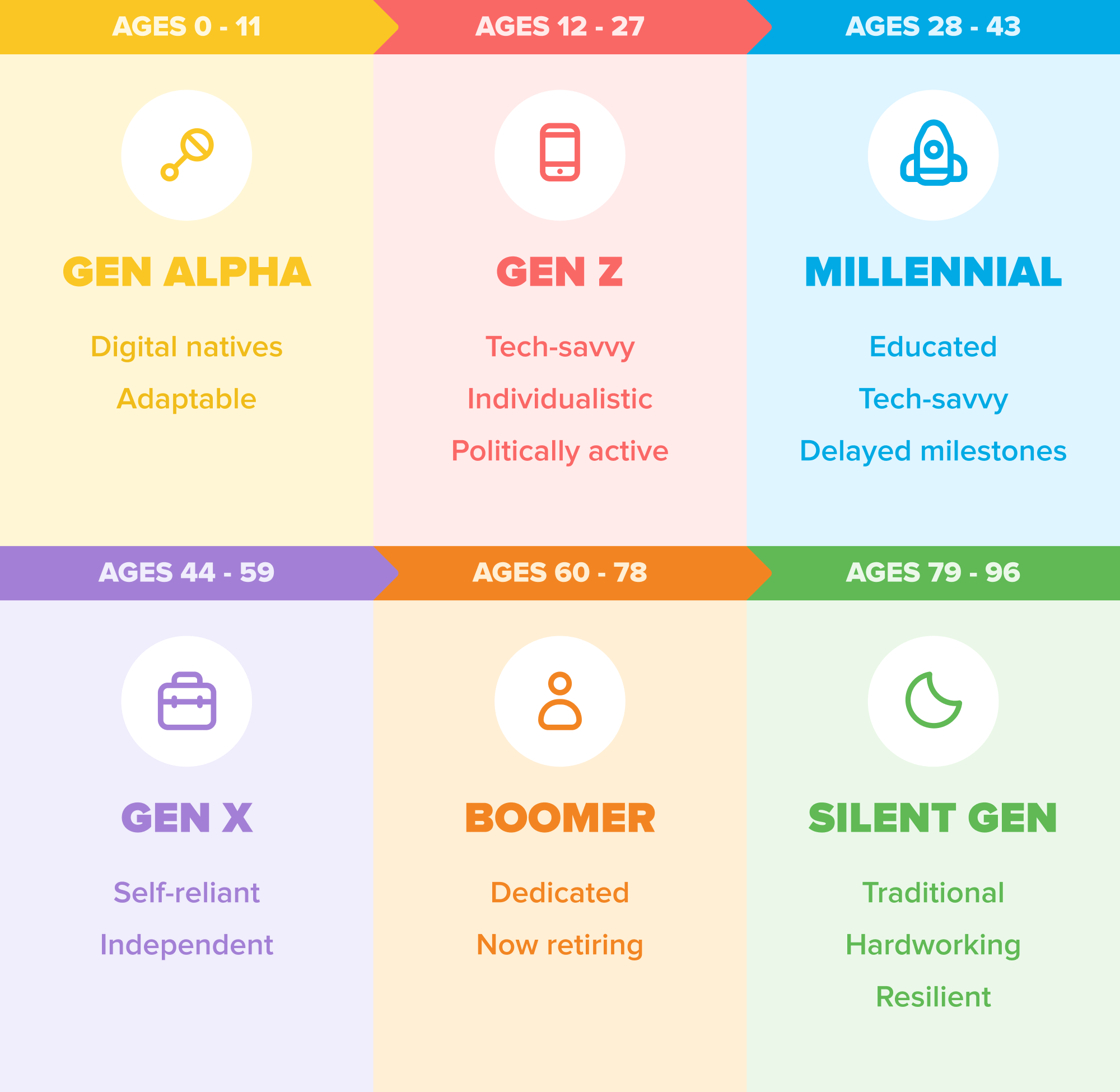
The consensus among major research institutions, including the Pew Research Center, defines Generation Z as those born between 1997 and 2012. This sixteen-year window is critical because it marks a period of unprecedented technological acceleration and global connectivity. Unlike Millennials, who remember a world before the smartphone, Gen Z members are “digital natives” who have never known a life without high-speed internet or social media.
The 1997–2012 Timeline: A Catalyst for New Perspectives
The birth years of Generation Z coincide with the rise of the “Attention Economy.” Those born in the early part of this range (the late 90s) came of age during the 2008 financial crisis, while the younger segment (the early 2010s) experienced their formative social years during a global pandemic. These historical bookends have created a generation that is pragmatically cynical yet idealistically driven. For a brand strategist, this means Gen Z is less susceptible to traditional “aspirational” marketing and more moved by “relatable” and “transparent” corporate behaviors.
The Cultural Backdrop of the “Zoomer” Era
Understanding the years 1997 to 2012 requires looking at the media landscape of the time. This was the era of the transition from broadcast to personalized feeds. Consequently, Gen Z views the world through a lens of curation and individual expression. They do not want to fit into a brand’s mold; they want the brand to provide the tools for their own self-expression. This shift has fundamentally changed the “Personal Branding” landscape, as Gen Z individuals view themselves as brands, expecting the corporations they support to act with the same level of intentionality.
Navigating the Digital-First Branding Landscape
Because Generation Z has spent their entire lives within the “digital years,” their relationship with advertising is radically different from previous generations. They have developed a sophisticated “internal ad-blocker,” capable of sniffing out inauthentic marketing within seconds of interaction. To capture this demographic, brand strategy must shift from a “broadcast” mindset to a “conversational” one.
Authenticity as the New Corporate Identity
For decades, corporate identity was synonymous with perfection—polished logos, scripted commercials, and untouchable celebrity endorsements. Gen Z has inverted this. They gravitate toward “unfiltered” content. This is why platforms like TikTok and BeReal have seen such explosive growth. Brands that succeed with Gen Z often embrace a “lo-fi” aesthetic, showing behind-the-scenes footage, acknowledging mistakes, and participating in internet culture without coming across as “cringe.” The goal is no longer to be a perfect entity, but a humanized one.
The Shift from Polish to Raw Content
In terms of design and visual identity, the “Millennial Pink” and minimalist “Blanding” of the 2010s are being replaced by what many call “Gen Z Yellow” or “Anti-Design.” This aesthetic movement favors bold colors, mismatched fonts, and a certain level of visual chaos that mirrors the fast-paced nature of digital life. Brand designers are moving away from rigid style guides in favor of modular systems that can adapt to different social platforms while maintaining a core “vibe” that Gen Z can recognize instantly.
Marketing Strategies for the Longevity of Gen Z Loyalty
Capturing Gen Z’s attention is one thing; maintaining their loyalty is another. Because they have grown up in an era of infinite choice, their brand loyalty is not given—it is earned through consistent value alignment. This requires a multi-faceted marketing strategy that integrates commerce with community.
Social Commerce and the Omnichannel Experience
For Gen Z, the path to purchase is rarely linear. It often begins on a social feed, moves to a review site, proceeds to a physical store (the “showrooming” effect), and concludes on a mobile app. Brands must ensure that their digital and physical identities are seamlessly integrated. “Social Commerce”—the ability to buy products directly within social apps—is the frontier of Gen Z marketing. If a brand makes the transition from “discovery” to “purchase” cumbersome, they will lose the customer during the years of their highest lifetime value.
Purpose-Driven Branding: More Than Just a Logo
Perhaps the most significant shift in branding during the Gen Z years is the demand for social and environmental responsibility. Gen Z practices “voting with their wallets.” They look for brands that take a stand on climate change, social justice, and ethical labor practices. However, brands must be cautious of “performative activism” or “greenwashing.” Gen Z’s ability to research a company’s supply chain or executive diversity is unparalleled. A brand’s strategy must be rooted in genuine action, as any gap between what a brand says and what it does will be amplified across social networks.
Case Studies in Gen Z Brand Evolution
To understand how these concepts apply in the real world, we can look at how both “disruptor” brands and “legacy” brands have navigated the Gen Z years. These examples highlight the importance of adaptability and consumer-centric design.
The Success of Disruptor Brands: The Rise of Fenty and Duolingo
Brands like Fenty Beauty (by Rihanna) and the language-learning app Duolingo have become masterclasses in Gen Z branding. Fenty disrupted the beauty industry not through traditional advertising, but through radical inclusivity in their product design (launching with 40 shades of foundation). This spoke directly to Gen Z’s value of diversity.
Meanwhile, Duolingo has mastered the “unhinged” brand persona on TikTok. By allowing their mascot, Duo the Owl, to participate in trending memes and self-deprecating humor, they have built a personal brand for a software product that feels like a friend rather than a corporate utility. This strategy has turned a functional tool into a cultural icon among the 1997–2012 cohort.
Legacy Brand Adaptation: The Nike and Barbie Reinvigoration
Legacy brands that have survived the transition into the Gen Z years have done so by being willing to cannibalize their old identities. Nike has consistently leaned into social issues, even at the risk of alienating older demographics, knowing that the future of their brand equity lies with the youth.
Similarly, the “Barbie” brand underwent a massive strategic shift over the last decade. By diversifying the doll line and eventually launching a self-aware, meta-commentary film, Mattel moved Barbie from a symbol of outdated beauty standards to a platform for empowerment and irony. This allowed the brand to remain relevant to a generation that values subverting traditional narratives.
Conclusion: Preparing for the Post-Gen Z Era
As we analyze the “Generation Z years,” it becomes clear that the strategies developed for this cohort are not temporary trends but permanent shifts in the way business is conducted. The demand for transparency, the fusion of content and commerce, and the requirement for brands to have a “soul” are here to stay.
For brand managers and marketers, the takeaway is simple: the years 1997 to 2012 produced a generation of “expert consumers.” They are the most informed, most skeptical, and most community-oriented demographic in history. To win their hearts—and their wallets—brands must stop talking at them and start building with them. Whether through innovative design, purpose-led corporate identity, or radical honesty in marketing, the brands that thrive in the coming decades will be those that treat Gen Z not just as a target market, but as a strategic partner in the evolution of the global brand landscape.
aViewFromTheCave is a participant in the Amazon Services LLC Associates Program, an affiliate advertising program designed to provide a means for sites to earn advertising fees by advertising and linking to Amazon.com. Amazon, the Amazon logo, AmazonSupply, and the AmazonSupply logo are trademarks of Amazon.com, Inc. or its affiliates. As an Amazon Associate we earn affiliate commissions from qualifying purchases.