
For brands and marketers, understanding the shifting sands of consumer demographics is not merely an academic exercise; it is the bedrock of future success. Generation Y, commonly known as Millennials (born roughly between 1981 and 1996), has dominated consumer discourse and purchasing power for the past two decades. Their influence reshaped industries, drove the digital revolution, and redefined concepts of brand loyalty and engagement. Yet, as the consumer landscape continues its relentless evolution, an equally formidable and distinct generation has emerged to claim the spotlight: Generation Z. For brands poised for future growth, the question is no longer “How do we reach Millennials?” but rather, “What generation is after Generation Y, and how do we meaningfully connect with them?” The answer lies in Gen Z, with Generation Alpha already on the horizon, presenting a new paradigm for brand strategy, communication, and authenticity.

Understanding the Shifting Sands of Consumer Demographics
The continuous cycle of generational shifts presents both challenges and unparalleled opportunities for brands. Each generation enters the market with a unique set of values, experiences, and expectations shaped by the prevailing technological, economic, and social climates of their formative years. Missing these nuances can render even the most well-established brands irrelevant.
The Enduring Influence of Generation Y
Generation Y, or Millennials, carved out a significant legacy in the branding world. As the first true digital natives (though they witnessed the internet’s early growth), they embraced e-commerce, social media, and experiential spending with gusto. They pushed brands towards transparency, demanded authentic storytelling, and valued experiences over material possessions. Brands that successfully tapped into their desire for purpose, community, and personalized interactions thrived. From eco-friendly products to direct-to-consumer models, Millennial preferences forced a profound re-evaluation of traditional marketing and sales strategies. They remain a massive consumer force, still entering peak earning and spending years, and their influence cannot be discounted. However, their younger counterparts are rapidly gaining economic power and shaping new cultural norms, signaling a necessary shift in brand focus.
Anticipating the Arrival of Generation Z
Directly following Generation Y, Generation Z (born approximately between 1997 and 2012) represents the next frontier for brand engagement. This cohort, often referred to as “Zoomers,” is already a formidable economic force, with significant purchasing power and even greater influence on household spending decisions. Unlike Millennials, who adapted to a digital world, Gen Z was born into it. Their understanding of technology is intuitive, their expectations for connectivity are absolute, and their relationship with brands is fundamentally different. For brands, understanding Gen Z is not about incremental adjustments to existing strategies but often requires a foundational rethinking of how to build relevance, foster trust, and drive engagement in an increasingly fragmented and discerning market. Ignoring them is not an option; preparing for them is imperative.
Decoding Generation Z: A New Paradigm for Brand Engagement
Generation Z is not just a younger version of Millennials; they are a distinct demographic with their own unique characteristics that demand a tailored approach from brands. Their upbringing in a hyper-connected, often turbulent world has shaped a generation that is pragmatic, resourceful, and deeply values-driven.
Digital Natives with Discerning Tastes
Gen Z are the true digital natives, having never known a world without ubiquitous internet access, smartphones, and social media. This profound digital immersion has created a generation incredibly adept at navigating online spaces but also highly critical of digital content. They possess an almost innate ability to filter information, identify inauthenticity, and bypass traditional advertising. For brands, this means that flashy, interruptive ads are largely ineffective. Instead, Gen Z gravitates towards brands that offer genuine value, seamless digital experiences, and content that entertains, informs, or inspires on platforms like TikTok, YouTube, and Instagram. Their attention is a precious commodity, earned through relevance and authenticity, not bought through sheer volume. They expect intuitive apps, personalized interfaces, and fluid transitions between online and offline brand touchpoints.
Values-Driven Consumption and Authenticity Demands
Perhaps one of the most defining characteristics of Generation Z is their unwavering commitment to social justice, environmental sustainability, and ethical business practices. They are global citizens, acutely aware of world issues, and they expect the brands they support to share their values. Performative activism or “greenwashing” is quickly exposed and condemned. Brands must demonstrate genuine purpose beyond profit, showcasing their commitment through tangible actions, transparent supply chains, and authentic corporate responsibility initiatives. This generation scrutinizes brand ethics from sourcing materials to labor practices. Brands that align with their values – whether it’s diversity and inclusion, climate action, or community empowerment – build deep loyalty. Those that don’t risk being “cancelled” and losing an entire generation of potential customers. Authenticity in brand messaging, influencer partnerships, and corporate culture is not a bonus; it’s a prerequisite.
The Power of Visuals and Short-Form Content
Raised on a diet of highly visual and dynamic content, Gen Z communicates and consumes information primarily through images and short-form video. Their attention spans for linear, long-form content are often shorter than previous generations, making platforms like TikTok their native tongue. Brands need to master the art of concise, engaging, and visually compelling storytelling. This means investing in high-quality visual content, exploring interactive formats, and leveraging user-generated content (UGC). Micro-influencers who share genuine connections with their audiences often hold more sway than traditional celebrities. Brands must become content creators themselves, participating authentically in the digital conversations where Gen Z congregates, rather than merely broadcasting messages to them. Experimentation with new platforms and content formats is not optional; it’s essential for staying relevant.

Preparing Your Brand for the Post-Millennial Era
The advent of Generation Z signals a strategic imperative for brands to rethink their foundational approaches to marketing, product development, and corporate identity. It’s about building a brand that resonates with a generation that values substance over superficiality and purpose over mere transaction.
Agile Marketing Strategies for a Dynamic Audience
Traditional, long-term marketing campaigns with fixed messaging are becoming increasingly outdated when targeting Gen Z. This generation operates in real-time, their interests and trends can shift rapidly, often driven by viral social media moments. Brands need to adopt agile marketing methodologies, allowing for quick adaptation, continuous experimentation, and data-driven optimization. This means shorter campaign cycles, rapid A/B testing, and a willingness to pivot based on real-time feedback. Personalization, achieved through sophisticated data analytics and AI-driven insights, is also crucial. Gen Z expects brands to understand their individual preferences and deliver tailored content and product recommendations, making them feel seen and valued.
Investing in Purpose and Social Responsibility
For brands aiming to capture the hearts and wallets of Gen Z, a strong, demonstrable commitment to social and environmental responsibility is no longer a differentiator but a fundamental expectation. This goes beyond mere philanthropy; it requires embedding purpose into the very DNA of the brand. Brands must clearly articulate their mission beyond profit, detailing how they contribute positively to the world. Transparency in ethical sourcing, sustainable production, fair labor practices, and diversity initiatives is paramount. Brands that genuinely integrate these values into their business model, communicate them authentically, and remain accountable for their actions will build lasting trust and loyalty with this discerning generation. It’s about becoming a brand that not only sells products but also champions causes that matter to its audience.
Crafting Immersive and Interactive Experiences
Gen Z doesn’t just want to consume content; they want to participate in it. Brands must move beyond passive advertising towards creating immersive and interactive experiences. This could involve gamification, where customers interact with a brand through games or challenges; augmented reality (AR) and virtual reality (VR) experiences that allow them to “try on” products or explore brand worlds; or co-creation initiatives where consumers contribute to product design or marketing campaigns. Building strong, engaged online communities where Gen Z members can connect with each other and the brand fosters a sense of belonging. Social commerce, where purchasing is seamlessly integrated into social media platforms, also holds immense potential, allowing for instant gratification and a streamlined shopping experience that Gen Z expects.
Beyond Gen Z: Glimpsing the Horizon with Generation Alpha
While Generation Z currently commands much of the branding spotlight, astute strategists are already beginning to look further ahead to the generation that follows: Generation Alpha. Born from approximately 2010/2012 onwards, Gen Alpha is still largely in their formative years, but their unique upbringing signals profound future implications for brands.
The Earliest Digital Integrators
Generation Alpha are the children of Millennials, meaning they are being raised by parents who are digital natives themselves. They have grown up in a world saturated with smart devices, voice-activated assistants, and streaming content from birth. They are the first generation to be entirely born in the 21st century, making them the earliest true digital integrators. Their exposure to technology is not just widespread but deeply embedded in their daily routines, shaping their cognitive development and expectations. Concepts like AI, virtual reality, and personalized digital experiences will be not just familiar but fundamental to their understanding of the world.
Future Brand Implications
For brands, Generation Alpha will likely demand even higher levels of personalization, seamless digital integration, and intuitive user interfaces. Their comfort with AI and virtual environments suggests that metaverse branding, immersive digital experiences, and perhaps even AI-powered personal shopping assistants will become commonplace. Privacy and data ethics will be even more critical, as this generation grows up in an era where their digital footprint starts at birth. Brands that can authentically engage with Alpha through playful, educational, and deeply personalized digital experiences, while respecting their privacy and contributing to a better world, will be poised for long-term success. Their future purchasing power will be immense, driven by an inherent understanding of and comfort with advanced technology.
Navigating the Multi-Generational Brand Landscape
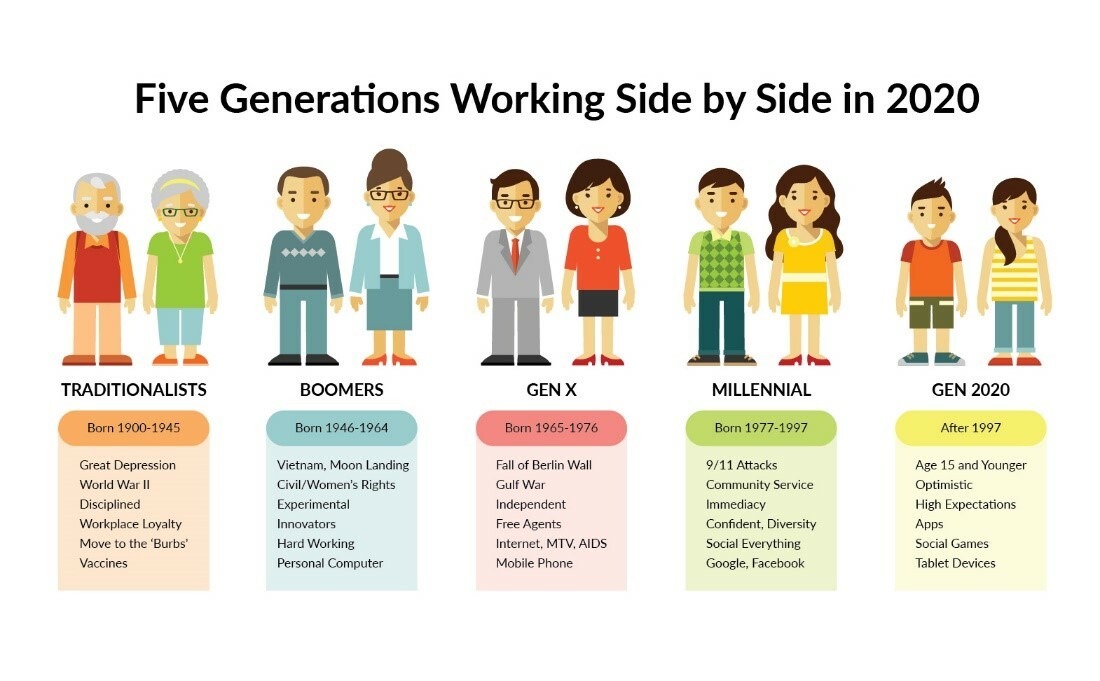
The journey of understanding “what generation is after Generation Y” reveals not a single, monolithic consumer group, but a complex, ever-evolving landscape. Brands cannot afford to operate with a one-size-fits-all strategy. Success in the coming decades will hinge on the ability to develop nuanced, multi-generational strategies that acknowledge the unique characteristics of Millennials, Gen Z, and the nascent Generation Alpha, while simultaneously recognizing the ongoing needs of older generations.
Authenticity, purpose, and agility are not just buzzwords; they are the fundamental pillars upon which future brand relevance will be built. Brands must commit to continuous learning, adaptation, and a genuine willingness to engage with consumers on their terms, in their preferred spaces, and with content that resonates with their distinct values. While each generation presents its own challenges, they also offer unparalleled opportunities for brands to forge deeper, more meaningful connections, fostering loyalty that transcends fleeting trends and builds lasting impact. The future of branding is not about targeting one generation, but about skillfully navigating the rich tapestry of human experience across all of them.
aViewFromTheCave is a participant in the Amazon Services LLC Associates Program, an affiliate advertising program designed to provide a means for sites to earn advertising fees by advertising and linking to Amazon.com. Amazon, the Amazon logo, AmazonSupply, and the AmazonSupply logo are trademarks of Amazon.com, Inc. or its affiliates. As an Amazon Associate we earn affiliate commissions from qualifying purchases.