
In the ever-evolving landscape of consumer behavior and market dynamics, understanding generational cohorts isn’t merely an academic exercise; it’s a strategic imperative for any brand aspiring to connect, resonate, and thrive. The year 2018 holds a specific significance in this context, marking a point within a nascent, yet profoundly influential, demographic group. For brands looking to future-proof their strategies, the question “what generation is 2018?” is an entry point into a deeper understanding of tomorrow’s consumer. The answer is unequivocal: a child born in 2018 falls squarely into Generation Alpha.
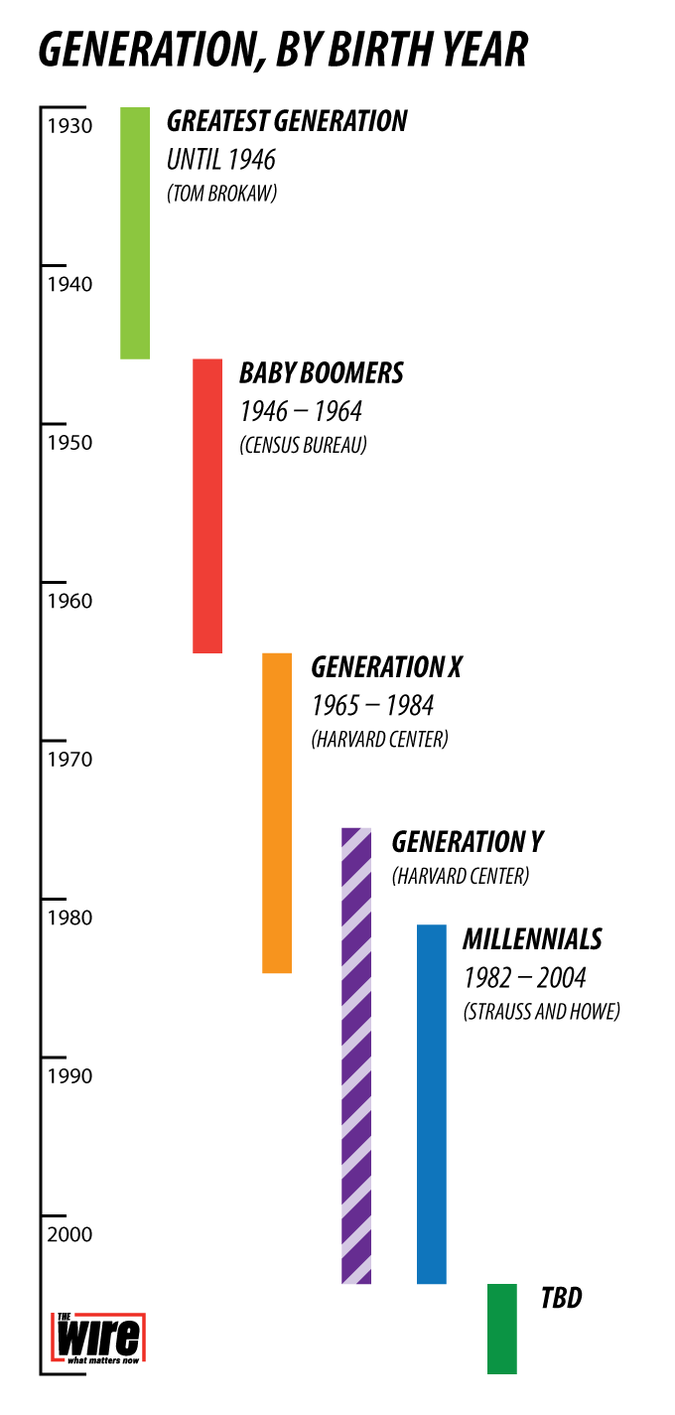
Generation Alpha represents a new frontier for branding and marketing. Born entirely within the 21st century, predominantly to Millennial parents, this cohort is set to become the most digitally fluent, globally connected, and diverse generation to date. For brands, grasping the characteristics, values, and digital native tendencies of Generation Alpha is not just about targeting future consumers; it’s about understanding the seismic shifts already underway in how brands are perceived, consumed, and expected to behave. This exploration will delve into why generational definitions are crucial for brand strategy, illuminate the core traits of Generation Alpha, and outline actionable insights for brands aiming to engage this groundbreaking demographic effectively.
The Shifting Sands of Generational Definitions: Why They Matter for Brands
Generational labels might seem like convenient sociological shorthand, but for brands, they represent powerful frameworks for understanding vast swathes of consumer behavior. Each generation is shaped by unique historical events, technological advancements, and cultural norms that profoundly influence their values, purchasing habits, media consumption, and expectations of brands. Ignoring these distinctions is akin to marketing blindfolded.
Beyond Simple Birth Years: The Sociocultural Markers
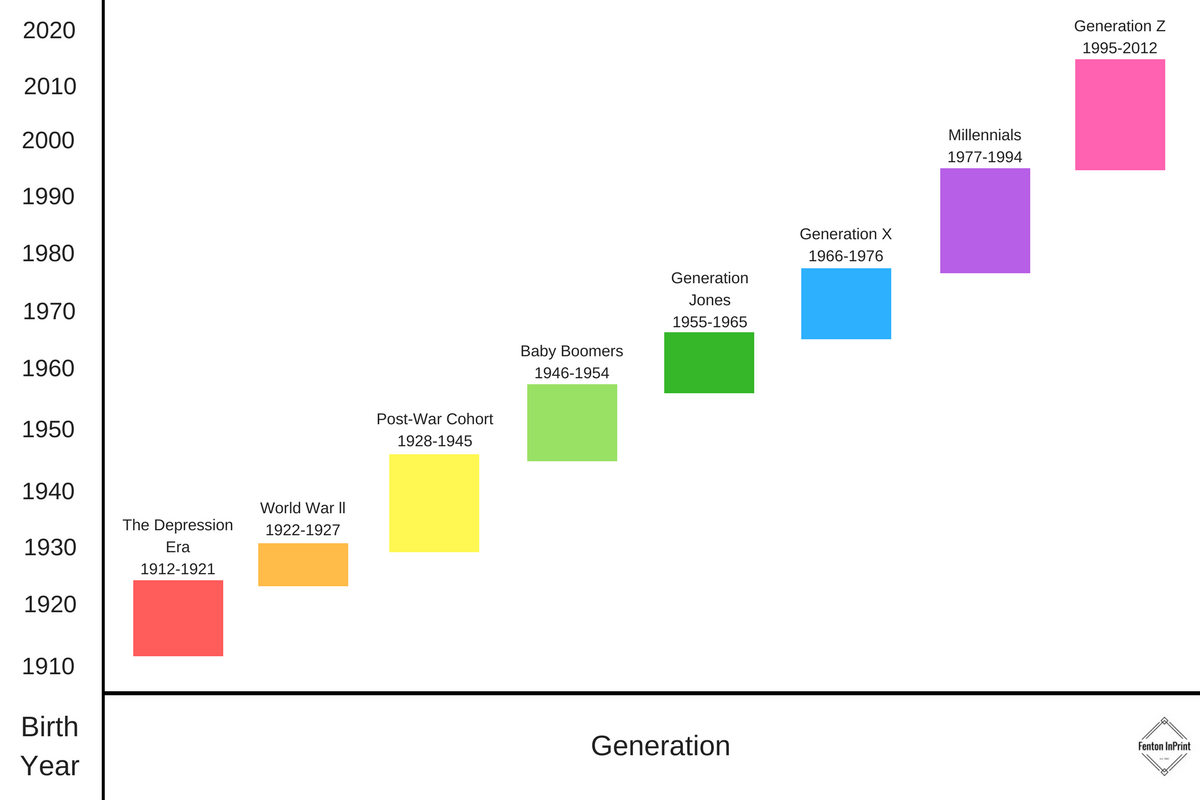
While birth years provide a convenient boundary (Generation Alpha typically spans from 2010 to 2024/2025), a generation’s true definition extends far beyond mere chronology. It’s the shared sociocultural markers that imbue these groups with distinct identities. For Millennials, it was the rise of the internet and the Great Recession; for Gen Z, it was the ubiquitous smartphone and social media. For Generation Alpha, their defining markers are constant connectivity, AI integration, climate change awareness, and growing up in a post-pandemic world.
For brands, recognizing these markers is paramount. They dictate:
-
Communication Channels: Where to find and engage them (e.g., TikTok for Gen Z, interactive digital platforms for Gen Alpha).
-
Messaging Tone and Content: What resonates with their values and experiences (e.g., authenticity for Gen Z, immersive experiences for Gen Alpha).
-
Product Development: What features and innovations meet their evolving needs and desires.
-
Brand Values: Which social and environmental causes they expect brands to champion.
These distinctions are vital for targeted marketing, allowing brands to craft campaigns that speak directly to the lived realities and aspirations of their desired audience, fostering deeper connection and loyalty.
The Perils of Generational Stereotyping vs. Insightful Segmentation
While generational insights are invaluable, brands must navigate a fine line between leveraging broad understanding and falling into the trap of rigid stereotyping. Overly simplistic labels can lead to mischaracterizations, alienating potential customers who don’t fit a narrow mold. Not every Millennial is a “avocado toast enthusiast,” and not every Gen Z lives on TikTok.
Insightful segmentation, however, uses generational data as a starting point for deeper analysis. It recognizes that within each generation, there are diverse subgroups influenced by geography, socioeconomic status, and individual preferences. Brands should use generational insights to:
-
Identify broad trends and patterns: Understand overarching technological adoption, social values, and economic outlooks.
-
Inform hypothesis generation: Develop educated guesses about what might appeal to specific age groups.
-
Refine targeting: Combine generational data with psychographic, behavioral, and demographic information for highly nuanced campaigns.
-
Avoid outdated approaches: Recognize that what worked for older generations may be completely ineffective for newer ones.
Ultimately, the goal is to inform brand strategy with data-driven insights, not to pigeonhole individuals. Understanding Generation Alpha is about preparing for a future where traditional marketing paradigms will likely be obsolete.
Generation Alpha: Born into a Digital-First World
Generation Alpha, encompassing those born from around 2010 to 2024/2025, is a cohort unlike any before. The year 2018 places these children at the very heart of this groundbreaking demographic. They are the first generation to be entirely immersed in an environment defined by pervasive digital technology from birth, shaping their cognitive development, social interactions, and expectations of the world, and by extension, their expectations of brands.
The Digital Natives’ Digital Natives: Screenagers from Birth
Millennials were digital immigrants, adapting to the internet; Gen Z were digital natives, growing up with it. Generation Alpha are the “screenagers from birth,” for whom the internet, smartphones, tablets, smart speakers, and AI assistants are as fundamental as air and water. They interact with technology intuitively, often learning to swipe and tap before they can tie their shoes. This profound early exposure has significant implications for how brands must engage them.
For brands, this means:
-
Digital-first is non-negotiable: Any brand strategy must be built with a digital foundation, prioritizing mobile-first design, seamless online experiences, and interactive content.
-
Visual literacy is paramount: Alphas process information visually and through short, engaging video content. Static text-heavy ads will struggle to capture their attention.
-
Voice and AI interfaces: As they grow up with voice assistants like Alexa and Siri, brands need to consider how their products and services can be accessed and controlled through voice commands and AI-driven recommendations.
-
Omnichannel integration: Their digital and physical worlds are seamlessly blended. Brands need to offer consistent, integrated experiences across all touchpoints, whether in-store, online, or in virtual spaces.
Their inherent comfort with digital interaction means brands must move beyond simple digital presence to truly immersive and intuitive digital experiences.
Influenced by Influencers (and Their Parents, Millennials)
While Alphas are still young, their influence on household purchasing decisions is already palpable. They exert “pester power” (often through digital means), and their parents, predominantly Millennials, are highly attuned to their children’s preferences. Millennials, themselves a digitally savvy and value-driven generation, are often early adopters and conscious consumers, heavily influencing the brands Alphas are exposed to and value.
This dual influence implies:
-
Family-focused marketing: Brands for children (toys, entertainment, education) must also appeal to Millennial parents’ values, such as sustainability, educational value, and safety.
-
The power of co-creation: Engaging Alphas in the creative process, or featuring them authentically in content, can resonate with both children and their parents.
-
User-generated content (UGC): Millennial parents are prolific content creators, sharing their children’s experiences online. Brands can leverage this by encouraging sharing and featuring UGC, creating a sense of community and authenticity.
-
Early brand loyalty: Brands that successfully connect with Alphas in their formative years, through their parents, have an opportunity to build long-term loyalty that extends into their adult purchasing power.
Understanding the symbiotic relationship between Alpha children and their Millennial parents is key to unlocking early market entry and cultivating future brand advocates.
Global Citizens with Hyper-Personalized Expectations
Generation Alpha is growing up in an interconnected world, exposed to diverse cultures, ideas, and content from a very young age. This global perspective fosters a sense of unity and open-mindedness, but also cultivates an expectation for highly personalized experiences. Having grown up with algorithms recommending content, products, and services tailored to their individual tastes, “one-size-fits-all” will feel archaic to them.
For brands, this translates to:
-
Personalized content at scale: Brands must invest in data analytics and AI to deliver hyper-personalized marketing messages, product recommendations, and customer service experiences.
-
Cultural sensitivity and inclusivity: Global awareness means Alphas expect brands to be inclusive, represent diverse perspectives, and avoid cultural missteps.
-
On-demand and customizable products/services: The expectation of tailored experiences will extend to product offerings, with a demand for customization options and services that adapt to individual needs.
-
Micro-influencers and niche communities: Rather than mass appeals, brands may find more success connecting with highly specific interest groups and leveraging micro-influencers who share those niche passions.
The brand of the future will be one that can speak to a global audience while making each individual feel uniquely seen and valued.
Crafting Brand Strategies for the Alpha Age
Engaging Generation Alpha requires a radical re-evaluation of traditional marketing playbooks. Brands must shift from interruption-based advertising to creating value-driven, immersive, and authentic experiences that align with Alpha’s digital-native worldview and developing values.
Immersive Experiences and Gamification: Beyond Static Ads
Alphas are digital natives who have grown up playing interactive games and exploring virtual worlds. Their attention is drawn to dynamic, engaging content. Static advertisements will be easily ignored or dismissed. Brands must transition towards creating immersive experiences.
This means:
-
Gamified marketing: Integrating game-like elements into brand interactions, such as challenges, rewards, leaderboards, and interactive narratives, can significantly boost engagement.
-
Augmented Reality (AR) and Virtual Reality (VR): Leveraging AR for virtual try-ons, interactive product demonstrations, or engaging educational content, and exploring VR for fully immersive brand experiences (e.g., virtual stores, concerts, or product tours).
-
Experiential marketing: Creating memorable, shareable experiences that transcend traditional advertising, whether physical pop-ups or virtual events that allow for direct interaction with the brand.
-
Interactive content: Quizzes, polls, choose-your-own-adventure stories, and live streams that allow for real-time interaction will capture their attention more effectively.
Brands that provide playgrounds for interaction, rather than just platforms for broadcasting, will be better positioned to connect with this generation.
Authenticity, Sustainability, and Social Impact: Non-Negotiables
Millennials and Gen Z have already set a high bar for brand ethics, but Generation Alpha, inheriting a world grappling with significant social and environmental challenges, will likely amplify these expectations. They will scrutinize brands for their genuine commitment to sustainability, ethical practices, and social responsibility. For Alphas and their conscientious Millennial parents, these aren’t just selling points; they are non-negotiable requirements for brand legitimacy.
Brands must demonstrate:
-
Genuine commitment to sustainability: From sourcing and production to packaging and waste, every aspect of a brand’s operation will be under scrutiny. Greenwashing will be easily detected and severely punished.
-
Ethical supply chains: Transparency regarding labor practices, fair wages, and human rights will be expected.
-
Social purpose beyond profit: Brands need to articulate and act on a clear social mission, contributing positively to communities and global issues. This must be integrated into the brand’s DNA, not just a marketing add-on.
-
Transparency and accountability: Alphas will expect brands to be open about their successes and failures, admitting mistakes and demonstrating efforts to improve.
A brand’s moral compass will be as important as its product offerings in winning the loyalty of Generation Alpha.
The Power of AI and Personalization: Anticipating Needs
Having grown up alongside the rapid advancements of artificial intelligence, Generation Alpha will expect brands to anticipate their needs and deliver highly personalized experiences with minimal effort. They won’t just want personalization; they’ll expect predictive personalization that understands their evolving preferences.
This requires brands to:
-
Invest in robust data analytics: Collect and analyze data ethically to gain deep insights into individual Alpha preferences and behaviors.
-
Leverage AI for content delivery: Use AI algorithms to recommend relevant products, content, and services in real-time, across various platforms.
-
Develop AI-powered customer service: Implement chatbots and virtual assistants that can provide instant, personalized support, resolving queries efficiently.
-
Create dynamic content: Use AI to generate or adapt content that is uniquely tailored to each individual’s profile, ensuring maximum relevance and engagement.
Brands that can master AI-driven personalization will create an impression of being deeply understanding and responsive, fostering a strong sense of connection and loyalty.
Future-Proofing Your Brand for Generation Alpha and Beyond
The arrival of Generation Alpha signals a paradigm shift in brand engagement. Brands that wish to remain relevant and successful in the coming decades must embrace agility, transparency, and a long-term vision rooted in authentic connection.
Agility and Adaptability: The Only Constants
The digital world in which Generation Alpha is growing up is characterized by relentless change. What’s popular today might be obsolete tomorrow. For brands, this means that rigid, long-term marketing plans are less effective than agile, adaptable strategies.
Brands must:
-
Embrace experimentation: Be willing to test new platforms, content formats, and engagement strategies constantly.
-
Foster a culture of learning: Encourage teams to stay abreast of emerging technologies and consumer trends, and integrate these insights quickly.
-
Be quick to pivot: If a strategy isn’t resonating, brands must be prepared to adjust course rapidly without significant sunk costs.
-
Invest in flexible technologies: Choose marketing technology stacks that can easily integrate new tools and adapt to evolving digital ecosystems.
The brands that thrive will be those that are most responsive to change, viewing it as an opportunity rather than a threat.
Building Digital Trust and Data Privacy
Generation Alpha will grow up keenly aware of their digital footprint and the value of their personal data. Having witnessed privacy breaches and data misuse, they (and their Millennial parents) will demand greater transparency and control over their information. Digital trust will become a paramount brand differentiator.
Brands must commit to:
-
Transparent data practices: Clearly communicate what data is collected, how it’s used, and who it’s shared with, in plain language.
-
Robust data security: Invest heavily in protecting customer data from breaches and misuse.
-
Empowering user control: Give users easy-to-understand options to manage their data preferences and consent.
-
Ethical AI usage: Ensure AI systems are fair, unbiased, and used responsibly, without exploiting or manipulating users.
A brand’s reputation for protecting privacy will be as crucial as the quality of its products in building long-term relationships with Alphas.

Investing in Long-Term Relationships: From Childhood to Adulthood
While Alphas are currently young consumers, their collective purchasing power will eventually surpass that of previous generations. Brands have a unique opportunity to cultivate loyalty early, fostering relationships that can mature and deepen over decades.
This involves:
-
Age-appropriate engagement: Develop content and products that grow with Alphas, from their early childhood to their teenage years and into adulthood.
-
Consistent brand values: Maintain a consistent brand identity and set of values that resonate across different life stages.
-
Community building: Create spaces (both digital and physical) where Alphas can connect with the brand and with each other, fostering a sense of belonging.
-
Educational and empowering content: Provide content that not only entertains but also informs, inspires, and empowers them as they navigate a complex world.
By thinking of Alphas not just as current consumers but as lifelong brand partners, businesses can lay the groundwork for enduring success.
Conclusion
The question “what generation is 2018?” might seem simple, but its answer—Generation Alpha—unlocks a world of strategic insights for brands. This cohort, born entirely into the 21st century and shaped by ubiquitous digital technology, global connectivity, and an acute awareness of social and environmental issues, demands a fundamentally new approach to brand engagement. Brands must embrace immersive, personalized, and authentic experiences, grounded in strong ethical principles and an agile mindset. The future of branding is not just about adapting to new technologies; it’s about understanding and resonating with a generation that views the world through an entirely new lens, setting new standards for how brands connect, build trust, and ultimately, thrive. For brands, preparing for Generation Alpha isn’t just foresight; it’s a prerequisite for relevance in the decades to come.
aViewFromTheCave is a participant in the Amazon Services LLC Associates Program, an affiliate advertising program designed to provide a means for sites to earn advertising fees by advertising and linking to Amazon.com. Amazon, the Amazon logo, AmazonSupply, and the AmazonSupply logo are trademarks of Amazon.com, Inc. or its affiliates. As an Amazon Associate we earn affiliate commissions from qualifying purchases.