
For years, the iPad Air has occupied the “sweet spot” in Apple’s tablet lineup, offering a sophisticated balance between the entry-level iPad and the high-performance iPad Pro. As of 2024, the landscape of Apple’s tablets has shifted significantly, leaving many consumers asking: “What generation iPad Air is out?”
The answer is the iPad Air 6th Generation, often referred to as the iPad Air (M2). Released in May 2024, this iteration represents a pivotal moment for the product line, as Apple has, for the first time, introduced multiple size configurations for the Air model, effectively mirroring the strategy used for the iPad Pro.
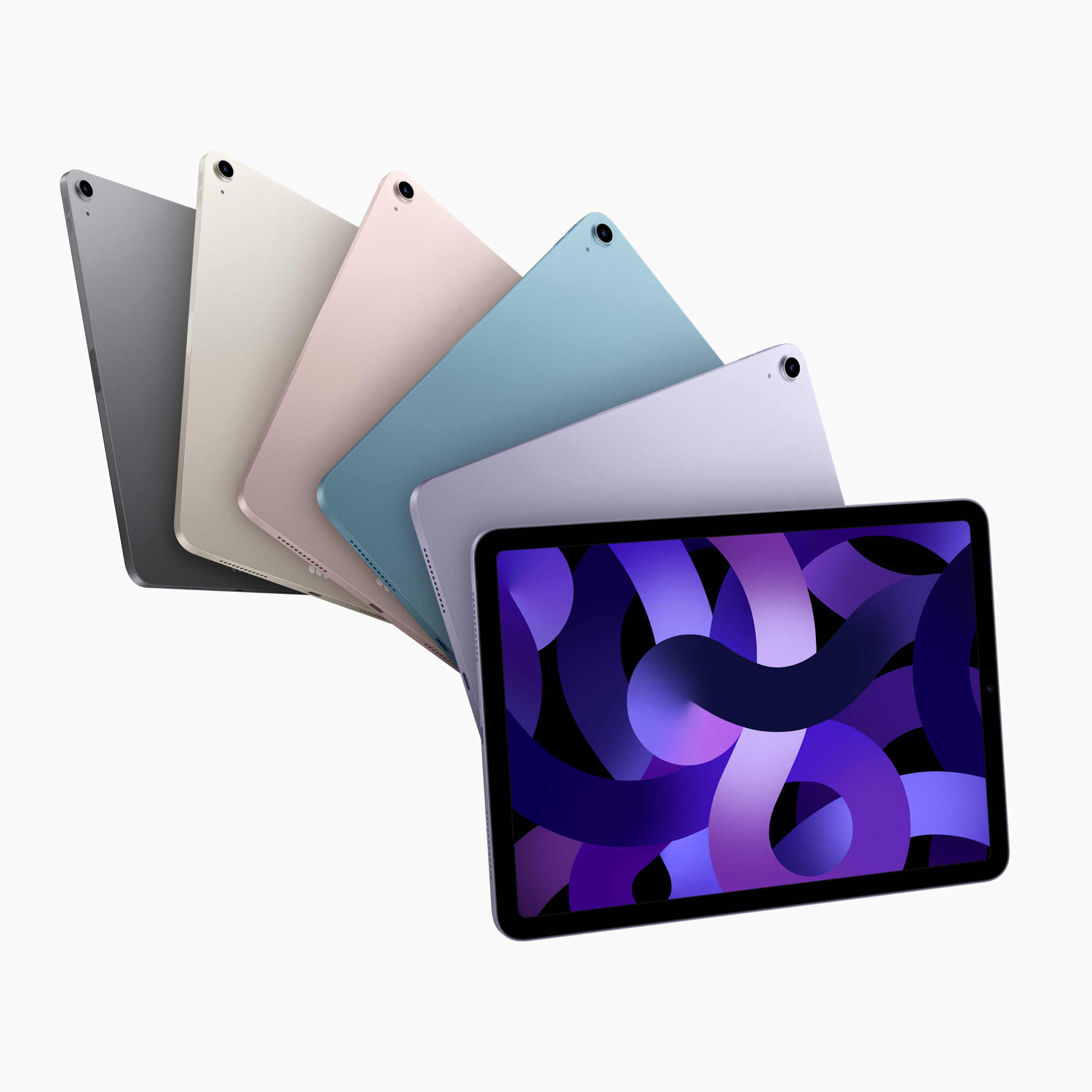
The Current Landscape: Understanding the iPad Air 6th Generation (M2)
The 6th Generation iPad Air is not just a spec bump; it is a structural evolution of the product line. By integrating the M2 chip and expanding the physical dimensions available to users, Apple has positioned the Air as a legitimate professional tool for those who do not require the ultra-premium (and ultra-expensive) features of the M4 iPad Pro.
Breaking the Mold: Two Sizes for the First Time
The most notable change in the current generation is the introduction of a dual-size strategy. Previously, the iPad Air was limited to a single 10.9-inch form factor. The 6th Generation now offers:
- The 11-inch Model: Maintaining the portable, lightweight feel that defined the “Air” brand.
- The 13-inch Model: Providing a massive canvas previously reserved only for the top-tier iPad Pro, making it an ideal choice for digital artists, students who multitask with Split View, and professionals who need more screen real estate.
The Leap to M2 Silicon
At the heart of the current iPad Air lies the M2 chip. While the previous 5th Gen model utilized the M1, the jump to the M2 provides a nearly 50% increase in overall performance compared to its predecessor. This chip features an 8-core CPU and a 10-core GPU, along with a faster 16-core Neural Engine. For tech enthusiasts, this means better handling of heavy workflows like 4K video editing, complex 3D rendering in apps like Shapr3D, and seamless gaming with high-frame-rate graphics.
Key Hardware Enhancements and Tech Specifications
The 6th Generation iPad Air inherits several “Pro” features while maintaining a price point that appeals to a broader audience. Understanding these technical nuances is essential for anyone looking to upgrade or enter the Apple ecosystem.
Landscape Camera Orientation: A Productivity Win
One of the most requested technical changes in the iPad lineup was the relocation of the front-facing camera. In all previous iPad Air models, the camera was located on the short “top” edge, which led to an awkward, off-center gaze during video calls when the tablet was attached to a keyboard in landscape mode. The current generation finally moves the 12MP Ultra Wide camera to the long “landscape” edge. This ensures that during Zoom, FaceTime, or Microsoft Teams meetings, the user is looking directly at the camera, providing a much more natural professional experience.
Display Technology: Liquid Retina and Color Accuracy
While the iPad Pro has moved to Tandem OLED technology, the 6th Generation iPad Air utilizes a refined Liquid Retina display. It features P3 wide color gamut support, True Tone, and an anti-reflective coating. The 13-inch model offers a peak brightness of 600 nits, while the 11-inch model reaches 500 nits. While it lacks the ProMotion (120Hz) refresh rate found in the Pro models, the color accuracy remains industry-leading for tablets in this price bracket, making it a favorite for photographers using Lightroom Mobile.
Storage Tiers and Connectivity
Apple has finally addressed a long-standing complaint regarding storage. The current iPad Air now starts at 128GB of storage, doubling the previous generation’s meager 64GB entry point. Users can also configure the device with 256GB, 512GB, or even 1TB of storage. On the connectivity front, the device supports Wi-Fi 6E, offering speeds up to twice as fast as the previous generation, and 5G support for cellular models, ensuring that the device remains a high-speed hub for mobile work.

Ecosystem Synergy: Apple Pencil Pro and Magic Keyboard
A tablet is only as powerful as the tools that interface with it. The 6th Generation iPad Air has been engineered to support the latest advancements in Apple’s peripheral ecosystem, specifically designed to enhance the creative and technical workflows of its users.
Apple Pencil Pro: Squeeze, Barrel Roll, and Haptic Feedback
The current iPad Air is compatible with the newly released Apple Pencil Pro. This is a significant tech upgrade over the 2nd Gen Pencil. The “Pro” stylus includes a sensor in the barrel that can detect a squeeze, allowing users to switch tools or line weights without touching the screen. It also features a gyroscope that allows for “barrel roll” functionality—rotating the pen changes the orientation of shaped brush tips, much like a real calligraphy pen. Furthermore, the inclusion of Find My support in the Pencil Pro ensures that this high-tech accessory is harder to lose.
Accessory Compatibility: What Works and What Doesn’t
For those upgrading from older models, it is important to note the technical compatibility. The 11-inch M2 iPad Air remains compatible with the previous Magic Keyboard designed for the 11-inch Pro/Air. However, the 13-inch model requires its own specific Magic Keyboard size. This generation also supports the Apple Pencil (USB-C) for those who need a more budget-friendly pointing device without the advanced pressure sensitivity of the Pro model.
Performance Benchmarks and Software Integration
In the tech world, hardware is nothing without software optimization. The 6th Generation iPad Air is positioned to be a primary vehicle for Apple’s next decade of software innovation, particularly in the realm of Artificial Intelligence.
M1 vs. M2: Is the Upgrade Worth It?
Technically speaking, the M2 chip offers a 15% faster CPU and a 25% faster GPU than the M1. More importantly, the M2 features a higher memory bandwidth (100GB/s). For day-to-day tasks like web browsing and streaming, the difference might be negligible. However, for “power users”—those running Stage Manager with multiple external displays or performing batch photo processing—the M2 provides a thermal efficiency and “headroom” that the M1 lacks, ensuring the device won’t throttle under heavy loads.
iPadOS and the Future of Apple Intelligence (AI)
Perhaps the most significant reason the current generation is important is the rollout of “Apple Intelligence.” The 6th Gen iPad Air, thanks to the 8GB of RAM and the Neural Engine in the M2 chip, is fully compatible with Apple’s new suite of AI tools. This includes system-wide writing tools for proofreading and summarization, Image Wand for generating visuals from sketches, and a significantly more intelligent Siri. Older iPads with A-series chips (like the 4th Gen Air and older) will not support these advanced AI features, making the M2 Air the “floor” for the modern iPad experience.
The Buying Guide: Is the iPad Air the Right Choice for You?
Choosing between the current iPad Air and the rest of the lineup requires a look at specific use cases. The “Air” brand has moved closer to the “Pro” brand than ever before, making the decision more nuanced.
iPad Air vs. iPad Pro: Bridging the Gap
The current iPad Pro (M4) is undoubtedly more powerful, featuring an OLED display and a thinner chassis. However, for 90% of users, the iPad Air 6th Gen provides 100% of the utility. Unless you are a professional colorist who requires the absolute black levels of an OLED screen, or a high-end video editor who needs the Thunderbolt 4 speeds (the Air uses a standard USB-C 3.1 Gen 2 port), the Air is the more logical technical investment. It offers the same massive 13-inch screen option as the Pro but at a significantly lower entry price.

Longevity and Software Support Lifecycle
From a technical sustainability perspective, the M2 iPad Air is a “safe” purchase. Apple typically supports its M-series tablets with software updates for 6 to 8 years. By purchasing the current generation, you are securing a device that will likely receive iPadOS updates well into the 2030s. The transition to M-series silicon was a “hard reset” for the iPad’s capabilities; by staying on the M2 architecture, you ensure compatibility with future software paradigms that will increasingly rely on the on-device NPU (Neural Processing Unit).
In conclusion, the 6th Generation iPad Air (M2) is the current model on the market. With its choice of two sizes, the move to a landscape camera, and full compatibility with the Apple Pencil Pro and Apple Intelligence, it stands as one of the most versatile and future-proof tablets Apple has ever produced. Whether you are a student, a creative professional, or a tech enthusiast, the M2 Air represents the current pinnacle of balanced mobile computing.
aViewFromTheCave is a participant in the Amazon Services LLC Associates Program, an affiliate advertising program designed to provide a means for sites to earn advertising fees by advertising and linking to Amazon.com. Amazon, the Amazon logo, AmazonSupply, and the AmazonSupply logo are trademarks of Amazon.com, Inc. or its affiliates. As an Amazon Associate we earn affiliate commissions from qualifying purchases.