
The question “What generation are we in now?” is far more than a simple demographic inquiry. In an era defined by rapid technological evolution, shifting economic landscapes, and the constant reinvention of how we connect and present ourselves, understanding generational identity has become crucial. It’s not just about assigning labels; it’s about recognizing the unique forces that shape our perspectives, influence our choices, and ultimately, define the opportunities and challenges we face today. This article delves into the current generational panorama, exploring how the intertwined forces of technology, branding, and money are not only defining us but also creating new avenues for growth and impact.
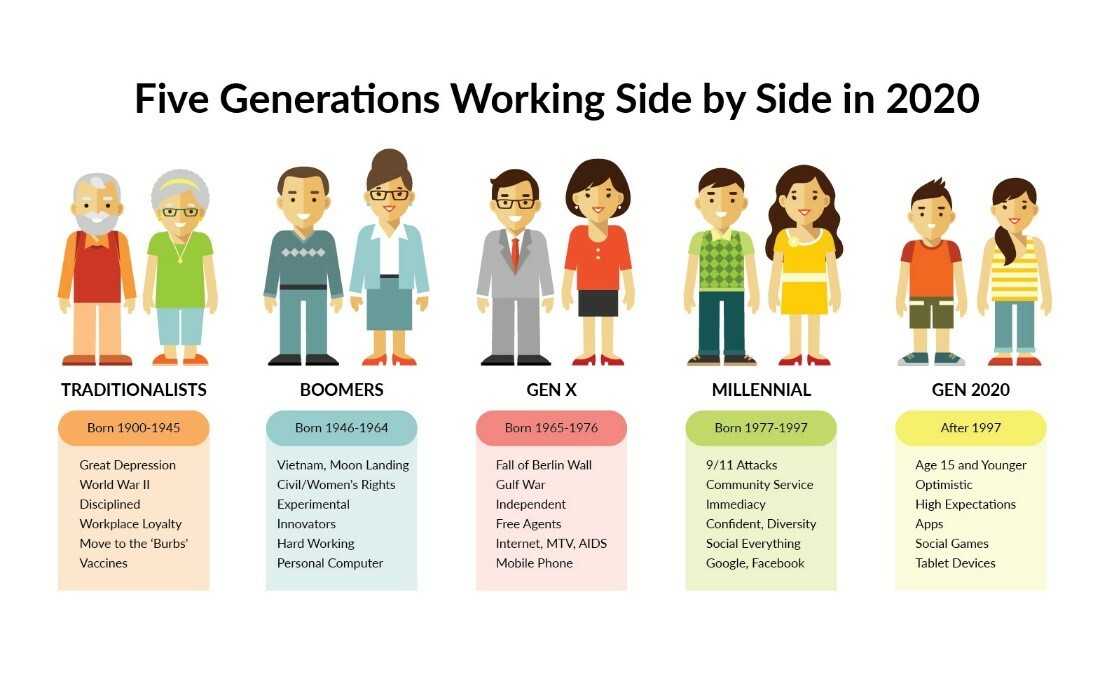
The very concept of “generations” is a fluid one. While demographers often use birth year ranges, the reality is that generational experiences are shaped by a confluence of historical events, technological advancements, and cultural shifts. We are living through a period where the lines between these traditional cohorts are increasingly blurred, giving rise to a more nuanced understanding of who “we” are in this present moment.
Decoding the Digital Natives and the Bridging Generations
Our current generational landscape is largely defined by the pervasive influence of technology. From the way we communicate and consume information to how we work and manage our finances, digital tools have fundamentally altered the fabric of our lives.
The Ever-Present Digital Landscape: From Millennials to Gen Alpha
The generations that most acutely embody this digital saturation are the Millennials (roughly born 1981-1996) and, even more so, Generation Z (roughly born 1997-2012) and Generation Alpha (born 2010 onwards). Millennials grew up alongside the burgeoning internet and the early days of social media, shaping their adaptability and comfort with digital platforms. They witnessed the transition from dial-up to broadband, from flip phones to smartphones, fostering a unique blend of analog memories and digital fluency.
Generation Z, on the other hand, has known nothing but a world saturated with the internet, smartphones, and a constant stream of digital information. For them, the digital realm is not a tool but an extension of their physical reality. This has fostered an innate understanding of online communication, content creation, and the nuances of digital ecosystems. They are the architects of TikTok trends, the masters of short-form video, and the early adopters of emerging AI tools.
Generation Alpha, still in their formative years, are arguably the most digitally integrated generation yet. Born into a world of voice assistants, AI-powered educational tools, and ubiquitous smart devices, their learning and interaction paradigms are being shaped from the ground up by technology. Their understanding of the world will be intrinsically linked to the digital tools they utilize from infancy.
Bridging the Gap: Gen X and the Evolving Tech Landscape
Generation X (roughly born 1965-1980) occupies a unique space. They are the “latchkey kids” who witnessed the rise of personal computers and the early internet, but they were not born into its complete dominance. This has given them a valuable perspective, allowing them to bridge the gap between analog and digital. Gen X possesses a pragmatism and resilience forged in a less digitally-dependent world, yet they have demonstrated remarkable adaptability in integrating new technologies into their personal and professional lives. They often serve as crucial mentors and bridges, helping to translate the digital native experience for older generations and guide younger ones through the complexities of the online world.
Branding in the Age of Authenticity and Personal Narrative
The way we present ourselves, both as individuals and as organizations, has been profoundly reshaped by the digital age and the evolving understanding of “generations.” Branding is no longer solely the domain of large corporations; it has become an essential aspect of personal and professional identity.
The Rise of Personal Branding: Your Digital Footprint Matters
In today’s interconnected world, your online presence is often your first introduction. This has given rise to the concept of “personal branding,” where individuals curate their digital identities to reflect their skills, values, and aspirations. For Millennials and Gen Z, who have grown up with social media, personal branding is often an intuitive process. They understand the power of storytelling, the importance of consistent messaging, and the need to build authentic connections online.

This focus on personal branding extends beyond individual careers. It influences how people approach networking, job searching, and even their social interactions. Companies increasingly look for candidates who not only possess the right skills but also demonstrate a coherent and compelling personal brand that aligns with their organizational culture.
Corporate Identity and the Demand for Transparency
For established brands, the challenge lies in adapting to the new expectations of authenticity and transparency that are often championed by younger generations. Corporate identity is no longer just about a logo and a tagline; it’s about demonstrating genuine values, engaging in social responsibility, and fostering a dialogue with consumers.
Brands that fail to connect with the values and concerns of contemporary generations risk becoming irrelevant. This is particularly true for issues related to sustainability, diversity, and ethical practices. The rise of social activism and the power of collective online voices mean that companies are held accountable for their actions and messaging in ways that were unimaginable even a decade ago. Case studies of brands that have successfully navigated these shifts often highlight their ability to engage in authentic storytelling, embrace user-generated content, and actively participate in the cultural conversations that matter to their target audiences.
Money Matters: Financial Literacy, Digital Assets, and the Pursuit of Freedom
The economic landscape is also undergoing a dramatic transformation, heavily influenced by technology and the differing financial priorities and approaches of various generations. The way we earn, save, invest, and manage our money is being redefined.
Navigating the Gig Economy and the Democratization of Income
The rise of the gig economy and online income streams has provided new avenues for financial independence, particularly for younger generations. Platforms for freelance work, online marketplaces, and creator economies have empowered individuals to monetize their skills and passions in flexible ways. For Millennials and Gen Z, side hustles are not just about extra cash; they are often seen as opportunities for personal growth, skill development, and a way to circumvent the traditional hierarchical career paths.
This shift also reflects a changing attitude towards work itself. Many younger individuals prioritize work-life balance and personal fulfillment over solely focusing on climbing the corporate ladder. This has led to a greater demand for flexible work arrangements and a willingness to explore unconventional career trajectories.
Investing in the Digital Age: Cryptocurrencies and the Future of Finance
The world of investing has also been revolutionized by technology. While traditional investment vehicles remain, the emergence of cryptocurrencies, NFTs, and decentralized finance (DeFi) has opened up entirely new frontiers. Younger generations, with their inherent comfort with digital assets and online platforms, have been at the forefront of exploring these emerging markets.
However, this democratization of finance also brings its own set of challenges, including the need for enhanced financial literacy and robust digital security measures. Understanding the volatility of digital assets, the risks associated with new financial tools, and the importance of safeguarding online accounts are critical for navigating this evolving landscape. Financial education, once a niche concern, is now a fundamental necessity for all generations seeking to thrive in the modern economy.

Conclusion: Embracing the Interconnected Generational Identity
So, “what generation are we in now?” The answer is complex and multifaceted. We are a generation (or rather, a collection of generations) deeply intertwined by technology, where personal and corporate brands are constantly being shaped and reshaped. We are living in an era where financial opportunities are more diverse than ever, but also demand greater awareness and adaptability.
Understanding these generational dynamics is not about pigeonholing individuals; it’s about recognizing the shared experiences and influences that shape our collective present and future. It’s about acknowledging that the lines between demographics are blurring, and that innovation, adaptability, and a willingness to learn are the currencies of success across all age groups. By embracing this interconnectedness, by understanding the unique strengths and challenges of each generational cohort, and by leveraging the power of technology, branding, and smart financial strategies, we can collectively navigate the exciting and ever-evolving landscape of our current era. The question of “what generation are we in now” ultimately leads us to a more profound understanding of who we are, what we can achieve, and how we can best prepare for the generations to come.
aViewFromTheCave is a participant in the Amazon Services LLC Associates Program, an affiliate advertising program designed to provide a means for sites to earn advertising fees by advertising and linking to Amazon.com. Amazon, the Amazon logo, AmazonSupply, and the AmazonSupply logo are trademarks of Amazon.com, Inc. or its affiliates. As an Amazon Associate we earn affiliate commissions from qualifying purchases.