
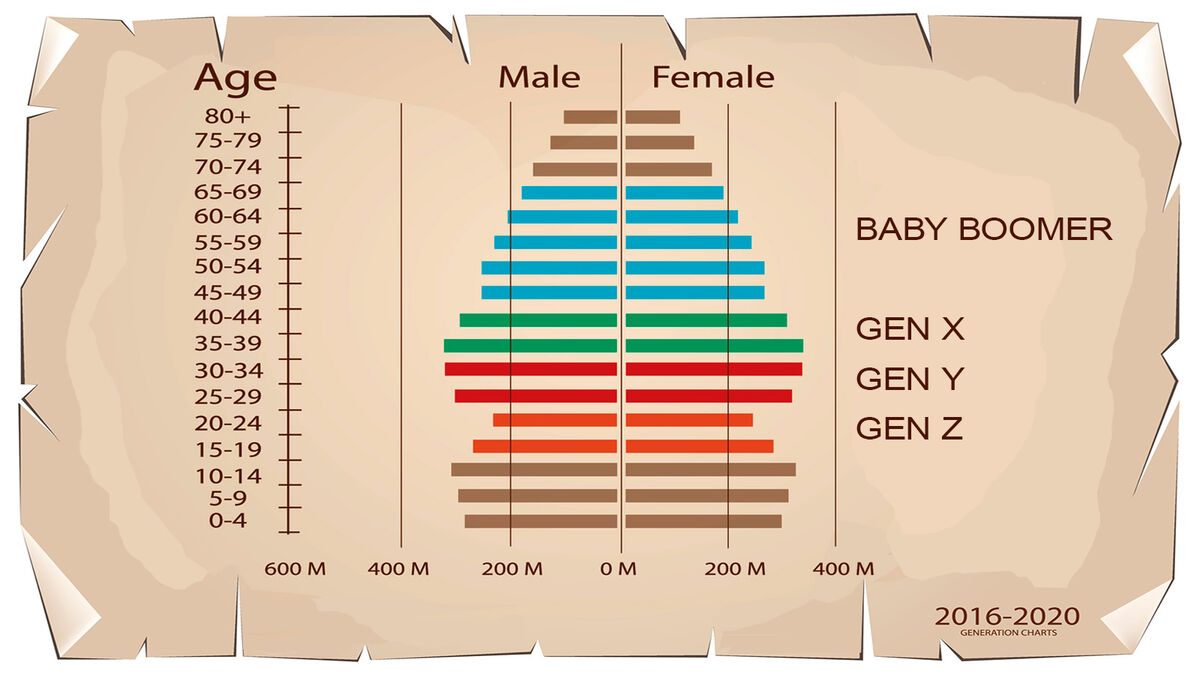
In the rapidly evolving landscape of global commerce, the question “What generation are 20-year-olds?” is more than a matter of chronological curiosity—it is a fundamental query for brand strategists, marketers, and corporate leaders. As of 2024, a 20-year-old belongs squarely to Generation Z (Gen Z), typically defined as those born between 1997 and 2012.
For brands, this cohort represents a pivotal demographic. They are no longer just the “consumers of tomorrow”; they are the trendsetters of today, wielding significant spending power and, more importantly, an unprecedented level of influence over the digital discourse. To successfully market to a 20-year-old, a brand must move beyond traditional advertising and embrace a strategy rooted in authenticity, cultural relevance, and radical transparency.

Decoding the Gen Z Identity: Why Age 20 is the Brand Sweet Spot
At 20 years old, an individual is often in a state of profound transition. They are moving from the controlled environment of adolescence into the autonomy of early adulthood. This is the “sweet spot” for brand entry, as these consumers are currently forming the brand loyalties that may last a lifetime.
The First Truly Digital-Native Generation
While Millennials were “digital pioneers” who remember the transition from analog to digital, 20-year-olds are “digital natives.” They do not remember a world without smartphones, high-speed internet, or social media. For a brand, this means that a digital presence is not an “add-on”—it is the brand’s primary identity. If a brand’s mobile interface is clunky or its social media presence feels performative, 20-year-olds will ghost the brand before they even reach the checkout page.
The Shift from Aspiration to Relatability
For decades, branding was built on aspiration—showing consumers a version of life that was better, wealthier, or more polished than their own. Gen Z has effectively killed this model. Twenty-year-olds value relatability over perfection. They are drawn to brands that acknowledge the messiness of real life. This shift has given rise to “lo-fi” marketing, where unedited, raw content often outperforms high-budget, glossy commercials.
Values-Driven Branding: Authenticity as the New Corporate Identity
For a 20-year-old, a purchase is a political and ethical statement. Brand strategy in this era must account for the “conscious consumer.” This generation looks behind the logo to see the company’s internal culture, environmental footprint, and social stances.
The Death of the Polished Corporate Persona
The traditional “corporate voice”—distant, professional, and overly cautious—fails to resonate with 20-year-olds. They prefer brands that have a personality, a sense of humor, and even the ability to admit mistakes. Successful brand strategies today involve developing a “human” identity. Whether it’s through engaging in “Twitter (X) banter” or showing behind-the-scenes footage of employees, the goal is to break the fourth wall of corporate marketing.
Sustainability as a Non-Negotiable
Sustainability is no longer a “nice-to-have” feature in a brand’s portfolio; it is a baseline requirement for Gen Z. However, 20-year-olds are also the most skeptical of “greenwashing.” They have the digital tools to fact-check a brand’s claims in seconds. A brand strategy that claims environmental responsibility without transparent supply chain data will quickly find itself the subject of a viral “call-out” video. To win over this generation, brands must integrate sustainability into their core identity rather than treating it as a marketing campaign.
Marketing in the Age of the Algorithm: Strategies for the 20-Year-Old Consumer
Reaching a 20-year-old requires a deep understanding of how they consume information. Their media habits are fragmented, driven by algorithms that prioritize engagement over seniority.

The Dominance of Short-Form Video
If a brand’s strategy does not include a robust short-form video component (TikTok, Instagram Reels, YouTube Shorts), it is essentially invisible to the 20-year-old demographic. These platforms are where 20-year-olds discover new products and form opinions. The content must be “entertainment-first.” The moment a video feels like a traditional advertisement, the user swipes away. Successful brands on these platforms often use the “edu-tainmet” model—providing value or humor while subtly integrating the product.
The Rise of the Micro-Influencer and Community
The era of the “A-list celebrity” endorsement is waning in favor of the micro-influencer. Twenty-year-olds trust people they feel they “know.” A creator with 50,000 highly engaged followers often has more influence over a 20-year-old’s purchasing decisions than a Hollywood star with 50 million followers. Brands are now shifting their budgets toward “community-led growth,” where they foster small, niche communities of advocates rather than blasting a message to a massive, disinterested audience.
Building Long-Term Loyalty: From Transactional to Relational Branding
Because 20-year-olds have grown up with infinite choices at their fingertips, brand loyalty is harder to earn and easier to lose than ever before. To move from a one-time transaction to a long-term relationship, brands must offer more than just a product.
Gamification and Interactive Experiences
Gen Z appreciates interactivity. Brands that gamify the shopping experience—through loyalty apps, interactive filters, or digital scavenger hunts—see higher engagement. For a 20-year-old, the “experience” of the brand is often as important as the utility of the product. This generation thrives on “co-creation,” where brands allow users to vote on new flavors, designs, or features, making the consumer feel like a stakeholder in the brand’s success.
Radical Transparency and “The Why”
Simon Sinek’s famous adage “Start with Why” has never been more relevant than it is for Gen Z. A 20-year-old wants to know why a brand exists beyond making a profit. Is the brand solving a problem? Is it supporting a community? Is it innovating for a better future? Corporate identity must be rooted in a clear mission statement that is reflected in every touchpoint, from the “About Us” page to the packaging materials.
The Future of Brand Strategy: Adapting to Gen Z’s Fluidity
As 20-year-olds continue to age, their influence will only grow. However, their preferences are not static. One of the defining characteristics of Gen Z is their fluidity—in identity, in fashion, and in brand preference.
Personalization via Data Ethics
While 20-year-olds expect a personalized experience, they are also highly protective of their digital privacy. The challenge for modern brand strategy is to provide a “made-for-me” experience without being intrusive. This requires a shift toward “zero-party data”—information that the consumer voluntarily shares with the brand in exchange for a better experience. Brands that respect boundaries while providing personalized value will win the trust of this discerning generation.
The Blurring of Online and Offline Worlds
For a 20-year-old, there is no real distinction between their “online life” and “offline life.” They are integrated. This means that physical retail is not dead; it just needs to be “Instagrammable” and technologically integrated. A brick-and-mortar store for a 20-year-old is less about a point of sale and more about a brand “shrine” or an experiential hub where they can interact with the brand’s community and create content.
Conclusion: Embracing the Gen Z Mandate
Understanding that today’s 20-year-olds are Gen Z is the first step, but evolving a brand to meet their high standards is a continuous journey. They demand more from the brands they support: more honesty, more social responsibility, and more creative engagement.
For a brand to thrive in this environment, it must shed the outdated tactics of the past. It must listen more than it speaks, provide value before it asks for a sale, and stand for something greater than its bottom line. In the world of the 20-year-old consumer, the brand is no longer the hero of the story—the consumer is. The brand’s job is to be the authentic, reliable, and innovative partner that helps them navigate their world. By mastering this brand strategy, companies can secure their place in the lives of the most influential generation of the 21st century.
aViewFromTheCave is a participant in the Amazon Services LLC Associates Program, an affiliate advertising program designed to provide a means for sites to earn advertising fees by advertising and linking to Amazon.com. Amazon, the Amazon logo, AmazonSupply, and the AmazonSupply logo are trademarks of Amazon.com, Inc. or its affiliates. As an Amazon Associate we earn affiliate commissions from qualifying purchases.