
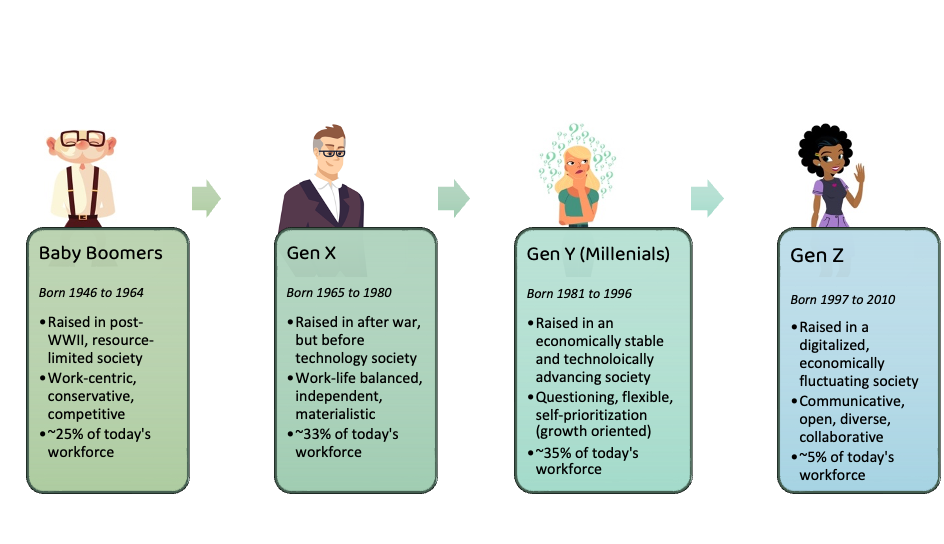
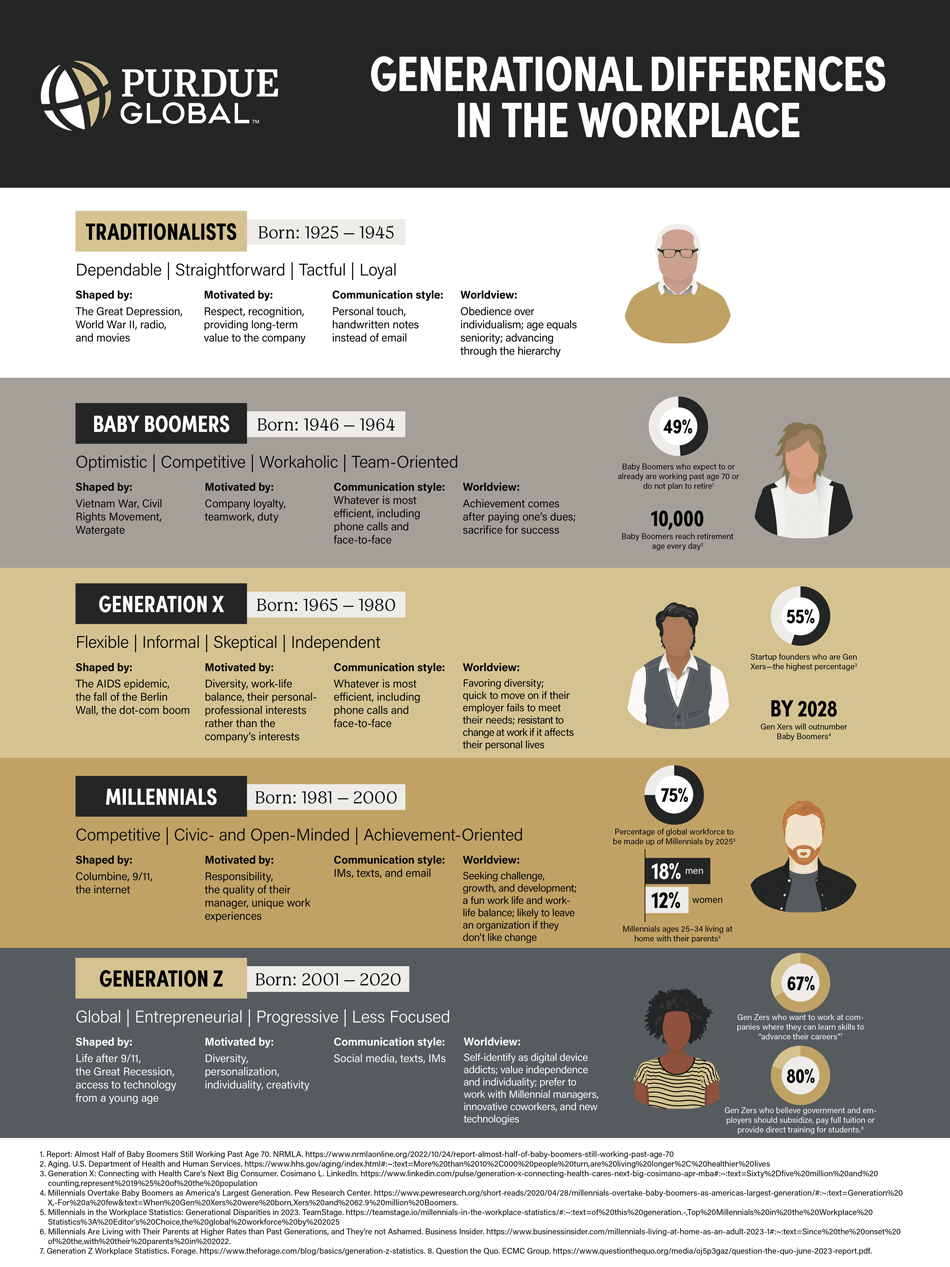
The term “Baby Boomer” is one of the most frequently cited labels in modern discourse, yet its implications extend far beyond a simple age bracket. Defining “what gen is Boomers” requires looking at the demographic born between 1946 and 1964. This cohort emerged during the post-World War II economic expansion, a period of unprecedented prosperity that fundamentally reshaped the global financial landscape. Today, as this generation moves deeper into retirement, their influence on personal finance, investment markets, and the “Great Wealth Transfer” remains the most significant narrative in the world of money.

Defining the Boomer Generation: Demographic and Financial Foundations
To understand the financial profile of the Baby Boomer generation, one must first look at the era that birthed them. Following the conclusion of World War II, returning veterans and a stabilizing global economy led to a spike in birth rates. This demographic “bulge” created a generation that, by sheer numbers, would dictate market trends for the next seven decades.
The Post-War Economic Boom
Boomers came of age during a period of robust industrial growth and the rise of the middle class. Unlike their parents, who were shaped by the Great Depression, Boomers entered a job market characterized by rising real wages and the expansion of corporate benefits. This era saw the standardization of the employer-sponsored pension plan, providing a level of retirement security that has become increasingly rare for subsequent generations. This foundational stability allowed Boomers to become the most prolific consumers and savers in history.
The Wealth Accumulation Phase
Throughout the 1980s and 1990s, Boomers entered their peak earning years. This coincided with one of the greatest bull markets in history. As the 401(k) was introduced and became a staple of American retirement planning, Boomers were the first generation to move away from traditional pensions toward defined-contribution plans. By aggressively funding these accounts during a period of high equity returns, they amassed a significant portion of the world’s private wealth. Today, it is estimated that Boomers hold over 50% of the total household wealth in the United States, an economic reality that influences everything from interest rates to luxury real estate.
The Great Wealth Transfer: How Boomers are Redefining Inheritance
As the Boomer generation ages, we are witnessing the beginning of the “Great Wealth Transfer.” This phenomenon refers to the projected $68 trillion to $84 trillion that will be passed down from Boomers to Gen X and Millennials over the next two decades. This shift represents a massive movement of capital that will redefine the financial services industry and personal inheritance strategies.
Strategic Estate Planning
For the Boomer generation, the focus has shifted from wealth accumulation to wealth preservation and distribution. Professional financial planning for this cohort now prioritizes tax-efficient transfer mechanisms. This includes the use of irrevocable trusts, gifting strategies to reduce taxable estates, and the conversion of traditional IRAs to Roth IRAs to provide tax-free growth for heirs. The sophistication of Boomer estate planning is driving a surge in demand for fiduciary advice, as they seek to ensure their financial legacy remains intact across multiple generations.
Impact on the Next Generation’s Portfolio
The influx of inherited wealth is expected to change how younger generations approach investing. While Boomers often favored traditional equities and bonds, their heirs are increasingly interested in alternative assets, such as private equity, venture capital, and digital assets. Furthermore, the liquidity provided by this transfer is likely to fuel the housing market and debt repayment, potentially narrowing the wealth gap for some, while highlighting the systemic disparities for those without access to such generational capital.
Retirement in the Modern Era: Financial Strategies for the Golden Years
Retirement for a Boomer looks significantly different than it did for the “Silent Generation.” With increased life expectancy and a desire for an active lifestyle, the financial requirements for “Boiling down” Boomer retirement are substantial. This has led to a reimagining of how capital is managed in the decumulation phase.
Shifting from Growth to Income
As Boomers exit the workforce, their investment philosophy undergoes a necessary transition. The primary objective moves from capital appreciation to capital preservation and reliable income generation. This has spurred innovation in income-focused financial products, such as dividend-aristocrat ETFs, high-yield debt instruments, and modern annuity structures. The “60/40 portfolio” (60% stocks, 40% bonds) was the gold standard for this generation for years, but in a fluctuating interest rate environment, many Boomers are now looking toward real estate investment trusts (REITs) and private credit to sustain their lifestyle.
Managing Healthcare and Long-Term Care Costs
One of the most significant financial hurdles for the Boomer generation is the rising cost of healthcare. Unlike previous generations, Boomers are living longer with chronic conditions, necessitating a dedicated financial strategy for long-term care (LTC). Savvy Boomers are increasingly utilizing Health Savings Accounts (HSAs) as a triple-tax-advantaged retirement vehicle and exploring hybrid life insurance policies that include LTC riders. The ability to fund these costs without exhausting the principal of their investment portfolios is a hallmark of successful Boomer financial management.
The Influence of Boomer Capital on Global Markets
Because of the sheer volume of assets controlled by Boomers, their collective movements act as a “tide” that lifts or lowers various sectors of the global economy. Their transition from savers to spenders has profound macroeconomic implications.
Real Estate Trends and Downsizing
The “Boomer effect” on real estate is twofold. On one hand, many Boomers are “aging in place,” holding onto large family homes and contributing to the current inventory shortage in the residential market. On the other hand, a significant segment is downsizing to luxury condos or relocating to tax-friendly states like Florida, Texas, and Nevada. This migration of capital is driving up property values in “silver-friendly” hubs and forcing developers to focus on high-end, low-maintenance housing solutions that cater to an affluent, older demographic.
The Shift Toward Sustainable and Socially Responsible Investing
Interestingly, Boomers are increasingly using their financial muscle to influence corporate behavior. There is a growing trend among affluent Boomers toward Environmental, Social, and Governance (ESG) investing. Whether motivated by a desire to leave a better world for their grandchildren or a belief that sustainable companies offer better long-term risk-adjusted returns, Boomer capital is a major driver behind the growth of the impact investing market. When Boomers speak with their portfolios, Wall Street listens.
Lessons in Financial Resilience: Boomer Strategies for Economic Volatility
Despite the criticisms often leveled at the generation, there is much to be learned from the Boomer approach to financial resilience. Having lived through the stagflation of the 1970s, the “Black Monday” crash of 1987, the Dot-com bubble, and the 2008 Financial Crisis, this generation possesses a seasoned perspective on market volatility.
The Value of Long-Term Perspective
One of the most important financial lessons from the Boomer generation is the power of time in the market. Boomers who stayed invested during downturns were the ones who benefited most from the subsequent recoveries. This “stay the course” mentality is a core tenet of their financial success. In an age of high-frequency trading and “meme stocks,” the Boomer reliance on fundamental analysis and long-term compounding serves as a professional benchmark for disciplined investing.
Diversification Across Market Cycles
Boomers were among the first to benefit from the democratization of mutual funds and diversified investment vehicles. Their portfolios typically reflect a broad exposure to different asset classes, which has historically mitigated risk during periods of localized economic stress. By balancing domestic equities with international exposure and tangible assets like real estate, the Boomer generation has demonstrated how a diversified approach can build a robust financial foundation capable of weathering any economic storm.
In conclusion, the Boomer generation is not just a demographic category; they are the primary architects of the modern financial world. From their role in the rise of the 401(k) to the current management of the Great Wealth Transfer, their financial decisions continue to shape market dynamics. Understanding the “Boomer” generation is essential for anyone looking to navigate the complexities of today’s economy, as their legacy of wealth accumulation and strategic distribution will be felt for decades to come.
aViewFromTheCave is a participant in the Amazon Services LLC Associates Program, an affiliate advertising program designed to provide a means for sites to earn advertising fees by advertising and linking to Amazon.com. Amazon, the Amazon logo, AmazonSupply, and the AmazonSupply logo are trademarks of Amazon.com, Inc. or its affiliates. As an Amazon Associate we earn affiliate commissions from qualifying purchases.