
The question of “what gang was Snoop Dogg in” is more than a curiosity about his past; it is a foundational inquiry into the construction of one of the most resilient personal brands in modern history. Before he was a household name, a Martha Stewart collaborator, or an Olympic torchbearer, Calvin Broadus Jr. was a member of the Rollin’ 20s Crips in Long Beach, California. In the context of brand strategy, this affiliation served as the “origin story”—a raw, authentic foundation that provided the “street credibility” necessary to dominate the high-stakes music industry of the early 1990s.
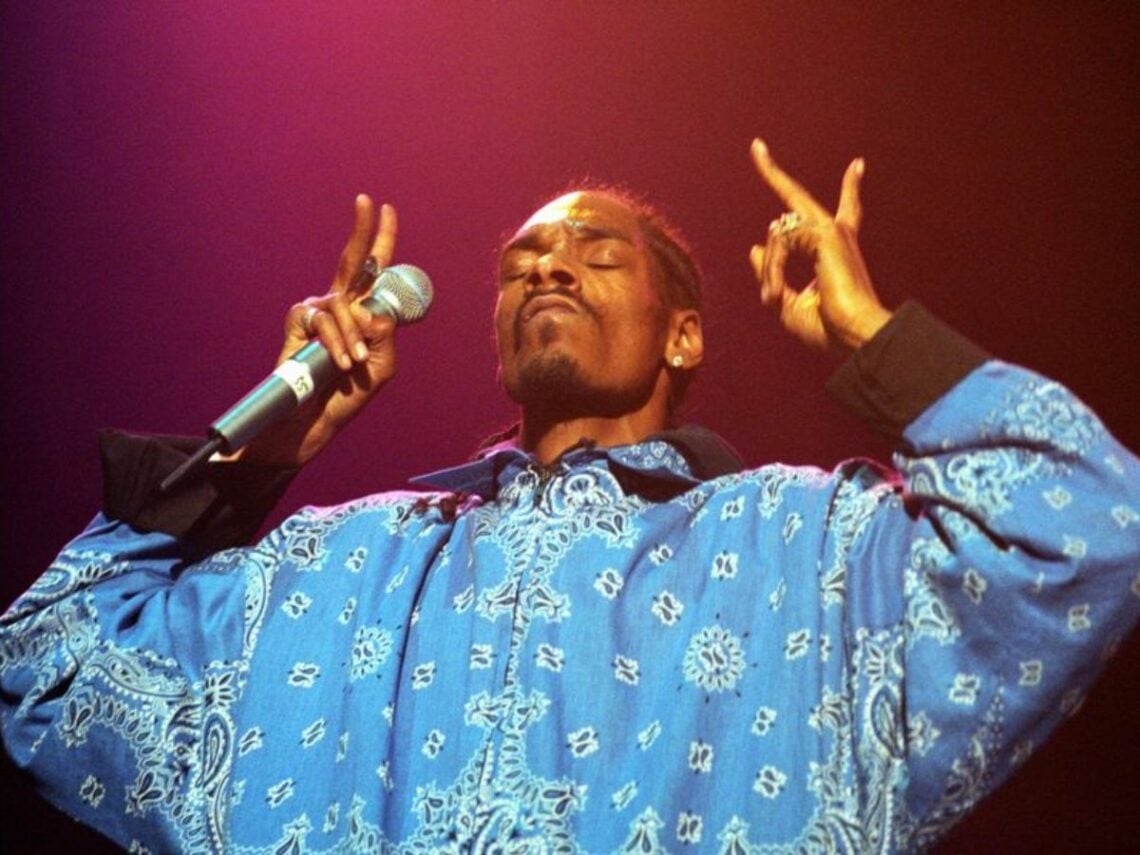
However, the true brilliance of the Snoop Dogg narrative lies not in his past affiliations, but in his masterful transition from a controversial figure to a universal lifestyle brand. This evolution serves as a masterclass for corporate executives and entrepreneurs alike on how to pivot, diversify, and maintain brand equity across four decades of shifting cultural tides.
The Origin Story: Rollin’ 20s Crips and the Authenticity Paradox
In the world of marketing, “authenticity” is often cited as the most valuable currency. For Snoop Dogg, his affiliation with the Rollin’ 20s Crips provided an immediate and unshakeable brand identity. When he debuted on Dr. Dre’s The Chronic in 1992, he wasn’t just a performer; he was a representative of a specific geographic and cultural reality.
The Role of “Street Cred” as Brand Equity
In the early 1990s, the hip-hop market demanded high levels of “realness.” Snoop’s gang affiliation functioned as a seal of approval that resonated with a demographic looking for unfiltered narratives. This period of his career represents the “Entry Phase” of his brand. By leaning into his roots, he established a unique selling proposition (USP) that distinguished him from the more polished pop-rap acts of the time.
Navigating the Crisis Phase
Every major brand faces a crisis. For Snoop, this came in the form of the high-profile murder trial in 1993. While such an event would dismantle most corporate identities, the Snoop Dogg brand survived by doubling down on its core narrative. The trial, rather than ending his career, solidified his image as an outlaw, which at the time, was exactly what his target audience valued. This era taught a vital brand lesson: knowing your audience is more important than universal appeal—at least in the early stages of growth.
From Infamy to Iconic: The Mechanics of the Brand Pivot
The most difficult challenge in brand strategy is the “pivot.” Moving a brand from a niche, often polarizing position to a mass-market, “all-ages” position requires surgical precision. Snoop Dogg’s transition from a “gangster rapper” to a “lovable uncle” of pop culture is perhaps the most successful brand repositioning in history.
Softening the Edge Without Losing the Core
Snoop Dogg’s pivot began with the realization that longevity requires expansion. He began to lean into his charisma rather than his combativeness. He traded the aggression of his early years for a laid-back, “California cool” persona. Critically, he never disavowed his past or his gang roots; he simply allowed them to become the backdrop rather than the lead story. This allowed him to maintain his “O.G.” status with his original fans while becoming accessible to new, younger, and more suburban demographics.
The Martha Stewart Partnership: A Case Study in Brand Contrast
The pinnacle of Snoop’s brand evolution was his partnership with Martha Stewart. On paper, the two could not be more different: the queen of domesticity and the king of West Coast rap. However, from a brand strategy perspective, it was a stroke of genius.
- Mutual Benefit: Stewart gained “edge” and coolness, while Snoop gained “legitimacy” and domestic appeal.
- Meme-ability: The partnership was perfectly timed for the social media age, where visual contrast drives engagement.
- Humanization: Seeing Snoop bake cookies or arrange flowers humanized him, completing the transition from “threat” to “treasure.”
The Architecture of the Snoop Dogg Brand Ecosystem
Modern brand strategy is rarely about a single product; it is about building an ecosystem. Snoop Dogg has transformed his name into a versatile umbrella brand that spans multiple industries, demonstrating an incredible understanding of market diversification.
Leafs By Snoop and the Legalization Wave
Snoop was a “first mover” in the legal cannabis space. By launching Leafs By Snoop in 2015, he became one of the first major celebrities to lend his name to a cannabis brand. This wasn’t just a celebrity endorsement; it was a logical extension of his personal brand identity. Because his name had been synonymous with cannabis for decades, the brand felt organic and trustworthy to consumers.
Indoggo Gin and 19 Crimes: The Beverage Strategy
Snoop’s entry into the spirits and wine market further showcases his brand elasticity. His collaboration with 19 Crimes for “Snoop Cali Red” became one of the fastest-selling wine launches in history. The branding leveraged his “rebel” persona—fitting perfectly with the 19 Crimes backstory—while placing him in the aisles of high-end grocery stores. This move successfully bridged the gap between his “street” origins and a lifestyle of luxury and leisure.
Snoop Cali Gold and the Culinary Expansion
From a cookbook (From Crook to Cook) to a brand of cereal (Snoop Loopz), Broadus has explored the culinary space with a sense of humor and accessibility. He understands that his brand is a “vibe” that can be applied to almost any consumer good, provided the marketing remains lighthearted and authentic to his voice.
Brand Scalability through Cultural Intelligence
A brand’s longevity is often determined by its ability to stay relevant to new generations. Snoop Dogg has displayed an uncanny “Cultural Intelligence” (CQ), allowing him to adapt to technological shifts and new media landscapes without appearing out of place.
The Digital Frontier: Web3 and Gaming
Snoop Dogg has been an aggressive early adopter of emerging technologies. In the realm of Web3, he has become a major figure in the NFT and Metaverse spaces. By purchasing the Death Row Records brand and announcing plans to make it an “NFT label,” he circled back to his origins while looking forward to the future of digital ownership. His presence in The Sandbox metaverse and his partnerships with gaming organizations like FaZe Clan ensure that his brand remains visible to Gen Z and Gen Alpha.
The “Cool” Authority in Sports and Media
Whether it is providing hilarious commentary for Olympic equestrian events or appearing in the Super Bowl Halftime Show, Snoop has positioned himself as a “cultural commentator.” His brand has become a shorthand for “cool.” When brands like NBC or the NFL hire Snoop, they aren’t just hiring a performer; they are “borrowing” his cultural equity to make their own products feel more relevant and diverse.
Lessons in Personal Branding: What Corporations Can Learn from Snoop
The journey from the Rollin’ 20s Crips to a global icon offers several high-level takeaways for brand managers and entrepreneurs.
1. Consistency of Voice
Throughout every iteration of his career, Snoop’s “voice” has remained consistent. His cadence, his slang, and his relaxed demeanor are the “brand assets” that tie everything together. Whether he is selling gin, software, or kids’ TV shows (Doggyland), the consumer knows exactly what they are getting.
2. The Power of Forgiveness and Evolution
Snoop Dogg’s career proves that a brand is not defined by its worst moments, but by how it evolves from them. By taking accountability for his past and transforming his narrative, he built a brand that is resilient against “cancel culture.” He showed that a brand can grow up alongside its audience.
3. Collaboration Over Competition
One of Snoop’s greatest branding strengths is his willingness to collaborate. He has worked with artists in every genre, from Katy Perry to Willie Nelson. In the business world, this translates to “strategic alliances.” By partnering with established players in different sectors, he has been able to enter new markets with low friction and high credibility.
4. Owning the Intellectual Property
Perhaps the most significant move in his recent career was the acquisition of Death Row Records. By owning the brand that launched him, he secured his legacy and gave himself total creative control over his catalog. This underscores the importance of owning the “means of production” and the historical assets of a brand.
Conclusion: The Ultimate Brand Legacy
What gang was Snoop Dogg in? He was a member of the Rollin’ 20s Crips, a fact that he carries with him as a badge of authenticity. However, the legacy of the Snoop Dogg brand is that he refused to be confined by that single chapter of his life.
He took the raw materials of his environment—the style, the language, and the grit—and refined them into a global conglomerate. Today, the Snoop Dogg brand represents a unique blend of street-smart grit and corporate-savvy grace. It is a brand that is at once exclusive (retaining its “cool” factor) and inclusive (appealing to grandmothers and toddlers alike). For any brand strategist, the “Snoop Dogg Method” is a definitive guide on how to turn identity into equity and a past into a future.
aViewFromTheCave is a participant in the Amazon Services LLC Associates Program, an affiliate advertising program designed to provide a means for sites to earn advertising fees by advertising and linking to Amazon.com. Amazon, the Amazon logo, AmazonSupply, and the AmazonSupply logo are trademarks of Amazon.com, Inc. or its affiliates. As an Amazon Associate we earn affiliate commissions from qualifying purchases.