
In the modern music landscape, the line between a personal lifestyle and a commercial brand is increasingly blurred. When fans and analysts ask, “What gang is NBA YoungBoy in?” they are often seeking a literal answer regarding his affiliations in Baton Rouge. However, from a brand strategy perspective, the question reveals a much deeper narrative about the construction of identity, the value of street credibility, and the high-stakes marketing of “authenticity.” Kentrell Gaulden, known globally as NBA YoungBoy, has built a multi-million dollar empire not just on melodic rap, but on a meticulously maintained brand ecosystem that leverages real-world affiliations to create an unbreakable bond with a global audience.
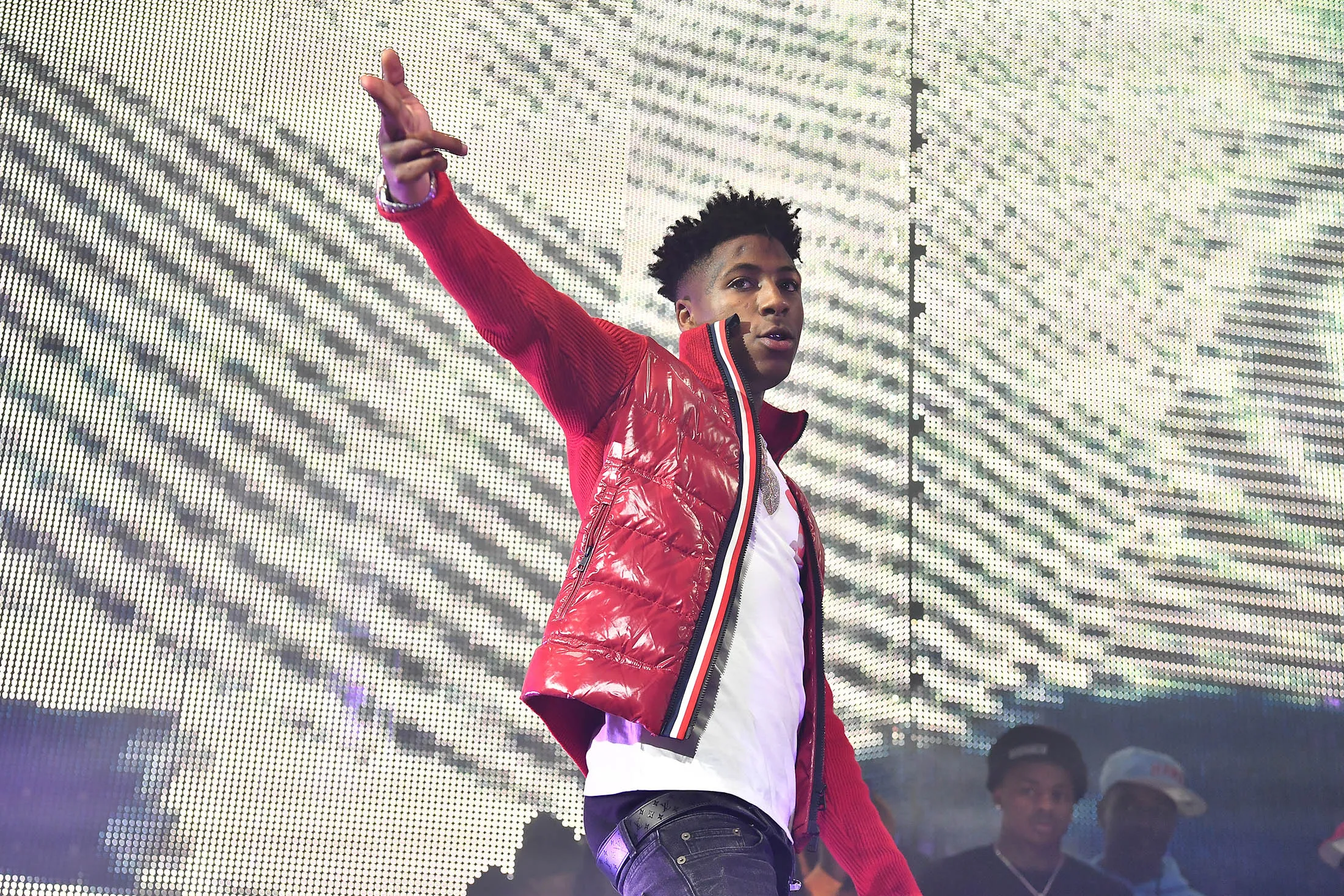
The Never Broke Again Ecosystem: From Collective to Global Brand
To understand the brand identity of NBA YoungBoy, one must first deconstruct the “NBA” acronym itself: Never Broke Again. While the public often associates rappers with traditional street gangs, YoungBoy’s primary affiliation is a self-constructed brand entity. Never Broke Again is not merely a rap collective; it is a corporate identity, a record label, and a lifestyle philosophy that serves as the foundation of his market presence.
The Power of the “NBA” Moniker
The “Never Broke Again” brand functions as a core value proposition. In the world of personal branding, a name should encapsulate an aspirational or relatable goal. For Gaulden’s audience—many of whom come from disenfranchised backgrounds—the brand represents a defiant promise of financial stability and upward mobility. This isn’t just music; it’s a mission statement. By embedding his brand name into his stage name (NBA YoungBoy), he ensures that every mention of his artistry is also a promotion of his corporate entity.
4KTrey and the Aesthetics of Tribal Branding
While “NBA” is the commercial face, “4KT” (4KTrey) represents the more visceral, “street-level” component of his brand identity. In branding terms, this functions as “tribal marketing.” By referencing 4KTrey—an affiliation often linked to the Northside of Baton Rouge—YoungBoy creates an exclusive community for his fans. This “inner circle” branding uses specific hand signs, colors (notably green), and linguistic markers that allow fans to feel like part of a movement rather than just consumers of a product. This is a masterclass in building brand loyalty through shared identity and “in-group” signaling.
Authenticity as a Brand Asset: The High Stakes of “Realness”
In the corporate world, brands strive for “authenticity” to gain consumer trust. In the hip-hop industry, this authenticity is often measured by a performer’s proximity to their lived experiences and the “street” elements they describe in their lyrics. The question of what gang NBA YoungBoy is in becomes a litmus test for his brand’s integrity.
The “Anti-Hero” Archetype
NBA YoungBoy has successfully occupied the “Anti-Hero” archetype in brand psychology. Unlike traditional celebrities who seek to sanitize their image for broad corporate appeal, YoungBoy leans into his controversies and affiliations. This creates a brand that feels unmanufactured and raw. For a Gen Z audience that is increasingly skeptical of polished, corporate-driven influencers, YoungBoy’s refusal to “play the game” makes his brand more valuable. His legal battles and street reputation, while professionally risky, reinforce the brand’s core pillar: that he is “real.”
Risk-Management in a High-Voltage Brand
The challenge of an authenticity-based brand is the inherent risk it carries. In brand management, a “crisis” is usually something to be avoided. However, for the NBA YoungBoy brand, conflict often serves as a catalyst for engagement. Each legal hurdle or public feud reinforces the “Never Broke Again” narrative of a man against the world. Nevertheless, this creates a ceiling for corporate partnerships. While a brand like Nike or Coca-Cola might shy away from such a volatile personal brand, the music industry rewards this volatility with high streaming numbers and a dedicated fanbase that views the artist’s struggles as part of the “content” they consume.
Digital Dominance and the Direct-to-Consumer Strategy
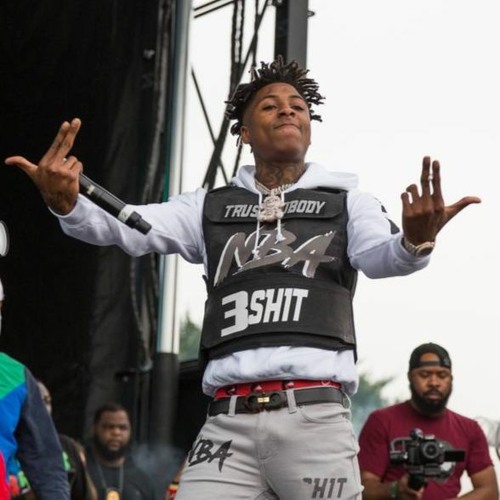
One cannot analyze the NBA YoungBoy brand without looking at his revolutionary approach to digital distribution. He has bypassed traditional media gatekeepers, utilizing a direct-to-consumer (D2C) model that mirrors the most successful modern tech brands.
YouTube as a Brand Hub
YoungBoy is often cited as the “King of YouTube.” His strategy involves high-frequency output and low-barrier access. By consistently releasing music videos that showcase his lifestyle, his neighborhood, and his associates, he provides a constant stream of “brand storytelling.” This frequency keeps him at the top of the algorithm, ensuring that the “NBA” brand remains top-of-mind for his audience. He doesn’t need a Super Bowl ad; he has a direct line to 12 million subscribers who are notified every time he adds a new chapter to his narrative.
The Monetization of Controversy
From a marketing perspective, NBA YoungBoy’s brand thrives on high engagement rates driven by polarizing content. The speculation regarding his gang affiliations or his personal life creates “earned media”—free publicity generated by fans, bloggers, and news outlets. This organic conversation reduces the need for traditional marketing spend. In the attention economy, being discussed is the ultimate currency, and YoungBoy’s brand is one of the most liquid assets in the music business.
Reputation Management and the Path to Legacy Branding
As Kentrell Gaulden matures, the NBA YoungBoy brand faces a critical juncture. All brands must eventually evolve or face obsolescence. For a brand built on the energy of youth and street volatility, the transition to “Legacy Brand” status requires a strategic shift.
Diversification of the Portfolio
We are already seeing the “Never Broke Again” brand expand beyond Gaulden himself. By signing other artists to his label, he is transitioning from an individual performer to a brand architect. This move de-risks the company; the brand can continue to generate revenue and maintain its cultural footprint even if the founder is not personally in the spotlight. This is the same strategy used by legacy brands like Jordan (under Nike) or Roc-A-Fella (under Jay-Z).
Balancing Street Identity with Corporate Longevity
The ultimate goal for the NBA YoungBoy brand will be to maintain its “street” soul while securing its financial future. This involves a delicate dance of reputation management. To reach the next level of brand equity—comparable to figures like 50 Cent or Drake—YoungBoy must figure out how to translate his “authenticity” into sectors like fashion, technology, or venture capital. The “Never Broke Again” name is perfectly suited for a financial literacy or investment app, provided the brand can navigate its legal associations.
The Fan as a Stakeholder
Perhaps the most impressive aspect of the NBA YoungBoy brand is the emotional investment of his “shareholders”—the fans. They do not just listen to his music; they defend his reputation, adopt his fashion sense, and mirror his online behavior. This level of brand advocacy is the “holy grail” for any marketing executive. Whether he is viewed through the lens of Baton Rouge affiliations or global streaming metrics, the NBA YoungBoy brand is a testament to the power of unwavering identity in a world of curated personas.
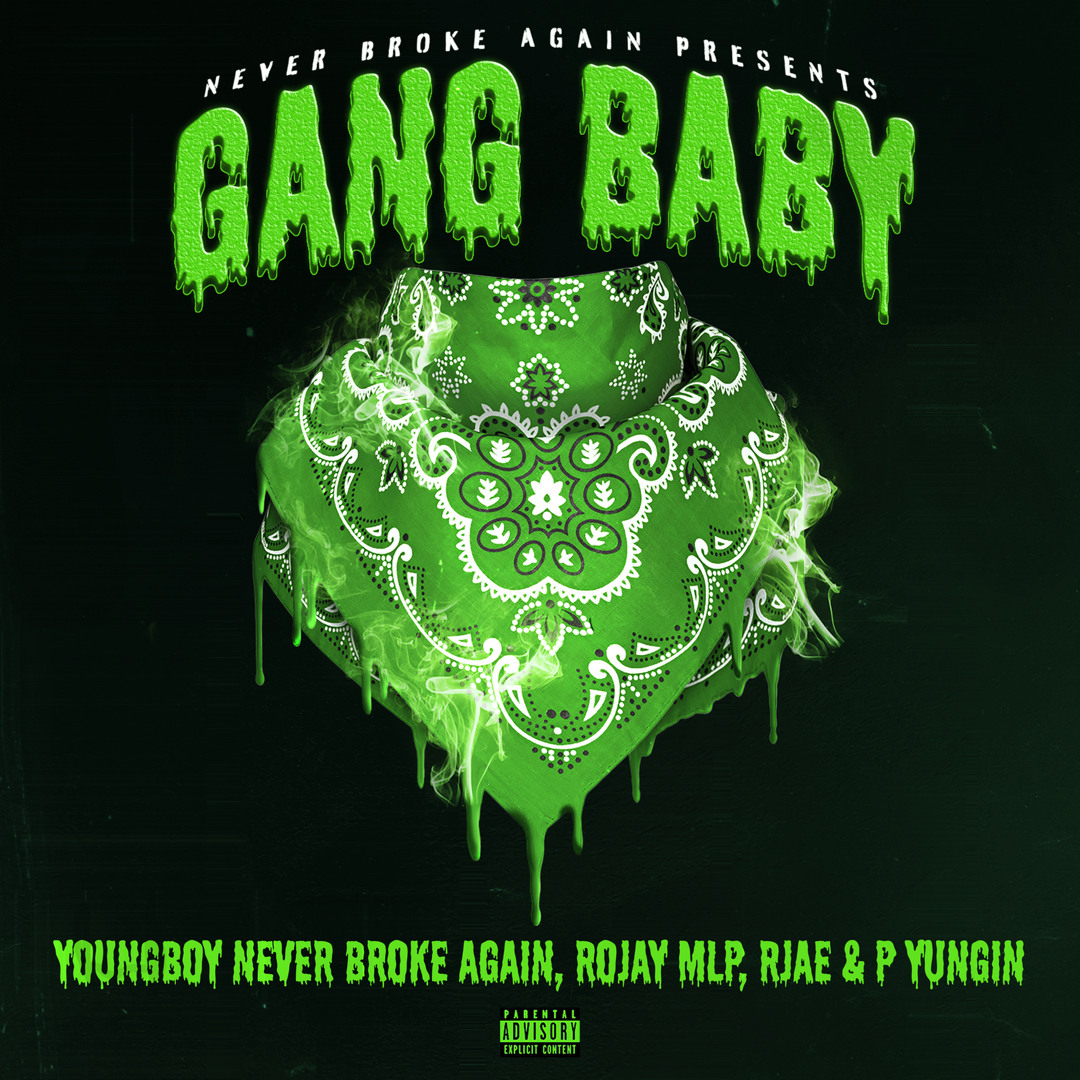
Conclusion: The Cultural Equity of the NBA Brand
In answering “What gang is NBA YoungBoy in?” we find that his most powerful affiliation is with the brand he built from the ground up. Kentrell Gaulden has successfully weaponized the “Never Broke Again” and “4KT” identifiers to create a fortress of cultural equity.
His brand strategy is a paradox: it is built on being “anti-brand.” By rejecting the polish of traditional stardom, he has achieved a level of trust with his demographic that money cannot buy. The future of the NBA YoungBoy brand will depend on its ability to scale this authenticity, moving from the volatile energy of a street-affiliated youth to the sustained power of a multi-industry mogul. In the high-stakes game of personal branding, Gaulden has proven that as long as you “Never Broke Again,” the market will always be willing to invest in your story.
aViewFromTheCave is a participant in the Amazon Services LLC Associates Program, an affiliate advertising program designed to provide a means for sites to earn advertising fees by advertising and linking to Amazon.com. Amazon, the Amazon logo, AmazonSupply, and the AmazonSupply logo are trademarks of Amazon.com, Inc. or its affiliates. As an Amazon Associate we earn affiliate commissions from qualifying purchases.