
Since its launch in 2017, the Nintendo Switch has redefined the parameters of the gaming industry, bridging the gap between high-performance home consoles and portable handheld devices. The platform’s success is not merely a result of its unique hardware architecture—powered by a custom NVIDIA Tegra processor—but rather the unprecedented breadth and diversity of its software library. From high-fidelity first-party titles to a thriving indie scene and ambitious third-party ports, the “Switch library” has become a benchmark for modern digital ecosystems.
Understanding what games are available for the Nintendo Switch requires a look beyond simple titles; it necessitates an analysis of how different software categories leverage the console’s hybrid technology to provide unique user experiences.

1. The First-Party Powerhouse: Defining the Nintendo Software Identity
The backbone of the Nintendo Switch library is its first-party software. These titles are developed or published directly by Nintendo, designed to showcase the specific technological capabilities of the hardware, such as the HD Rumble, the IR Motion Camera, and the seamless transition between docked and handheld modes.
The Evolution of Open-Air Engineering
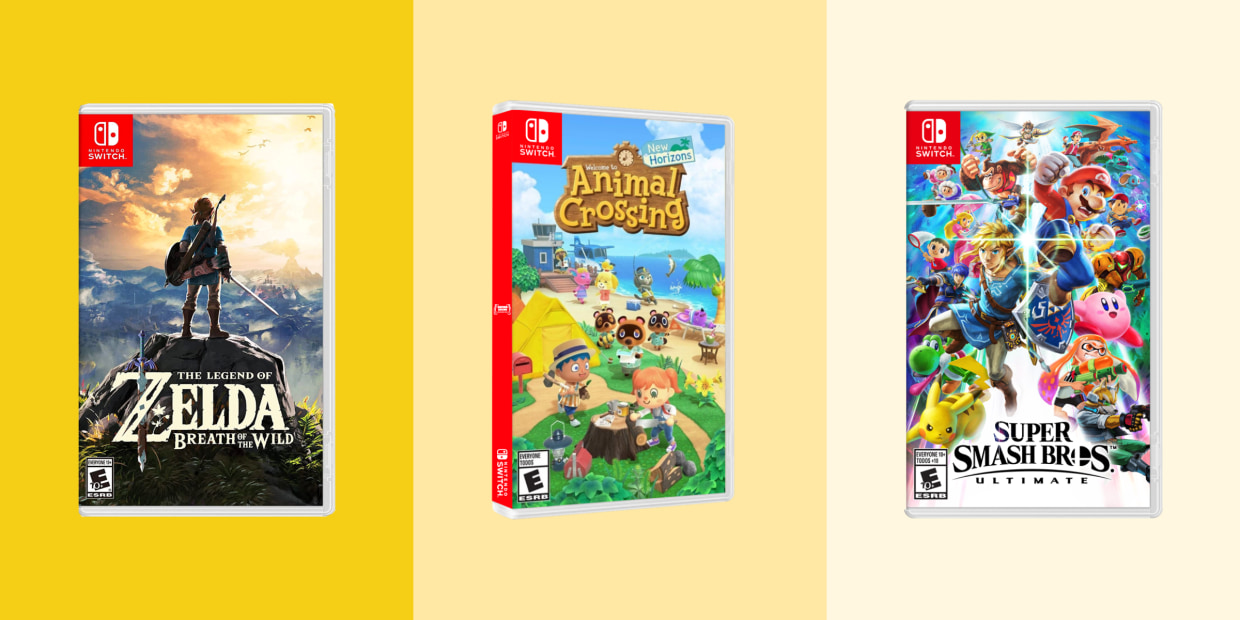
Titles like The Legend of Zelda: Breath of the Wild and its successor, Tears of the Kingdom, represent the pinnacle of technical optimization on the Switch. These games utilize advanced physics engines and “chemical” interaction systems that allow players to experiment with the environment in ways rarely seen in gaming. By prioritizing art style over raw polygon count, Nintendo’s developers have managed to deliver sprawling, seamless open worlds that run efficiently on a mobile chipset, proving that software optimization can often outweigh sheer hardware power.
Innovations in Multiplayer Connectivity
Nintendo has also utilized the Switch to iterate on classic multiplayer franchises. Mario Kart 8 Deluxe and Splatoon 3 highlight the console’s focus on versatile connectivity. Whether through local wireless play—which allows up to eight consoles to connect without an internet hotspot—or through the Nintendo Switch Online infrastructure, these games are engineered for both quick, on-the-go sessions and competitive long-form play.
The Fitness and Motion Control Niche
A unique segment of the Switch library involves software that integrates specialized hardware peripherals. Ring Fit Adventure is perhaps the most notable example, using the Ring-Con and Leg Strap to turn physical exercise into a role-playing game. This intersection of fitness tech and software gamification has allowed Nintendo to capture a demographic that extends beyond traditional gamers, further diversifying the available content.
2. The Indie Revolution: A Hub for Digital Distribution and Innovation
The Nintendo Switch has earned a reputation as the “indie machine.” The Nintendo eShop—the console’s digital storefront—has become a primary destination for independent developers who find the Switch’s portable nature perfectly suited for 2D platformers, roguelikes, and narrative-driven experiences.
The Rise of “Nindies”
Nintendo has actively courted independent developers, often referring to them as “Nindies.” Games like Hollow Knight, Celeste, and Stardew Valley have seen massive commercial success on the platform. Technically, these games are well-suited for the Switch because their art directions—often utilizing pixel art or hand-drawn assets—scale perfectly between the 6.2-inch (or 7-inch on OLED models) handheld screen and a 1080p television output.
The Portability Selling Point
For many tech-savvy users, the availability of indie titles on the Switch is preferred over other platforms due to the “Pick Up and Play” nature of the console. The ability to suspend a game instantly and resume it in handheld mode has made the Switch the definitive platform for “coffee break” gaming. Developers have responded by optimizing their software to support the Switch’s unique sleep-mode architecture, ensuring that digital titles consume minimal power when the console is inactive.
Experimental Software and the eShop Ecosystem
The eShop also hosts a variety of experimental software that pushes the boundaries of traditional gaming. This includes “cozy games” like Animal Crossing: New Horizons (a first-party title that mimics indie sensibilities) and puzzle-heavy logic games. The digital marketplace is updated weekly, ensuring a constant stream of new software that leverages the touch-screen capabilities and gyro-sensors inherent in the hardware.
3. Technical Triumphs: Porting AAA Titles to Mobile Hardware
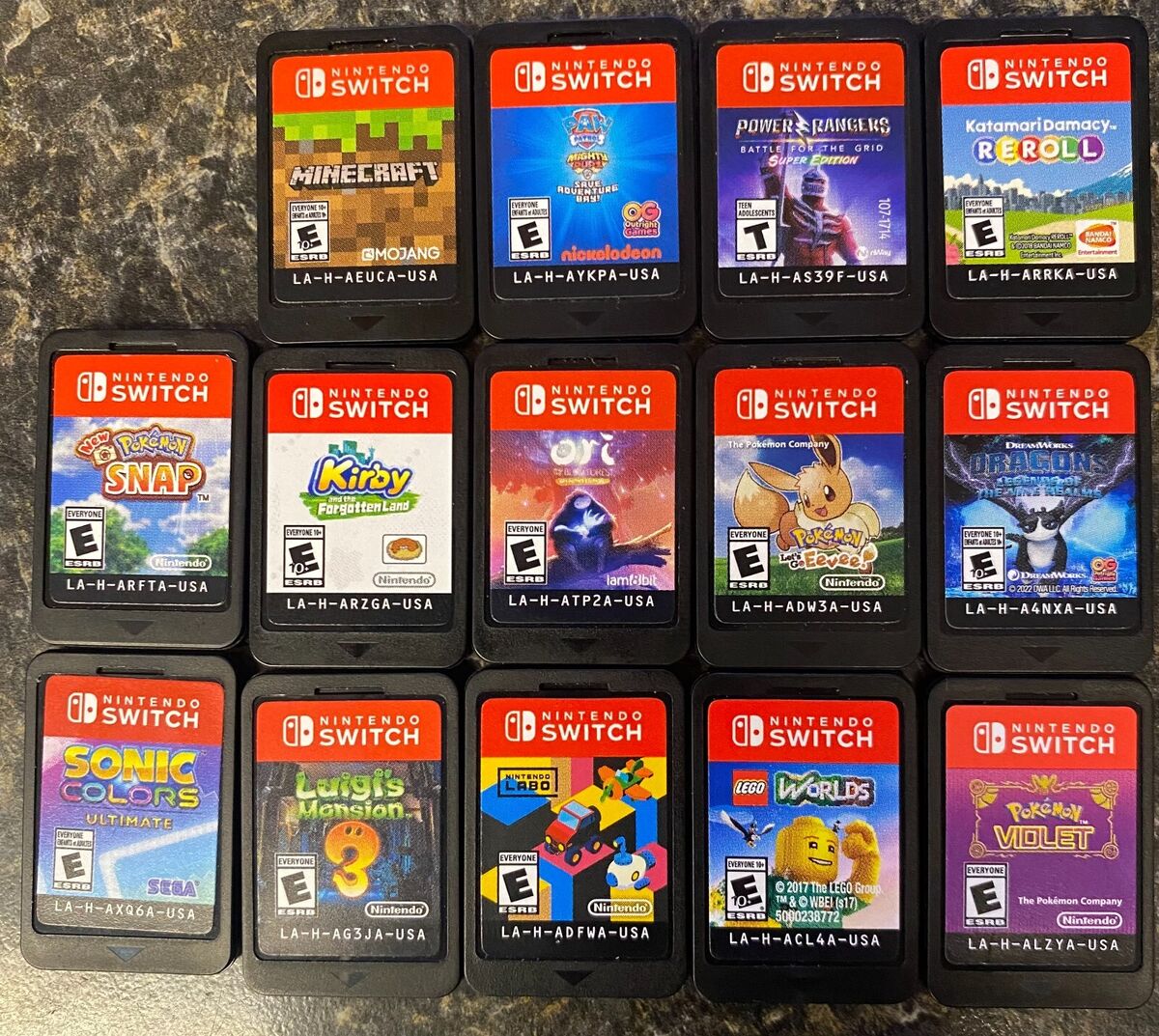
One of the most impressive aspects of the Switch’s game availability is the presence of “impossible ports.” These are high-fidelity, AAA games originally developed for more powerful hardware like the PlayStation 4, Xbox One, or high-end PCs, which have been technically downscaled to run on the Switch’s mobile architecture.
Engineering the “Impossible Port”
Games such as The Witcher 3: Wild Hunt, DOOM Eternal, and NieR: Automata serve as case studies in software engineering. To make these games available on the Switch, developers use dynamic resolution scaling, simplified texture filtering, and custom assets. While these versions may lack the 4K resolution of their counterparts, they provide the full gameplay experience on a portable device—a technical feat that seemed unlikely at the start of the console’s lifecycle.
Cloud Streaming: Bypassing Local Hardware
To further expand the library, Nintendo has introduced “Cloud Versions” of certain demanding titles. Games like Resident Evil Village or Control are not processed locally on the Switch hardware. Instead, they are streamed from high-performance servers, with the Switch acting as a terminal. This technology requires a stable, high-speed internet connection but allows Switch owners to play titles that would otherwise be technically incompatible with the NVIDIA Tegra X1 chip.
The Role of Third-Party Publishers
Major publishers like Ubisoft, Capcom, and Square Enix have shifted their strategies to ensure their flagship titles are available on the Switch. Whether through native ports or “Legacy Editions” (as seen with the FIFA/EA Sports FC series), these companies recognize the Switch’s massive install base. This support ensures that the library includes not just Nintendo-centric titles, but also global blockbusters spanning genres from RPGs to first-person shooters.
4. Retro Gaming and Subscription-Based Software Models
Nintendo has moved away from a traditional “Virtual Console” purchase model in favor of a subscription-based service: Nintendo Switch Online (NSO). This service provides access to a massive and growing library of classic software, effectively turning the Switch into an all-in-one legacy machine.
Emulation and the Expansion Pack
Through specialized emulation software developed by Nintendo, NSO subscribers can access libraries from the NES, SNES, and Game Boy. The “Expansion Pack” tier adds titles from the Nintendo 64, SEGA Genesis, and Game Boy Advance. These are not merely ROMs; they are optimized software packages that include modern features like “Rewind,” which allows players to reverse mistakes in real-time, and online multiplayer integration for games that were originally local-only.
Preserving Gaming History via Software
The availability of these retro titles is a significant draw for users interested in the history of technology and game design. It allows a new generation to experience the evolution of software architecture, from the 8-bit era to the early days of 3D rendering. By integrating these classics into a modern digital interface, Nintendo ensures its software legacy remains accessible and functional on current-generation hardware.
Digital Archives and Collections
In addition to the subscription service, many developers have released digital “collections” or “remasters.” These include the Mega Man Legacy Collection, Castlevania Anniversary Collection, and Metroid Prime Remastered. These titles often feature improved frame rates, high-definition textures, and updated control schemes (such as dual-analog support), providing a bridge between tech nostalgia and modern performance standards.
5. The Future of the Switch Library: Synergizing Hardware and Content
As we look at the current state of games available for the Nintendo Switch, it is clear that the platform’s longevity is tied to its versatile software strategy. The ecosystem is no longer defined by a single genre or target demographic; it is a multi-faceted digital environment that accommodates everything from hardcore competitive shooters to meditative exploration games.
Cross-Platform Integration and Social Tech
The Switch library increasingly emphasizes cross-platform play (cross-play) and cross-progression. Titles like Fortnite, Minecraft, and Rocket League allow Switch users to interact with players on other consoles and PCs. This technical interoperability is a far cry from the “walled gardens” of previous console generations and reflects a broader trend in technology toward open ecosystems and social connectivity.
The Role of User-Generated Content
Games like Super Mario Maker 2 and Game Builder Garage have turned the Switch into a creative tool. These “meta-games” allow users to design their own levels or even program basic games using visual scripting languages. This shifts the user’s role from a passive consumer to an active developer, further expanding the “available games” on the platform to include millions of user-created stages.
Conclusion
The Nintendo Switch offers one of the most eclectic and technologically fascinating game libraries in the history of the medium. By balancing high-quality first-party innovations, a robust indie marketplace, impressive AAA engineering feats, and a rich archive of retro content, the platform provides a comprehensive look at the state of modern gaming software. Whether through local processing or cloud-based streaming, the Switch continues to prove that the availability of software is limited only by the creativity of the developers and the efficiency of the underlying digital ecosystem. As the industry moves toward the next generation of hardware, the lessons learned from the Switch’s software library—specifically regarding optimization and portability—will likely remain the blueprint for the future of mobile technology.
aViewFromTheCave is a participant in the Amazon Services LLC Associates Program, an affiliate advertising program designed to provide a means for sites to earn advertising fees by advertising and linking to Amazon.com. Amazon, the Amazon logo, AmazonSupply, and the AmazonSupply logo are trademarks of Amazon.com, Inc. or its affiliates. As an Amazon Associate we earn affiliate commissions from qualifying purchases.