
Since its launch in 2017, the Nintendo Switch has redefined the hardware-software relationship in the gaming industry. By bridging the gap between a dedicated home console and a high-performance portable device, Nintendo created a unique environment for software developers. The result is a library that exceeds 10,000 titles, ranging from resource-heavy AAA ports to innovative indie projects. For technology enthusiasts and gamers alike, understanding the depth of the Switch’s library requires looking past the hardware and into the software engineering and digital distribution models that sustain it.

The Nintendo Switch library is characterized by three distinct pillars: first-party “Evergreen” titles, high-fidelity third-party ports, and a thriving independent (Nindie) scene. This article explores the categories of games available on the platform and the technical framework that makes them possible.
The First-Party Powerhouse: Setting the Gold Standard for Optimization
Nintendo’s internal development teams have mastered the art of extracting maximum performance from the Switch’s NVIDIA Tegra X1 processor. Because Nintendo designs both the hardware and the software, their first-party titles serve as the benchmark for what is possible on a mobile chipset.
The Evolution of Open-Air Engines
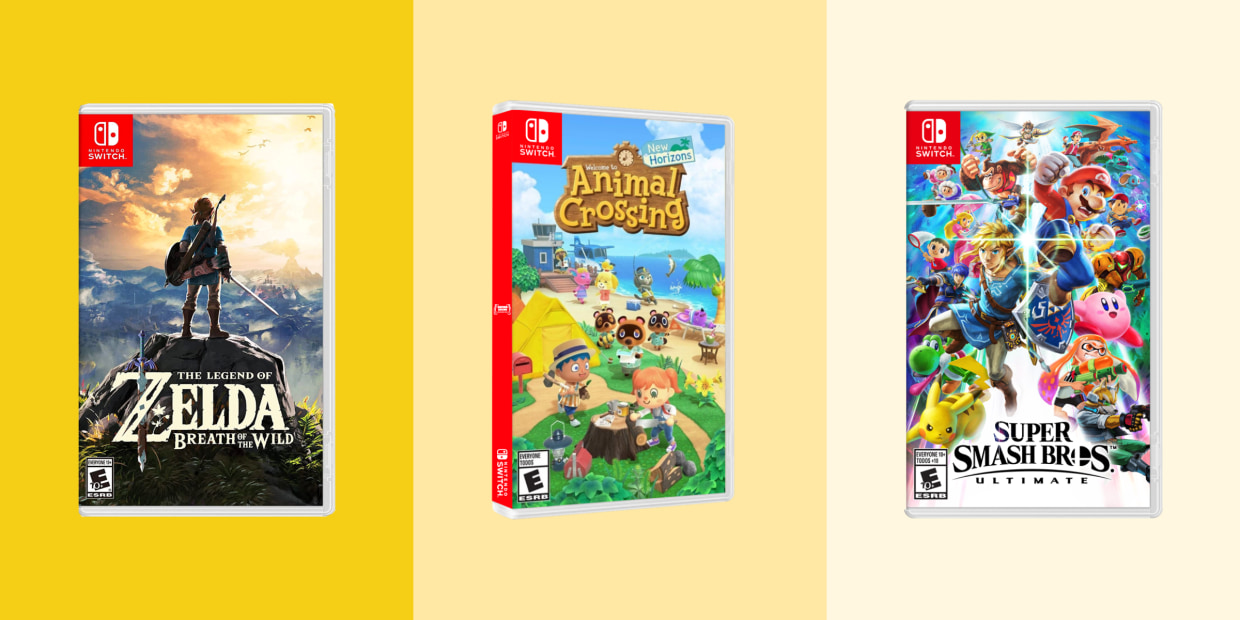
Titles like The Legend of Zelda: Breath of the Wild and its successor, Tears of the Kingdom, represent the pinnacle of software engineering on the Switch. These games utilize advanced physics engines and “Chemistry Engines” that allow for complex interactions between environmental elements. Despite the hardware’s limitations compared to stationary consoles like the PlayStation 5, Nintendo’s use of dynamic resolution scaling and clever asset management ensures a cohesive and immersive experience.
Precision Platforming and Visual Fidelity
The Super Mario franchise, specifically Super Mario Odyssey and Super Mario Bros. Wonder, showcases the platform’s ability to maintain high frame rates (often a locked 60 FPS) while delivering vibrant, high-contrast visuals. These games leverage the Switch’s OLED model particularly well, using software-level color grading to make stylized graphics pop without requiring the raw pixel-pushing power of 4K-native consoles.
Competitive Software and Networking
Nintendo’s foray into competitive gaming with Splatoon 3 and Super Smash Bros. Ultimate demonstrates the system’s capability for low-latency input and synchronized multiplayer. While the Switch’s networking hardware has faced criticism, the software architecture within these games is designed to minimize “tick rate” discrepancies, ensuring that the fast-paced action remains fluid during online play.
The “Impossible” Ports: Bridging the Gap Between Generations
One of the most significant technological stories of the Nintendo Switch era is the rise of the “Impossible Port.” These are games originally designed for much more powerful hardware (PC, Xbox One, or PS4) that have been meticulously optimized to run on the Switch’s mobile architecture.
Downscaling Architecture and Optimization
Developers like Panic Button and Saber Interactive have become legends in the tech community for their work on titles such as DOOM Eternal, The Witcher 3: Wild Hunt, and Wolfenstein II: The New Colossus. Bringing these games to Switch involves aggressive “culling” (not rendering what the player cannot see), lowering texture resolutions, and utilizing temporal anti-aliasing to smooth out jagged edges. These ports are a testament to how far software optimization can go when hardware limits are hit.
The Role of Cloud Streaming
For titles that simply cannot run natively on the Tegra X1, Nintendo has introduced “Cloud Versions.” Games like Control, Hitman 3, and Resident Evil Village are available on the Switch via server-side rendering. While this requires a stable, high-speed internet connection, it represents a significant tech shift, allowing the Switch to bypass its own hardware constraints by functioning as a high-end streaming client.
Cross-Platform Integration and Save Data
Many third-party games on the Switch, such as Diablo III and Fortnite, utilize robust back-end systems that allow for cross-progression and cross-play. This software integration ensures that the Switch version of a game isn’t an isolated silo but rather a portable extension of a larger gaming ecosystem. This connectivity is managed through the Nintendo Switch Online (NSO) infrastructure, which handles the handshake between different server environments.
The “Nindie” Revolution: A Sanctuary for Independent Developers
The Nintendo Switch has arguably become the primary home for independent software developers. The “Nindie” movement refers to the symbiotic relationship between Nintendo and smaller studios, where the platform’s portability makes it the ideal venue for shorter, creative, and mechanically focused games.
High-Performance 2D Engines
Independent titles like Hollow Knight, Celeste, and Hades thrive on the Switch because they utilize 2D or 2.5D engines (often built in Unity or Monogame) that run flawlessly on the hardware. For these games, the focus is on art direction and gameplay loop rather than raw polygons. The Switch’s hardware profile allows these games to run at native 1080p in docked mode, providing a visual experience identical to higher-end consoles.
Innovative Use of Hardware Features
Many indie games leverage the Switch’s unique hardware features, such as HD Rumble and the IR Motion Camera. Games like Untitled Goose Game or Stardew Valley provide tactile feedback through the Joy-Con controllers, a software-driven haptic response that adds a layer of immersion often missing from standard rumble motors in other controllers.
The eShop Ecosystem and Discoverability
The Nintendo eShop is the digital storefront that hosts thousands of independent titles. From a software perspective, the eShop has undergone several iterations to improve search algorithms and categorization. For users, this means access to a massive library of “side-scrollers,” “roguelikes,” and “metroidvanias” that can be downloaded and stored on a MicroSD card, turning the Switch into a comprehensive archive of modern indie history.
Legacy Content and Subscription-Based Software
Nintendo has shifted away from the “Virtual Console” model of previous generations in favor of a subscription-based service: Nintendo Switch Online. This service provides a curated library of legacy software through dedicated emulator apps.
Emulation and Feature Enhancements
The NES, SNES, N64, Game Boy, and Sega Genesis apps available on the Switch are more than just ROM players. They are sophisticated emulators that provide modern software features like “Rewind,” which allows players to roll back gameplay by several seconds, and “Save States.” These features are baked into the software wrapper, allowing games from the 1980s and 90s to feel compatible with modern user expectations.
Expansion Pack and Premium Tiers
The “Expansion Pack” tier of the NSO service adds high-fidelity N64 and Game Boy Advance titles. Technically, these apps handle the difficult task of upscaling low-resolution assets to look crisp on modern displays. This is achieved through custom rendering layers that preserve the original aspect ratio while applying filters to simulate the look of a CRT television or an original handheld screen.
DLC and Lifecycle Extensions
The Switch library is also sustained by significant post-launch software support. Programs like the Mario Kart 8 Deluxe – Booster Course Pass add dozens of tracks to an existing game over several years. This “Games as a Service” (GaaS) approach, even for single-purchase titles, ensures that the software library remains relevant long after the initial release, effectively doubling the content available on the platform without requiring a hardware refresh.
Future Outlook: The Intersection of Software and Iterative Hardware
As the Nintendo Switch enters the later stages of its lifecycle, the games available on the platform are pushing the boundaries of what is possible with 4GB of LPDDR4 RAM and a mobile GPU. The current library serves as a masterclass in software efficiency, proving that art style and optimization can often outweigh raw computational power.
Looking forward, the integration of AI-upscaling technologies like NVIDIA’s DLSS (Deep Learning Super Sampling) is the rumored next step for Nintendo’s software ecosystem. This would allow future games to be rendered at lower resolutions internally and then reconstructed to 4K using AI, potentially solving the performance bottlenecks that currently limit the Switch’s library.
In conclusion, the games available for the Nintendo Switch represent the most diverse and technologically versatile library in Nintendo’s history. From the massive open worlds of first-party epics to the innovative “Impossible Ports” and the expansive “Nindie” scene, the Switch offers a software experience that caters to every facet of the gaming community. Whether through native hardware execution or cloud-based streaming, the platform remains a testament to the power of software optimization in the modern era of technology.
aViewFromTheCave is a participant in the Amazon Services LLC Associates Program, an affiliate advertising program designed to provide a means for sites to earn advertising fees by advertising and linking to Amazon.com. Amazon, the Amazon logo, AmazonSupply, and the AmazonSupply logo are trademarks of Amazon.com, Inc. or its affiliates. As an Amazon Associate we earn affiliate commissions from qualifying purchases.