
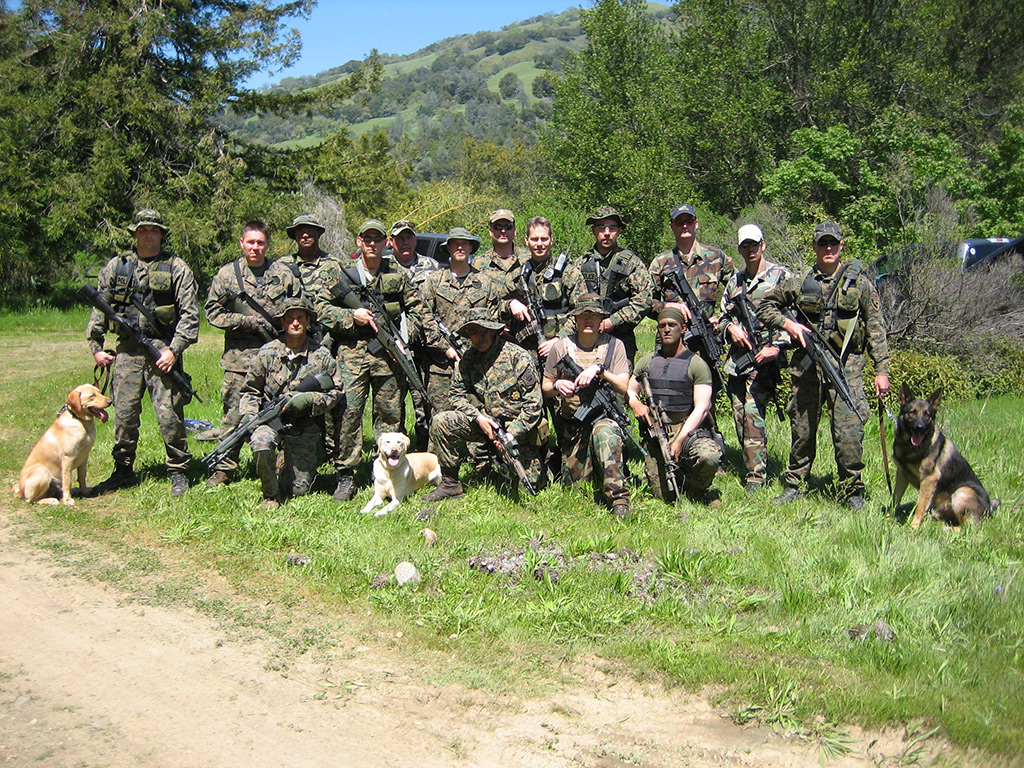
The image of a game warden often evokes a solitary figure patrolling vast wilderness, a keen observer of nature, and a steadfast enforcer of conservation laws. While this romanticized view holds elements of truth, the modern game warden operates at the cutting edge of technological innovation. In an era defined by data, digital connectivity, and advanced surveillance, understanding “what game wardens do” has become synonymous with recognizing how they leverage an sophisticated array of technology to fulfill their multifaceted mission. Far from being a profession rooted solely in tradition, game wardening today is a tech-intensive field, relying heavily on gadgets, software, and digital security to protect our natural resources, ensure public safety, and enforce environmental regulations. This article delves into the technological backbone that empowers game wardens, transforming their daily operations and redefining the scope of their crucial work.
Leveraging Advanced Gadgets for Field Operations
The vast, often challenging terrains that game wardens patrol demand robust and reliable technological aids. From tracking poachers to monitoring wildlife populations, the tools they carry are increasingly digital, sophisticated, and indispensable. These gadgets provide a critical edge, enhancing situational awareness, improving efficiency, and ensuring the safety of both wardens and the public.
GPS and GIS for Terrain Navigation and Data Mapping
At the core of a game warden’s field technology is the Global Positioning System (GPS) and Geographic Information Systems (GIS). GPS devices, ranging from rugged handheld units to integrated vehicle systems, are fundamental for navigation in areas often lacking clear landmarks or cellular service. They enable wardens to pinpoint their exact location, mark evidence sites, track suspicious activity, and efficiently navigate complex conservation areas. Beyond simple navigation, GIS software transforms raw GPS data into invaluable mapping tools. Wardens use GIS to create detailed maps illustrating patrol routes, crime hotspots, wildlife habitats, population density, and the precise boundaries of protected areas. This spatial data visualization helps identify trends, allocate resources effectively, and present compelling evidence in court, making GIS an analytical powerhouse for modern conservation enforcement.
Drones and Remote Sensing for Surveillance and Monitoring
The advent of unmanned aerial vehicles (UAVs), commonly known as drones, has revolutionized surveillance capabilities for game wardens. Equipped with high-resolution cameras (including thermal and infrared), drones can cover vast areas quickly and discreetly, reaching locations inaccessible to foot patrols or vehicles. They are instrumental in locating lost individuals, monitoring large animal herds, detecting illegal activities like poaching or timber theft, and assessing environmental damage from fires or pollution. Remote sensing technologies, often integrated with drone operations or satellite imagery, provide additional layers of data. These systems can analyze changes in vegetation, water quality, and land use patterns, offering wardens a comprehensive overview of their jurisdiction’s ecological health and potential threats without requiring direct physical presence. This aerial perspective greatly enhances early detection and response capabilities.
Body Cameras and Dash Cams for Accountability and Evidence Collection
Just like other law enforcement agencies, game warden departments are increasingly adopting body-worn cameras (BWCs) and in-vehicle dash cameras. These devices serve multiple critical functions. Primarily, they provide an unbiased, digital record of interactions with the public, ensuring transparency and accountability for both the warden and the individuals they encounter. This video evidence is invaluable in de-escalating tense situations and resolving disputes. Beyond accountability, BWCs and dash cams are powerful tools for evidence collection. They capture visual and audio recordings of crime scenes, interactions with suspects, and recovered contraband, which can be presented as irrefutable evidence in legal proceedings. The digital nature of this evidence simplifies storage, retrieval, and chain-of-custody protocols, streamlining the investigative process.
Software and Digital Tools for Enforcement and Administration
Beyond physical gadgets, game wardens rely on a sophisticated suite of software and digital platforms that form the backbone of their enforcement, administrative, and communication efforts. These tools enable efficient data management, seamless collaboration, and swift response to incidents, moving the profession firmly into the digital age.
Database Management for Violator Tracking and Case Building
Effective law enforcement hinges on robust information management, and game wardens utilize specialized database systems for this purpose. These databases store crucial information on permits, licenses, previous violations, known offenders, and incident reports. By centralizing this data, wardens can quickly access an individual’s history during a field stop, identify repeat offenders, and track patterns of illegal activity. This data-driven approach significantly enhances their ability to build strong cases, identify trends in wildlife crime, and allocate resources more strategically. The ability to cross-reference information from various sources — such as license sales, court records, and field observations — provides a holistic view that empowers more effective enforcement strategies.
Communication Systems for Coordinated Response
The expansive and often remote nature of a game warden’s patrol area necessitates advanced communication systems. Traditional two-way radios are still prevalent, but they are increasingly augmented by digital radio networks, satellite phones, and secure mobile data terminals. These technologies ensure reliable communication even in areas without cellular coverage, facilitating real-time coordination with other wardens, local law enforcement, emergency services, and command centers. Secure messaging apps and encrypted email systems further enhance communication efficiency, allowing for the rapid sharing of intelligence, operational updates, and critical alerts. This robust communication infrastructure is vital for multi-agency operations, search and rescue missions, and rapid response to developing incidents, ensuring wardens are never truly alone, even in the most isolated locations.
Digital Forensics in Wildlife Crime Investigation
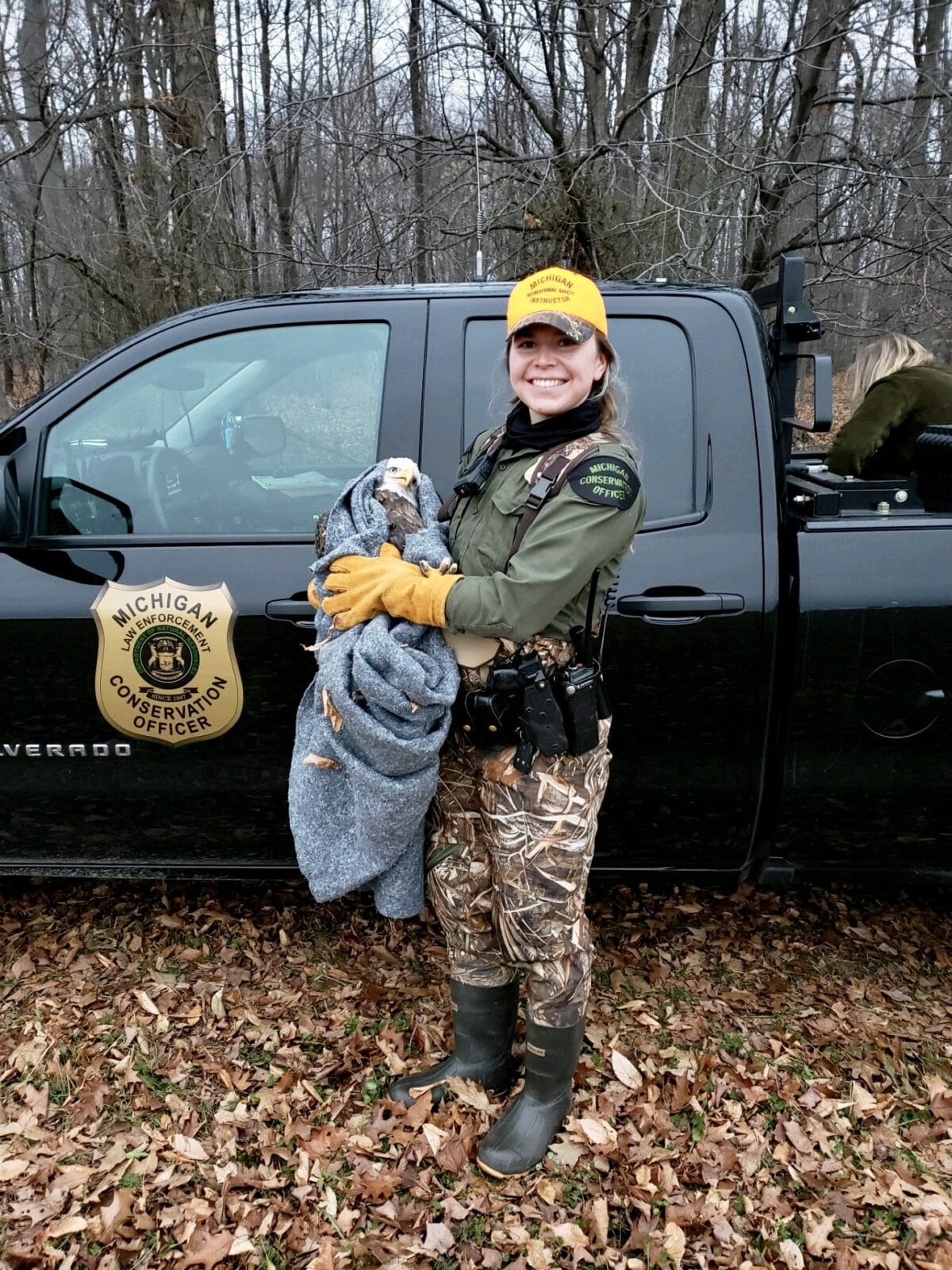
Wildlife crime is a serious offense, often involving complex networks and sophisticated methods. Game wardens are increasingly employing digital forensics techniques to dismantle these operations. This involves analyzing digital devices found on suspects, such as smartphones, computers, and GPS units, to uncover evidence of illegal activities. Data recovery from deleted files, examination of communication logs, geo-tagging analysis of photos, and tracing online transactions can reveal crucial links between perpetrators, illegal poaching operations, and the black market for wildlife products. The expertise in digital forensics helps wardens piece together fragmented clues, track down criminals who operate across jurisdictions, and build an irrefutable body of evidence for prosecution, thereby bringing sophisticated wildlife criminals to justice.
Technology in Wildlife Management and Conservation
Beyond enforcement, a significant part of “what game wardens do” involves active wildlife management and conservation. Technology plays a transformative role here, providing unprecedented insights into animal behavior, population dynamics, and ecosystem health, enabling more informed and effective conservation strategies.
Telemetry and Tracking Devices for Research and Protection
Understanding wildlife movement, habitat use, and migratory patterns is critical for effective conservation. Game wardens and associated biologists utilize advanced telemetry and tracking devices attached to animals. These can include GPS collars, satellite transmitters, and even very small microchips or ear tags. The data collected provides real-time or near-real-time information on an animal’s location, speed, and activity levels. This intelligence is invaluable for identifying critical habitats, assessing the impact of human development, monitoring endangered species, and detecting unusual patterns that might indicate illness or illegal interference. Such detailed insights allow wardens to protect vulnerable populations more effectively and manage natural resources based on scientific understanding rather than mere observation.
AI and Machine Learning for Predictive Analysis and Resource Allocation
The sheer volume of data collected by modern conservation efforts—from sensor networks to drone footage and citizen science reports—is immense. Artificial intelligence (AI) and machine learning (ML) algorithms are emerging as powerful tools to process and interpret this data. AI can analyze vast datasets to identify patterns that predict poaching hotspots, model disease spread in wildlife, or forecast the impact of climate change on specific ecosystems. For game wardens, this predictive analysis allows for proactive rather than reactive enforcement. By understanding where and when threats are most likely to occur, wardens can optimize patrol routes, deploy resources more efficiently, and intervene before illegal activities or ecological crises escalate. This shift towards intelligent, data-driven decision-making represents a significant leap forward in conservation strategy.
Public Engagement Platforms and Digital Education
While much of a game warden’s work occurs in the field, engaging with the public and educating communities is equally vital for fostering a culture of conservation. Technology facilitates this outreach through various digital platforms. Wardens use social media to share important updates, safety advisories, and success stories. They leverage interactive websites and mobile apps to provide information on hunting and fishing regulations, permit applications, and wildlife viewing opportunities. Online educational resources, including virtual field trips and interactive courses, help raise awareness about wildlife conservation among younger generations and the broader public. These digital tools expand the reach of conservation messages, making it easier for wardens to connect with communities, gather citizen input, and build public support for their critical mission.
Ensuring Digital Security in Law Enforcement Operations
In the increasingly connected digital landscape, the security of information and communication is paramount for game wardens. Their work often involves sensitive investigations, confidential informant data, and critical operational intelligence, making digital security a non-negotiable aspect of “what game wardens do.”
Protecting Sensitive Data and Operational Intelligence
Game warden agencies handle a vast amount of sensitive data, including personal information of license holders, details of ongoing investigations, intelligence on poaching rings, and locations of vulnerable wildlife. Protecting this data from unauthorized access, cyber threats, and breaches is critical. This involves implementing robust cybersecurity measures such as strong encryption for stored data and communications, secure cloud storage solutions, multi-factor authentication for access, and regular security audits. Any compromise of this data could jeopardize investigations, put informants at risk, or even reveal the whereabouts of protected species to criminals, undermining the entire conservation effort. Therefore, continuous investment in and adherence to stringent data security protocols are essential.
Secure Communication Protocols
The communication systems used by game wardens, whether digital radios, satellite phones, or mobile applications, must be secure to prevent eavesdropping or interception by criminals. Encrypted communication protocols are vital to ensure that operational plans, intelligence sharing, and real-time coordination remain confidential. In a profession where information leakage could mean the failure of an operation or danger to personnel, secure communication is not merely a convenience but a fundamental requirement. Training wardens on best practices for digital communication, identifying phishing attempts, and using secure devices forms a crucial part of their ongoing professional development, safeguarding both their operations and the integrity of justice.
Conclusion
The role of a game warden has evolved dramatically, propelled by advancements in technology. “What game wardens do” today is a complex tapestry woven with traditional law enforcement principles and cutting-edge digital capabilities. From the rugged GPS devices guiding them through dense forests to the sophisticated AI predicting poaching patterns, technology has become an indispensable partner in their mission. It enhances their efficiency, broadens their investigative reach, strengthens their conservation efforts, and ensures their safety in the field. As technology continues to advance, so too will the capabilities of these guardians of our natural world, reinforcing their vital role in protecting wildlife and wild places for future generations. The modern game warden stands as a testament to how traditional professions can embrace innovation to achieve their enduring and essential goals.
aViewFromTheCave is a participant in the Amazon Services LLC Associates Program, an affiliate advertising program designed to provide a means for sites to earn advertising fees by advertising and linking to Amazon.com. Amazon, the Amazon logo, AmazonSupply, and the AmazonSupply logo are trademarks of Amazon.com, Inc. or its affiliates. As an Amazon Associate we earn affiliate commissions from qualifying purchases.