
The question, “What game is Marth from?” might seem straightforward to veteran Nintendo fans, but for those venturing into the expansive universe of gaming, particularly the Super Smash Bros. series, it can be a gateway to a rich history and a surprisingly influential franchise. Marth, the elegant and heroic prince, is more than just a fighter in a popular crossover game; he is a character with deep roots in a legendary series that has shaped the landscape of Japanese role-playing games. This exploration will delve into Marth’s origins, tracing his lineage back to his debut title, examining the enduring appeal of his home series, and understanding how his presence in other games has solidified his status as a significant figure in Nintendo’s pantheon.
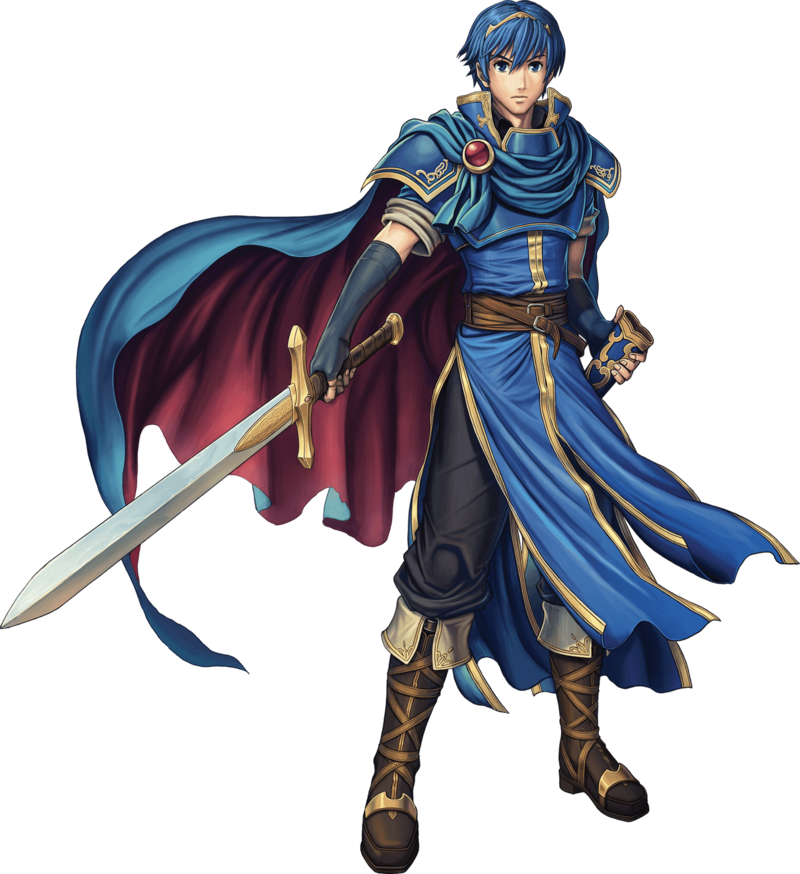
The Genesis of a Hero: Fire Emblem: Shadow Dragon and the Blade of Light
Marth’s story begins not in the arenas of Super Smash Bros., but on the humble Nintendo Famicom. His very first appearance was in the groundbreaking role-playing game, Fire Emblem: Shadow Dragon and the Blade of Light, released in Japan on April 20, 1990. This title marked the inception of the Fire Emblem series, a franchise renowned for its strategic gameplay, intricate storytelling, and often challenging difficulty.
A Legacy Forged in Strategy and Narrative
Developed by Intelligent Systems and published by Nintendo, Fire Emblem: Shadow Dragon and the Blade of Light introduced players to the continent of Archanea, a land rife with political turmoil and ancient prophecies. Marth, the prince of the kingdom of Altea, finds himself thrust into a desperate struggle against the tyrannical Dolhr Empire and its dark emperor, Medeus. Orphaned and on the run, Marth embarks on a quest to reclaim his throne, rally allies, and ultimately defeat the forces of evil.
The gameplay of Shadow Dragon and the Blade of Light established the core mechanics that would define the Fire Emblem series for decades to come. Players command armies of diverse units, each with unique classes, weapons, and abilities. Battles unfold on a grid-based map, demanding careful positioning, resource management, and strategic deployment of troops. A defining characteristic of the Fire Emblem series, and present from its very inception, is permadeath. When a unit falls in battle, they are gone forever, adding a layer of consequence and tension to every decision. This feature, while initially daunting, fostered a deep connection between players and their units, making each victory feel earned and each loss profoundly impactful.
Marth’s Role and Significance
In Shadow Dragon and the Blade of Light, Marth is not merely a player-controlled avatar but a central narrative figure. He is the protagonist, the embodiment of hope and leadership for the resistance. Players guide him through perilous battles, engaging with a cast of memorable characters who join his cause, each with their own motivations and backstories. The game’s narrative, while relatively simple by modern RPG standards, laid the groundwork for the complex political intrigue, personal sacrifices, and epic sagas that would become hallmarks of the Fire Emblem franchise. Marth’s journey of growth, from a young prince in exile to a seasoned warrior and eventual king, is a core element of his character and a testament to the series’ focus on character development.
The game’s difficulty was also a significant factor in its reception. Shadow Dragon and the Blade of Light was challenging, requiring players to meticulously plan their moves and learn from their mistakes. This difficulty, coupled with the permadeath system, created a rewarding experience for those who persevered, cementing the Fire Emblem series’ reputation as a thoughtful and demanding strategy RPG.
The Expanding Universe of Fire Emblem
Following the success of Shadow Dragon and the Blade of Light, the Fire Emblem series continued to expand, primarily within Japan for many years. Each new installment introduced new continents, characters, and interwoven narratives, all while refining the core gameplay mechanics. Marth, however, remained a pivotal figure, often appearing in sequels or as a recurring legend within the ongoing lore of Archanea and its surrounding lands.
Echoes of the Past: Marth in Subsequent Titles
Marth’s presence in the Fire Emblem universe is not confined to his debut. He features prominently in Fire Emblem: Shadow Dragon, a remake of the original Famicom game released for the Nintendo DS in 2008. This remake brought the classic story and characters to a new generation of players with updated graphics and gameplay enhancements. Furthermore, Marth’s lineage and the events of his original adventure are often referenced and woven into the narratives of later Fire Emblem titles, such as Fire Emblem: Awakening and Fire Emblem: Three Houses, solidifying his place as a foundational hero within the franchise’s overarching lore. He is not just a character; he is a historical cornerstone, a figure whose actions and sacrifices resonate through the centuries of the Fire Emblem world.
The Global Reach of Fire Emblem
For a long time, the Fire Emblem series remained a niche franchise, largely exclusive to the Japanese market. However, the tides began to turn with the Western release of Fire Emblem: The Blazing Blade for the Game Boy Advance in 2003. This title, often simply referred to as “Fire Emblem” in its Western debut, introduced many international players to the series’ unique blend of strategy and character-driven storytelling. It was a critical success and paved the way for subsequent global releases, gradually building a dedicated international fanbase. Marth, while not the protagonist of The Blazing Blade, was a recognizable figure from the series’ past, and his association with the franchise contributed to its growing recognition.
Marth’s Leap into the Spotlight: Super Smash Bros. and Global Recognition
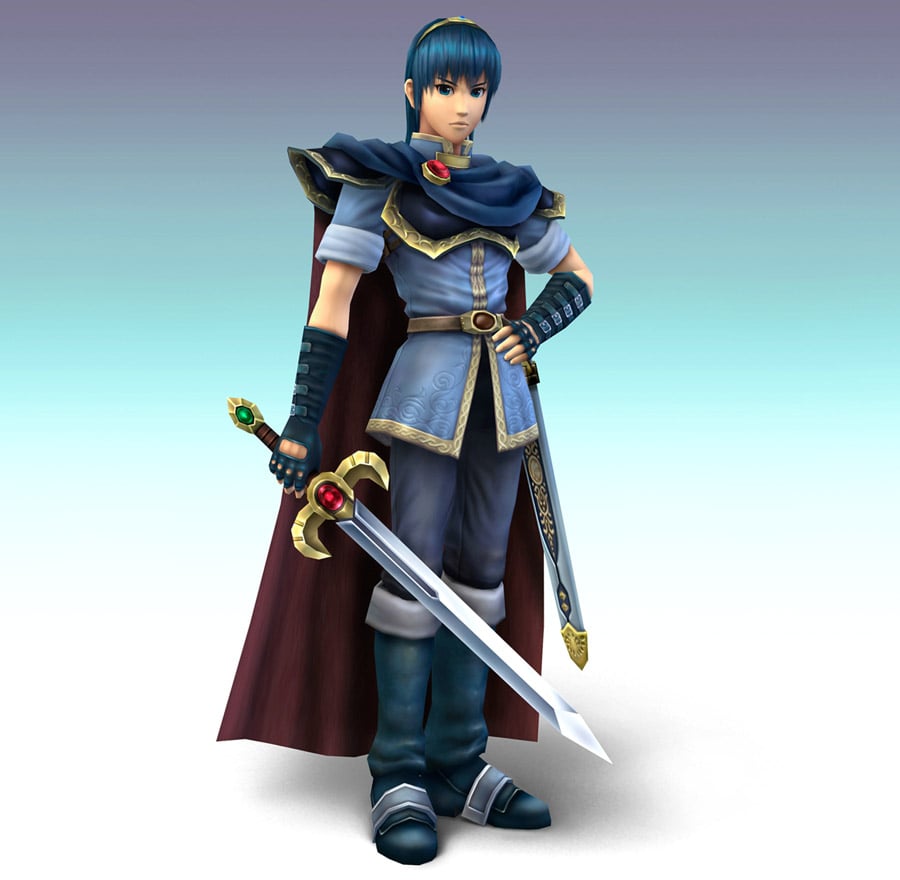
While the Fire Emblem series diligently cultivated its fanbase, it was Marth’s inclusion in the Super Smash Bros. series that truly catapulted him into global gaming consciousness. His debut in Super Smash Bros. Melee for the Nintendo GameCube in 2001 marked a significant turning point, not only for the character himself but also for the Fire Emblem franchise’s international exposure.
A Fighting Game Debut for a Strategy Hero
When Super Smash Bros. Melee was released, the Fire Emblem series had yet to officially debut in the West. Marth, alongside Roy, another Fire Emblem character, were unlockable fighters in the game. Their inclusion was a deliberate effort by the developers to introduce these characters and their series to a broader audience. Marth’s fighting style in Super Smash Bros. Melee was distinct: graceful, swift, and reliant on precise timing. His swordplay, characterized by its unique “tipper” mechanic where the tip of his blade dealt more damage, distinguished him from other sword-wielding characters and quickly made him a favorite among skilled players.
The Ripple Effect: Popularizing Fire Emblem Worldwide
Marth’s success in Super Smash Bros. Melee and subsequent installments had a profound impact on the Fire Emblem franchise. The immense popularity of the Smash Bros. series meant that millions of players who might have never encountered Fire Emblem were now being introduced to its characters, including Marth. This newfound global awareness directly contributed to the decision to localize future Fire Emblem titles for Western markets, starting with Fire Emblem: The Blazing Blade on GBA and continuing with every main series entry thereafter.
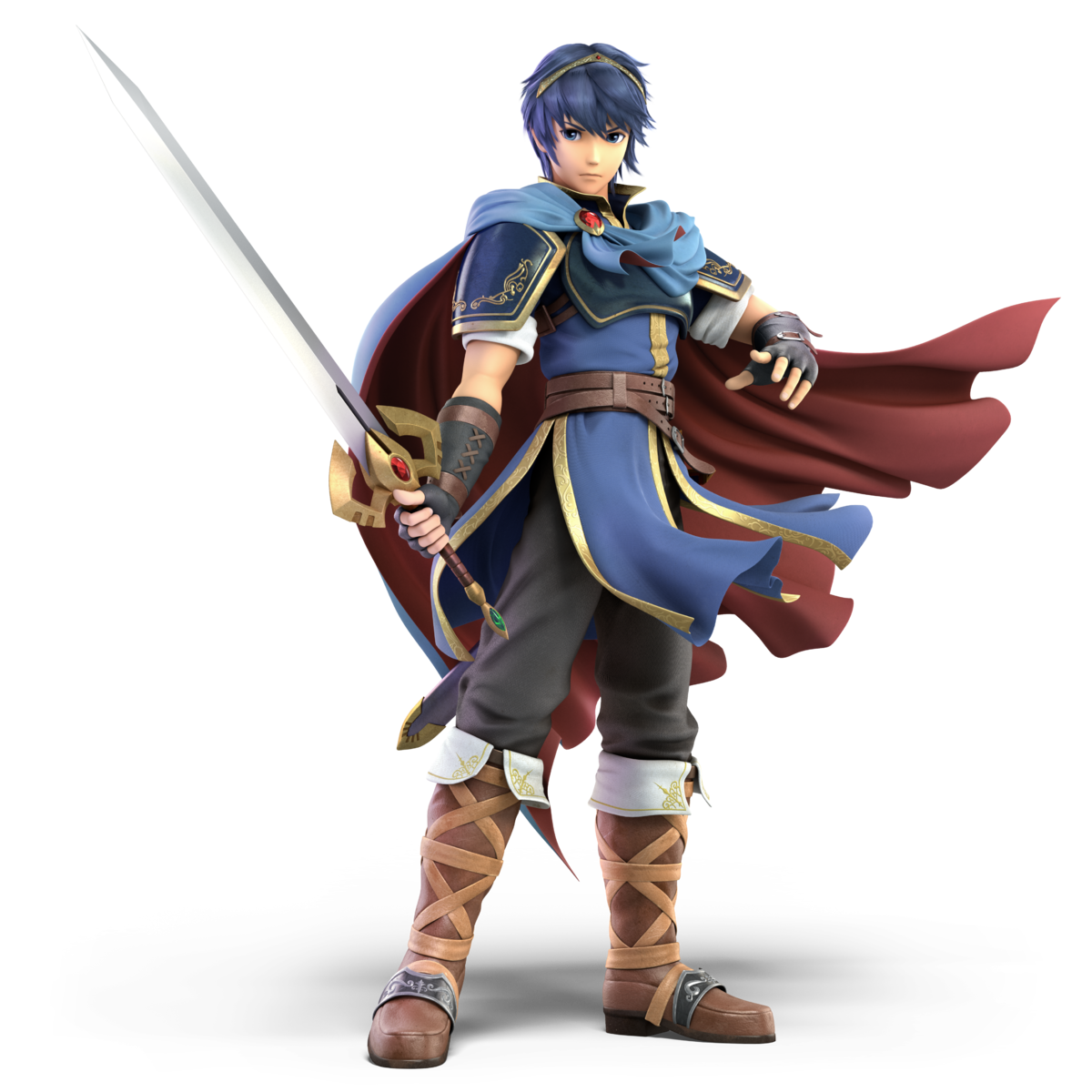
Marth has since become a staple in the Super Smash Bros. roster, appearing in Super Smash Bros. Brawl, Super Smash Bros. for Nintendo 3DS and Wii U, and most recently, Super Smash Bros. Ultimate. Each appearance has further cemented his status as an iconic Nintendo character, recognized by gamers across various genres and platforms. His presence in Smash Bros. is a testament to his enduring appeal and the strategic depth of the Fire Emblem series he represents.
The Enduring Legacy of Prince Marth
From his humble beginnings on the Famicom to his status as a beloved fighter in one of Nintendo’s most popular crossover franchises, Marth’s journey is a remarkable one. He is more than just a character; he is a symbol of the Fire Emblem series’ rich history, its strategic gameplay, and its compelling narratives.
A Symbol of Strategic Depth and Heroic Valor
Marth’s identity is intrinsically linked to the core tenets of the Fire Emblem series: strategic warfare, character development, and heroic sacrifice. His origins in Fire Emblem: Shadow Dragon and the Blade of Light established him as a leader and a symbol of hope against overwhelming odds. The challenging nature of his debut game and its subsequent refinements have fostered a dedicated fanbase that appreciates the thoughtful gameplay and intricate storytelling Fire Emblem offers.
Marth’s Influence on the Gaming Landscape
The impact of Marth and the Fire Emblem series extends beyond their own dedicated titles. The introduction of Marth to a global audience through Super Smash Bros. played a crucial role in bringing the Fire Emblem franchise to the international stage, influencing the decisions of game developers and publishers regarding localization and the recognition of niche genres. He stands as a prime example of how characters introduced in one genre can transcend their origins and become beloved figures in entirely different gaming experiences. Ultimately, the answer to “What game is Marth from?” opens a door to a legacy of strategic brilliance and heroic storytelling that continues to captivate players worldwide.
aViewFromTheCave is a participant in the Amazon Services LLC Associates Program, an affiliate advertising program designed to provide a means for sites to earn advertising fees by advertising and linking to Amazon.com. Amazon, the Amazon logo, AmazonSupply, and the AmazonSupply logo are trademarks of Amazon.com, Inc. or its affiliates. As an Amazon Associate we earn affiliate commissions from qualifying purchases.