
The entertainment landscape is no longer defined by geographic borders, but by the portability of intellectual property (IP). When ABC announced its new procedural dramedy, High Potential, the industry immediately looked toward its origins: the French phenomenon HPI: Haut Potentiel Intellectuel. This transition represents more than a simple translation of dialogue; it is a masterclass in global brand strategy, cultural localization, and the scaling of a creative product across diverse markets.
In an era where content is the ultimate currency, the “brand” of a television show must be resilient enough to survive adaptation while remaining distinct enough to capture a local audience. By analyzing how High Potential was derived from its French predecessor, we can uncover the strategic blueprint used by media conglomerates to minimize risk and maximize brand equity through international IP acquisition.
The Anatomy of a Global Brand Export: From HPI to High Potential
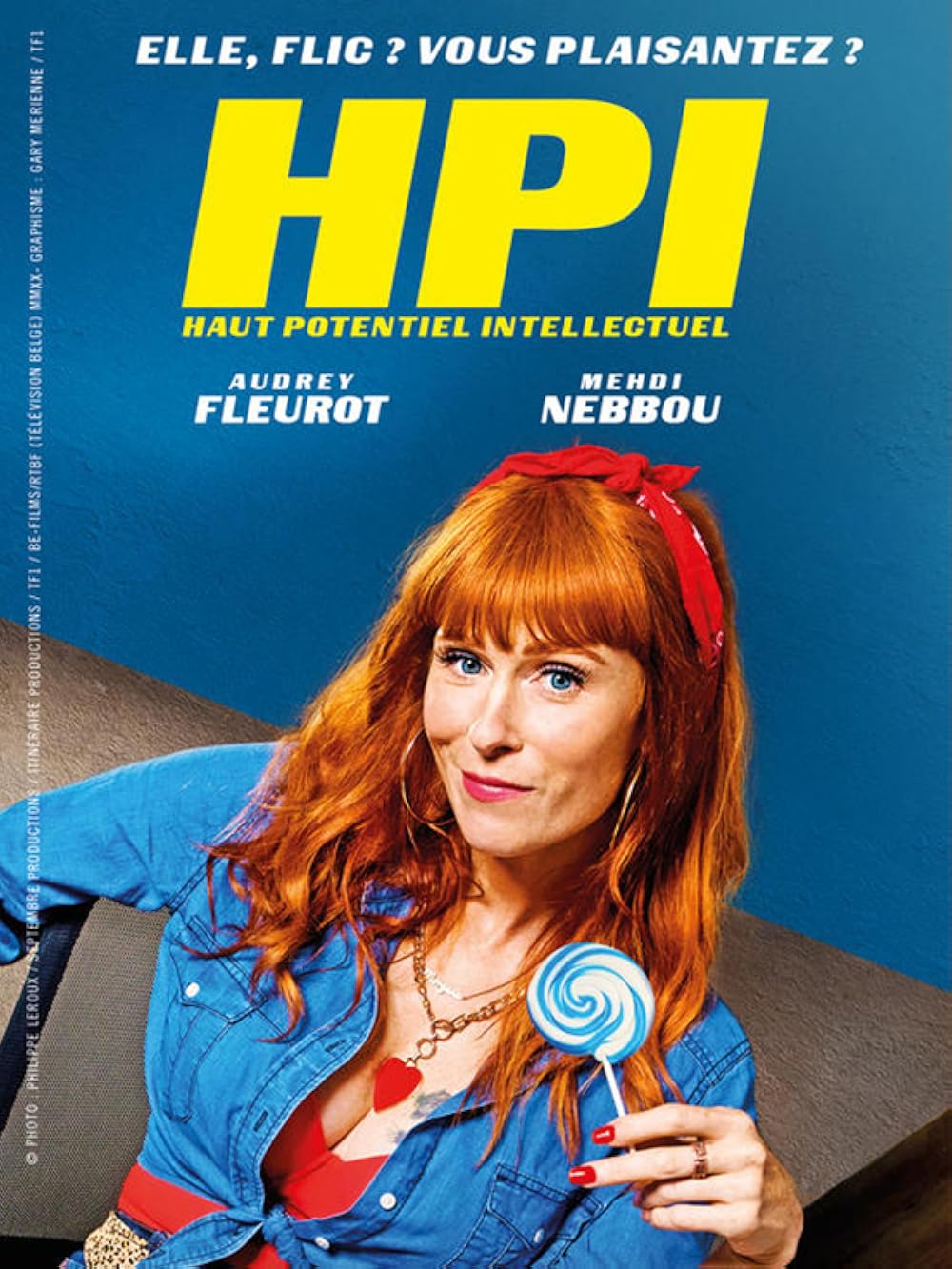
The journey of High Potential begins with the massive success of HPI in France. Launched on TF1 in 2021, the show shattered viewership records, proving that the “unconventional genius” archetype still held significant market value if packaged with a fresh, vibrant aesthetic. For a brand to be eligible for global export, it must possess a “sticky” core concept—in this case, a single mother with an exceptionally high IQ working as a cleaner who becomes a consultant for the police.
Identifying the Core Intellectual Property
At the heart of any successful brand adaptation is the identification of its “Minimum Viable IP.” For HPI, this wasn’t just the plot, but the specific brand persona of the protagonist, Morgane Alvaro. The brand identity of the show was built on a juxtaposition: high-level intellectual rigor met with a chaotic, working-class aesthetic. This contrast created a unique visual and emotional brand language that stood out in a sea of gray, gritty police procedurals. When Disney (through ABC) looked to adapt this, they weren’t just buying scripts; they were buying a proven brand architecture that had already demonstrated high engagement across European demographics.
The Power of French Creative Exports in the Global Market
Historically, the United States has been a primary exporter of media brands. However, the last decade has seen a reversal of this trend, with “Euro-noir” and French creative properties becoming highly sought-after commodities. HPI represented a shift in the French media brand from niche arthouse cinema to high-gloss, high-velocity commercial entertainment. By successfully branding “High Potential” as a relatable yet extraordinary trait, the original creators provided a template that could be easily pitched to American network executives looking for a “Blue Ocean” strategy—finding a space in the market that is currently uncontested or underserved.
Strategic Localization: Rebranding the “Genius” Narrative for American Audiences
When a brand moves from one territory to another, it must undergo a process of localization. This is similar to how a global corporation like McDonald’s or Coca-Cola adjusts its flavor profiles or marketing messaging to suit local tastes while keeping the core brand recognizable. For High Potential, this meant taking the French “High Potential Intellectual” (HPI) concept and reframing it within the American cultural context.
Cultural Nuance and Brand Alignment
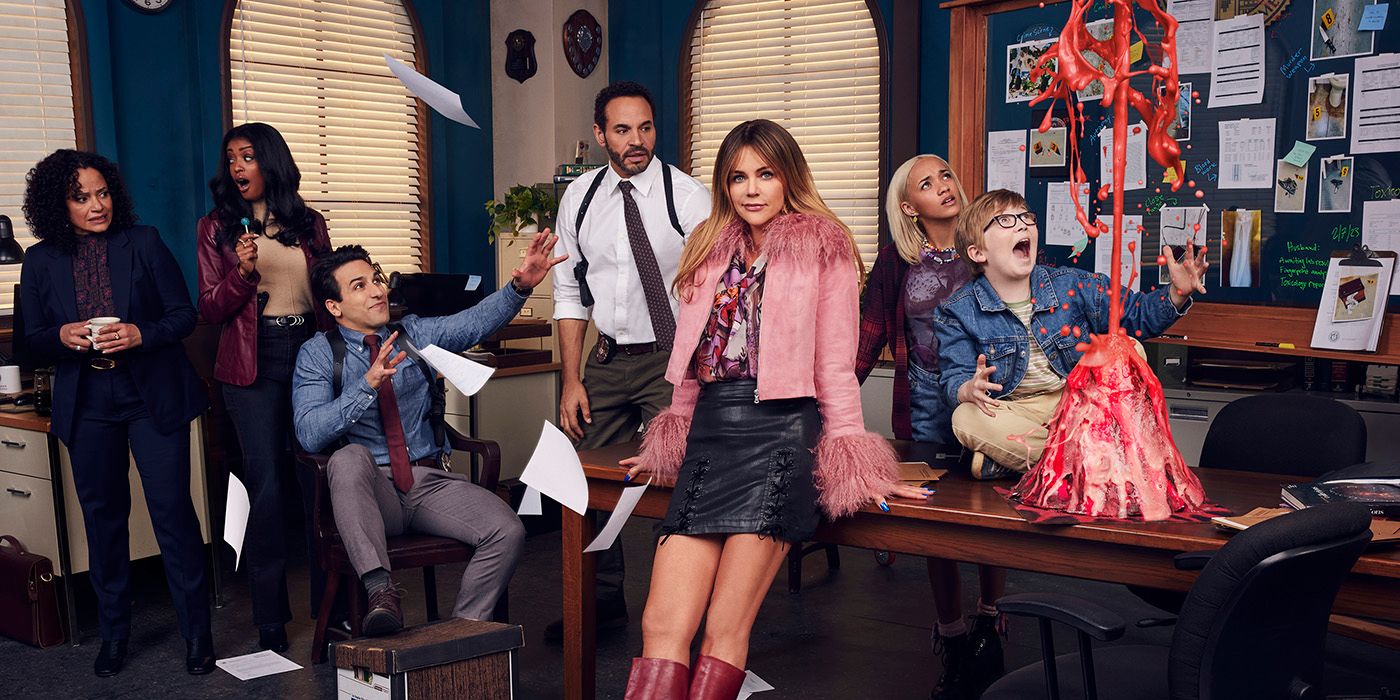
In France, the character of Morgane Alvaro is a critique of social structures and a celebration of the “systemic outsider.” For the American audience, the brand of High Potential (starring Kaitlin Olson as Morgan Gillory) was recalibrated to emphasize the “American Dream” of upward mobility and the recognition of untapped talent. The branding shifted slightly from social defiance to individual empowerment. This alignment is crucial for brand resonance; if the character felt too “foreign” in her motivations, the American audience would fail to form a brand connection, leading to low retention rates.
Casting as a Brand Statement: The Kaitlin Olson Effect
In the world of personal branding and media, casting is perhaps the most significant brand statement a network can make. By casting Kaitlin Olson, ABC made a strategic decision to align the High Potential brand with Olson’s existing brand equity—which is defined by sharp comedic timing, physical humor, and a “lovable mess” persona established in It’s Always Sunny in Philadelphia. This move signaled to the market that High Potential would be more comedic and irreverent than a standard procedural, effectively “borrowing” Olson’s brand authority to establish the new show’s identity quickly.
Scaling the Franchise: The Economics of Proven Concepts
From a brand management perspective, adapting HPI into High Potential is an exercise in risk mitigation. In the volatile world of television, launching a new brand from scratch is an expensive gamble. By utilizing a “proven concept,” networks can leverage existing data points to predict success, essentially treated the show as a franchise expansion rather than a new startup.
Risk Mitigation through Established IP
When a brand like HPI has already succeeded in dozens of international markets (the original has been sold to over 100 territories), the data suggests that the core value proposition is universal. For ABC, this reduces the “brand friction” associated with introducing a new character to the public. They are not testing a hypothesis; they are executing a localized version of a confirmed success. This is a common strategy in brand portfolio management: invest in assets with a high “Success Probability Score” to balance out more experimental ventures.
Multi-Market Saturation: A Case Study in Brand Portability
The branding of High Potential also benefits from what is known as “Global Brand Synergy.” As the American version gains traction, it creates a feedback loop that increases the value of the original French brand and other international iterations (such as those in Greece or Hungary). This creates a global brand ecosystem where the IP becomes more valuable with every localized version. For the parent company, this is the ultimate goal of brand scaling: creating a self-sustaining loop of intellectual property that generates revenue across multiple cultural touchpoints simultaneously.
Building a Sustainable Media Brand in the Streaming Era
In the modern attention economy, a brand cannot survive on broadcast television alone. It must exist as a multi-platform entity. The transition of High Potential from a French concept to an American flagship involves a sophisticated digital brand strategy designed to capture audiences across linear TV, streaming platforms (like Hulu and Disney+), and social media.
Cross-Platform Synergy and Digital Engagement
The branding of High Potential extends beyond the 42-minute episodes. The digital strategy involves creating “snackable” content that highlights the protagonist’s “genius moments,” which are highly shareable on platforms like TikTok and Instagram. This builds a secondary brand identity as an educational or “smart” show, appealing to the “infotainment” trend in digital marketing. By branding the show as not just entertainment, but a look into the mechanics of a high-functioning mind, the marketing team creates multiple entry points for different consumer segments.

The Future of Cross-Border Brand Adaptations
The success of the High Potential brand transition signals a new era in global media branding. We are moving toward a “Borderless Brand” model, where the origin of the IP is secondary to its adaptability. As long as a story possesses a clear brand promise—in this case, “extraordinary insight hidden in ordinary life”—it can be packaged and sold anywhere in the world. This trend will likely lead to more aggressive scouting of international “brand gems” by major US networks, turning the global TV market into a giant exchange of localized intellectual property.
In conclusion, High Potential is more than just a remake of a French show; it is a sophisticated rebranding project that demonstrates the power of global IP. By maintaining the core brand essence of the original HPI while strategically localizing the narrative, casting, and marketing for the American market, the creators have built a resilient media brand. This process highlights the critical importance of brand strategy in the creative industries, proving that a well-defined identity is the most valuable asset a piece of content can possess in the global marketplace.
aViewFromTheCave is a participant in the Amazon Services LLC Associates Program, an affiliate advertising program designed to provide a means for sites to earn advertising fees by advertising and linking to Amazon.com. Amazon, the Amazon logo, AmazonSupply, and the AmazonSupply logo are trademarks of Amazon.com, Inc. or its affiliates. As an Amazon Associate we earn affiliate commissions from qualifying purchases.