
In the realm of landscape design and garden management, the persistent presence of deer can transform a carefully cultivated paradise into a source of frustration. The desire for lush, vibrant flower beds is often met with the disheartening reality of nibbled petals and denuded stems. For homeowners and landscape architects alike, the question isn’t just about aesthetics; it’s about establishing and maintaining a desired brand for their outdoor spaces. A garden’s “brand” encompasses its visual appeal, its perceived value, and the emotional response it evokes. Deer damage directly undermines this brand, signaling neglect, disarray, and a lack of thoughtful planning. Therefore, understanding which flowers possess a natural resistance to deer is not merely a horticultural pursuit; it’s a strategic approach to brand management for your property.
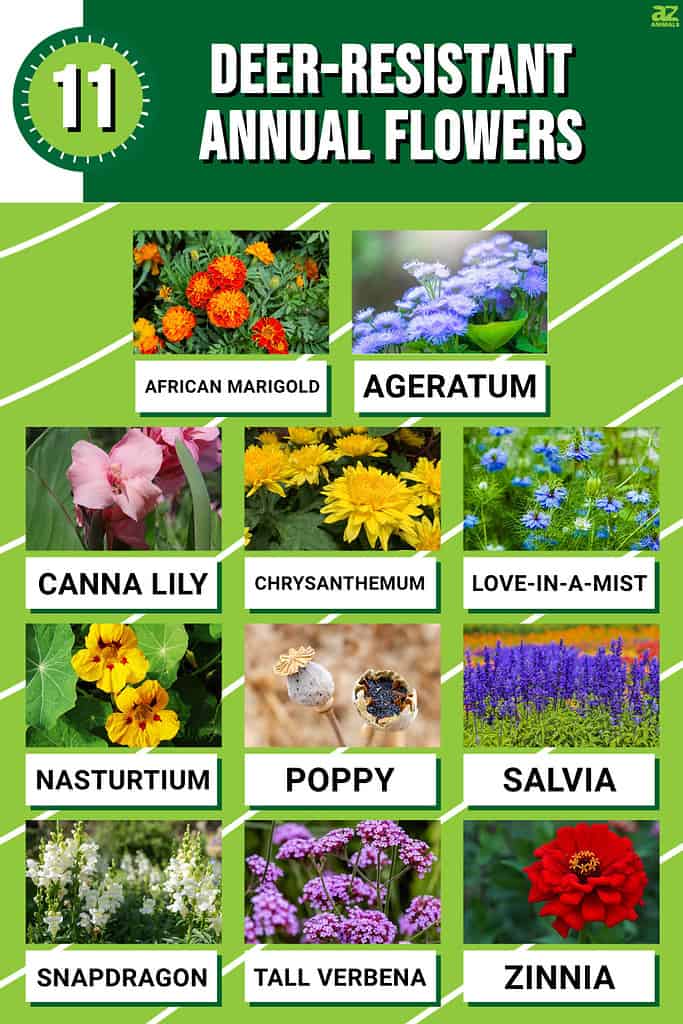
This exploration delves into the art and science of selecting floral varieties that can withstand the attention of hungry herbivores, thereby preserving and enhancing the intended brand of your landscape. We will examine the characteristics that make certain plants unappealing to deer and provide a comprehensive guide to cultivating a beautiful, resilient garden that tells the story you want it to tell.
Understanding Deer Feeding Habits: The Foundation of a Resilient Landscape Brand
Before we can effectively choose deer-resistant flowers, it’s crucial to understand the underlying principles that influence a deer’s dietary choices. This knowledge forms the bedrock of a successful strategy to protect your garden’s brand. Deer are opportunistic foragers, and their preferences are shaped by a combination of factors, including scent, texture, taste, and toxicity. By understanding these preferences, we can make informed decisions that align with our desired landscape brand.
The Olfactory Appeal: Scent as a Deterrent
Deer possess a highly developed sense of smell, which they heavily rely on for identifying food sources and detecting danger. Many plants that are unappealing to deer possess strong, often pungent or aromatic, scents. This scent can be off-putting, masking the plant’s desirability as a food source or, in some cases, signaling potential toxicity or bitterness.
- Aromatic Herbs: Many common culinary herbs, like lavender, rosemary, mint, and sage, are remarkably deer-resistant. Their strong fragrances are often too overpowering for deer to overcome their initial interest. Incorporating these into your garden not only adds olfactory interest for humans but also creates a natural barrier against browsing. This contributes to a brand of an aromatic, welcoming, yet protected space.
- Fragrant Foliage: Beyond herbs, numerous flowering plants boast fragrant foliage. Plants like bee balm (Monarda), catmint (Nepeta), and certain varieties of ornamental grasses release volatile oils when their leaves are disturbed, creating an aroma that deer tend to avoid. This adds a layer of sensory sophistication to your garden’s brand, appealing to a discerning eye and nose.
Tactile Defenses: Texture and Toughness
The physical characteristics of a plant play a significant role in its appeal, or lack thereof, to deer. Plants with rough, fuzzy, or prickly textures are generally less palatable. Deer prefer tender, succulent growth, and encountering a mouthful of tough, leathery, or irritating foliage is an unpleasant experience they are likely to remember. This resilience in texture contributes to a brand of robustness and enduring beauty.
- Fuzzy and Velvety Leaves: Plants like Lamb’s Ear (Stachys byzantina) are a classic example. Their thick, soft, woolly leaves are unappealing to deer. Similarly, some salvias and echinaceas (coneflowers) with slightly fuzzy leaves often fare better than their smoother-leaved counterparts. The tactile experience for the deer is not one of tender satisfaction.
- Prickly and Thorny Defenses: While less common in purely ornamental flowers, some plants employ thorns or sharp edges as a deterrent. Roses, while often a deer favorite, can sometimes be less browsed if they are particularly thorny varieties. However, this is not a foolproof method, and the inherent desirability of rose blooms often outweighs the spiky inconvenience for hungry deer. The brand here is one of subtle strength and inherent defense.
Chemical Warfare: Bitter or Toxic Compounds
Some plants contain naturally occurring compounds that make them taste bitter, unpleasant, or even mildly toxic to deer. While deer are not typically deterred by highly poisonous plants, they will often avoid those with a distinctly bad taste or that cause minor digestive upset. This intrinsic protection contributes to a brand of natural fortitude and self-sufficiency.
- The Unpalatable Palette: Plants like Bleeding Hearts (Dicentra spectabilis), while beautiful, contain compounds that make them unappealing. Likewise, Foxgloves (Digitalis purpurea) are known for their toxicity and are generally left alone by deer. Including such plants in your garden can be a strategic move to deter browsing without resorting to artificial repellents.
- Irritants and Sap: Plants with milky sap, such as Poppies (Papaver), can also be less attractive. The sap can be sticky and irritating to a deer’s mouth. The brand conveyed by such plants is one of delicate beauty with an underlying, natural resilience.
Strategic Plant Selection: Building a Deer-Proof Landscape Brand
Understanding the ‘why’ behind deer’s preferences allows us to move beyond simply avoiding the most commonly eaten plants and to proactively select varieties that will contribute positively to our garden’s overall brand. A deer-resistant garden doesn’t have to be a monotonous one; it can be a diverse and visually stunning testament to thoughtful design.
The Resilient Classics: Time-Tested Deer-Resistant Blooms
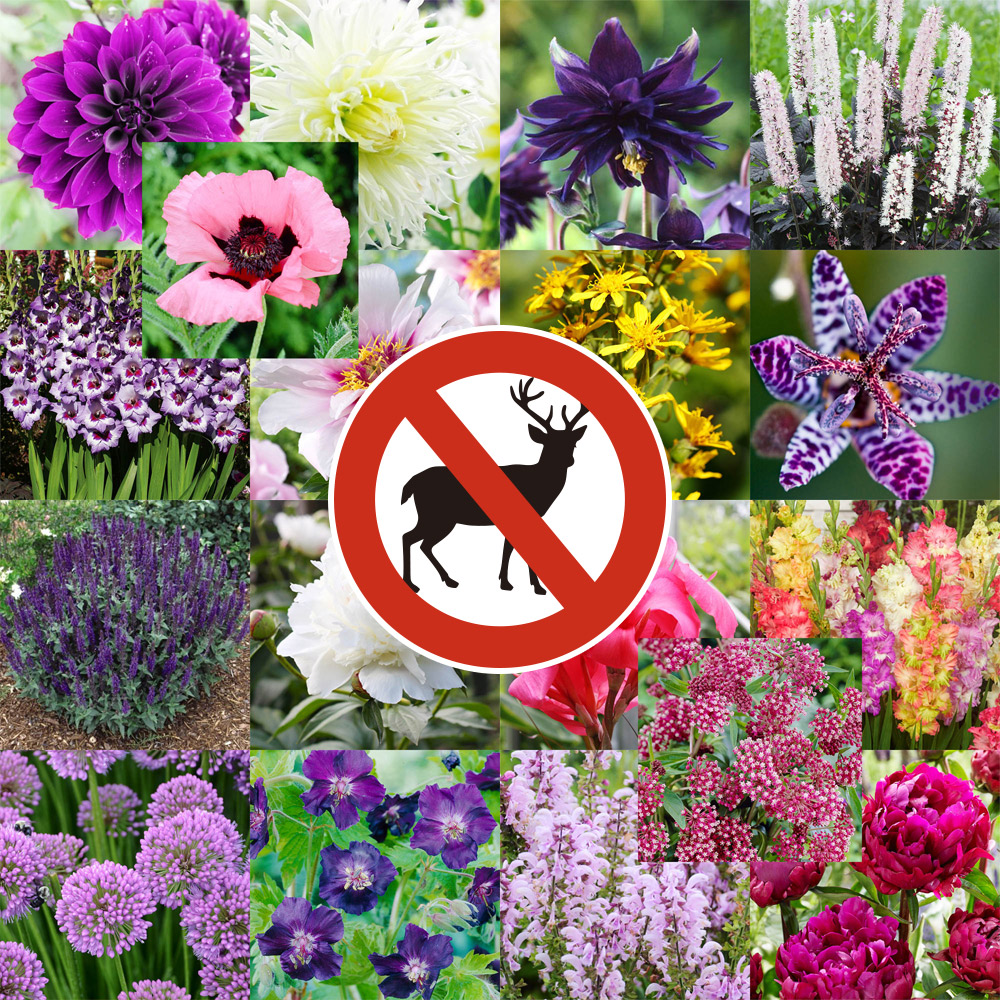
Certain flowers have earned their reputation as deer-resistant staples. Their consistent performance in areas with high deer populations makes them invaluable for establishing a reliable and attractive garden brand. These are the workhorses that form the backbone of a deer-proof landscape.
-
Perennials for Enduring Appeal:
- Astilbe: Known for its feathery plumes and preference for shade, Astilbe is generally avoided by deer due to its somewhat coarse texture. Its delicate appearance belies its resilience, contributing to a brand of understated elegance.
- Columbine (Aquilegia): The intricate, spurred flowers and somewhat bitter foliage of Columbine make it a less desirable meal. Its unique blooms add a touch of whimsy and sophistication to any garden brand.
- Daylilies (Hemerocallis): While some varieties can be browsed, many daylilies, particularly those with stronger scents or coarser foliage, tend to be overlooked. Their prolific blooming and diverse colors make them a popular choice for adding vibrant splashes to a landscape brand.
- Peonies (Paeonia): Their large, lush blooms are highly attractive, but deer generally steer clear of peonies, likely due to their tougher foliage and potentially bitter taste. The luxuriousness of peonies contributes to a brand of opulence and enduring beauty.
- Poppies (Papaver): As mentioned, their milky sap and delicate nature, combined with potential bitterness, make them less appealing. Their ephemeral beauty adds an artistic and romantic element to a garden brand.
-
Annuals for Seasonal Panache:
- Begonias: With their waxy leaves and vibrant colors, begonias are surprisingly deer-resistant. They offer a continuous show of blooms throughout the season, enhancing a brand of consistent vibrancy.
- Impatiens: Similar to begonias, their smooth, succulent leaves are not typically favored by deer. They thrive in shady spots, adding pops of color and contributing to a brand of cheerful accessibility.
- Marigolds (Tagetes): The strong, pungent scent of marigolds is a well-known deterrent. Their bright, cheerful blooms are a cost-effective way to add a sunny disposition to any garden brand.
Embracing the Aromatic Advantage: Scent-Forward Selections
Leveraging the power of scent is one of the most effective and aesthetically pleasing strategies for creating a deer-resistant landscape. By integrating plants with strong fragrances, you can create an olfactory barrier that dissuades deer while delighting human visitors. This contributes to a brand of sensory richness and sophisticated planning.
-
Herbal All-Stars:
- Lavender (Lavandula): Its iconic fragrance and beautiful purple spikes make it a garden favorite. Deer find the strong scent and woody stems unappealing. Lavender contributes a brand of tranquility, Mediterranean charm, and aromatic elegance.
- Rosemary (Rosmarinus officinalis): This evergreen herb boasts a powerful pine-like aroma that deer actively avoid. It’s not only deer-resistant but also adds a touch of culinary sophistication and a year-round green presence to the garden brand.
- Mint (Mentha spp.): Known for its vigorous growth and intense fragrance, mint is best planted in containers to prevent it from taking over. Its strong scent is a powerful deer deterrent, adding an invigorating element to the garden brand.
- Sage (Salvia officinalis and ornamental varieties): Many types of sage, with their fuzzy leaves and aromatic qualities, are highly resistant to deer. They offer a range of colors and textures, enhancing a brand of natural, robust beauty.
-
Fragrant Flowers for a Deeper Olfactory Appeal:
- Bee Balm (Monarda): With its distinctive, aromatic foliage and unique, tubular flowers, bee balm is a magnet for pollinators but not for deer. It adds a wild, naturalistic element to a garden brand.
- Catmint (Nepeta): Similar to lavender, catmint offers a strong, minty aroma and masses of small, often blue or purple flowers. Its low-maintenance nature and deer resistance contribute to a brand of effortless beauty.
- Daffodils (Narcissus): While not typically considered a “flower bed” flower in the same vein as roses, daffodils are a crucial spring addition. They contain lycorine, a compound that is toxic to deer, making them one of the most reliably deer-resistant spring bulbs. Their cheerful yellow blooms signal the return of spring and contribute to a brand of hopeful renewal.
Beyond Plant Choice: Complementary Strategies for a Fortified Landscape Brand
While selecting deer-resistant flowers is paramount, it’s important to recognize that no strategy is 100% foolproof, especially in areas with high deer populations and limited food sources. To truly fortify your garden’s brand and ensure its long-term appeal, consider integrating complementary strategies that work in conjunction with your plant choices. These layered approaches reinforce the message of a well-maintained and valued property.
The Power of Placement: Strategic Garden Design
Where you plant your flowers can significantly influence whether they become a target. Deer are creatures of habit and often prefer to graze in areas that offer cover and easy access. Thoughtful placement can create a natural deterrent.
- Visible and Exposed Areas: Planting highly desirable, but unprotected, plants in highly visible areas of your yard can sometimes deter deer. They are more hesitant to graze in open spaces where they feel exposed to predators or human activity. This strategy uses the “brand” of an observed and cared-for space to deter unwelcome visitors.
- Proximity to Human Activity: Gardens located close to the house or frequently used patios are often less targeted. The constant human presence acts as a deterrent, reinforcing the brand of a cultivated and occupied space.
- Natural Barriers: Utilizing existing natural barriers such as dense shrubs, fences, or water features can help channel deer away from your prized flower beds. This integrates the garden’s brand with the surrounding environment, creating a harmonious and protected ecosystem.
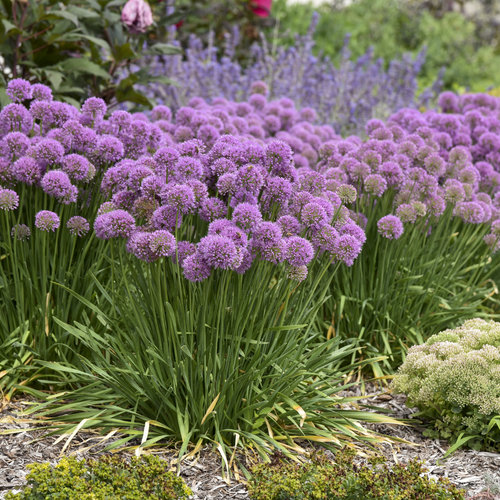
Repellents and Barriers: The Last Line of Defense
When deer pressure is exceptionally high, or when you are introducing particularly vulnerable but desirable plants, supplemental measures may be necessary. These act as an additional layer of protection, reinforcing the brand of diligent care and investment.
- Scent and Taste Repellents: A variety of commercial and homemade repellents utilize scents (like rotten eggs or predator urine) or tastes (like bittering agents) to deter deer. Regular application is key, as their effectiveness can diminish with rain or over time.
- Physical Barriers: Fencing is the most effective, albeit often the most expensive, method. Even short, strategically placed fencing around specific beds can make a significant difference. Netting or chicken wire can also be used to protect individual plants or smaller garden areas. The presence of physical barriers clearly communicates a brand of protection and investment.
- Companion Planting for Protection: While not a direct repellent, interplanting deer-resistant flowers with more susceptible varieties can sometimes confuse deer or make them less inclined to investigate further. This strategy builds a brand of integrated, intelligent garden design.
In conclusion, creating a garden that is both beautiful and deer-resistant is an achievable goal. By understanding deer behavior, strategically selecting plants with inherent resistance, and employing complementary protective measures, you can cultivate a landscape that not only withstands the challenges of nature but also effectively communicates your desired brand – one of enduring beauty, thoughtful design, and a sanctuary for the senses. The flowers you choose are not just decorative elements; they are active participants in shaping the narrative and the lasting impression of your outdoor haven.
aViewFromTheCave is a participant in the Amazon Services LLC Associates Program, an affiliate advertising program designed to provide a means for sites to earn advertising fees by advertising and linking to Amazon.com. Amazon, the Amazon logo, AmazonSupply, and the AmazonSupply logo are trademarks of Amazon.com, Inc. or its affiliates. As an Amazon Associate we earn affiliate commissions from qualifying purchases.