
The question “what flavor is Twizzlers” transcends a simple ingredient list; it delves into the very core of brand identity, strategic marketing, and the intricate psychology of consumer perception. For decades, the iconic red licorice twist has presented a fascinating case study in how a brand can build enduring loyalty and recognition around a product whose primary flavor profile is both distinct and, for many, subtly ambiguous. This ambiguity is not a weakness but a testament to sophisticated brand management, turning a seemingly simple candy into a cultural touchstone with a flavor that is more experience than mere taste.

The Enigmatic Taste Profile: A Foundation of Brand Identity
Twizzlers, specifically the original red twists, occupy a unique space in the confectionery world. Unlike candies that clearly emulate a specific fruit—strawberry, cherry, grape—the “red Twizzlers flavor” is often described as a category unto itself. While the official stance from The Hershey Company, Twizzlers’ parent brand, often leans towards strawberry or cherry, many consumers articulate a distinct “Twizzlers flavor” that exists outside strict fruit categorization. This divergence between official designation and consumer experience is a powerful brand phenomenon.
Beyond Simple Sweetness: Deconstructing the “Red Licorice” Phenomenon
The phrase “red licorice” itself is a branding marvel. True black licorice derives its characteristic anise flavor from licorice root extract. Red licorice, however, contains no licorice root. It is an entirely different product, sharing only the “licorice” nomenclature due to its similar twisted shape and chewy texture. This historical naming convention has created a unique flavor expectation that diverges sharply from actual ingredients. The core Twizzlers flavor is a complex blend of sweetness, a hint of tartness, and a synthetic fruity note that, while reminiscent of strawberry or cherry, is distinctly its own. This synthetic quality is not a detractor but a crucial component of its brand identity, evoking a specific sense of nostalgia and distinctiveness that pure, natural fruit flavors might not achieve. The chewy, somewhat waxy texture further contributes to the overall sensory experience, making the act of eating a Twizzler as much about the mouthfeel and aroma as it is about the taste itself. This multi-sensory engagement is meticulously crafted to ensure the brand’s flavor profile is instantly recognizable and deeply ingrained in consumer memory.
The Role of Artificiality in Cultivating a Unique Flavor DNA
In an era increasingly focused on natural ingredients, Twizzlers stands as a testament to the power of a well-executed artificial flavor profile. The precise blend of artificial flavors, sweeteners, and colorants creates a consistent, replicable taste experience that is impervious to seasonal variations in fruit quality or supply chain fluctuations. This consistency is a cornerstone of brand trust. Consumers know exactly what to expect when they reach for a Twizzlers package, and that reliability reinforces brand loyalty. Furthermore, the very “artificiality” contributes to its distinctiveness. It’s not trying to perfectly mimic a natural fruit; instead, it offers a heightened, almost fantastical version of “red fruitiness” that exists solely within the brand’s universe. This unique flavor DNA, far from being a compromise, is a deliberate brand choice that has fostered a singular identity in a crowded market. It’s a flavor that stands apart, instantly identifiable, and intrinsically linked to the Twizzlers brand, demonstrating that a carefully constructed artificial profile can be a formidable brand asset.
Marketing the Ambiguous: Strategic Communication of an Iconic Flavor
The Hershey Company’s marketing strategy for Twizzlers is a masterclass in leveraging a product’s unique characteristics, including its somewhat ambiguous flavor, to build a powerful brand narrative. Instead of explicitly stating a singular fruit flavor, campaigns often lean into the experience of eating Twizzlers – the pull-and-peel fun, the chewy satisfaction, and the general “redness” and sweetness. This approach allows consumers to project their own taste perceptions onto the product, fostering a more personal connection.
Visual Cues and Color Psychology: Reinforcing Brand Perception
Color plays an indispensable role in communicating the Twizzlers brand identity and, by extension, its flavor. The vibrant, almost hyper-real red of the original Twizzlers twist is instantly recognizable and deeply embedded in the brand’s visual language. Red, in marketing, is associated with energy, excitement, passion, and, crucially for candy, sweetness and fruitiness. This potent color cues consumers to expect a lively, sugary, and fruit-adjacent taste without needing to explicitly name a specific fruit. Packaging design consistently leverages this bold red, often juxtaposed with the stark white of the brand logo, creating a high-contrast, impactful visual that cuts through shelf clutter. The visual representation of the product—the iconic twisted shape and smooth, glossy finish—also communicates a sense of playful indulgence that is intrinsically linked to the flavor experience. This strong visual branding ensures that even before a consumer tastes a Twizzler, their brain has already processed a powerful set of expectations about its flavor and overall brand personality.
Advertising Narratives: Building Desire Around a Distinctive Experience
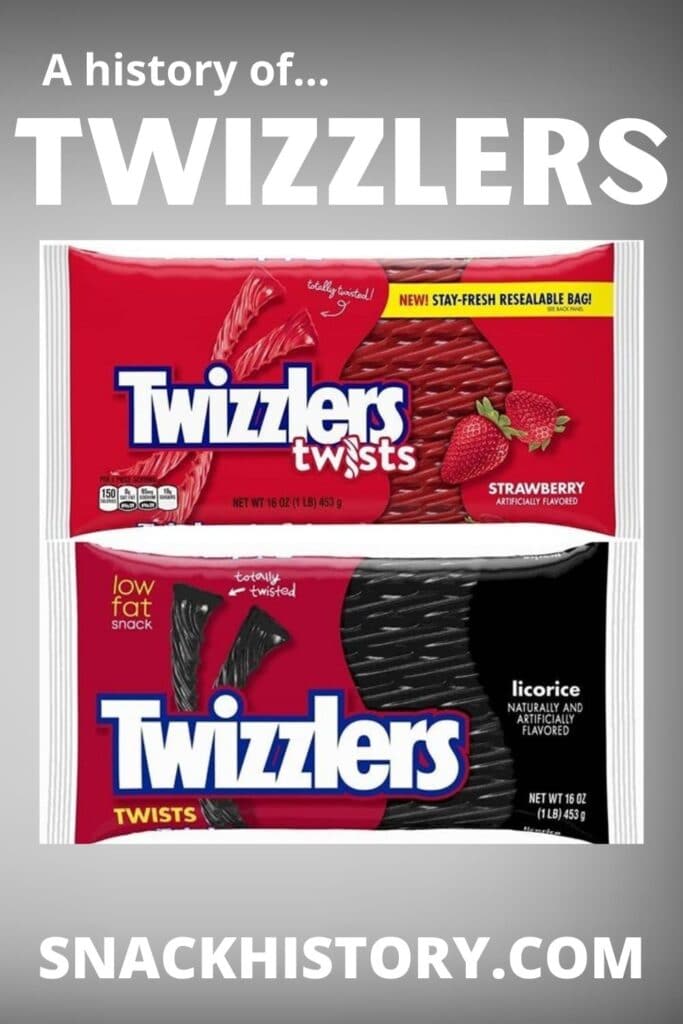
Twizzlers advertising campaigns rarely get bogged down in dissecting specific flavor notes. Instead, they focus on the joy, the fun, and the shared experience of consuming the candy. Slogans like “Twizzlers, the ‘twist’ you can’t resist!” or visuals depicting people playfully unraveling the Pull-n-Peel variety highlight the interactive and social aspects of the product. The focus shifts from “what fruit is this?” to “what memorable moment can I have with this candy?” This strategy is highly effective because it creates an emotional connection to the brand, where the flavor becomes an integral, yet not solely defined, part of a larger positive association. By emphasizing the distinctiveness of the product’s form and the playful consumption rituals, Twizzlers implicitly communicates that its flavor is unique and integral to the overall brand experience, rather than just another generic fruit candy. This narrative approach allows the brand to own its distinctive flavor profile without having to pin it down to a single, potentially limiting, fruit.
Consumer Perception and Brand Loyalty: The Power of Distinctiveness
The sustained popularity of Twizzlers, despite its often-debated flavor, is a powerful indicator of how distinctiveness—even ambiguity—can foster fervent brand loyalty. Consumers don’t just buy Twizzlers for a specific taste; they buy into an experience, a memory, and a unique product that stands out from the competition.
Nostalgia, Habit, and the Comfort of the Familiar
For many, the flavor of Twizzlers is inextricably linked to childhood memories, movie theater visits, or road trips. This deep well of nostalgia is a potent driver of repeat purchases and brand loyalty. The taste, whatever a consumer might precisely identify it as, becomes a comforting constant—a predictable pleasure in an unpredictable world. This habitual consumption is a significant asset for the brand. Once a consumer develops a preference for the “Twizzlers flavor,” they are likely to stick with it, even if they occasionally indulge in other confections. The familiarity of the taste, combined with the distinctive texture and vibrant color, creates a powerful sensory signature that triggers positive associations and reinforces the brand’s position as a classic, reliable treat. Brands that successfully tap into nostalgia often build a deeply entrenched market presence that is difficult for competitors to dislodge, simply because they offer more than just a product; they offer a return to cherished moments.
The “Love-It-or-Hate-It” Dichotomy as a Branding Asset
Interestingly, the fact that Twizzlers’ flavor can evoke strong opinions—some adore it, others find it peculiar—can actually be a branding strength. Products that inspire a “love-it-or-hate-it” response often generate more conversation, more social media buzz, and a stronger sense of community among their fans. This polarizing effect inadvertently acts as a filter, creating a loyal, self-selecting audience who passionately champion the brand. For these devotees, the unique flavor isn’t a flaw; it’s a badge of honor, a defining characteristic that sets their preferred candy apart. This contrasts sharply with brands that strive for universal appeal and often end up bland or forgettable. Twizzlers’ willingness to own its distinct flavor, rather than dilute it, has cultivated a fiercely loyal segment of the market, proving that authenticity, even in its most unusual forms, can be a powerful driver of brand affinity.
Flavor Innovation and Brand Extension: Expanding the Twizzlers Universe
While the original red twist remains the cornerstone, Twizzlers has demonstrated astute brand management through strategic flavor innovation and line extensions. This expansion has allowed the brand to capture new market segments and maintain relevance while meticulously preserving the core identity that defines its original offering.
Diversifying the Portfolio While Preserving Core Identity
The introduction of new Twizzlers flavors—such as cherry, grape, watermelon, and even chocolate—represents a careful balancing act. Each new flavor must resonate with the brand’s playful, chewy identity while offering enough novelty to attract new consumers. Importantly, these new flavors often adhere to the same principles of distinctiveness and consistency that define the original. They are often vibrant, slightly artificial, and perfectly integrated into the Twizzlers’ signature texture and form. For instance, the “Pull-n-Peel” variations, regardless of flavor, still embody the interactive fun associated with the brand. This strategy ensures that while the flavor palette expands, the fundamental brand promise of a fun, chewy, and unique candy experience remains intact. It’s about evolving the brand without losing its essence, demonstrating a deep understanding of what makes Twizzlers, “Twizzlers.”

Listening to the Market: The Evolution of Twizzlers’ Flavor Offerings
Successful brand extension relies heavily on market intelligence and consumer feedback. Twizzlers’ introduction of diverse flavors and product formats (e.g., Bites, Nibs) suggests an ongoing effort to understand evolving consumer tastes and preferences. By offering a range of options, from intensely sweet to more tart, the brand caters to a wider demographic while allowing consumers to explore the Twizzlers universe beyond the iconic red twist. However, the core identity is never overshadowed; the original red Twizzlers consistently remains the benchmark against which all new flavors are measured, a testament to its enduring legacy. This responsiveness to market trends, coupled with an unwavering commitment to its core brand attributes, ensures Twizzlers remains a dynamic and beloved brand, constantly reinforcing the unique “flavor” experience it promises.
aViewFromTheCave is a participant in the Amazon Services LLC Associates Program, an affiliate advertising program designed to provide a means for sites to earn advertising fees by advertising and linking to Amazon.com. Amazon, the Amazon logo, AmazonSupply, and the AmazonSupply logo are trademarks of Amazon.com, Inc. or its affiliates. As an Amazon Associate we earn affiliate commissions from qualifying purchases.