
The seemingly simple question of which finger traditionally hosts the wedding ring belies a complex and fascinating tapestry woven from centuries of cultural traditions, historical beliefs, and evolving societal norms. Beyond a mere personal adornment, the wedding ring finger has become a globally recognized symbol of commitment, marital status, and individual identity. Its placement, while often standardized within specific cultures, also offers a canvas for personal expression and a reflection of broader societal values. Understanding the provenance and variations of this tradition allows us to appreciate the profound ways in which material objects become imbued with symbolic meaning, shaping how we present ourselves and are perceived by others within the intricate landscape of personal and societal branding.
The Ancient Origins and Enduring Symbolism of the Ring Finger
The tradition of wearing a wedding ring on a specific finger is deeply rooted in history, with various theories attempting to explain its origin. These historical narratives, though sometimes debated, have significantly influenced the enduring symbolism associated with this practice, forming a cornerstone of marital branding across generations.
The Vein of Love: Myth and Modernity
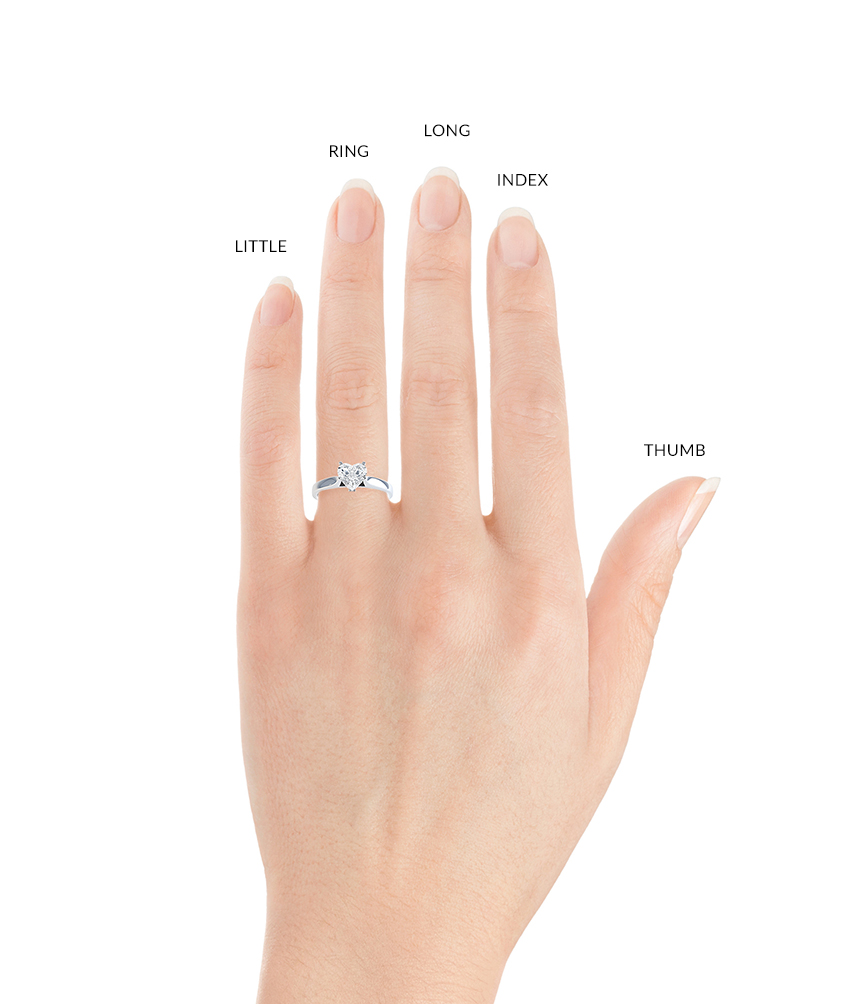
One of the most romantic and widely cited explanations for the ring’s placement on the fourth finger of the left hand traces back to ancient Roman beliefs. It was thought that a specific vein, the “vena amoris” or “vein of love,” ran directly from this finger to the heart. While modern anatomy has debunked this physiological notion, the idea of a direct connection to the heart has powerfully cemented the left ring finger as the primary site for this profound symbol of love and commitment. This romanticized origin story has become a potent element in the personal brand of marriage, conveying deep emotional connection and an unyielding bond. Even as scientific understanding has progressed, the cultural narrative of the vena amoris continues to influence marital branding, lending an air of timeless romance to the tradition. It’s a testament to the power of deeply ingrained stories in shaping our understanding of significant life events and their associated symbols.
Early Christian Influence and the Hand of Blessing
While the Romans may have originated the concept of the vena amoris, early Christian traditions also played a significant role in solidifying the practice. In some early Christian wedding ceremonies, the priest would touch the bride’s ring finger three times during the nuptial blessing, signifying the Holy Trinity. This religious context further amplified the sanctity and importance of the ring and its designated finger, reinforcing its role as a marker of a divinely sanctioned union. The adoption of this tradition by a major global religion lent it immense authority and widespread acceptance, transforming the ring finger into a universally recognized symbol within Christian cultures and beyond. This religious branding of the wedding ring imbued it with a sense of sacredness, further elevating its significance in the individual’s and couple’s social identity.
The Practicality of Protection: A Subtle but Significant Factor
Beyond the romantic and religious interpretations, a more pragmatic consideration may have also influenced the choice of the ring finger. The fourth finger on the left hand, being less dominant than the right hand for most individuals, is generally less exposed to the rigors of daily tasks and potential hazards. This reduced exposure would have been particularly relevant in historical contexts where manual labor was prevalent. A ring worn on a less frequently used finger would be less likely to be scratched, damaged, or lost, ensuring its longevity as a symbol of commitment. While not as emotionally charged as the vena amoris, this practical aspect of protection contributed to the ring’s sustained visibility and symbolic efficacy, subtly reinforcing its importance as a durable marker of marital status and a component of one’s personal brand.
Global Variations: A Mosaic of Cultural Meanings and Branding Choices
While the left ring finger is the most common placement in Western cultures, a fascinating array of variations exists across the globe. These differences are not arbitrary but are deeply embedded in distinct cultural histories, religious practices, and evolving societal interpretations, each contributing to a unique cultural “brand” of marriage.
East Meets West: The Right Hand’s Embrace
In many Eastern European countries, such as Russia, Poland, Germany, and Austria, as well as in some parts of Latin America, the wedding ring is traditionally worn on the fourth finger of the right hand. This divergence is often attributed to historical influences, with some theories suggesting a connection to older pagan traditions or a deliberate distinction from Western Christian practices. Regardless of the precise origin, this right-hand placement signifies a distinct cultural branding of marital commitment. For individuals from these regions, wearing the ring on the right hand is an immediate visual cue that connects them to their heritage and cultural identity, acting as a subtle yet powerful element of their personal brand within a globalized context. It underscores how even a seemingly minor detail can carry significant cultural weight and serve as a marker of belonging.
Asian Traditions: Diverse Approaches to Symbolism
In many Asian cultures, the concept of a singular, universally worn wedding ring is a more recent adoption, often influenced by Western traditions. However, where wedding rings are worn, or where traditional betrothal or marital tokens exist, the symbolism and placement can vary significantly. In some contexts, bracelets or other forms of adornment might serve the same symbolic purpose as a ring, worn on wrists or even ankles. In other cases, while a ring might be used, its placement might be a matter of personal preference or a reflection of contemporary fashion rather than strict historical precedent. This diversity highlights how different cultures construct their “brand” of marital union, utilizing a variety of symbols and practices to convey commitment, fidelity, and social status.
The Modern Evolution: Personal Choice and Dual Placement

In contemporary society, particularly in Western cultures, there’s a growing trend towards personalization and a willingness to deviate from strict traditional norms. This has led to a greater acceptance of couples choosing to wear their wedding rings on opposite hands, or for one partner to wear it on the left and the other on the right. Furthermore, some couples opt for “stacking” rings, where an engagement ring and wedding band are worn together on the same finger, or separate them for aesthetic or personal reasons. This evolution reflects a broader societal shift towards celebrating individual autonomy and the unique nature of each relationship. The “brand” of marriage becomes less about adhering to a rigid mold and more about expressing a personal narrative of love and commitment, allowing for creative expression in how marital status is publicly communicated. This adaptability ensures that the symbolism of the wedding ring continues to resonate in a modern world, evolving to suit individual needs and preferences.
Beyond the Finger: The Wedding Ring as a Multifaceted Brand Element
The wedding ring’s significance extends far beyond its physical placement. It functions as a powerful and multifaceted element of personal and societal branding, communicating a wealth of information about an individual’s status, values, and social connections.
A Mark of Marital Status: Clarity and Social Navigation
The most overt function of the wedding ring is to clearly signify that an individual is married. This visual cue plays a crucial role in social navigation, providing immediate clarity in various social interactions. For instance, it can influence how others perceive your availability for romantic pursuits, impacting potential social engagements and even professional networking. This clear demarcation of marital status is a fundamental aspect of personal branding, helping to establish social boundaries and manage expectations within interpersonal relationships. It’s a universally understood symbol that allows for quicker and more efficient social processing, contributing to a smoother navigation of social landscapes.
The Symbol of Commitment and Trust: Building Relational Brand Equity
Beyond mere status, the wedding ring is a potent symbol of commitment, fidelity, and trust within a marital relationship. It serves as a constant reminder to the wearer of their vows and their dedication to their partner, and to the outside world, it broadcasts the strength and stability of that bond. This “relational brand equity” is built over time through consistent demonstration of commitment and trust. The ring acts as a tangible representation of this accumulated equity, solidifying the couple’s identity as a united front. It communicates a narrative of shared journey, mutual support, and enduring partnership, which can influence how they are perceived by friends, family, and even within their professional communities.
Cultural Identity and Heritage: A Personal Narrative Woven In
For many, the wedding ring is not just a symbol of marital status but also a proud declaration of their cultural identity and heritage. The choice of a specific finger, the design of the ring itself, or the material used can all be deeply connected to ancestral traditions and cultural values. Wearing a ring on a particular finger, or adhering to specific customs surrounding its wearing, can be a way of honoring one’s roots and passing down cultural narratives to future generations. This aspect of the wedding ring contributes to a personal brand that is enriched by a sense of history and belonging, fostering connections to a larger community and shared cultural tapestry. It’s a way of weaving personal identity into a broader cultural narrative, reinforcing a sense of place and continuity.
The Future of the Ring Finger: Adapting Traditions in a Dynamic World
As societies evolve and technology advances, the traditions surrounding the wedding ring are also undergoing a transformation. While the fundamental symbolism of commitment remains, the ways in which this commitment is expressed and communicated are becoming increasingly diverse and personalized.
Technological Integration: Smart Rings and Digital Declarations
The rise of wearable technology has introduced new dimensions to the concept of the wedding ring. Smart rings, which can track health metrics, facilitate contactless payments, and even offer communication features, are beginning to incorporate elements of marital symbolism. Some smart rings can be linked to a partner’s device, allowing for subtle signals or shared digital experiences. While these may not entirely replace traditional rings, they represent a fascinating evolution, blending ancient traditions with modern innovation. This technological integration allows for a new form of relational branding, where digital connectivity and shared experiences become as significant as the physical symbol on the finger. It opens up possibilities for couples to express their connection in novel ways, reflecting a forward-looking approach to commitment.
Personalization and Inclusivity: Redefining Marital Branding
In an increasingly diverse and inclusive world, the concept of the wedding ring is being redefined to embrace a wider range of relationships and personal expressions. This includes same-sex couples who have embraced and adapted the tradition, as well as individuals who may choose not to wear a ring for personal or practical reasons. The focus is shifting from a rigid adherence to a singular norm to a celebration of individual choice and the unique narratives of each couple. This personalization allows for a more authentic and representative “brand” of marriage, one that reflects the complexities and beauty of modern relationships. The emphasis is on the meaning and intention behind the symbol, rather than solely on its traditional form or placement, ensuring the enduring relevance of marital symbolism in a dynamic world.
The Enduring Power of Symbolism: A Constant in a Changing Landscape
Despite the evolving landscape, the enduring power of the wedding ring as a symbol of love, commitment, and marital status remains undeniable. Whether worn on the left or right hand, a traditional band or a technologically advanced ring, its fundamental role in conveying a deep and significant bond persists. The “finger” on which it is worn may vary across cultures and evolve with time, but the message it carries – a declaration of partnership and a testament to shared life – continues to resonate profoundly, serving as a cornerstone of personal and relational branding in societies worldwide. The wedding ring, in its myriad forms and placements, stands as a timeless testament to the human desire for connection and the enduring significance of committed relationships.
aViewFromTheCave is a participant in the Amazon Services LLC Associates Program, an affiliate advertising program designed to provide a means for sites to earn advertising fees by advertising and linking to Amazon.com. Amazon, the Amazon logo, AmazonSupply, and the AmazonSupply logo are trademarks of Amazon.com, Inc. or its affiliates. As an Amazon Associate we earn affiliate commissions from qualifying purchases.