
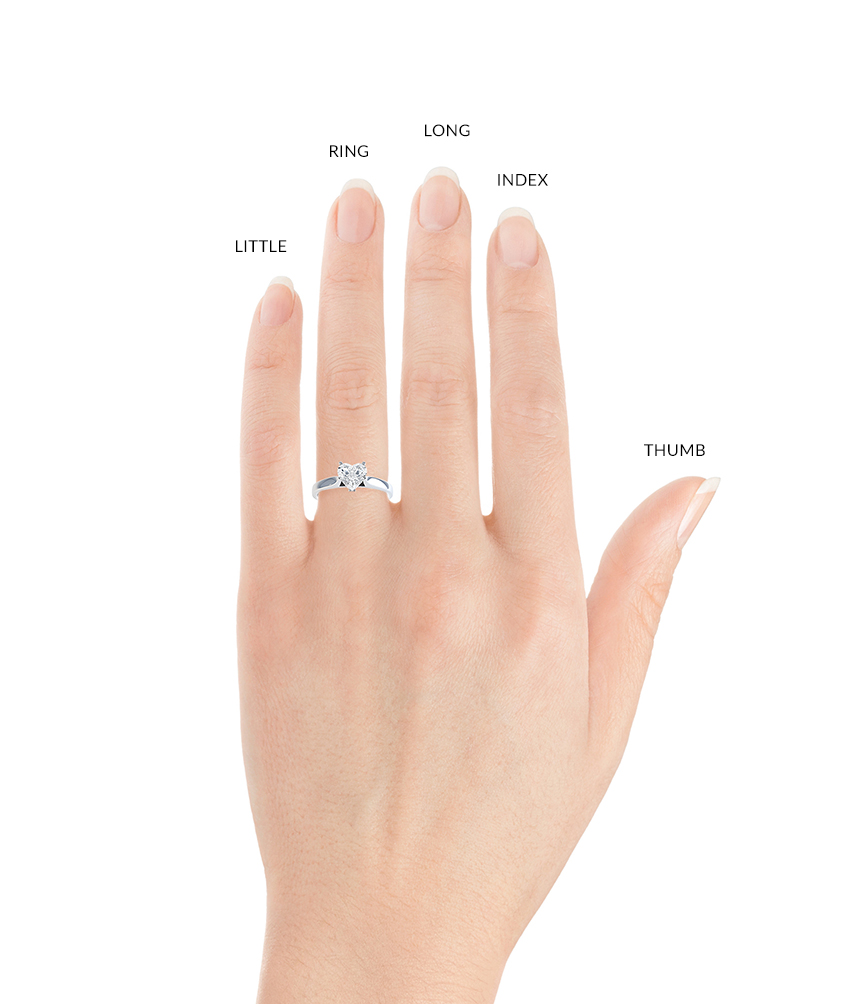
While the question “what finger does the engagement ring go on?” is usually answered by cultural tradition—the fourth finger of the left hand—the implications of that placement extend far beyond mere etiquette. From a financial perspective, the engagement ring represents one of the most significant discretionary capital outlays a consumer will make in their lifetime. It is a purchase where sentimentality meets significant financial risk, market volatility, and long-term asset management.
In this guide, we will explore the intersection of tradition and personal finance, examining how the “ring finger” became a symbol of economic status, how to navigate the budgeting process for this high-value asset, and whether jewelry can truly be considered a viable investment in a modern portfolio.

The Economic History of the Ring Finger: Tradition as a Marketing Asset
The placement of the engagement ring on the fourth finger of the left hand is historically rooted in the Vena Amoris (the vein of love), a belief that a vein ran directly from that finger to the heart. While biologically incorrect, this narrative provided the foundation for what would become one of the most successful marketing campaigns in human history. To understand the financial weight of the engagement ring, one must understand how branding turned a cultural custom into an economic mandate.
The Marketing Masterclass of the “Three Months’ Salary” Rule
The financial pressure associated with the ring finger is not an ancient tradition but a 20th-century construct. In the 1930s, De Beers launched a campaign to link diamonds with eternal love. More importantly, they established a financial benchmark: the “one month’s salary” rule, which later evolved into the “two months” and eventually “three months” salary expectation.
From a personal finance standpoint, this was a masterful piece of psychological engineering. By anchoring a luxury purchase to a specific percentage of annual income, the industry successfully removed the purchase from the realm of “discretionary spending” and placed it into a category of “socially mandated investment.” For the modern consumer, recognizing that this “rule” is a marketing tool rather than a financial law is the first step toward making a sound fiscal decision.
How Cultural Capital Influences Financial Outlay
The finger upon which the ring sits acts as a billboard for one’s perceived economic status. This concept, known as “conspicuous consumption,” suggests that the size and quality of the diamond are often used to signal financial stability to one’s social circle. However, from a wealth-building perspective, over-allocating capital into a depreciating luxury asset—merely for the sake of cultural capital—can hinder long-term financial goals such as home ownership or retirement contributions.
Budgeting and Asset Allocation for the Modern Proposer
Once the decision to purchase a ring has been made, the focus must shift to strategic financial planning. Placing a ring on a finger should not result in a decade of debt. Effective budgeting for this purchase requires an honest assessment of current cash flow, existing debt obligations, and future financial goals.
The Debt Trap: Avoiding High-Interest Jewelry Financing
One of the most dangerous financial moves a person can make is financing an engagement ring through high-interest store credit cards or personal loans. Jewelry stores often offer “0% interest for 12 months” deals, but these are fraught with “deferred interest” traps. If the balance is not paid in full by the end of the promotional period, interest is often back-dated to the original purchase date at rates exceeding 25%.
From a wealth-management perspective, if you cannot afford to pay for the ring in cash or within a very short, interest-free window that you are 100% certain to meet, you are likely overextending yourself. Financial advisors generally recommend that luxury purchases should never compromise your emergency fund or your 401(k) contributions.
Sinking Funds and Strategic Saving for Luxury Purchases
The most fiscally responsible way to approach the “ring finger” investment is through a sinking fund. A sinking fund is a strategic savings category where you set aside a specific amount of money each month toward a predetermined goal.
For example, if the goal is a $6,000 ring in 12 months, a monthly allocation of $500 into a High-Yield Savings Account (HYSA) allows you to earn interest on your capital while you shop. This approach ensures that by the time you are ready to place the ring on your partner’s finger, the asset is fully owned, and your net worth hasn’t been decimated by interest payments.
The Investment Value of Diamonds vs. Alternative Stones
A common misconception is that an engagement ring is an “investment” in the same way a stock or a piece of real estate is. In reality, the secondary market for diamonds is notoriously illiquid. Understanding the difference between a “store of value” and an “investment asset” is vital for any high-net-worth individual or savvy budgeter.
Resale Realities: Is a Diamond Really an Asset?
When you walk out of a jewelry store, the “investment” on that finger typically loses 30% to 50% of its value instantly. This is due to the “retail-to-wholesale” spread. Most consumers buy at retail prices (which include high markups for marketing, staffing, and storefront overhead) but can only sell back at wholesale prices.
While certain rare, high-carat, or “investment-grade” diamonds may appreciate over decades, the average engagement ring is a depreciating luxury good. Therefore, the purchase should be viewed as a “sunk cost” rather than a liquid asset that can be used for future financial leverage.
Lab-Grown vs. Natural: The Cost-Benefit Analysis
The most significant shift in the jewelry market in recent years is the rise of lab-grown diamonds. From a chemistry and physics standpoint, they are identical to mined diamonds. From a financial standpoint, they represent a massive opportunity for cost savings.
Lab-grown diamonds typically cost 60% to 80% less than their mined counterparts. For a couple focused on “FIRE” (Financial Independence, Retire Early) or aggressive investing, choosing a lab-grown diamond allows them to place a beautiful stone on the ring finger while redirecting thousands of dollars into an S&P 500 index fund or a down payment on a property. The “opportunity cost” of a mined diamond is the future compound interest you lose by spending more than necessary on a decorative asset.
Insuring the Investment: Protecting Your High-Value Asset
Once the ring is on the finger, it becomes a physical liability. Because an engagement ring is portable, high-value, and easily lost, protecting its financial value is a non-negotiable step in the process.
Appraisal Best Practices for Financial Security
Before the ring is even worn, it must be professionally appraised by a certified gemologist (GIA or AGS standards). This appraisal provides the legal and financial documentation required to prove the value of the asset. In the world of finance, an un-appraised ring is a ghost asset; you cannot claim its value in the event of a loss unless you have a documented valuation that reflects current market replacement costs.
Understanding Riders and Personal Property Insurance
Most standard renters or homeowners insurance policies have a “sub-limit” for jewelry, often capped at $1,000 or $1,500. If the ring on your finger is worth $5,000 or $10,000, your basic policy will not cover its full value in the event of theft or loss.
A savvy financial move is to purchase a “Scheduled Personal Property” rider or a standalone jewelry insurance policy. These typically cost 1% to 2% of the ring’s value annually. While it is an ongoing expense, it protects your initial capital outlay against “mysterious disappearance,” which is a common occurrence with rings. From a risk management perspective, paying $100 a year to protect a $10,000 asset is a rational and necessary hedge.
Conclusion: Balancing Sentiment with Fiscal Responsibility
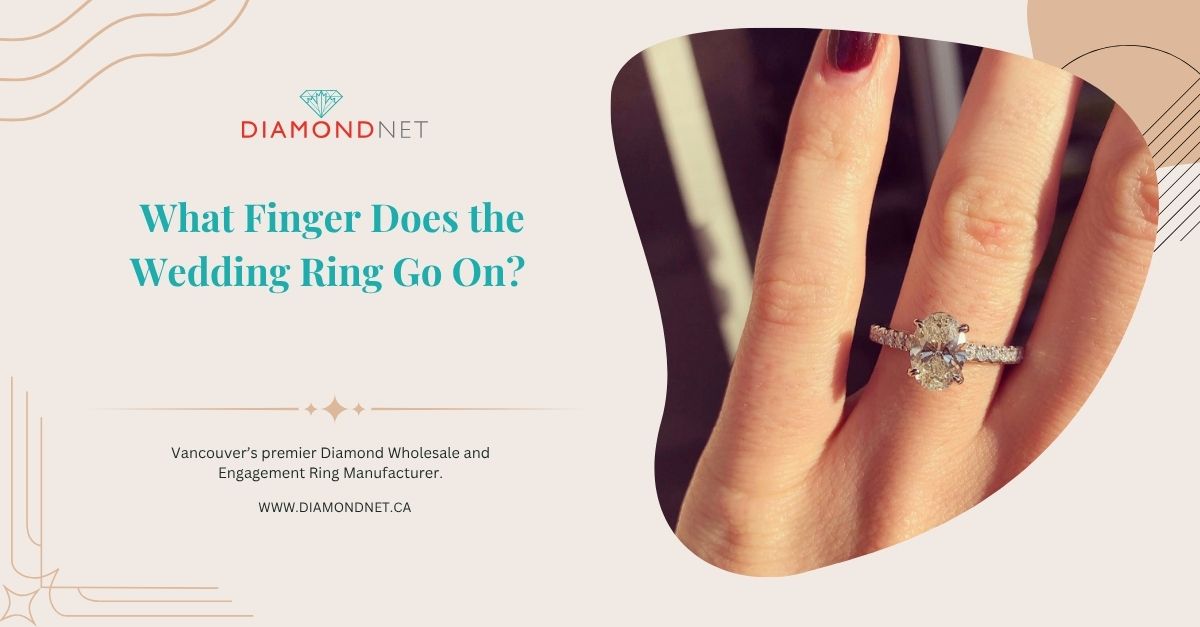
The question of “what finger does the engagement ring go on?” is easily answered by tradition, but the question of “how much should that ring cost?” is a complex financial decision. By looking past the marketing myths of the 20th century and treating the engagement ring as a significant capital expenditure, you can ensure that the symbol of your commitment does not become a burden on your financial future.
Whether you choose a natural diamond, a lab-grown alternative, or a different gemstone entirely, the goal should always be the same: to honor the tradition without compromising your path to financial independence. A ring is a beautiful symbol, but a debt-free start to a marriage is an even more valuable asset. Professional financial planning, disciplined saving, and robust insurance coverage are the true hallmarks of a “brilliant” engagement.
aViewFromTheCave is a participant in the Amazon Services LLC Associates Program, an affiliate advertising program designed to provide a means for sites to earn advertising fees by advertising and linking to Amazon.com. Amazon, the Amazon logo, AmazonSupply, and the AmazonSupply logo are trademarks of Amazon.com, Inc. or its affiliates. As an Amazon Associate we earn affiliate commissions from qualifying purchases.