
For decades, the answer to the question “what eyeglasses look good on me?” was found through a tedious process of trial and error. Consumers would spend hours in a brick-and-mortar optical shop, swapping dozens of frames onto their faces while a salesperson offered subjective opinions. However, the intersection of fashion and technology has fundamentally disrupted this experience. Today, the quest for the perfect pair of glasses is no longer a matter of guesswork; it is a sophisticated exercise in computer vision, augmented reality (AR), and artificial intelligence (AI).
As digital transformation reshapes the retail landscape, the optical industry has emerged as a frontrunner in adopting cutting-edge tools to solve the “fit and style” dilemma. From 3D facial mapping to deep-learning algorithms that analyze skin tone and bone structure, technology is providing a personalized, data-driven answer to a once-subjective question.
The Evolution of Optical Tech: From Manual Fitting to AI Mapping
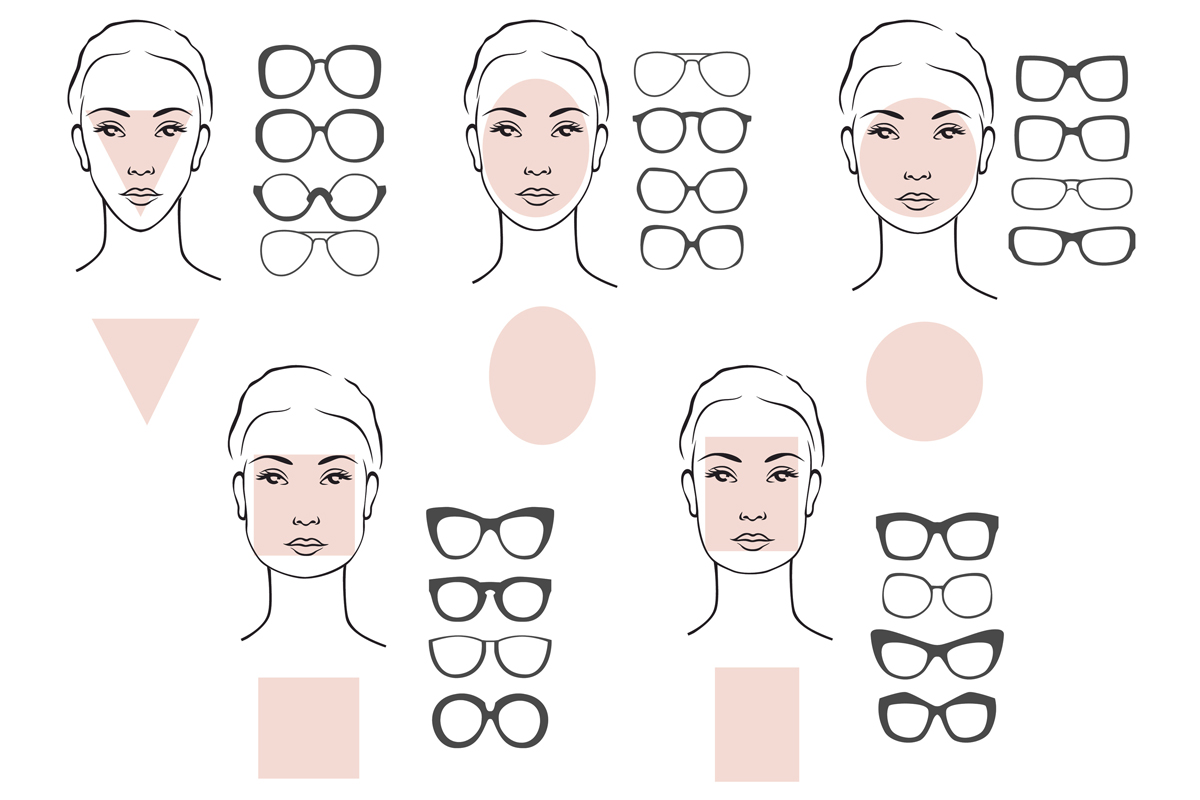
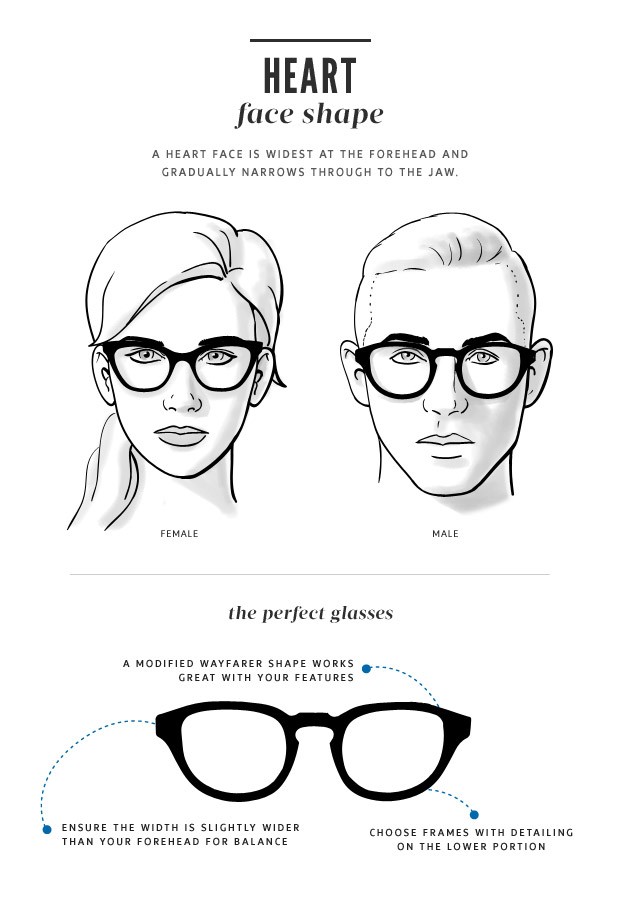
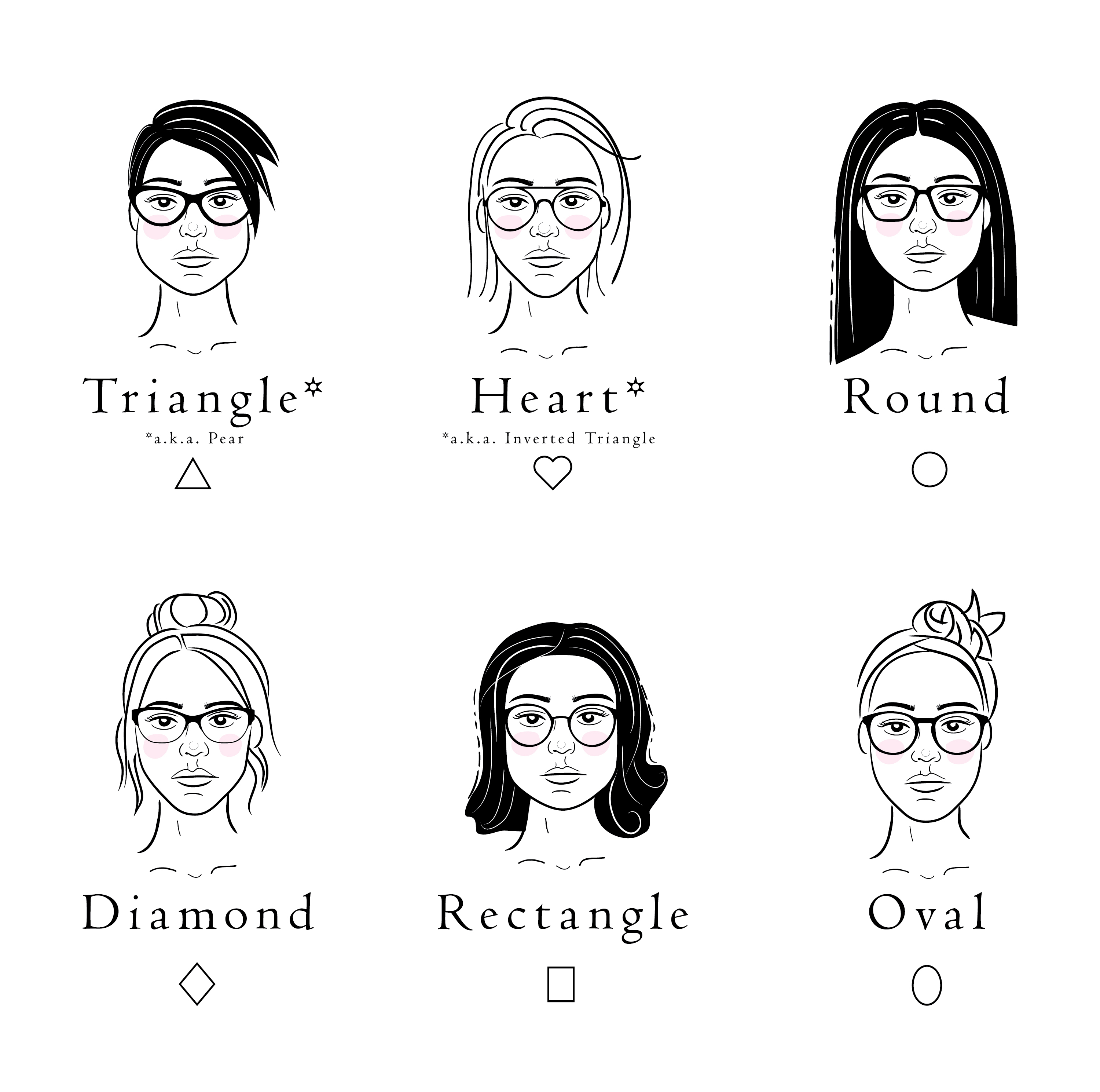
The journey to finding the right frames begins with understanding the geometry of the human face. Historically, opticians categorized faces into basic shapes—oval, square, heart, or round. While helpful, these categories are often too reductive to account for the nuances of human anatomy. Modern technology replaces these broad strokes with high-precision digital mapping.
Computer Vision and Facial Symmetry Analysis
Computer vision, a field of AI that enables computers to derive meaningful information from digital images or videos, is the backbone of modern frame selection. When you look into a smartphone camera through a modern eyewear app, the software isn’t just taking a photo; it is identifying hundreds of “facial landmarks.”
These landmarks include the exact distance between your pupils (pupillary distance), the width of your bridge, the height of your cheekbones, and the symmetry of your brow line. By analyzing these coordinates, AI can determine with mathematical precision which frame geometries will balance your features. For instance, if the algorithm detects a high degree of angularity in the jawline, it will prioritize circular or oval frame recommendations to provide a visual counterbalance, all based on geometric ratios rather than a salesperson’s hunch.
The Role of Deep Learning in Aesthetic Recommendations
Beyond simple measurements, deep learning models are being trained on vast datasets of fashion trends and consumer preferences. These neural networks analyze millions of data points—linking face shapes, hair colors, and skin undertones with the frames that users ultimately kept and rated highly.
This “collaborative filtering” allows the technology to suggest not just what fits, but what is fashionable. By processing your digital likeness, the AI can predict whether a transparent acetate frame or a matte titanium finish will better complement your specific complexion. This moves the technology from functional measurement into the realm of digital styling.
Virtual Try-On (VTO): The Integration of AR in Eyewear
The most visible technological advancement in the optical world is the Virtual Try-On (VTO) experience. What was once a clunky, 2D “sticker” overlaid on a photo has evolved into a sophisticated, real-time Augmented Reality experience that rivals the physical mirror.
Augmented Reality and Real-Time Rendering
Modern VTO utilizes AR to anchor a 3D model of a pair of glasses onto the user’s face in real-time. This requires immense processing power to handle “occlusion” and “latency.” Occlusion ensures that if you turn your head, the temple of the glasses disappears behind your ear realistically, rather than floating awkwardly in digital space.
High-end VTO engines now utilize physically based rendering (PBR). This technique simulates how light interacts with different materials. If you are trying on a pair of gold-rimmed aviators, the software calculates how the virtual light in your room should glint off the metallic surface. This level of realism is crucial for answering the “look good” part of the consumer’s question, as it allows the user to see the texture, transparency, and weight of the frames before they are even manufactured.
Overcoming the “Depth Perception” Barrier in Digital Fitting
One of the greatest challenges in digital eyewear tech has been scale. A common complaint with early VTO was that frames looked perfect on screen but arrived in the mail looking much larger or smaller than expected.
To solve this, developers are utilizing LiDAR (Light Detection and Ranging) sensors found in modern smartphones. LiDAR sends out infrared pulses to create a 3D map of the environment—and in this case, the user’s face. This allows the software to understand the literal depth and scale of the user’s features. When the AR glasses are placed on the digital face, they are rendered to-scale, ensuring that a 50mm lens width looks exactly like a 50mm lens width on the user’s specific head size.
3D Printing and Bespoke Digital Manufacturing
Even with the best AI recommendations, some users find that mass-produced frames simply don’t fit their unique anatomy. Here, the technology of additive manufacturing (3D printing) provides a solution that bridges the gap between digital selection and physical comfort.
Precision Scanning for a Custom Fit
The “perfect look” is often ruined by a “poor fit.” Glasses that slide down the nose or pinch the temples are aesthetically and functionally flawed. Emerging tech startups are now using high-resolution facial scans to create a “digital twin” of the consumer.
This digital twin is used to modify existing frame designs at the CAD (Computer-Aided Design) level. If the data shows that a user has a narrower-than-average nose bridge, the software automatically adjusts the digital model of the frame. This data is then sent to a 3D printer, which constructs the frames layer-by-layer from high-quality polymers or titanium powder. The result is a bespoke product designed by algorithms and perfected for the individual.
Sustainable Manufacturing via On-Demand Printing
From a broader tech-strategy perspective, this shift to 3D printing and digital fitting represents a move toward “Industry 4.0.” By using technology to determine exactly what looks good and fits well before production, companies can eliminate the need for massive inventories.
This “on-demand” model reduces waste and energy consumption. Instead of shipping thousands of frames across the globe hoping they find a face they fit, companies only manufacture what has been digitally “vetted” by the consumer’s AI-powered selection process.
Data-Driven Style: How Algorithms Predict Your Aesthetic
The final frontier in answering “what eyeglasses look good on me” lies in predictive analytics. Technology is moving away from reactive tools (showing you what you ask for) to proactive tools (showing you what you didn’t know you wanted).
Big Data in Fashion Forecasting
By aggregating anonymized data from millions of VTO sessions, eyewear tech companies can identify emerging trends with incredible speed. Algorithms can detect if users with certain facial characteristics in a specific geographic region are gravitating toward “cat-eye” frames or “oversized 70s” aesthetics.
Retailers use this data to refine their recommendation engines. If the system knows you work in a corporate environment (via LinkedIn integration or user input) and that your facial structure matches a profile that typically prefers “minimalist professional” styles, it will curate your digital storefront accordingly. This reduces “decision fatigue,” using data to narrow down thousands of choices to the three or four that have the highest statistical probability of looking good on you.
The Future: Smart Glasses and Biometric Integration
As we look toward the future, the question of “what looks good” will also incorporate “what does it do?” The rise of smart glasses—frames equipped with cameras, speakers, and AR displays—adds a layer of technological complexity to frame selection.
Future AI assistants will likely evaluate your daily routine and biometric data to suggest frames. For example, if your digital calendar shows frequent outdoor physical activity, the AI might suggest frames with polarized smart-tinting lenses and a wrap-around aerodynamic shape. In this context, “looking good” becomes a synergy of aesthetic harmony and technological utility, where the glasses are an extension of the user’s digital ecosystem.
Conclusion: The New Digital Mirror
The question “what eyeglasses look good on me?” has been transformed by the digital revolution. We have moved from the subjective mirror of the 20th century to the objective, data-rich “digital mirror” of the 21st. Through the power of computer vision, augmented reality, and 3D manufacturing, technology has taken the guesswork out of personal style.
By leveraging these tools, consumers can navigate the vast world of eyewear with confidence, knowing that their choice is backed by precise measurements and sophisticated algorithms. As AI continues to evolve, the line between the digital try-on and the physical reality will continue to blur, making it easier than ever to find the frames that don’t just look good, but are perfectly engineered for the individual. In the modern era, the perfect pair of glasses is no longer found—it is calculated.
aViewFromTheCave is a participant in the Amazon Services LLC Associates Program, an affiliate advertising program designed to provide a means for sites to earn advertising fees by advertising and linking to Amazon.com. Amazon, the Amazon logo, AmazonSupply, and the AmazonSupply logo are trademarks of Amazon.com, Inc. or its affiliates. As an Amazon Associate we earn affiliate commissions from qualifying purchases.