
In the modern landscape of digital marketing and corporate identity, the lines between a founder’s personal story and their brand’s commercial success have blurred. Perhaps no individual exemplifies this synergy better than Huda Kattan, the founder of Huda Beauty. While many search the internet for “what ethnicity is Huda,” the answer—Iraqi-American—is far more than a demographic footnote. It is the cornerstone of a multi-billion-dollar brand strategy that has redefined the global beauty industry.
To understand Huda Kattan’s success is to understand how personal identity, cultural heritage, and professional branding can be synthesized into a global powerhouse. By leaning into her ethnicity and Middle Eastern roots, Kattan did not just build a makeup line; she built a cultural movement that filled a massive void in the market.

Identity as a Brand Asset: Understanding Huda Kattan’s Roots
The question of Huda Kattan’s ethnicity is central to her brand’s origin story. Born in Oklahoma to Iraqi parents and raised in Tennessee and Massachusetts, Huda grew up at the intersection of Western culture and Middle Eastern tradition. This dual identity is the engine behind Huda Beauty’s brand DNA.
Navigating the Middle Eastern Diaspora
Growing up in the American South as a daughter of Iraqi immigrants, Kattan often felt like an outsider. In the beauty world of the 1990s and early 2000s, the standard of “pretty” was largely Eurocentric. Middle Eastern features—prominent brows, olive skin, and darker hair—were rarely catered to by mainstream cosmetic giants.
This sense of displacement became a strategic advantage. Instead of assimilating to existing standards, Kattan eventually used her platform to celebrate her heritage. By identifying as an Iraqi-American woman who understood the specific beauty needs of a diverse diaspora, she created an immediate emotional connection with millions of women who felt equally overlooked.
Translating Cultural Authenticity into Global Appeal
Authenticity is the “gold standard” of modern personal branding. For Huda, her ethnicity wasn’t a marketing gimmick; it was the foundation of her authority. When she moved to Dubai in the late 2000s, she began to merge Western professional makeup techniques with the rich, bold beauty traditions of the Middle East. This cross-cultural fusion became her unique selling proposition (USP). Her brand didn’t just sell products; it sold a bridge between the East and the West, making Middle Eastern beauty aesthetics accessible to a global audience.
From Personal Persona to Global Beauty Empire
Successful brands today are rarely built on products alone; they are built on narratives. Huda Kattan’s transition from a makeup artist with a blog to a global CEO is a masterclass in scaling a personal brand into a corporate identity.
The “Influencer First” Business Model
Before Huda Beauty was a product line, it was a blog. Launched in 2010, “Huda Beauty” was a repository of tips, DIY hacks, and honest reviews. By the time she launched her first product—false eyelashes—in 2013, she already had a loyal community.
In terms of brand strategy, Kattan utilized a “community-first” approach. By being the face of her brand and sharing her personal struggles with skin issues and self-esteem, she humanized the corporation. Consumers weren’t buying from a faceless conglomerate; they were buying from Huda, the girl who understood their Iraqi heritage, their American upbringing, or their shared love for heavy glam.
Content Strategy and the “Girl Next Door” Authority
Kattan’s personal brand is rooted in high-low accessibility. She might be a billionaire, but her digital content often features her in her bathroom, testing products or sharing “ugly” makeup mishaps. This vulnerability is a calculated branding move. It maintains the “expert-friend” persona that modern consumers crave. Her ethnicity plays into this by providing a specific “flavor” to her content—incorporating traditional ingredients like rose water or turmeric—which reinforces her brand’s position as a curator of global beauty secrets.
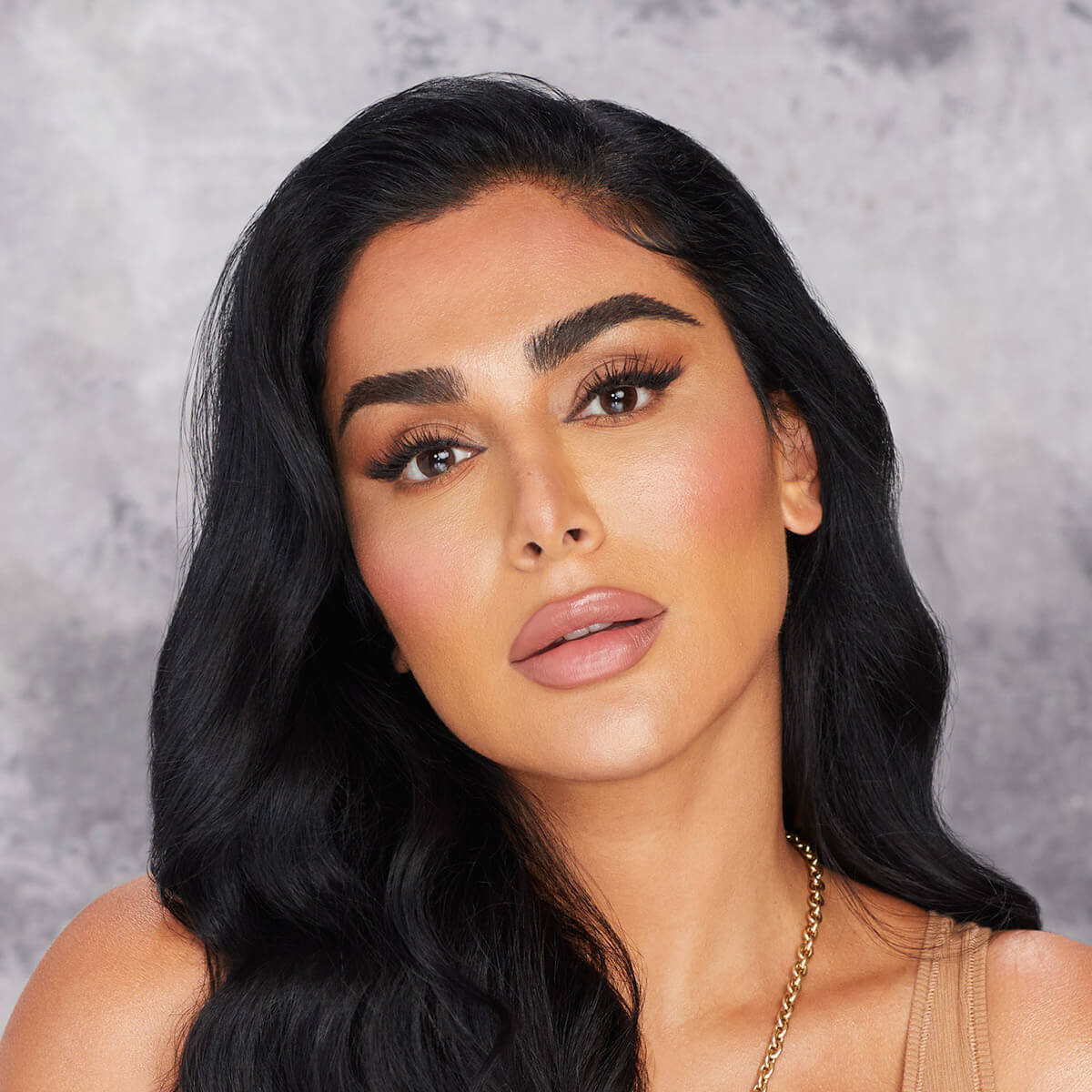
Inclusivity and Representation: The Strategic Advantage
In the mid-2010s, the beauty industry faced a “reckoning” regarding inclusivity. While many legacy brands scrambled to expand their shade ranges, Huda Beauty was already there. Kattan’s Iraqi heritage gave her an intuitive understanding of skin undertones that the industry had ignored for decades.
Disrupting the Eurocentric Beauty Standard
For decades, “nude” lipstick or “flesh-toned” foundation meant light beige. Kattan’s brand strategy was among the first to challenge this by launching products that catered specifically to olive, tan, and deep skin tones. By centering her marketing on her own Middle Eastern features, she validated a consumer base that was historically underserved.
From a brand strategy perspective, this was a “Blue Ocean” move. She entered a market where there was little competition for high-quality, culturally resonant products for Middle Eastern and South Asian women. By the time competitors realized the size of this market, Huda Beauty had already claimed the “territory” of inclusive glam.
Cultivating the “Huda Beauty” Community
The brand’s marketing strategy relies heavily on user-generated content (UGC). By reposting fans of all ethnicities, Huda Beauty created a global community that felt represented. However, the Iraqi-American heritage of the founder remains the “north star” of the brand. It provides a specific cultural viewpoint that makes the brand feel “boutique” and “authentic” even as it scales to Sephora shelves worldwide. This sense of belonging is a powerful retention tool in branding; customers don’t just use the products, they identify with the tribe.
Scaling a Legacy: Corporate Identity Beyond the Founder
As Huda Beauty grew into a multi-billion dollar enterprise, a major strategic challenge emerged: How does a brand rooted in a single person’s ethnicity and persona scale without losing its soul?
Maintaining Brand Values During Expansion
To transition from a personal brand to a corporate entity, Kattan had to codify her values. The brand moved beyond just “Huda’s favorite things” to a mission statement centered on empowerment and self-expression. While her Iraqi heritage remains a point of pride, the brand’s identity has evolved into a symbol of the “self-made” spirit. This allows the company to appeal to people who may not share her ethnicity but share her values of entrepreneurship and breaking barriers.
The Future of Ethno-Centric Branding in a Global Market
Huda Kattan’s success has paved the way for a new era of “founder-led” brands that leverage cultural specificities to find a niche. In a globalized world, consumers are moving away from “one size fits all” corporate identities. They want brands with a story, a face, and a heritage.
The strategy behind Huda Beauty proves that ethnicity is not a niche limitation; it is a global connector. By being unapologetically Iraqi-American, Kattan didn’t limit her audience—she invited the whole world to participate in a cultural narrative that was previously excluded from the halls of luxury commerce.

Conclusion: The Brand Strategy of Belonging
When we ask “what ethnicity is Huda,” we are uncovering the secret sauce of her brand’s longevity. Huda Kattan’s Iraqi-American background provided her with the perspective to see a gap in the market, the authenticity to build a loyal community, and the resilience to challenge industry giants.
In the realm of brand strategy, her story serves as a vital lesson: your unique background is your greatest competitive advantage. By leaning into her heritage rather than hiding it, Kattan built more than a makeup empire; she built a brand that stands for the power of representation. For modern businesses, the takeaway is clear: in an era of digital noise, the most powerful brand asset is an authentic, culturally-rooted identity that offers consumers a sense of belonging.
aViewFromTheCave is a participant in the Amazon Services LLC Associates Program, an affiliate advertising program designed to provide a means for sites to earn advertising fees by advertising and linking to Amazon.com. Amazon, the Amazon logo, AmazonSupply, and the AmazonSupply logo are trademarks of Amazon.com, Inc. or its affiliates. As an Amazon Associate we earn affiliate commissions from qualifying purchases.