
The television landscape changed forever on April 13, 2014. In the second episode of the fourth season of HBO’s Game of Thrones, titled “The Lion and the Rose,” one of the most reviled characters in fiction met a gruesome end. King Joffrey Baratheon, the boy-king whose brand was synonymous with cruelty and entitlement, was poisoned at his own wedding feast. While fans celebrated the demise of a tyrant, brand strategists and marketing professionals saw something else: a masterclass in audience engagement, sentiment management, and the strategic lifecycle of a narrative asset.
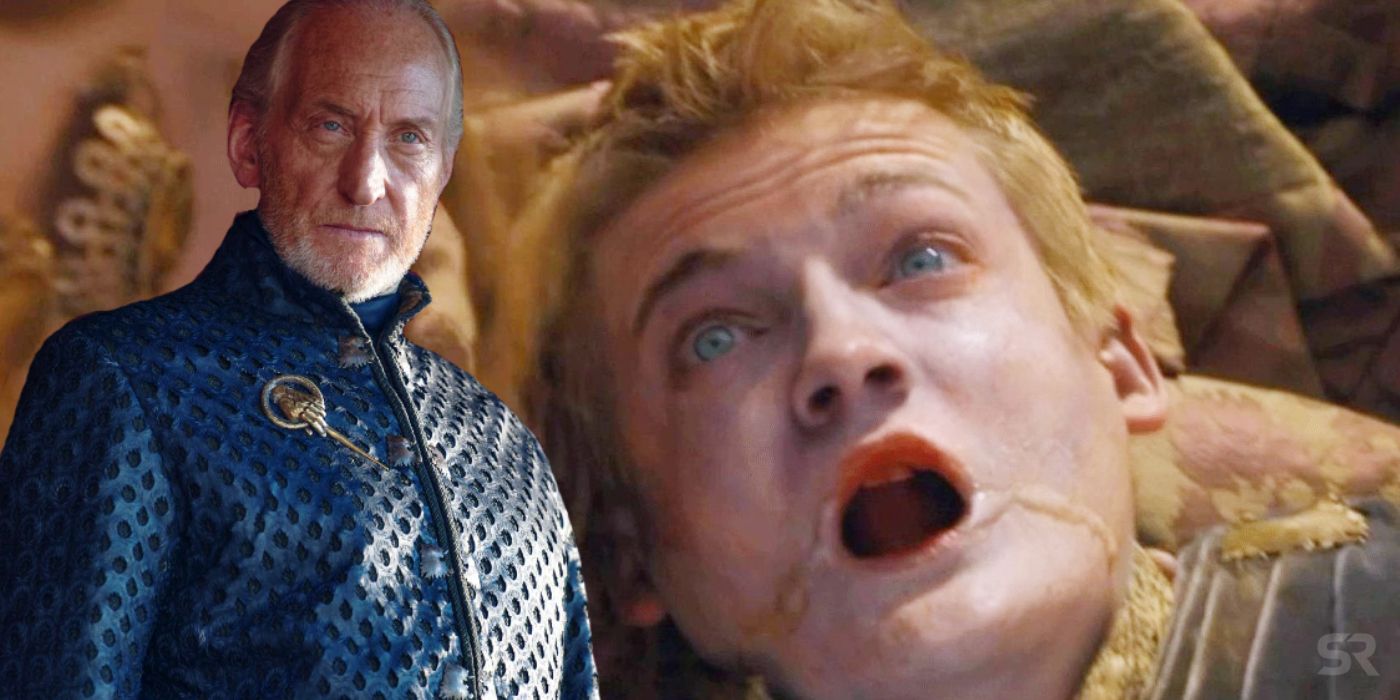
Understanding what episode Joffrey dies in is more than just a trivia point for fantasy enthusiasts; it is a pivotal moment in the history of television branding. By examining the “Purple Wedding” through the lens of brand strategy, we can uncover how HBO successfully cultivated a “villain brand” so potent that his exit became a global cultural phenomenon.
Engineering the Ultimate Antagonist: The Brand Strategy of Joffrey Baratheon
In the world of corporate identity and brand strategy, we often focus on building “likable” brands. We want consumers to feel warmth, trust, and loyalty. However, Game of Thrones utilized an inverted strategy: the creation of a “hate-brand.” Joffrey Baratheon was not just a character; he was a carefully curated experience designed to elicit a specific, visceral emotional response from the audience.
Identifying the Brand Persona: The “Unredeemable Villain”
Most brands aim for a “Hero” or “Explorer” archetype. Joffrey, however, was built on the “Shadow” archetype. From his first appearance in Season 1, his brand was defined by three core pillars: unpredictability, cruelty, and unearned power. By making the character consistently unredeemable, the showrunners created a “market demand” for his downfall. This demand is a powerful marketing tool; it ensures high retention rates as viewers continue to “consume” the product in anticipation of a specific emotional payoff—justice.
Consistency in Character Packaging
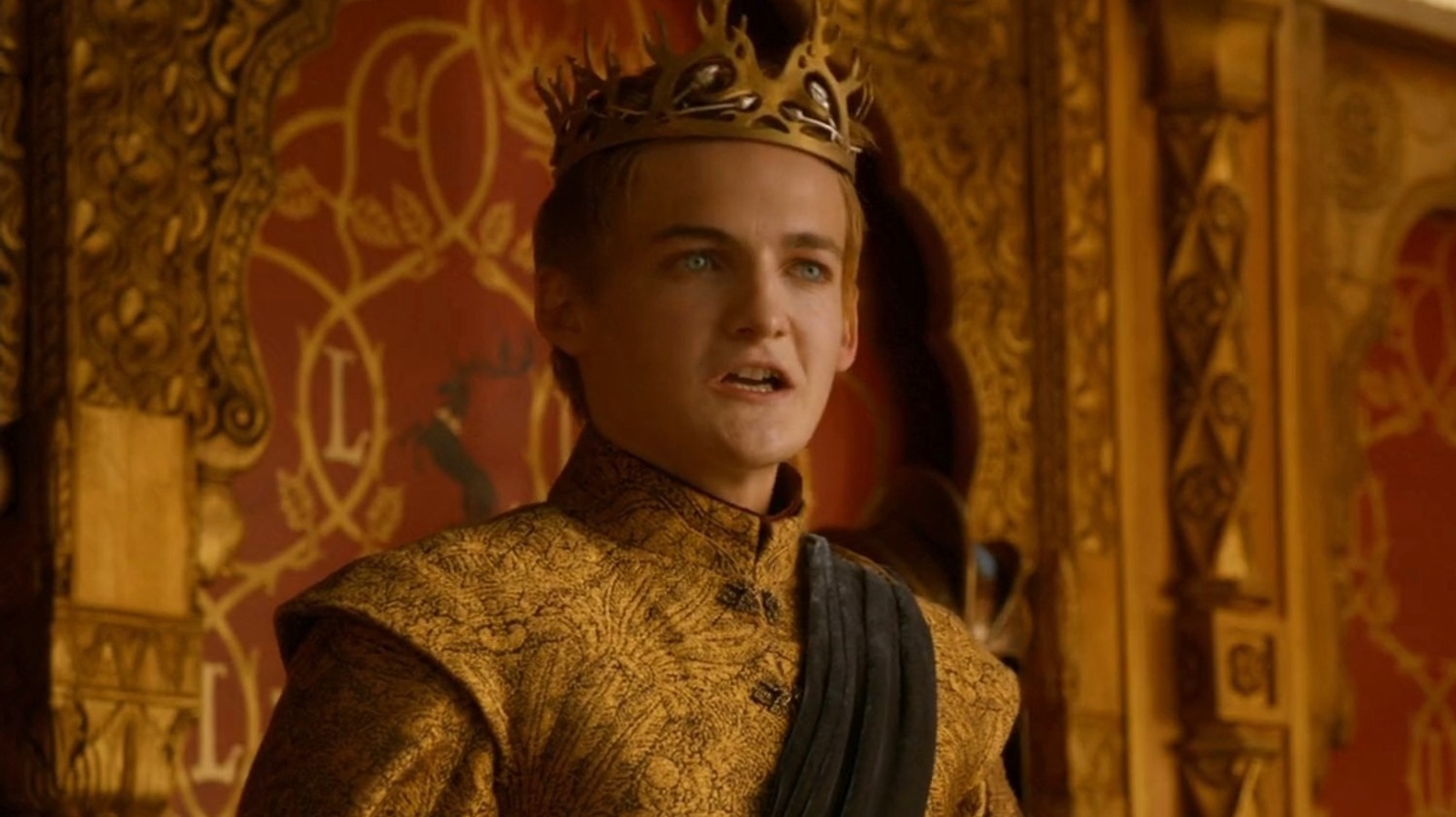
A brand is only as strong as its consistency. If Joffrey had shown sudden moments of profound kindness or competence, the “villain brand” would have been diluted. Every costume choice (opulent gold and crimson), every smirk, and every line of dialogue was engineered to reinforce his brand identity. For four seasons, HBO maintained this brand integrity, ensuring that when the moment of his death finally arrived in Season 4, Episode 2, the “brand equity” of the audience’s hatred was at an all-time high.
Timing the Exit: How Narrative Deletion Drives Brand Longevity
In product management, there is a concept known as the Product Life Cycle. Every product reaches a point of maturity, followed by a decline if it is not innovated or retired. Joffrey Baratheon as a “narrative product” reached its absolute peak at the beginning of Season 4. HBO faced a strategic choice: keep the villain alive to continue the conflict, or retire the brand to make room for new “products” (villains like Ramsay Bolton or Cersei Lannister).
The Peak-End Rule in Content Strategy
Psychologists and marketers often refer to the “Peak-End Rule,” which suggests that people judge an experience largely on how they felt at its peak and at its end. By killing Joffrey in “The Lion and the Rose,” HBO executed a perfect exit strategy. They didn’t wait for the character to become a caricature or for the audience to grow bored with his antics. By ending the “Joffrey brand” at its emotional peak, they ensured that the memory of the character—and the show’s willingness to take risks—would remain prestigious.
Avoiding “Villain Fatigue”
One of the greatest risks in long-term brand strategy is overexposure. If a brand remains stagnant for too long, the audience experiences fatigue. In the context of Game of Thrones, Joffrey had already committed the ultimate “brand-defining” acts: the execution of Ned Stark and the psychological torture of Sansa. By Season 4, the narrative utility of his cruelty was reaching a point of diminishing returns. Removing him opened a “market vacuum” that allowed the brand to pivot toward more complex political conflicts, keeping the overall series brand fresh and dynamic.
Marketing the Event: HBO’s Multi-Channel Engagement Strategy
The death of Joffrey Baratheon was not just a plot point; it was a highly orchestrated marketing event. HBO didn’t just broadcast an episode; they launched a campaign. The “Purple Wedding” became a digital landmark that demonstrated the power of experiential marketing in the digital age.
The Power of the “Water Cooler Moment”
Before the era of fragmented streaming, “water cooler moments” were the holy grail of television branding. HBO managed to recreate this in the social media era. By placing Joffrey’s death in the second episode of the season—rather than the traditional “big” ninth episode—they subverted audience expectations. This strategic surprise generated massive organic “word-of-mouth” marketing. The brand wasn’t just telling a story; it was creating a conversation that dominated social media platforms for weeks.
Leveraging Social Media and Viral Sentiment
HBO’s marketing team leaned heavily into the “Roast Joffrey” campaign leading up to Season 4. They understood that the audience’s relationship with Joffrey was communal. By encouraging fans to express their disdain for the character through hashtags and digital interactions, HBO turned a passive viewing experience into an active brand engagement. This is a classic example of “Community Branding,” where the brand facilitates a space for consumers to share a common emotion—in this case, the shared anticipation of a villain’s demise.
Legacy Branding: Transforming a Moment into a Franchise Asset
Long after Season 4, Episode 2 has aired, the “brand” of Joffrey’s death continues to provide value to the Game of Thrones franchise. This is what we call “Legacy Branding.” A single moment of high-impact storytelling becomes a permanent asset that can be used for merchandising, retrospectives, and brand positioning.
Merchandising and Digital Footprint
The “Purple Wedding” has been immortalized in various brand extensions, from Funko Pop figurines of a poisoned Joffrey to themed ale and wedding-inspired merchandise. From a business perspective, the character’s death transformed him from a transient narrative element into a permanent icon of the franchise. Even years later, the “Joffrey brand” is a top-searched term, driving traffic to HBO Max (now Max) and maintaining the relevance of the intellectual property in a crowded marketplace.
Lessons for Corporate Identity and Crisis Management
The Joffrey Baratheon arc offers profound lessons for corporate branding and crisis management. Joffrey represents the “Toxic Leader” or the “Damaged Brand.” HBO’s handling of the character shows that the only way to save a larger brand (the show itself) from a toxic element is through a decisive, well-timed “rebrand” or exit. In the corporate world, when a CEO or a product line becomes a liability to the overall corporate identity, the “Purple Wedding” strategy—swift, public, and transformative—is often the only path toward long-term brand health.

Conclusion: The ROI of the Purple Wedding
When we ask, “What episode does Joffrey die in Game of Thrones?” we are looking for Season 4, Episode 2. But from a brand strategy perspective, we are looking at the culmination of a four-year investment in psychological marketing. HBO spent years building a brand people loved to hate, only to “liquidate” that asset at the perfect moment for maximum emotional and commercial ROI.
The death of Joffrey Baratheon remains a gold standard for how narrative media can use brand strategy to dictate cultural conversation. It proved that in the attention economy, the most valuable currency is not just love or loyalty, but intense emotional engagement. By treating their characters as brands and their episodes as product launches, the creators of Game of Thrones ensured that Joffrey’s end was not just a conclusion, but a new beginning for the show’s global dominance. For any brand looking to make a lasting impact, the lesson is clear: define your identity, maintain your consistency, and never be afraid to retire an asset while it is still at the top of its game.
aViewFromTheCave is a participant in the Amazon Services LLC Associates Program, an affiliate advertising program designed to provide a means for sites to earn advertising fees by advertising and linking to Amazon.com. Amazon, the Amazon logo, AmazonSupply, and the AmazonSupply logo are trademarks of Amazon.com, Inc. or its affiliates. As an Amazon Associate we earn affiliate commissions from qualifying purchases.