
In the world of professional motorsports, few sounds are as evocative as the thunderous resonance of a NASCAR Cup Series engine. To the uninitiated, it is a wall of noise; to the engineer, it is a finely tuned symphony of mechanical precision and high-tech optimization. While NASCAR is often perceived as a sport rooted in tradition, the modern engine—or power unit—is a marvel of contemporary technology, blending decades of internal combustion mastery with cutting-edge digital integration.
The question of “what engine is in a NASCAR” is not answered by a simple trip to a local dealership. Instead, it requires an exploration into the high-performance engineering that allows a 5.86-liter V8 to produce upwards of 670 horsepower while maintaining structural integrity over 500 miles of grueling competition.
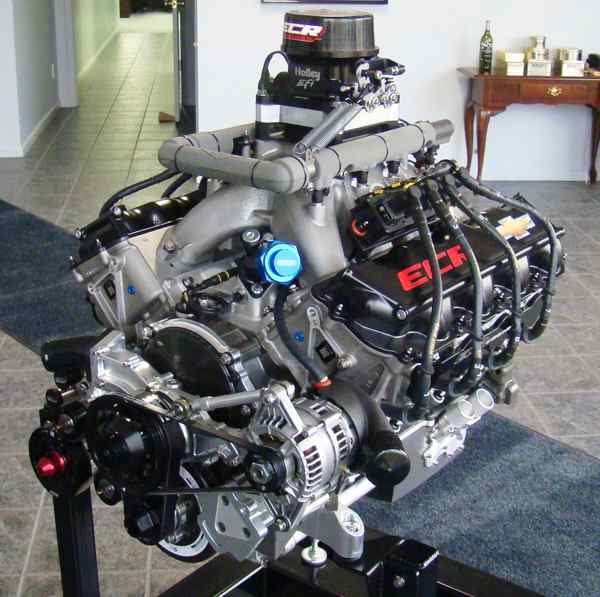
The Mechanical Core: Understanding the 5.86-Liter V8 Architecture
The heart of every NASCAR Cup Series vehicle is a naturally aspirated, 90-degree V8 engine with a displacement of 358 cubic inches (5.86 liters). While the basic layout may seem antiquated to those accustomed to the overhead-cam turbocharged engines of Formula 1, the “tech” within these powerplants is found in their extreme optimization and material science.
The Power of Pushrods and Valvetrain Engineering
NASCAR engines utilize a “pushrod” or overhead valve (OHV) design. In the broader automotive tech landscape, most manufacturers have shifted to Dual Overhead Cam (DOHC) configurations. However, NASCAR’s insistence on the OHV layout has forced engineers to innovate within a constrained space. The challenge is managing the valvetrain at high RPMs. Modern NASCAR engines can spin up to 9,000 RPM, a feat that requires incredibly lightweight and rigid components. Engineers use exotic alloys for valves and pushrods to prevent “valve float”—a catastrophic timing failure where the valve stays open too long—ensuring that the combustion cycle remains pixel-perfect at speeds exceeding 200 mph.
Precision Tolerances and Component Durability
The technical sophistication of these engines is best measured in microns. Every internal component, from the forged steel crankshaft to the aluminum alloy pistons, is machined to tolerances that rival aerospace standards. Because the engines must survive high-heat environments for hours at a time, the friction-reduction technology used is state-of-the-art. Specialized coatings, such as Diamond-Like Carbon (DLC), are applied to internal surfaces to minimize parasitic power loss, ensuring that every ounce of energy generated by the fuel is directed toward the rear wheels.
The Digital Revolution: Electronic Fuel Injection and the ECU
For decades, the carburetor was the hallmark of NASCAR’s mechanical identity. However, in 2012, the sport underwent a massive digital transformation by adopting Electronic Fuel Injection (EFI). This shift moved the sport from “analog” tuning to “digital” optimization, aligning NASCAR with modern automotive technology trends.
Transitioning from Carburetors to EFI
The introduction of EFI replaced the mechanical carburetor with a high-pressure fuel delivery system managed by an Engine Control Unit (ECU). From a tech perspective, this was a paradigm shift. Instead of mechanics manually adjusting jets based on humidity and temperature, engineers now utilize software to map fuel delivery and ignition timing. This allows for far greater efficiency and consistency, as the system can adjust to environmental changes in real-time, ensuring the engine operates at peak thermal efficiency regardless of the track conditions.
The Role of the McLaren TAG-400N ECU
The “brain” of a modern NASCAR engine is the McLaren TAG-400N ECU. This is a high-specification control unit designed specifically for the rigors of professional racing. It manages everything from the fuel injectors to the ignition coils, but it also serves as a critical data logger. The ECU monitors hundreds of parameters per second, providing engineers with a digital snapshot of engine health. While the software is locked by NASCAR to prevent “traction control” or other unauthorized driver aids, the ability to analyze fuel-mapping data has revolutionized how teams approach race strategy and engine longevity.
Data-Driven Performance: Simulation, Telemetry, and AI
In the modern era, an engine’s performance is developed in a virtual environment long before it ever touches a cylinder block. The “Tech” niche of NASCAR is perhaps most visible in the software-heavy world of Research and Development (R&D).
Computational Fluid Dynamics (CFD) in Intake Design
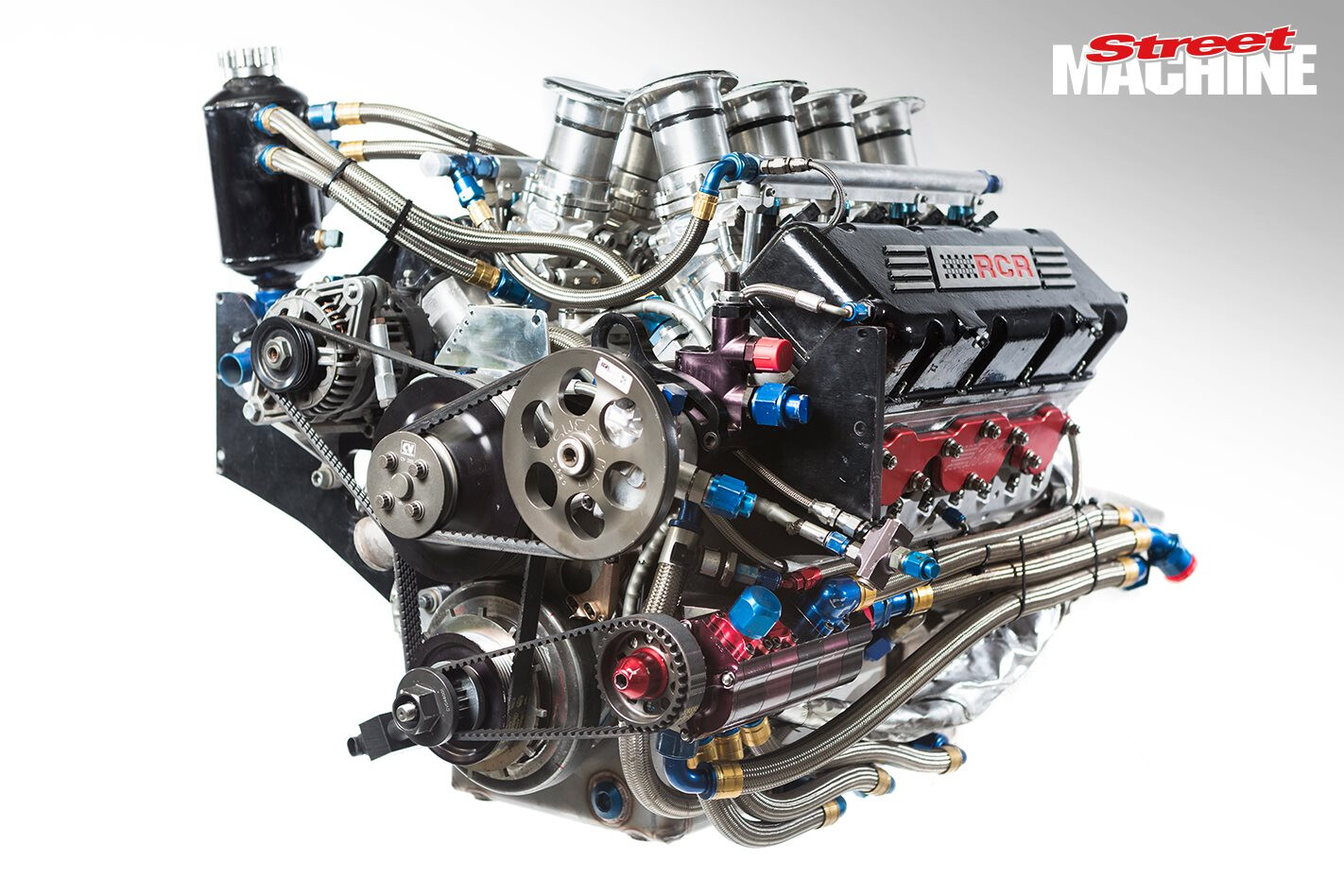
Engineers use Computational Fluid Dynamics (CFD) software to simulate how air moves through the intake manifold and into the combustion chamber. In a naturally aspirated engine, airflow is everything. By using high-performance computing (HPC) clusters, teams can run thousands of virtual simulations to find the optimal shape for intake runners, maximizing the “ram-air” effect. This level of digital prototyping reduces the need for expensive physical testing and allows for rapid iteration of engine components.
Real-Time Telemetry and Predictive Analytics
While NASCAR limits the amount of data that can be sent from the car to the pit box during a race, the data collected during practice and qualifying is immense. Teams use predictive analytics and machine learning algorithms to identify patterns in engine wear and performance. By feeding sensor data—such as oil pressure fluctuations, exhaust gas temperatures, and vibration frequencies—into AI models, engineers can predict a component failure before it happens. This proactive approach to mechanical health is a direct result of the integration of “Big Data” into the sport.
Cooling Systems and Aerodynamic Thermal Management
Heat is the ultimate enemy of the high-performance engine. In NASCAR, where cars often travel in tight packs (drafting), the technological challenge is maintaining engine cooling while minimizing aerodynamic drag.
Radiator Technology and Airflow Dynamics
The radiator in a NASCAR vehicle is a highly specialized heat exchanger designed to operate at extreme pressures. Unlike a standard car, which relies on a large frontal opening for cooling, NASCAR teams use “ducted” cooling. This involves complex ductwork that directs air through the radiator and out of the hood or wheel wells. The technology here lies in the balance: more air to the engine means better cooling but more “drag,” which slows the car down. Engineers use thermal imaging and wind tunnel data to find the “sweet spot” where the engine stays cool enough to avoid power loss while keeping the car as aerodynamic as possible.
Lubrication Systems: The Dry Sump Advantage
To manage the extreme G-forces encountered in banked turns, NASCAR engines utilize a “dry sump” oiling system. In a standard engine, oil sits in a pan at the bottom; under high G-loads, that oil sloshes away from the pickup, starving the engine of lubrication. The dry sump system uses a separate reservoir and multiple pumps to ensure a constant supply of oil to the engine’s moving parts. The tech behind these pumps is focused on “scavenging” efficiency—removing air and foam from the oil so that only pure, lubricating liquid reaches the bearings.
The Roadmap to Hybridization: The Next Frontier of NASCAR Tech
As the global automotive industry shifts toward electrification and sustainability, NASCAR is not standing still. The “Next Gen” car, introduced in 2022, was designed specifically with future technology in mind.
Electrification and the Next Gen Modular Chassis
The current NASCAR chassis features a transaxle—a combination of the transmission and the rear differential. This modular design was intentional: it leaves physical space for an electric motor and battery pack. The tech trend in NASCAR is moving toward a hybrid system, likely a Kinetic Energy Recovery System (KERS) similar to what is used in Formula 1 or endurance racing. This would allow the cars to capture energy under braking and deploy it as a power boost, adding a new layer of electronic strategy to the racing.
Eco-Friendly Combustion and Synthetic Fuels
Beyond electrification, the technology of the fuel itself is evolving. NASCAR has already transitioned to E15 (a 15% ethanol blend), but the future points toward fully synthetic, carbon-neutral fuels. The technical challenge for engine builders will be adapting the 5.86-liter V8 to burn these fuels efficiently without sacrificing the power and sound that fans expect. This intersection of “Green Tech” and traditional internal combustion is where the next decade of NASCAR engineering will be defined.

Conclusion: The Synergy of Iron and Intelligence
The engine in a NASCAR is far more than a “simple” V8. It is a sophisticated piece of hardware that exists at the intersection of mechanical heritage and digital innovation. From the precision-machined alloys of the valvetrain to the complex algorithms of the McLaren ECU, every aspect of the powerplant is a testament to high-level engineering.
As NASCAR continues to embrace new technologies—whether through advanced simulation, real-time data analytics, or the eventual move toward hybrid powertrains—the engine remains the ultimate proving ground. It is a reminder that in the world of professional tech, sometimes the most impressive innovations are the ones that work invisibly at 9,000 RPM, hidden beneath a hood but felt in every vibration of the grandstands.
aViewFromTheCave is a participant in the Amazon Services LLC Associates Program, an affiliate advertising program designed to provide a means for sites to earn advertising fees by advertising and linking to Amazon.com. Amazon, the Amazon logo, AmazonSupply, and the AmazonSupply logo are trademarks of Amazon.com, Inc. or its affiliates. As an Amazon Associate we earn affiliate commissions from qualifying purchases.