
The question “what engine does the Supra have?” might seem like a straightforward technical inquiry, a simple request for specifications. However, for a vehicle as iconic and storied as the Toyota Supra, the answer is anything but simple. Far beyond a mere collection of pistons and cylinders, the Supra’s engine—across its various generations—is a pulsating heart that defines its brand identity, shapes its market perception, and fuels its legendary status. In the intricate world of automotive branding, the engine is not just a component; it is a strategic centerpiece, a narrative anchor, and a critical determinant of a car’s soul and legacy.
This article delves into how the choice of engine has profoundly influenced the Supra brand, exploring its historical impact, strategic implications, marketing narratives, and future trajectory. We will uncover how engine selection serves as a powerful pillar in brand strategy, forging connections with enthusiasts, and sculpting the Supra’s enduring image in the global automotive landscape.
The Heart of a Legend: Engine Choice and Brand Identity
For any high-performance vehicle, the engine is arguably its most defining characteristic, embodying the brand’s promise of power, performance, and driving exhilaration. For the Supra, this connection is particularly profound, tying generations of enthusiasts to a legacy forged in metal and propelled by raw force.
Echoes of the Past: The 2JZ-GTE and Supra’s Enduring Legacy
No discussion of the Supra’s engine can begin without reverence for the 2JZ-GTE. Introduced in the fourth-generation A80 Supra (1993-2002), this 3.0-liter twin-turbocharged inline-six engine was not merely an engineering marvel; it became a cultural phenomenon. Its robust cast-iron block, closed-deck design, and legendary over-engineering made it an absolute titan in the aftermarket tuning scene. Enthusiasts quickly discovered its unparalleled capacity to handle extreme levels of horsepower, far beyond its factory rating, solidifying the Supra’s reputation as a “tuner’s dream.”
From a brand perspective, the 2JZ-GTE transformed the A80 Supra into an icon of uncompromising performance and limitless potential. It wasn’t just fast off the factory floor; it offered a blank canvas for customization and modification that few other engines could rival. This capability fostered an incredibly loyal and passionate community, elevating the Supra’s brand beyond a mere product to a symbol of engineering excellence and personalized power. Its frequent appearances in popular media, most notably the Fast & Furious film franchise, cemented its status in pop culture, making the 2JZ synonymous with high-speed thrills and street racing prowess. The brand promise of the A80 Supra became inextricably linked to the capabilities and legendary status of its engine.
The A90 Supra: A Strategic Shift and Brand Evolution
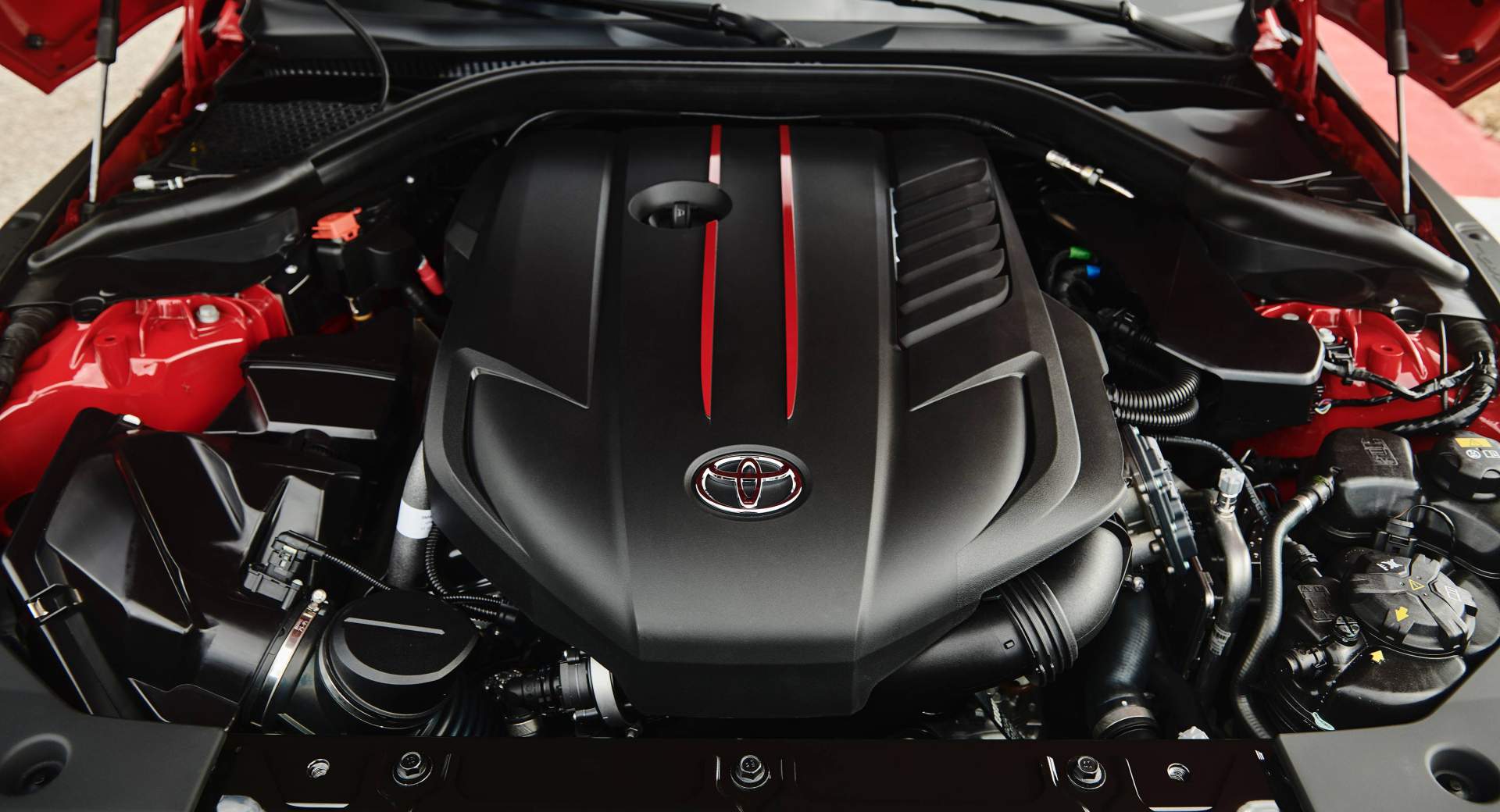
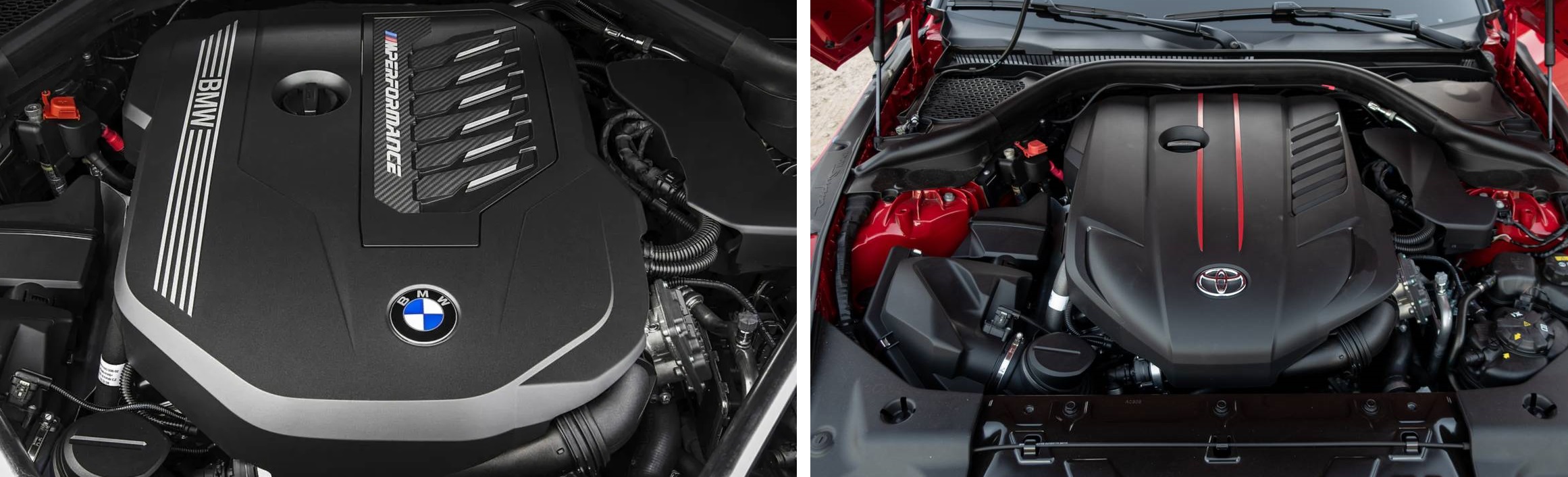
After a nearly two-decade hiatus, the Supra nameplate returned in 2019 with the fifth-generation (A90) model. The answer to “what engine does the Supra have?” for this iteration brought a significant strategic shift: a BMW-sourced 3.0-liter turbocharged inline-six engine, known internally as the B58. This decision was a masterstroke of brand strategy, albeit one that initially sparked considerable debate among purists.
From a corporate perspective, the partnership with BMW allowed Toyota to revive the Supra much faster and more cost-effectively than developing an entirely new platform and powertrain from scratch. This collaboration leveraged BMW’s expertise in inline-six engines and rear-wheel-drive sports car architectures, enabling Toyota to focus on design, tuning, and overall integration to deliver a distinct “Supra” driving experience. The B58 itself is a highly acclaimed engine, known for its smooth power delivery, strong torque curve, and tunability – characteristics that align well with the Supra’s performance heritage.
The initial brand perception was a mixed bag. Some enthusiasts expressed disappointment that the new Supra did not feature a Toyota-designed engine, viewing it as a dilution of the brand’s purity. However, a larger segment recognized the pragmatic and strategic genius behind the move. It brought the Supra back to market, offering exhilarating performance, modern technology, and a driving dynamic worthy of the badge. The A90 Supra, powered by the B58, successfully re-established the Supra brand in the contemporary sports car market, attracting a new generation of buyers while attempting to honor its past through performance and driving engagement. This evolution underscored how brand strategy often involves balancing heritage with commercial viability and innovation.
Engine Selection as a Pillar of Brand Strategy
The choice of engine is rarely arbitrary for an automaker; it is a deeply strategic decision that underpins a brand’s market positioning, performance promise, and overall value proposition. For a brand like Supra, built on a foundation of performance and prestige, engine selection is paramount.
Performance Metrics and Market Positioning
The technical specifications of an engine – horsepower, torque, acceleration figures (0-60 mph), and top speed – are critical performance metrics that directly translate into a brand’s competitive positioning. For the Supra, these numbers dictate its place within the highly competitive sports car segment. A powerful, responsive engine signals a brand committed to exhilaration and driver engagement.
The A80 Supra’s 2JZ-GTE, with its potent 320 horsepower (in US specification), allowed it to compete directly with European sports cars that often cost significantly more. This positioned the Supra as an accessible performance hero, delivering supercar-rivaling speed for a fraction of the price. The A90 Supra’s B58, initially delivering 335 horsepower (later updated to 382 hp), positioned it squarely against rivals like the Porsche Cayman and BMW M2. Its impressive acceleration and dynamic handling ensured that the Supra brand remained synonymous with cutting-edge performance, appealing to a target demographic that values both speed and driving finesse. Engine choice, therefore, is a direct reflection of a brand’s aspiration to dominate or carve a niche within specific performance tiers.
Reliability, Durability, and Brand Trust
Beyond sheer power, the inherent reliability and durability of an engine are crucial for building and maintaining brand trust. Toyota, as a global brand, has forged a reputation for bulletproof reliability. Any engine chosen for a Toyota vehicle, especially an iconic one like the Supra, must uphold this core brand tenet.
The legendary “indestructibility” of the 2JZ-GTE significantly contributed to the A80 Supra’s long-term appeal and high resale values. Owners knew they were investing in an engine that could withstand years of spirited driving, modifications, and track abuse. This robust reputation minimized concerns about costly repairs, reinforcing Toyota’s broader brand promise of quality and peace of mind.
Similarly, the B58 engine in the A90 Supra benefits from BMW’s engineering prowess and a strong track record for reliability in its own models. This association helps to alleviate any potential concerns about an “outsourced” engine, leveraging the positive brand attributes of its supplier. By selecting a proven, reliable powerplant, Toyota ensures that the Supra brand continues to be associated with not just performance, but also the enduring quality and trustworthiness that are hallmarks of the broader Toyota brand. This strategic consideration protects the brand’s long-term equity and fosters customer loyalty.
Marketing the Core: Communicating Engine Prowess to the Consumer
An engine’s technical excellence is only half the battle; effectively communicating its value and impact to the consumer is where strategic marketing truly shines. For the Supra, the engine is not just a feature; it’s a key selling point, a narrative device, and a cultural touchstone.
Storytelling Through Engineering
Marketing for the Supra has historically leveraged the mystique and power of its engine through evocative storytelling. For the A80 Supra, the “twin-turbo” designation of the 2JZ-GTE was a potent buzzword, immediately conjuring images of raw, forced-induction power. The marketing narrative emphasized the engine’s bulletproof design, its racing pedigree, and its seemingly limitless tuning potential. This storytelling transformed technical specifications into emotional benefits: excitement, prestige, and the thrill of unleashing massive horsepower.
With the A90 Supra, the narrative shifted slightly to emphasize “precision engineering” and “Germanic efficiency” blended with “Japanese passion.” The inline-six configuration itself, a hallmark of both BMW and classic Supra models, was highlighted to connect with heritage and deliver a distinctive, balanced driving experience. Marketing materials often focus on the engine’s linear power delivery, its distinctive exhaust note, and its seamless integration with the chassis, all designed to evoke a sense of sophisticated performance and driving pleasure. Even the sound of the engine, carefully tuned by engineers, becomes part of the brand experience, designed to stir emotions and reinforce the car’s performance identity. This approach translates complex engineering into relatable, desirable attributes for the target audience.
Community Engagement and Enthusiast Culture
The engine choice for the Supra has played a crucial role in shaping and engaging its passionate enthusiast community. The 2JZ-GTE, for example, spawned an entire subculture of tuners, mechanics, and racers dedicated to extracting every ounce of power from it. Online forums, social media groups, and physical meets are filled with discussions about engine builds, swap projects, and performance benchmarks. This grassroots engagement is invaluable for brand advocacy, as these enthusiasts become powerful, authentic ambassadors for the Supra nameplate. Their shared passion for the engine creates a strong sense of community that extends the brand’s reach and influence far beyond traditional advertising.
For the A90 Supra and its B58 engine, a similar phenomenon is unfolding. The B58 has its own strong tuning community within the BMW ecosystem, and the Supra has quickly integrated into this network. Aftermarket support for performance upgrades is robust, allowing new Supra owners to customize their vehicles and participate in the same culture of modification that defined previous generations. This fosters a continuity of brand experience and ensures that the Supra remains relevant and exciting to the demographic that values personalization and performance enhancement. By providing an engine that is both powerful and adaptable, Toyota ensures the Supra brand continues to resonate deeply within the enthusiast community.
The Future of Supra’s Engine and Brand Identity
As the automotive industry undergoes a seismic shift towards electrification and sustainable mobility, the question “what engine does the Supra have?” will continue to evolve, posing fascinating challenges and opportunities for its brand identity.
Adapting to Automotive Trends: Hybridization and Electrification
The era of purely internal combustion engines is drawing to a close, even for revered performance cars. Future iterations of the Supra are highly likely to embrace some form of hybridization or even full electrification. This presents a unique strategic challenge: how does a brand built on the visceral thrill and mechanical symphony of an inline-six engine adapt to new powertrains that may be quieter, heavier, or deliver power in fundamentally different ways?
Maintaining the Supra’s core brand identity—performance, driver engagement, and tunability—will require careful engineering and astute brand management. A hybrid Supra could leverage electric motors for instant torque and enhanced fuel efficiency, potentially offering even more exhilarating acceleration than its predecessors. An all-electric Supra would need to distill the essence of “Supra-ness” into a new form, focusing on sophisticated torque vectoring, unique sound profiles (if any), and revolutionary driving dynamics. The brand challenge lies in convincing purists that these new power sources can deliver a genuine Supra experience, rather than a diluted imitation. It’s about preserving the spirit of performance and excitement, even if the “engine” itself transforms.

Sustaining Brand Relevance in a Changing Landscape
The ongoing strategic challenge for the Supra brand is to remain relevant and desirable in an automotive landscape increasingly defined by sustainability and technological advancement. The engine, whether it be a turbocharged gasoline unit, a hybrid setup, or an electric drivetrain, will continue to be the primary differentiator and a key determinant of its brand identity.
Toyota’s strategy will need to balance preserving the Supra’s heritage with embracing innovation. This means carefully curating the performance metrics, the driving feel, and even the “sound” of future powertrains to align with the brand’s established values. The engine, in its broadest sense, will remain the focal point of marketing and community engagement, serving as the ultimate expression of the Supra’s commitment to speed, precision, and driving passion. The question “what engine does the Supra have?” will persist, but its answer will become a testament to the brand’s adaptability, resilience, and unwavering dedication to performance excellence in a future-forward world.
In conclusion, the engine of the Supra is far more than just a power-generating unit. It is a profound statement of brand identity, a cornerstone of its strategic positioning, and a powerful catalyst for its enduring legacy. From the legendary 2JZ-GTE to the potent BMW B58, each engine choice has been a deliberate act of brand building, shaping perception, driving marketing narratives, and defining the Supra’s cherished place in automotive culture. As the industry evolves, the “engine” of the Supra will undoubtedly transform, but its role as the beating heart of the brand will remain as critical as ever.
aViewFromTheCave is a participant in the Amazon Services LLC Associates Program, an affiliate advertising program designed to provide a means for sites to earn advertising fees by advertising and linking to Amazon.com. Amazon, the Amazon logo, AmazonSupply, and the AmazonSupply logo are trademarks of Amazon.com, Inc. or its affiliates. As an Amazon Associate we earn affiliate commissions from qualifying purchases.