
The world of energy drinks is a vast and often bewildering landscape, filled with promises of enhanced focus, sustained energy, and the power to conquer demanding tasks. Among the array of ingredients that fuel these potent beverages, taurine frequently emerges as a star player. But what exactly is taurine, and in which popular energy drinks can you find it? This exploration delves into the science behind taurine, its purported benefits in energy drinks, and a guide to some of the prominent brands that feature this amino acid.
The Science of Taurine: More Than Just a Buzzword
Taurine, chemically known as 2-aminoethanesulfonic acid, is an amino acid that plays a crucial role in various physiological processes within the human body. Unlike many amino acids that are building blocks for proteins, taurine is considered a “conditionally essential” amino acid. This means that while our bodies can synthesize it, under certain conditions like stress, illness, or during periods of rapid growth, our natural production might not be sufficient, making dietary or supplemental intake beneficial.
Where Does Taurine Come From?
Naturally, taurine is found in a variety of foods, particularly those rich in protein. It’s abundant in animal products like meat, poultry, fish, and dairy. Interestingly, it’s also found in breast milk, highlighting its importance in early development. In the context of energy drinks, however, the taurine used is almost always synthetically produced in a laboratory. This ensures a consistent and pure supply, free from potential contaminants found in natural sources, and allows for precise dosing.
The Biological Roles of Taurine
Taurine’s multifaceted nature is key to its presence in energy drinks. Its known biological functions include:
- Antioxidant Properties: Taurine acts as an antioxidant, helping to protect cells from damage caused by free radicals. This can be particularly relevant in the context of strenuous physical or mental exertion, where oxidative stress can increase.
- Cell Membrane Stabilization: It plays a role in stabilizing cell membranes, which can impact cellular function and communication.
- Nerve Function and Neurotransmission: Taurine is present in high concentrations in the brain and nervous system, where it’s involved in regulating neurotransmitter activity. This function is believed to contribute to its potential cognitive-enhancing effects.
- Bile Salt Conjugation: In the digestive system, taurine aids in the emulsification and absorption of fats.
- Muscle Function: It has been linked to proper muscle function and may play a role in energy metabolism within muscle cells, potentially improving endurance and reducing fatigue.
- Cardiovascular Health: Research suggests taurine may have benefits for heart health, including supporting healthy blood pressure and heart rhythm.
Taurine and Energy: The Connection
The appeal of taurine in energy drinks stems from its hypothesized synergistic effects with other stimulants, most notably caffeine. While taurine itself doesn’t provide a direct “energy boost” in the way that sugar or caffeine does, its physiological roles are thought to enhance the overall impact of these stimulants.
- Synergy with Caffeine: The combination of taurine and caffeine is a hallmark of many energy drinks. While the exact mechanisms are still under investigation, it’s theorized that taurine can potentiate caffeine’s effects on alertness and cognitive function. This could be due to taurine’s influence on neurotransmitters or its role in protecting nerve cells from the excitatory effects of caffeine.
- Combating Fatigue: By supporting muscle function and energy metabolism, taurine might help delay the onset of physical fatigue. Coupled with caffeine’s stimulant properties, this can create a perception of sustained energy and improved performance.
- Cognitive Enhancement: Given its presence in the brain and its influence on neurotransmitters, taurine is often associated with improved focus, concentration, and reaction time, especially when combined with caffeine. This makes it a popular ingredient for students, professionals, and anyone needing to maintain mental acuity.
Demystifying the Labels: Energy Drinks That Feature Taurine
The landscape of energy drinks is constantly evolving, with new brands and formulations emerging regularly. However, several established players consistently include taurine in their ingredient lists. It’s important to note that the concentration of taurine can vary significantly between products. Always check the specific nutritional information for precise details.
Here are some of the most prominent energy drink brands that typically contain taurine:
Global Powerhouses and Their Taurine Content
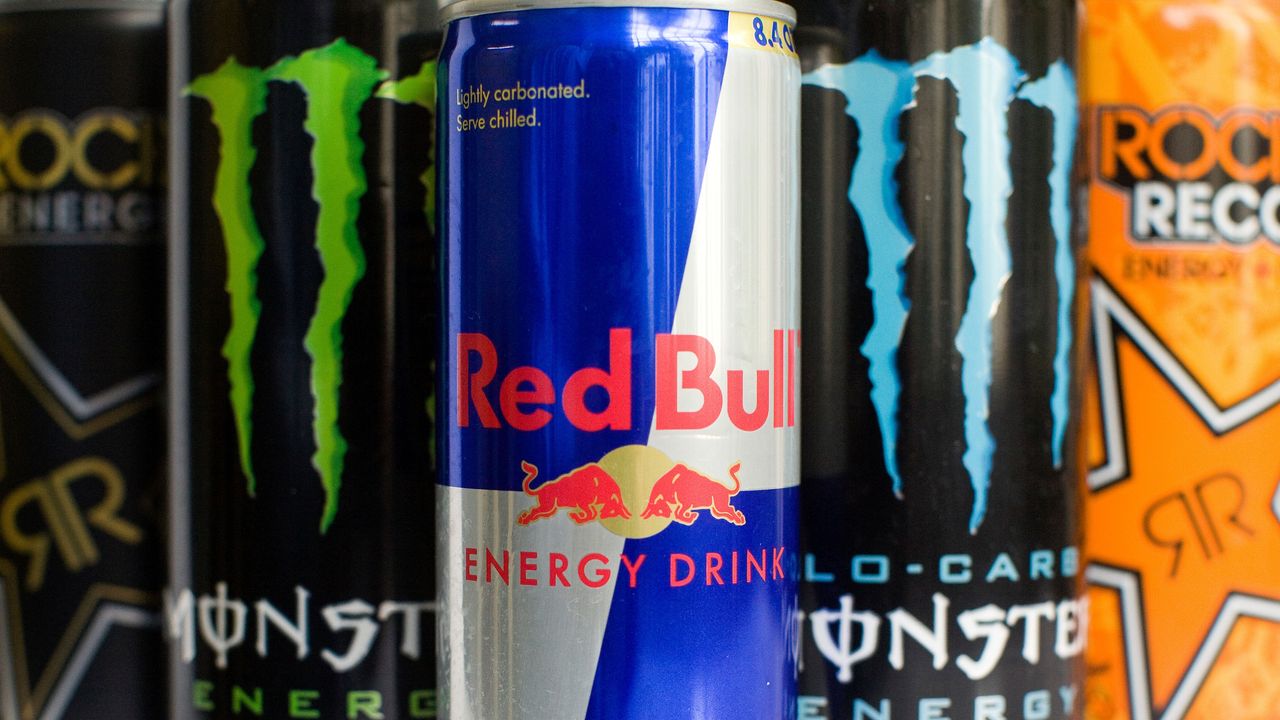
- Red Bull: Arguably the pioneer of the modern energy drink industry, Red Bull is perhaps the most well-known brand to prominently feature taurine. The iconic “Red Bull gives you wings” slogan is often associated with the energizing blend of taurine, caffeine, sugar, and B vitamins found in their original formulation. Red Bull’s commitment to taurine has been a cornerstone of their product since its inception.
- Monster Energy: Another titan in the energy drink market, Monster Energy offers a wide range of flavors and formulations, many of which include taurine. Their classic “Green” flavor and various other editions like “Ultra” (sugar-free) and “Java Monster” (coffee-based) often list taurine as a key ingredient. The branding and aggressive marketing of Monster Energy often appeal to a demographic seeking intense energy boosts.
- Rockstar Energy: Similar to Monster, Rockstar Energy is a major competitor with a diverse product line. Taurine is a common ingredient across many of their offerings, from their original cans to specialized formulations designed for specific needs, such as pre-workout or recovery.
Emerging Brands and Specialized Formulations
Beyond the major players, a host of other brands incorporate taurine into their energy-boosting concoctions, often with unique selling propositions or targeting niche markets.
- Bang Energy: Known for its high caffeine content and often catering to fitness enthusiasts, Bang Energy drinks are frequently formulated with taurine. They emphasize their “super creatine” and other performance-enhancing ingredients, with taurine playing a supportive role in their energy matrix.
- NOS Energy Drink: Inspired by the automotive world, NOS Energy Drink aims to provide a significant energy surge. Taurine is a standard ingredient in their formulations, often alongside high levels of caffeine and other stimulants.
- Adrenaline Shoc (A Shoc): This brand often promotes its energy drinks as being cleaner or healthier alternatives, focusing on natural ingredients and less sugar. However, taurine is still commonly found in their formulations, contributing to the overall energizing effect.
- Celsius: While Celsius has gained popularity for its focus on fitness and metabolism, many of its products also contain taurine, albeit sometimes in lower concentrations compared to more traditional energy drinks. They often highlight the combination of vitamins, green tea extract, and taurine for sustained energy.
- VPX Redline: VPX is another company that produces a range of performance-oriented beverages, including energy drinks that often feature taurine as a key component.

Beyond the Core: Understanding Taurine’s Role in Energy Drink Formulations
It’s crucial to understand that taurine rarely operates in isolation within an energy drink. Its inclusion is part of a carefully crafted formula designed to achieve a specific effect.
The Caffeine-Taurine Synergy: A Powerful Duo
As mentioned earlier, the combination of taurine and caffeine is perhaps the most significant factor driving the popularity of these beverages. Caffeine is a central nervous system stimulant that blocks adenosine, a neurotransmitter that promotes relaxation and sleepiness. This leads to increased alertness and reduced perception of fatigue. Taurine, in turn, is thought to:
- Enhance Caffeine’s Effectiveness: By influencing neurotransmitter pathways and protecting neurons, taurine may help to amplify caffeine’s wakefulness-promoting effects.
- Mitigate Caffeine’s Downsides: Some research suggests taurine might help to buffer some of the negative side effects of high caffeine intake, such as jitters or anxiety, though this is not universally experienced.
- Improve Cognitive Performance: The combined effect is often seen in improved focus, attention span, and reaction times, which are highly sought after by consumers.
The Supporting Cast: Other Key Ingredients
While taurine and caffeine often steal the spotlight, energy drinks typically contain a supporting cast of ingredients that contribute to their overall profile:
- B Vitamins (B3, B5, B6, B12): These vitamins are vital for energy metabolism, helping the body convert food into usable energy. Their presence in energy drinks reinforces the energy-boosting claims.
- Sugars (Sucrose, Glucose, Fructose): These provide a rapid source of energy, contributing to the initial “rush” often associated with energy drinks. However, the high sugar content is a common concern for health professionals.
- Artificial Sweeteners (Sucralose, Acesulfame Potassium, Aspartame): Many sugar-free or low-sugar energy drinks utilize artificial sweeteners to achieve a sweet taste without the caloric impact of sugar.
- Amino Acids (Glutamine, Arginine, etc.): Some formulations may include other amino acids, often with claims related to muscle recovery or performance.
- Herbal Extracts (Ginseng, Guarana, Ginkgo Biloba): These natural ingredients are often added for their own purported energy-enhancing or cognitive-boosting properties, further complementing the effects of taurine and caffeine.
- Acids (Citric Acid, Malic Acid): These are used for flavor and as preservatives.
Considerations and Cautions
While taurine is a naturally occurring substance and is generally considered safe for consumption in the amounts found in energy drinks, there are important considerations for consumers:
Moderation is Key
The high caffeine content in many energy drinks, coupled with other stimulants, can lead to adverse effects if consumed excessively. These can include:
- Increased Heart Rate and Blood Pressure: Particularly for individuals with pre-existing cardiovascular conditions.
- Sleep Disturbances: The stimulant effects can interfere with natural sleep cycles.
- Anxiety and Jitters: Overstimulation of the nervous system can cause feelings of nervousness and unease.
- Digestive Issues: Some individuals may experience upset stomachs.
The Sugar Content Debate
For energy drinks that contain sugar, the high quantities can contribute to weight gain, dental problems, and an increased risk of type 2 diabetes when consumed regularly. Sugar-free options, while avoiding these sugar-related risks, come with their own set of considerations regarding artificial sweeteners.
Not a Substitute for Healthy Habits
It’s essential to view energy drinks as a temporary boost, not a sustainable solution for fatigue. Prioritizing adequate sleep, a balanced diet, and regular physical activity remains the foundation of true energy and well-being.
Vulnerable Populations
Children, adolescents, pregnant and breastfeeding women, and individuals sensitive to caffeine should exercise extreme caution or avoid energy drinks altogether. The high stimulant load can have more pronounced and potentially harmful effects on these groups.

Conclusion
Taurine is a fascinating amino acid that plays a vital role in numerous bodily functions. Its inclusion in energy drinks is a strategic choice, aimed at synergizing with caffeine and other ingredients to deliver enhanced alertness, focus, and sustained energy. From global giants like Red Bull and Monster Energy to niche brands, taurine is a common thread running through the fabric of the energy drink industry. While these beverages can offer a quick pick-me-up, understanding their ingredients, potential benefits, and, most importantly, their risks is paramount for informed consumption. As with any dietary supplement or functional beverage, moderation, awareness, and a commitment to a healthy lifestyle should always take precedence.
aViewFromTheCave is a participant in the Amazon Services LLC Associates Program, an affiliate advertising program designed to provide a means for sites to earn advertising fees by advertising and linking to Amazon.com. Amazon, the Amazon logo, AmazonSupply, and the AmazonSupply logo are trademarks of Amazon.com, Inc. or its affiliates. As an Amazon Associate we earn affiliate commissions from qualifying purchases.