
The Financial Definition and Historical Significance of Noble Metals
When discussing noble metals, the immediate connotation for investors and economists extends far beyond their mere chemical properties. In a financial context, the term “noble” speaks to an intrinsic value derived from a unique combination of characteristics: exceptional resistance to corrosion and oxidation, remarkable rarity, and a storied history as a store of wealth and medium of exchange. These elements stand apart from base metals precisely because their chemical inertness grants them durability, making them ideal for long-term preservation of value. This resistance to tarnishing and degradation ensures their physical integrity over millennia, a quality indispensable for assets intended to transcend economic cycles and political instability. Their scarcity, combined with the energy and cost required for extraction and refinement, further underpins their high market value.
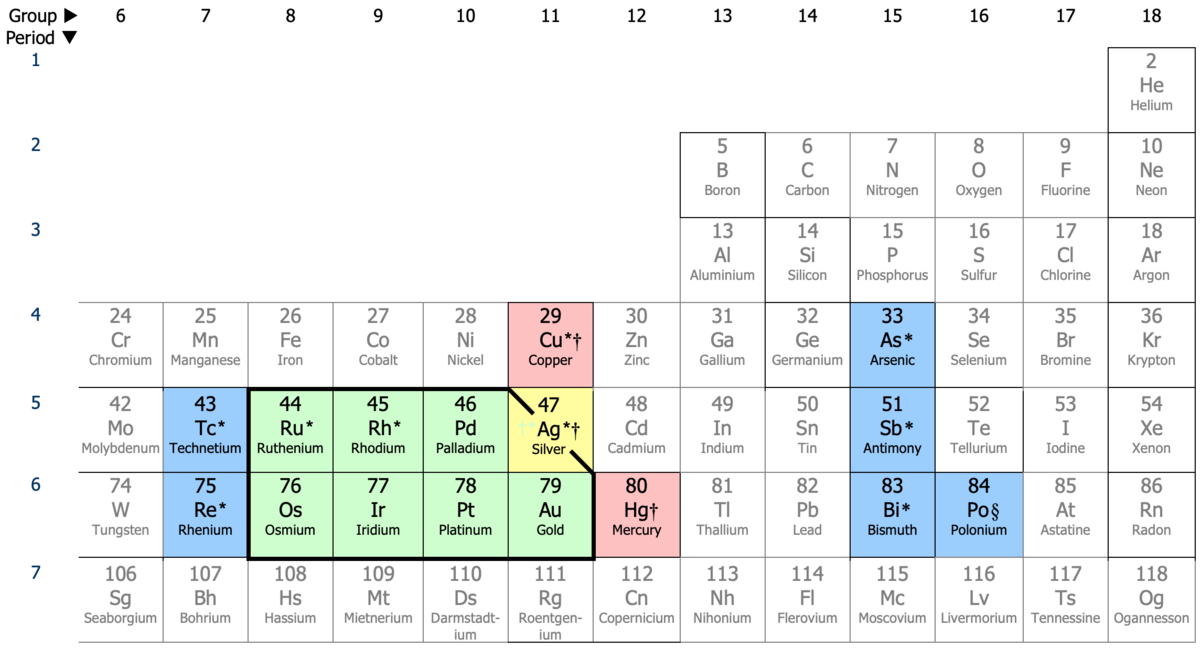
The economic significance of noble metals is deeply rooted in these fundamental properties. Unlike fiat currencies, which can be printed at will, or many commodities whose value fluctuates wildly with production cycles, noble metals possess a tangible, finite supply. This scarcity, coupled with their enduring physical nature, translates directly into monetary and investment appeal. They are not merely industrial inputs; they are assets in their own right, capable of preserving purchasing power across generations. This foundational understanding is critical for anyone seeking to comprehend their role in global finance and personal wealth management.
A Legacy of Wealth: From Ancient Currencies to Modern Investment
The journey of noble metals, particularly gold and silver, as cornerstones of wealth is as old as civilization itself. Their inherent beauty, malleability, and resistance to tarnish made them immediate candidates for ornamentation, and soon after, for coinage. Gold and silver coins served as the backbone of countless ancient empires, facilitating trade, denoting status, and acting as reliable stores of value long before the advent of paper money. Their uniform quality and divisibility made them ideal universal currencies, accepted across diverse cultures and economies.
The 19th and early 20th centuries saw much of the world operate under a gold standard, where national currencies were directly convertible into a fixed quantity of gold. This system, though eventually abandoned, solidified gold’s status as the ultimate monetary metal, a benchmark against which all other forms of money were measured. While modern monetary systems are largely fiat-based, the legacy of gold and silver as foundational assets endures. Today, they continue to be highly liquid commodities traded on global exchanges, held by central banks as reserve assets, and cherished by individual investors as a hedge against economic uncertainty, inflation, and currency devaluation. Their transition from direct currency to a sophisticated investment asset class underscores their persistent relevance in a complex financial landscape.
Core Noble Metals: An Investor’s Perspective
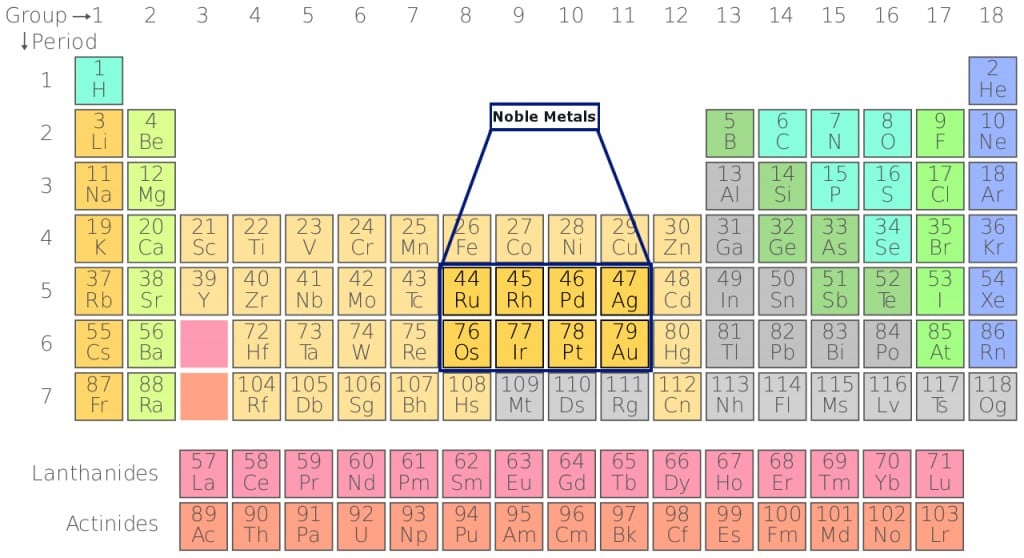
The universe of noble metals relevant to investors extends beyond the commonly known gold and silver to include the distinct and highly valuable platinum group metals (PGMs). Each metal offers a unique risk-reward profile, driven by a blend of investment demand, industrial utility, and supply-side dynamics. Understanding these nuances is crucial for strategic asset allocation.
Gold: The Ultimate Hedge and Safe Haven
Gold stands as the quintessential noble metal for investors, universally recognized as a safe haven asset. Its appeal stems from a variety of factors. Historically, gold has exhibited a low or negative correlation with traditional financial assets like stocks and bonds, making it an excellent diversifier during periods of market turmoil. When equities falter, or geopolitical tensions escalate, investors often flock to gold, driving up its price. This characteristic makes it a vital component for risk-averse portfolios seeking to mitigate downside volatility.
Furthermore, gold is widely regarded as an effective hedge against inflation and currency devaluation. As central banks engage in quantitative easing or governments accrue significant debt, fears of inflation often push investors towards tangible assets like gold, which tend to retain their purchasing power more effectively than fiat currencies. Central banks themselves are significant holders of gold, maintaining vast reserves as a strategic asset and a bulwark against financial instability. Global demand for gold is diverse, encompassing jewelry (the largest component), investment (bullion, coins, ETFs), and industrial applications (electronics, dentistry). This multifaceted demand profile, combined with finite supply and the metal’s deep historical roots in finance, solidifies gold’s position as a critical long-term wealth preservation tool.
Silver: The Dual-Purpose Metal
Silver occupies a unique position among noble metals, serving a dual role as both a monetary metal and a critical industrial commodity. This duality gives silver a distinctive market dynamic, often leading to higher volatility compared to gold. As a monetary metal, silver shares many characteristics with gold: it has been used as currency for millennia, is highly liquid, and is often sought as a safe haven during economic uncertainty, though typically to a lesser degree than gold.

However, a significant portion of silver demand comes from industrial applications, which can account for over half of its annual consumption. Silver’s exceptional electrical conductivity, thermal conductivity, and reflectivity make it indispensable in a vast array of high-tech industries. Key demand drivers include electronics (switches, conductors), solar panels (photovoltaics), medical applications, photography (though declining), and brazing alloys. This strong industrial component means silver prices are heavily influenced by global economic health and manufacturing output. During periods of robust economic growth, industrial demand can surge, pushing prices higher. Conversely, economic slowdowns can depress demand and prices. This industrial sensitivity, combined with its investment appeal, positions silver as an intriguing, albeit more volatile, asset for investors seeking exposure to both economic growth and traditional safe-haven characteristics.
Platinum Group Metals (PGMs): Industrial Demand Fuels Investment
The Platinum Group Metals (PGMs) — platinum, palladium, rhodium, ruthenium, iridium, and osmium — are a family of six rare, dense, and highly corrosion-resistant precious metals. While all possess noble characteristics, platinum and palladium are the most significant for investors due to their larger market size and more established trading infrastructure. Their primary value proposition is tied to their exceptional catalytic properties and high melting points, making them indispensable across various high-tech industries.
Platinum is known for its versatility, finding demand in three main sectors: automotive catalysts, jewelry, and industrial applications. In automotive catalysts, platinum helps convert harmful emissions into less toxic substances, a vital role in meeting global environmental regulations. As a precious metal, it is also highly prized in jewelry, particularly in Asia, and in investment products like coins and bars. Industrially, platinum is used in petroleum refining, chemical processing, medical devices, and fuel cells. Its price often tracks global economic growth and auto industry performance.
Palladium has seen remarkable price appreciation in recent years, largely driven by its dominant role in gasoline vehicle catalytic converters. Stricter emissions standards worldwide, particularly in China and Europe, have fueled intense demand for palladium, which is more effective at treating gasoline exhaust than platinum. This concentrated demand, coupled with a highly constrained supply (primarily from Russia and South Africa), has made palladium one of the most volatile and often best-performing noble metals. However, its strong link to the internal combustion engine market also presents long-term risks as the automotive industry transitions towards electric vehicles.
Rhodium, a lesser-known PGM, has periodically commanded prices significantly higher than gold and platinum due to its extreme rarity and critical use in three-way catalytic converters, particularly for diesel engines. Its market is highly illiquid and susceptible to massive price swings based on even minor shifts in supply or automotive demand. Ruthenium, iridium, and osmium are even rarer, with smaller, more specialized industrial applications in electronics, electrochemistry, and highly durable alloys. Their markets are extremely thin, making them less accessible for general investment but highlighting the specialized and high-value nature of the PGM family.
Integrating Noble Metals into an Investment Portfolio
For savvy investors, noble metals offer more than just a shiny appeal; they provide strategic advantages within a diversified portfolio. Understanding how to gain exposure and what factors influence their value is key to harnessing their potential.
Pathways to Investment
Investors have several avenues to gain exposure to noble metals, each with its own set of advantages and considerations:
- Physical Bullion: This involves purchasing actual bars, coins, or rounds of gold, silver, platinum, or palladium. Advantages include direct ownership, elimination of counterparty risk, and a tangible asset. Disadvantages include storage costs, insurance, and potential liquidity issues when selling large quantities. For long-term wealth preservation, physical bullion, stored securely, remains a popular choice.
- Exchange-Traded Funds (ETFs): Many ETFs track the price of specific noble metals, offering an easy and cost-effective way to invest. These funds typically hold physical metal on behalf of investors, though some use futures contracts. ETFs provide liquidity, diversification (if investing in a PGM basket), and lower transaction costs compared to physical purchases. However, investors do not directly own the physical metal, and management fees apply.
- Futures and Options: For experienced traders, futures contracts offer leveraged exposure to noble metal prices. This approach allows for significant gains (or losses) from small price movements but carries substantial risk. Options provide more flexibility but are also complex derivatives. These instruments are generally used for speculation or hedging by institutional investors.
- Mining Stocks: Investing in shares of companies that mine noble metals provides indirect exposure. The value of these stocks is influenced not only by metal prices but also by company-specific factors such as production costs, management efficiency, geopolitical risks in mining regions, and exploration success. This method offers potential for higher returns if a company outperforms, but also introduces equity-specific risks.
Market Drivers and Strategic Allocation
The prices of noble metals are influenced by a complex interplay of macro-economic, geopolitical, and supply-demand factors. Key drivers include:
- Interest Rates and U.S. Dollar Strength: As non-yielding assets, gold and silver often have an inverse relationship with interest rates. Higher interest rates make alternative investments more attractive, potentially reducing demand for metals. A stronger U.S. dollar also tends to depress metal prices, as these commodities are priced in dollars, making them more expensive for foreign buyers.
- Inflation Expectations: Noble metals are often seen as a hedge against inflation. When inflation is anticipated or rises, investors tend to buy gold and silver to preserve purchasing power.
- Industrial Demand: For silver and PGMs, industrial usage is a significant factor. Economic growth, automotive production trends, and technological advancements (e.g., solar energy, electronics) directly impact demand and prices.
- Geopolitical Events and Economic Uncertainty: Periods of global instability, wars, trade disputes, or financial crises typically boost demand for safe-haven assets like gold.
- Supply Dynamics: Mine production, recycling rates, and above-ground stockpiles all influence supply. Disruptions due to labor strikes, political unrest in mining regions, or environmental regulations can constrain supply and push prices higher.
Strategically, noble metals can play a crucial role in enhancing portfolio diversification and risk management. Their low correlation with traditional asset classes means they can act as an anchor during downturns, potentially smoothing overall portfolio returns. While they may not always outperform, their primary function is often to preserve capital and provide a hedge against systemic risks. Allocating a modest portion of a portfolio (typically 5-15%) to noble metals is a common strategy for long-term wealth preservation and financial resilience.
aViewFromTheCave is a participant in the Amazon Services LLC Associates Program, an affiliate advertising program designed to provide a means for sites to earn advertising fees by advertising and linking to Amazon.com. Amazon, the Amazon logo, AmazonSupply, and the AmazonSupply logo are trademarks of Amazon.com, Inc. or its affiliates. As an Amazon Associate we earn affiliate commissions from qualifying purchases.