
In the high-stakes world of corporate identity, color is more than a visual preference; it is a psychological anchor. From the specific shade of a luxury jewelry box to the vibrant red of a beloved childhood candy, color serves as a silent ambassador for a brand’s promise. However, the landscape of brand management was recently jolted by a significant regulatory shift: the banning of specific synthetic dyes, most notably Red Dye No. 3 in certain jurisdictions and the increasing scrutiny of Titanium Dioxide.
When a core component of a product’s visual identity is declared a health risk and banned, it creates a “Brand Crisis of Aesthetics.” This article explores the strategic implications of these bans, analyzing how brands navigate the treacherous waters of regulatory compliance while attempting to maintain the visual consistency that defines their market presence.

The Psychology of Color in Brand Identity
For a brand, a color is a trademarked asset. It is the shorthand for quality, nostalgia, and reliability. When a dye is banned, a brand does not just lose an ingredient; it loses a piece of its visual language.
Why Red Dye No. 3 Became a Signature for Iconic Brands
For decades, Red Dye No. 3 (Erythrosine) was the industry standard for achieving a “neon” or “electric” pink and red that natural alternatives simply could not replicate. In the confectionery and pharmaceutical industries, this dye became synonymous with specific flavor profiles. For a brand, the use of this dye was a strategic choice to ensure that their product stood out on a crowded shelf. The ban on this dye forces brands to confront the “Visual Contract” they have with their customers—the unspoken agreement that the product will look exactly the same every time it is purchased.
The Visual Contract: Consistency vs. Compliance
Brand strategy is built on the pillar of consistency. If a consumer opens a package of seasonal candies and finds the color muted or “off,” the perceived value of the brand drops. This is the paradox of the banned dye: brands must choose between maintaining a legacy look using potentially controversial ingredients (until the deadline) or pivoting to “clean” alternatives that might alter the brand’s iconic appearance. Successful brand managers view this not as a technical hurdle, but as a strategic pivot to reinforce trust.
Navigating the Regulatory Shift: A Case Study in Brand Crisis
The banning of a dye is rarely an overnight event; it is usually the culmination of years of advocacy and scientific review. How a brand chooses to respond to this timeline defines its corporate identity for the next decade.
The Impact of the FDA and EU Bans on Market Positioning
The divergence between European and American regulations has created a tiered brand experience. For years, many global brands used natural colorants in Europe (where certain dyes were already restricted) while continuing to use synthetic dyes in the United States. When domestic bans—such as the California Food Safety Act—began to gain traction, these brands faced a “Transparency Crisis.”
From a brand strategy perspective, having two different formulas for the same brand name undermines the “Universal Brand Promise.” Consumers began to ask: “If it’s not safe enough for Europe, why is it in my food here?” This question can erode decades of brand equity in a matter of months.
Transparency as a Brand Asset: Lessons from the Food and Fashion Industries
In the fashion industry, the ban on certain Azo dyes (which can release carcinogenic amines) forced a total overhaul of supply chain branding. Brands that were proactive—announcing their move away from these dyes before legislation forced their hand—saw an increase in “Brand Affinity.”
In contrast, brands that waited until the final legal deadline often faced “Reactive Branding,” where they were seen as laggards who prioritized cost over consumer safety. The lesson for brand strategists is clear: in the digital age, transparency isn’t just a legal requirement; it is a core component of marketing.
Rebranding the Formula: The Technical and Marketing Challenge
Once a dye is banned, the work moves from the legal department to the R&D and marketing labs. The challenge is to change everything while making it seem as though nothing has changed at all.
Maintaining Visual Fidelity During Ingredient Transitions
When a brand replaces a synthetic dye like Red 3 with beet juice, turmeric, or spirulina, the chemical stability changes. Natural dyes are often sensitive to light, heat, and pH levels. For a brand, this presents a significant risk to “Shelf Identity.” If a product’s color fades after three weeks on the shelf, the brand appears “expired” or “cheap” to the consumer.
Strategic brand management during this transition involves “Gradualism.” Some brands choose to slowly shift the hue over several production cycles, conditioning the consumer’s eye to the new reality without triggering the alarm of a sudden change.
Marketing the “Clean Label” Evolution
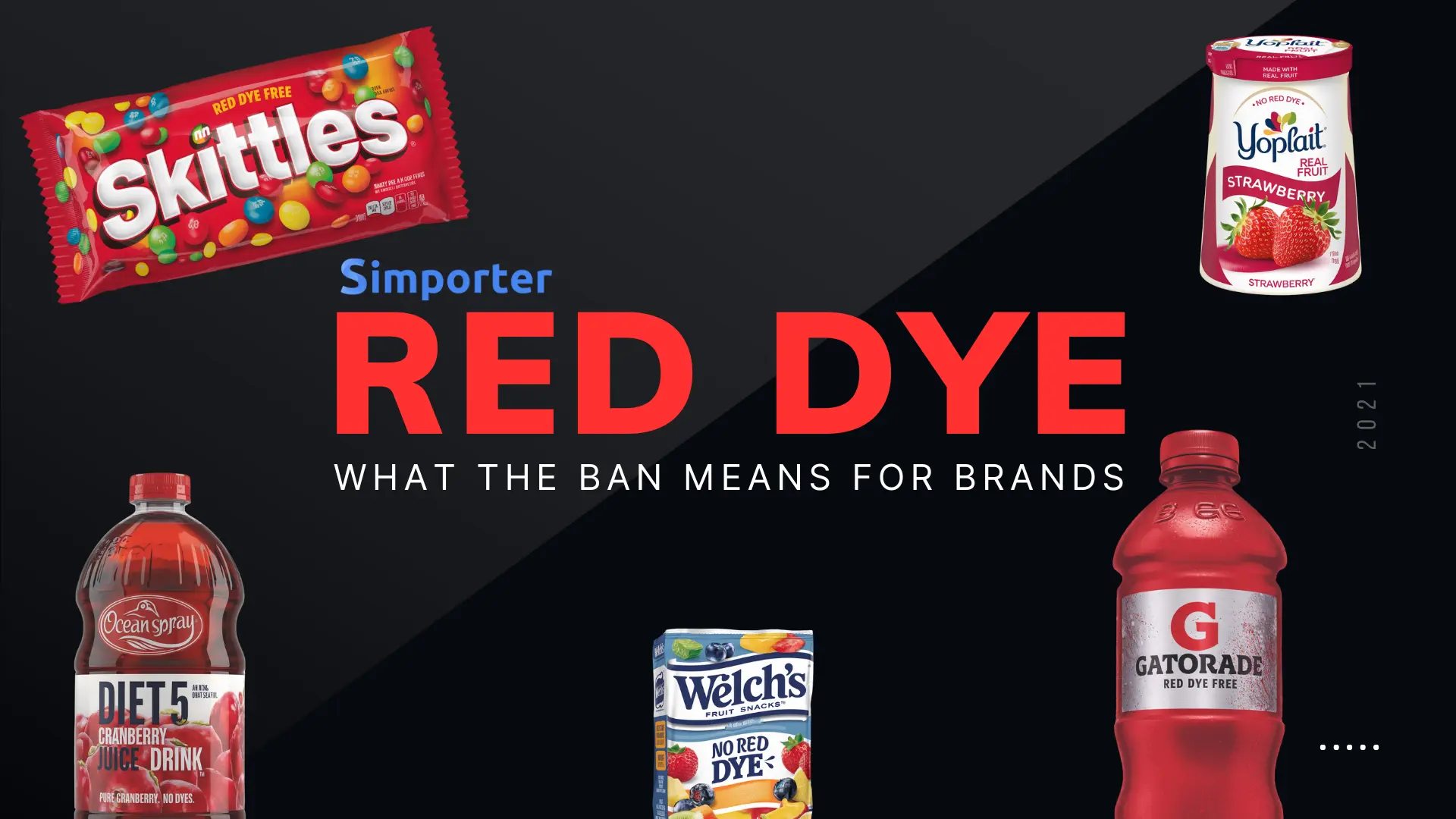
The most successful brands do not hide the fact that they have removed a banned dye; they celebrate it. This is the “Clean Label” strategy. By rebranding a forced regulatory change as a “Commitment to Wellness,” companies can turn a potential PR nightmare into a marketing win.
For example, when a major confectionery brand removes a banned dye, they often relaunch with packaging that highlights “No Artificial Dyes.” This shifts the narrative from “We were forced to change” to “We are listening to our consumers.” This strategic framing is essential for maintaining market share during a transition that could otherwise alienate long-term fans.
The Future of Brand Resilience in a Non-Toxic World
The ban on specific dyes is a harbinger of a broader trend toward “Radical Ingredient Transparency.” Brands that want to survive the next thirty years must rethink their relationship with synthetic aesthetics.
Proactive Ethics: Anticipating Future Bans
Modern brand strategy now requires a “Forensic Look” at the supply chain. Leading brands are currently auditing their use of any “Synthetic Identity” markers—including dyes that are currently legal but under scientific scrutiny (such as Yellow 5 and Blue 1). By moving to natural or safer alternatives before a ban is announced, a brand can claim the “Ethical High Ground.” This proactive stance builds a “Reputation Buffer,” protecting the brand from future regulatory shocks.
Building Loyalty Beyond the Pigment
Ultimately, a brand must be more than its color. While the “Tiffany Blue” or “Ferrari Red” are iconic, the strength of the brand must reside in the consumer’s emotional connection to the product’s performance and the company’s values.
The companies that have successfully navigated dye bans are those that have invested heavily in “Multi-Sensory Branding.” They focus on texture, scent, and storytelling, ensuring that even if the visual hue shifts slightly, the “Brand Soul” remains intact. In an era where chemicals are increasingly scrutinized, the most valuable “dye” a brand can use is the color of integrity.
Conclusion: The Strategic Path Forward
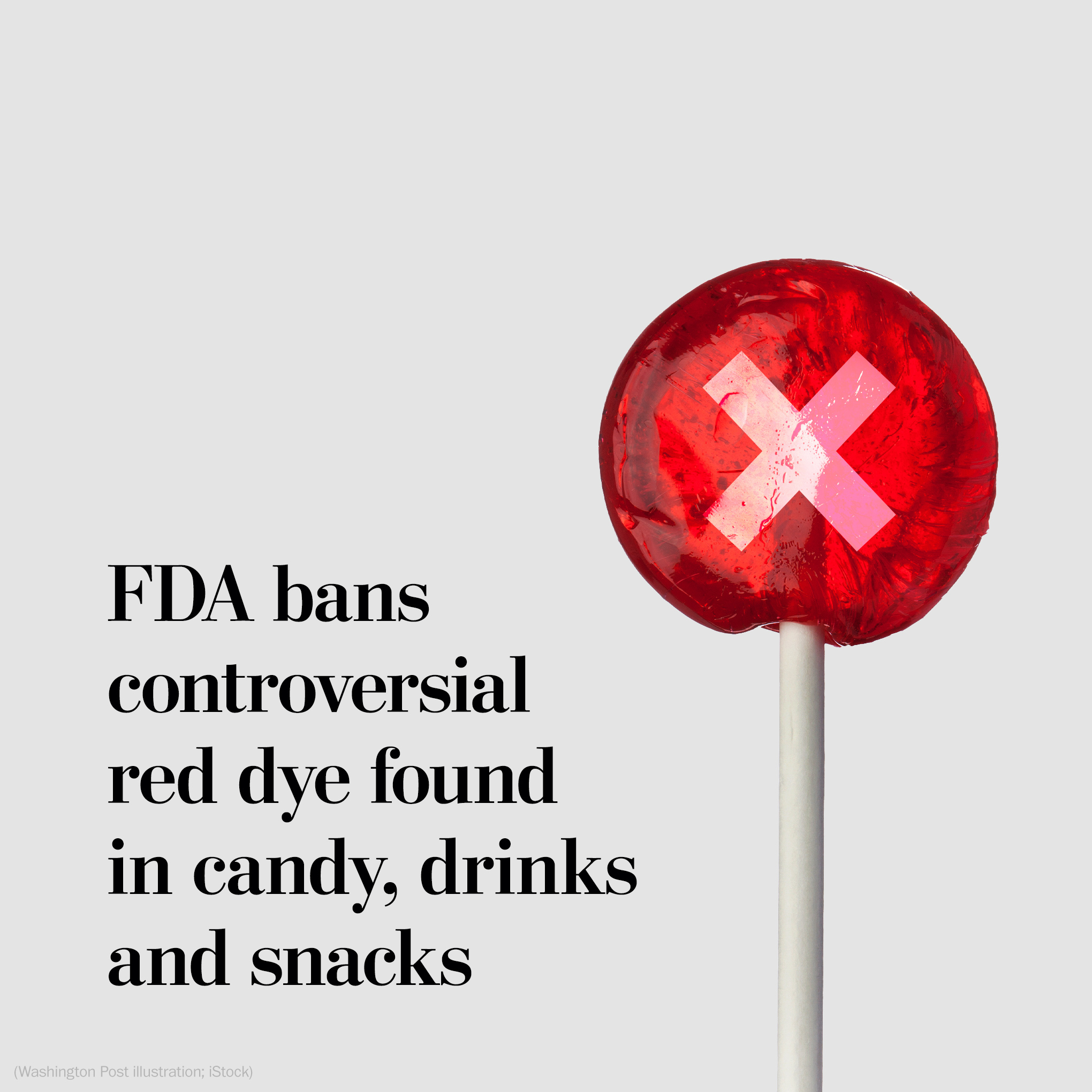
The banning of a dye is a litmus test for a brand’s resilience. It exposes the tension between the desire for visual perfection and the necessity of consumer safety. For brand managers, the takeaway is twofold. First, visual identity must be flexible; tethering a brand too tightly to a specific synthetic chemical is a recipe for future obsolescence. Second, the response to a ban is more important than the ban itself.
As we move toward a marketplace defined by health-conscious consumers and rigorous environmental standards, “Brand Health” will literally be measured by the ingredients inside the package. The brands that will lead the next generation are those that view a ban not as a restriction, but as an invitation to innovate, lead with transparency, and redefine what it means to be a “colorful” brand in a modern, safety-conscious world.
aViewFromTheCave is a participant in the Amazon Services LLC Associates Program, an affiliate advertising program designed to provide a means for sites to earn advertising fees by advertising and linking to Amazon.com. Amazon, the Amazon logo, AmazonSupply, and the AmazonSupply logo are trademarks of Amazon.com, Inc. or its affiliates. As an Amazon Associate we earn affiliate commissions from qualifying purchases.