
The human pupil, that dynamic aperture controlling light entry into our eyes, is a fascinating physiological indicator. Its size can fluctuate in response to ambient light, but also to a surprising array of internal factors, including the influence of various substances. When we ask, “What drugs make pupils dilated?” we’re delving into a complex interplay of pharmacology, neurochemistry, and even societal forces. While a direct medical diagnosis should always come from a qualified professional, understanding which substances can cause pupillary dilation offers insights into their mechanisms of action, potential risks, and broader implications that touch upon technology, branding, and financial ecosystems.
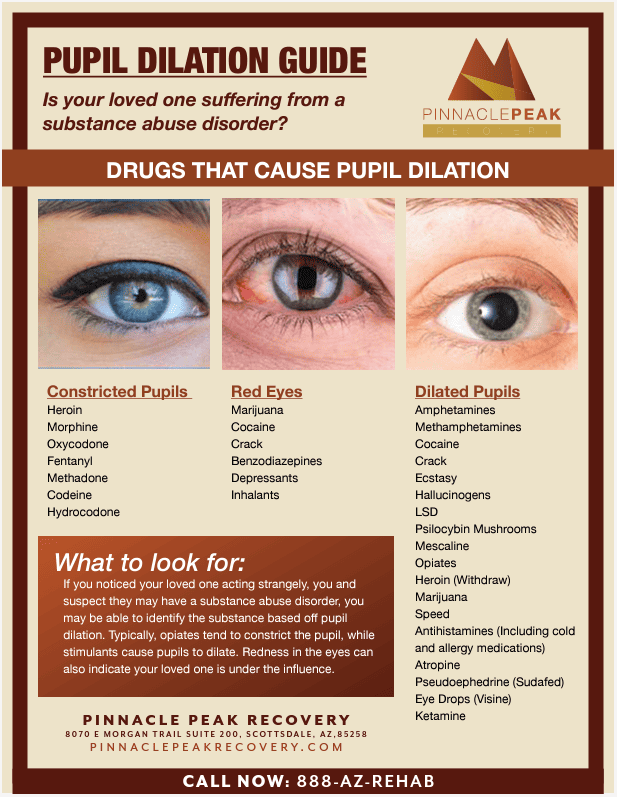
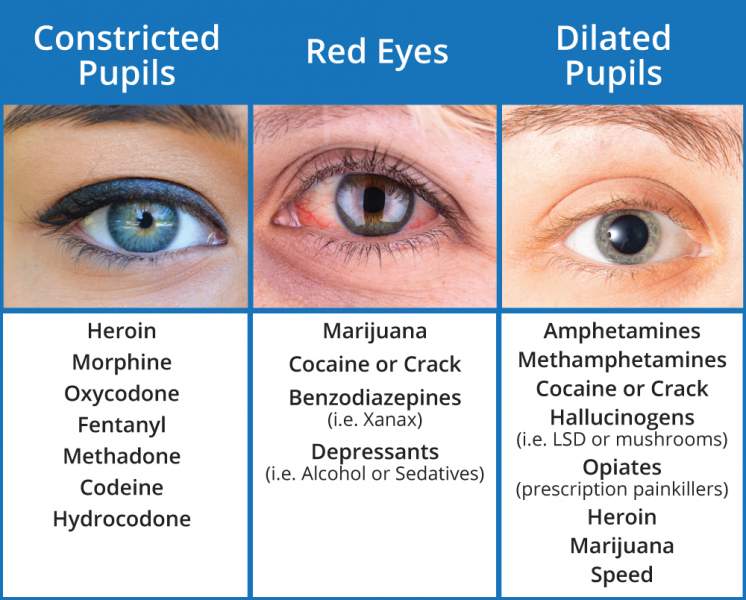
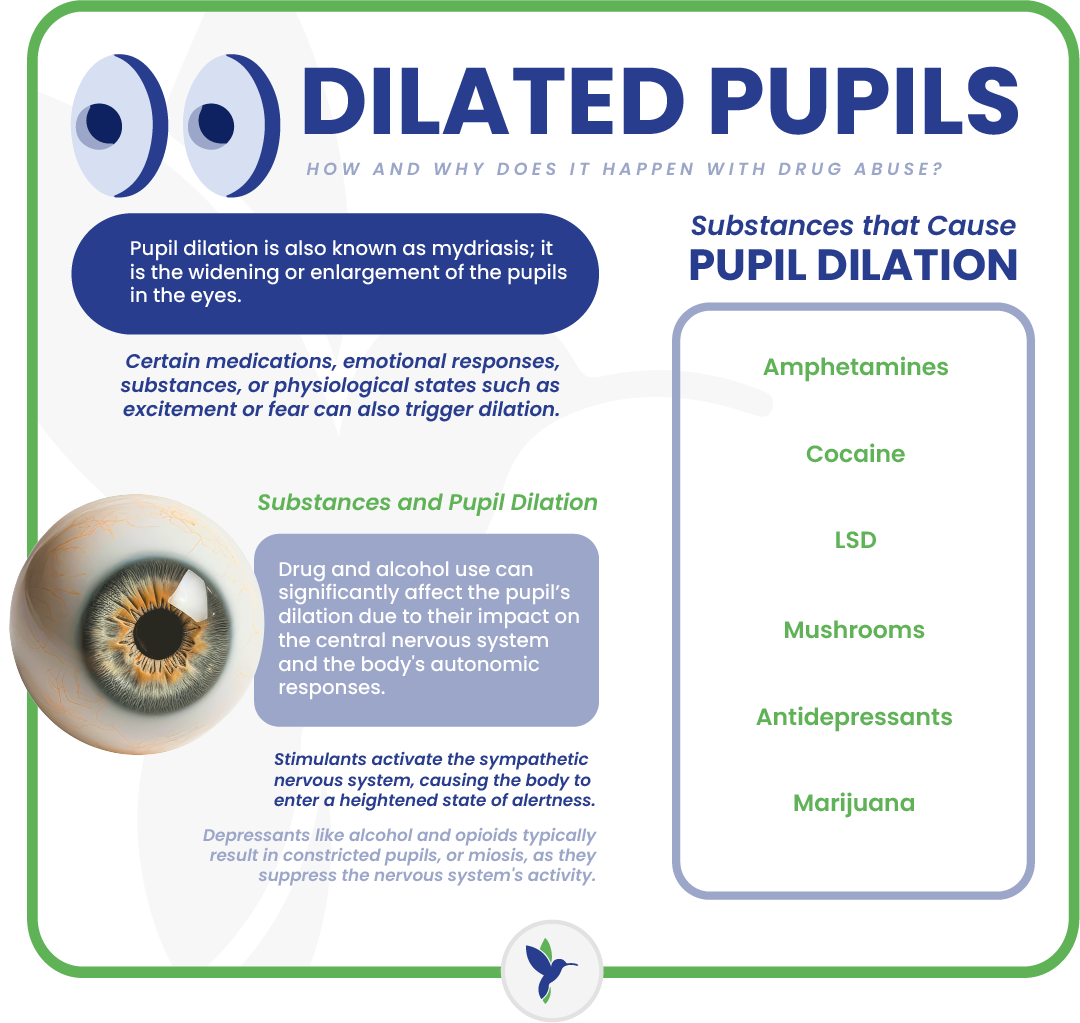
Pupil dilation, medically known as mydriasis, occurs when the dilator muscles of the iris contract, widening the pupil. This response is often mediated by the sympathetic nervous system, which is stimulated by certain drugs, leading to the release of neurotransmitters like norepinephrine and dopamine. Conversely, pupil constriction (miosis) is typically associated with the parasympathetic nervous system. The degree and duration of dilation can vary significantly depending on the drug, the dosage, individual metabolism, and other physiological factors.
While the immediate visual cue of dilated pupils might seem straightforward, the underlying reasons and the substances responsible are multifaceted. This exploration will bridge the gap between the scientific phenomenon and the wider contexts of technological advancement in detection and understanding, the branding and perception of certain substances, and the significant financial implications associated with their use, control, and treatment.
The Pharmacological Landscape: Which Substances Influence Pupillary Size?
At its core, pupillary dilation caused by drugs is a pharmacological event. Various classes of drugs, acting through different biochemical pathways, can trigger this response. Understanding these categories is crucial to appreciating the breadth of substances that can affect pupil size.
Stimulants: The Most Common Culprits
Stimulants are perhaps the most well-known class of drugs associated with dilated pupils. These substances work by increasing the activity of the central nervous system, leading to a cascade of physiological effects, including increased heart rate, blood pressure, and, crucially, pupillary dilation.
- Cocaine: This potent stimulant is notorious for causing significant mydriasis. Cocaine blocks the reuptake of neurotransmitters like dopamine and norepinephrine, leading to an overabundance of these chemicals in the synaptic cleft. This heightened sympathetic nervous system activity directly impacts the dilator muscles of the iris. The effect is often rapid and pronounced.
- Amphetamines (e.g., Methamphetamine, Adderall): Similar to cocaine, amphetamines also promote the release and inhibit the reuptake of dopamine and norepinephrine. This surge in sympathetic activity results in dilated pupils. The duration of pupil dilation can vary depending on the specific amphetamine and the dosage.
- MDMA (Ecstasy/Molly): While often categorized as an empathogen, MDMA also possesses significant stimulant properties. It affects serotonin, dopamine, and norepinephrine, leading to increased alertness, euphoria, and, commonly, dilated pupils. The combination of psychoactive and stimulant effects makes MDMA a substance with diverse physiological impacts.
- Prescription Stimulants: Medications like methylphenidate (Ritalin, Concerta) and amphetamine salts (Adderall, Vyvanse), prescribed for conditions such as ADHD, are also stimulants and can cause pupillary dilation as a side effect, particularly at therapeutic doses or in cases of overdose.
The mechanism here is consistent: increased sympathetic tone. The brain signals the body to prepare for “fight or flight,” and one of the subtle but observable signs is the widening of the pupils to allow more light in, potentially enhancing visual input in a perceived high-stakes situation.
Hallucinogens and Psychedelics: Altering Perception and Physiology
Beyond stimulants, certain hallucinogenic and psychedelic substances can also induce pupillary dilation, though often through different primary mechanisms. While their main impact is on perception, the physiological changes can be significant.
- LSD (Lysergic Acid Diethylamide): LSD is a classic psychedelic known for causing profound alterations in perception, mood, and thought. Pupillary dilation is a very common and often pronounced effect. The exact mechanism is still debated, but it’s believed to involve complex interactions with serotonin receptors in the brain, which indirectly influence autonomic nervous system control over pupil size.
- Psilocybin (Magic Mushrooms): Similar to LSD, psilocybin, the active compound in magic mushrooms, can lead to significant pupillary dilation. Its interaction with serotonin receptors is thought to be the primary driver of both its psychedelic effects and the accompanying mydriasis.
- Mescaline (Peyote): Mescaline, found in the peyote cactus, is another psychedelic that reliably causes dilated pupils. It also interacts with serotonin receptors and can lead to a range of sensory and perceptual changes alongside pupillary dilation.
- DMT (Dimethyltryptamine): While the subjective experience of DMT is often short-lived and intense, pupillary dilation is a common physiological response during its use.
The dilation in these cases might be less about preparing for immediate action and more a consequence of the altered neurochemical balance that underlies the psychedelic experience itself. The brain’s processing of sensory information is dramatically affected, and the pupil size can reflect this internal shift.
Anticholinergics: Blocking the Parasympathetic System
A distinct class of drugs that cause pupillary dilation are anticholinergics. These substances block the action of acetylcholine, a neurotransmitter primarily associated with the parasympathetic nervous system, which is responsible for pupil constriction.
- Atropine: Historically and medically, atropine is a well-known anticholinergic used in ophthalmology to dilate pupils for eye examinations. It directly blocks muscarinic acetylcholine receptors in the iris sphincter muscle, preventing it from contracting and thus causing dilation.
- Scopolamine: Similar to atropine, scopolamine is an anticholinergic that can cause mydriasis. It’s found in some plants and can be used medically, but also occurs in recreational contexts, sometimes through accidental ingestion of contaminated substances.
- Benztropine (Cogentin): This medication is primarily used to treat Parkinson’s disease symptoms and is an anticholinergic. It can cause pupil dilation and other side effects like dry mouth and blurred vision.
- Certain Antihistamines: Some older generations of antihistamines, like diphenhydramine (Benadryl), possess anticholinergic properties and can lead to mild pupillary dilation, especially at higher doses.
By inhibiting the parasympathetic “rest and digest” system, anticholinergics effectively tilt the balance towards sympathetic dominance, leading to pupil widening.
Other Substances and Factors
While the above categories are primary, other substances and factors can influence pupil size.
- Opiates/Opioids (Paradoxical Effect): While opiates like heroin, morphine, and fentanyl are typically associated with constricted pupils (miosis) due to their action on the parasympathetic nervous system, in cases of overdose or severe respiratory depression, the body can enter a state of shock or hypoxia, which can paradoxically lead to pupil dilation as a survival mechanism. It’s important to distinguish between the typical effect and an emergency response.
- Cannabis (Variable Effect): The effect of cannabis on pupil size is less consistent. Some users report slight dilation, while others notice no change or even slight constriction. This variability is likely due to the complex interaction of cannabinoids with various neurotransmitter systems and individual physiological responses.
- Alcohol (Variable Effect): Like cannabis, alcohol’s effect on pupil size is not definitively consistent. Mild intoxication might lead to some dilation, but higher doses or stages of intoxication can have varied effects.
It’s crucial to remember that these are general trends, and individual reactions can differ significantly. Factors like polydrug use, individual tolerance, and pre-existing medical conditions can all play a role in how a drug affects pupil size.
Technological Advancements: Detection, Analysis, and Understanding
The phenomenon of drug-induced pupillary changes, while a clinical sign, has also become a focal point for technological innovation. From detection in law enforcement to advanced research in neuropharmacology, technology plays a critical role in our understanding and management of substances that cause dilated pupils.
AI and Machine Learning in Toxicology and Forensics
The field of toxicology is increasingly leveraging Artificial Intelligence (AI) and Machine Learning (ML) to analyze complex biological data. When it comes to identifying drug use, AI algorithms can be trained on vast datasets to recognize patterns in biological markers, including pupillary responses. While direct pupil measurement might be one input, AI can correlate this with other physiological data (heart rate, skin conductance) or analytical results (drug screens) to provide more accurate assessments.
- Pattern Recognition: AI can identify subtle correlations between specific drug classes and pupillary changes that might be missed by human observation alone. This is particularly useful in forensic toxicology, where identifying drug cocktails can be challenging.
- Predictive Modeling: Researchers are using ML to predict drug effects, including physiological responses like mydriasis, based on drug chemical structures and known mechanisms of action. This aids in anticipating potential side effects and risks.
- Automated Analysis: In the future, AI-powered devices could potentially be used for real-time, non-invasive drug screening, where pupillary responses, combined with other cues, contribute to an initial assessment.
Wearable Technology and Real-time Monitoring
Wearable devices, once primarily for fitness tracking, are evolving to monitor a broader range of physiological parameters. While direct pupil size monitoring via wearables is still nascent, the technology is moving in that direction. More commonly, wearables can track heart rate variability, electrodermal activity, and body temperature, all of which can be influenced by drugs that also cause pupillary dilation.
- Biometric Data Correlation: By collecting data on heart rate, sleep patterns, and stress levels, wearable technology can provide a broader picture of an individual’s physiological state, which could indirectly support the identification of substance use that includes pupillary changes.
- Remote Patient Monitoring: For individuals undergoing treatment for substance use disorders, wearable tech could potentially offer continuous monitoring of certain physiological indicators that might signal relapse or adverse drug reactions.
- Research Tools: Researchers are using advanced sensor technology, some of which could be integrated into wearables, to study the immediate physiological impacts of various substances in controlled environments.
Digital Forensics and Information Dissemination
The internet and digital platforms play a significant role in both the accessibility of information about drugs and the spread of misinformation. Digital forensics can trace the online pathways of illicit substance procurement and the dissemination of knowledge, including harmful or inaccurate information about drug effects like pupil dilation.
- Tracking Online Markets: Law enforcement and cybersecurity experts use digital forensics to track dark web marketplaces and online forums where drugs are discussed and sold.
- Combating Misinformation: Technology is also crucial in identifying and flagging misinformation about drug effects, dosages, and risks that proliferate online. Accurate information about drug-induced mydriasis is vital for harm reduction.
The Brand and Perception of Substances
The way drugs are perceived, discussed, and even “branded” in society has a significant impact on their use and the societal response to them. The visual cue of dilated pupils can become part of this brand, influencing how a drug is recognized and discussed.
Cultural Associations and Media Portrayals
Certain drugs have developed strong cultural associations, often amplified by their portrayal in media, music, and art. The image of a person with wide, dilated pupils has become a visual shorthand for intoxication, particularly with stimulants and psychedelics. This visual branding can:
- Glamorize or Demonize: Depending on the context, dilated pupils can be depicted as a sign of intense experience, rebellion, or danger, shaping public perception.
- Aid in Identification (Stereotypically): In popular culture, dilated pupils are often a key indicator of drug use, sometimes to a stereotypical degree, which can influence how the public perceives the signs of intoxication.
The “Brand” of Illicit vs. Pharmaceutical
There’s a stark contrast in the “branding” of illicit drugs versus pharmaceuticals. Illicit substances often carry the brand of danger, illegality, and unpredictable potency. Their brand is built on word-of-mouth, underground networks, and often a perceived rebellion against societal norms.
Pharmaceuticals, on the other hand, undergo rigorous branding and marketing processes. Even drugs that can cause pupillary dilation as a side effect (like prescription ADHD medications or certain eye drops) are positioned within a framework of medical necessity and therapeutic benefit. Their “brand” emphasizes safety, efficacy, and controlled usage, even though the physiological outcome – pupil dilation – might be the same as with illicit substances.
Personal Branding and Recovery Narratives
Beyond the drugs themselves, the concept of personal branding is increasingly relevant in the context of recovery from substance use disorders. Individuals who have overcome addiction often share their stories, creating a powerful narrative that can be considered a form of personal branding.
- Challenging Stigma: By openly discussing their experiences, including the physical manifestations of past drug use (which might have included dilated pupils), individuals can challenge the stigma associated with addiction.
- Inspiring Hope: These personal narratives, often shared through social media and recovery communities, become brands of resilience and hope, demonstrating that change is possible. The recognition of physiological signs like dilated pupils can be a point of reflection in these journeys.
Financial Ramifications: The Cost of Drugs and Their Impact
The financial implications surrounding drugs that cause pupillary dilation are vast, spanning illicit markets, healthcare systems, and economic productivity.
The Multi-Billion Dollar Illicit Drug Trade
The production, trafficking, and sale of illicit drugs constitute a global black market worth hundreds of billions of dollars annually. Substances that cause pupil dilation, particularly stimulants like cocaine and methamphetamine, are major commodities within this trade.
- Economic Drivers: The high demand and potential for profit drive sophisticated criminal organizations involved in drug trafficking. The financial incentives create a powerful economic engine for the illicit drug trade.
- Enforcement Costs: Governments worldwide spend billions on law enforcement, interdiction, and judicial systems to combat the illicit drug trade. These costs are directly tied to the economic scale of the problem.
Healthcare Costs and Treatment Economics
The health consequences of drug use, including those substances causing mydriasis, impose a significant financial burden on healthcare systems.
- Emergency Services and Hospitals: Overdoses, drug-induced psychosis, and long-term health complications necessitate extensive emergency room visits and hospitalizations.
- Addiction Treatment: Rehabilitation programs, counseling services, and medication-assisted treatment all represent substantial costs for individuals, families, and public health initiatives. The economic argument for investing in prevention and treatment is strong, as it often proves more cost-effective than managing the consequences of untreated addiction.
- Research and Development: Significant financial investment is directed towards pharmaceutical research aimed at developing new treatments for addiction and for managing the medical side effects of drug use.
Economic Productivity and Societal Costs
Beyond direct healthcare expenses, drug use can have a profound impact on economic productivity.
- Lost Workdays and Reduced Output: Substance use can lead to absenteeism, reduced on-the-job performance, and increased workplace accidents, resulting in significant economic losses for businesses and the broader economy.
- Social Welfare Programs: Costs associated with social welfare programs, including support for families affected by addiction and child protective services, also contribute to the overall economic burden.
The financial repercussions are not just about the immediate transaction of buying drugs; they extend to the long-term societal and economic consequences of widespread substance use, making it a critical issue with far-reaching financial implications.
In conclusion, the simple observation of dilated pupils can be a gateway to understanding complex scientific mechanisms, the evolving landscape of technological application, the nuanced ways substances are perceived and “branded,” and the immense financial systems that surround them. While the eye’s pupil is a small part of our anatomy, its changes in response to drugs reveal a much larger story about pharmacology, society, and the economy.
aViewFromTheCave is a participant in the Amazon Services LLC Associates Program, an affiliate advertising program designed to provide a means for sites to earn advertising fees by advertising and linking to Amazon.com. Amazon, the Amazon logo, AmazonSupply, and the AmazonSupply logo are trademarks of Amazon.com, Inc. or its affiliates. As an Amazon Associate we earn affiliate commissions from qualifying purchases.