
Oregon stands at the forefront of a shifting regulatory landscape concerning controlled substances, creating unique economic opportunities and financial considerations. Beyond the social and legal implications, the legalization and decriminalization of various drugs in the state have sculpted new industries, redirected significant revenue streams, and presented both novel challenges and lucrative prospects for investors, entrepreneurs, and the state’s coffers. This article delves into the financial ecosystem shaped by Oregon’s progressive drug policies, examining the economic impact, investment landscapes, and the intricate financial planning required within these burgeoning sectors.
The Economic Revolution of Cannabis Legalization
Oregon’s journey with legalized recreational cannabis, initiated by Measure 91 in 2014, has transformed a once-illicit market into a multi-billion dollar industry. This transition has had profound financial implications for the state, its municipalities, and a broad spectrum of businesses and individuals.

A New Stream of State Revenue
The most direct financial impact of cannabis legalization has been the generation of substantial tax revenue. The Oregon Cannabis Tax (OCT) levies an excise tax on the sale of recreational marijuana, which has consistently channeled millions of dollars annually into state and local government budgets. A significant portion of these funds is statutorily allocated to vital public services: 40% to schools, 20% to mental health and drug treatment services, 15% to cities, 10% to counties, and 5% to the Oregon State Police. This structured distribution highlights how the financial benefits of legalization extend far beyond direct sales, underwriting critical public infrastructure and social programs. This revenue stream not only provides a stable, growing income for the state but also represents a transfer of wealth from an untaxed black market into transparent, accountable public coffers.
Igniting a Multi-Billion Dollar Industry
Beyond tax revenue, the cannabis industry itself has become a formidable economic engine. The market encompasses a vast supply chain, from large-scale cultivation facilities and artisanal growers to sophisticated processing labs producing edibles, concentrates, and topicals, culminating in a robust retail sector of licensed dispensaries. This ecosystem supports thousands of businesses, ranging from small local farms to multi-state operators. The sheer volume of transactions and the diversity of products have fueled exponential market growth, attracting substantial private investment and driving innovation in agricultural practices, product development, and retail experiences. This segment of Oregon’s economy is not merely about sales; it involves sophisticated logistics, marketing, branding, and regulatory compliance, all contributing to its overall financial weight.
The Entrepreneurial Boom and Local Economies
The cannabis industry has fostered a significant entrepreneurial boom, particularly benefiting small and medium-sized enterprises (SMEs). Many rural communities, traditionally reliant on agriculture or timber, have found new economic vitality through cannabis cultivation and processing. Local entrepreneurs have seized opportunities to establish dispensaries, grow operations, and ancillary businesses such as security services, specialized accounting firms, legal practices, and marketing agencies tailored to the cannabis sector. This diversification stimulates local economies, creates jobs in regions needing them most, and often involves reinvestment of profits back into community infrastructure. The industry’s growth acts as a catalyst for broader economic development, creating a ripple effect across various service sectors.
Measure 110: Decriminalization’s Financial Repercussions
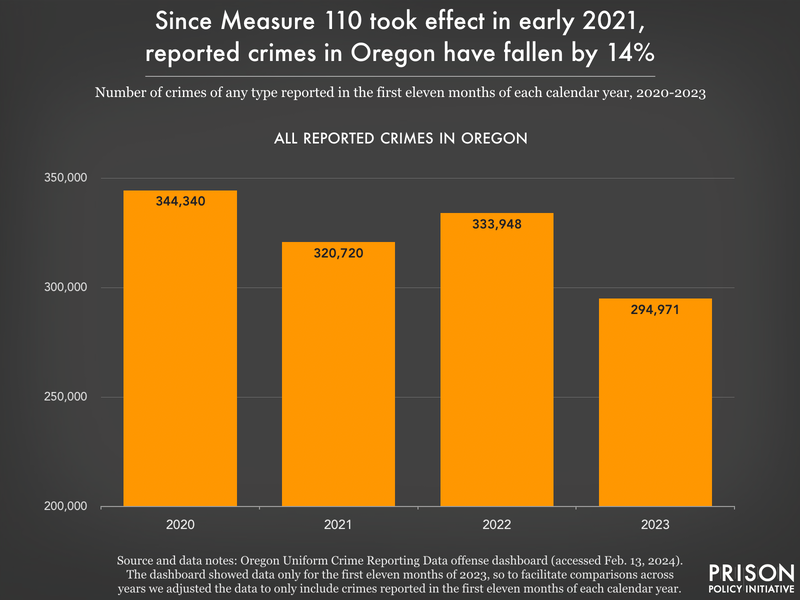
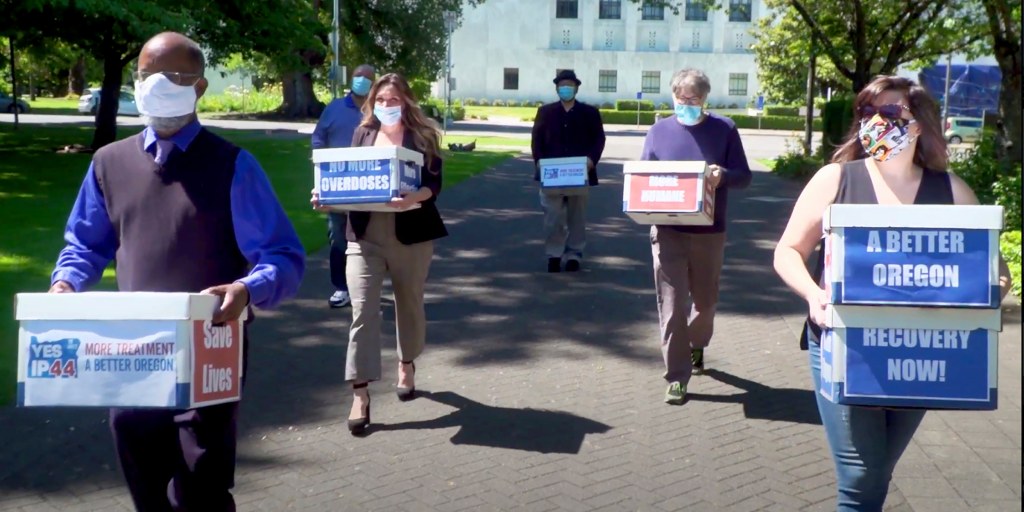
In 2020, Oregon voters passed Measure 110, the Drug Addiction Treatment and Recovery Act, which decriminalized the possession of small amounts of all drugs and redirected cannabis tax revenue to fund addiction treatment and harm reduction services. This landmark policy shift carries profound financial implications by re-evaluating where and how public funds are spent in relation to drug use.
Reallocating Funds from Punishment to Public Health
Measure 110 fundamentally alters the financial pipeline for drug-related issues. Instead of funneling resources into arrests, prosecutions, and incarcerations for minor possession offenses, a significant portion of the state’s cannabis tax revenue is now directed towards a grant program managed by the Oregon Health Authority. This program funds a network of Addiction Recovery Centers and other community-based organizations providing low-barrier access to treatment, housing, harm reduction, and peer support services. This represents a substantial state investment—tens of millions of dollars annually—into a public health approach, aiming to improve individual well-being and reduce the societal costs associated with untreated addiction. Financially, it’s a strategic pivot from reactive punitive measures to proactive public health investment.
Cost Savings in the Criminal Justice System
The decriminalization aspect of Measure 110 promises considerable cost savings within the criminal justice system. By reducing the number of arrests, court cases, and short-term incarcerations for drug possession, the state and local governments can reallocate resources that were previously consumed by enforcement and correctional activities. Police departments can focus on more serious crimes, court dockets can be eased, and correctional facilities face less pressure from drug-related admissions. While quantifying these savings precisely is complex, the reduction in operational costs across law enforcement, the judiciary, and correctional services frees up taxpayer money that can then be directed towards other priorities or reinvested in the very treatment programs funded by Measure 110. It’s a move towards a more fiscally efficient model of addressing drug use.
Investing in Community Health and Economic Well-being
The long-term financial benefits of Measure 110 extend beyond immediate cost savings and revenue reallocation. By treating addiction as a health issue, the state invests in human capital. Successful treatment and recovery can lead to increased workforce participation, reduced strain on emergency healthcare services, and a decrease in associated social costs like homelessness and crime. An individual successfully integrated back into the workforce contributes to the tax base, reduces reliance on social services, and strengthens local economies. This strategic investment in public health is poised to yield significant returns in terms of enhanced community well-being and a more robust, productive economy over time.
Emerging Markets: Psilocybin and Future Financial Frontiers
Oregon has once again blazed a trail by becoming the first state to legalize the supervised use of psilocybin for therapeutic purposes, following the passage of Measure 109 in 2020. This creates an entirely new, highly regulated industry with its own unique financial landscape.
Oregon’s Pioneering Psilocybin Services Industry
Measure 109 establishes a regulated framework for the manufacturing, testing, and administration of psilocybin products in licensed service centers, under the guidance of trained and licensed facilitators. This is not a market for recreational sales but rather a structured therapeutic model. The financial implications are substantial, laying the groundwork for a specialized wellness and healthcare sector. It encompasses investment in cultivation facilities for psilocybin-producing fungi, state-of-the-art service centers designed for guided experiences, and the development of comprehensive training programs for facilitators, all contributing to a niche but potentially high-value market.
Investment Opportunities and Regulatory Landscape
The psilocybin industry in Oregon represents a frontier investment opportunity, attracting capital from venture capitalists, health tech investors, and pharmaceutical companies interested in psychedelic-assisted therapies. However, entry into this market is characterized by high barriers, including stringent licensing requirements, significant upfront capital for facility development and compliance, and a lengthy regulatory approval process overseen by the Oregon Health Authority (OHA) and its Oregon Psilocybin Services (OPS) section. Investors must navigate a nascent regulatory environment, understand the scientific and therapeutic applications, and accept a high degree of market immaturity. Despite these challenges, the potential for groundbreaking therapeutic applications and a first-mover advantage could translate into substantial long-term returns.
Financial Risks and Rewards
As with any pioneering industry, the psilocybin market in Oregon presents a unique blend of financial risks and potential rewards. Risks include the uncertainty of market demand for a novel therapeutic service, the high costs of compliance and operation, and the potential for federal regulatory challenges. There’s also the challenge of public perception and education. Conversely, the potential rewards are significant. As a first-in-the-nation model, Oregon could attract “psychedelic tourism” for therapeutic purposes, drawing clients and investment from across the globe. If clinical research continues to validate psilocybin’s efficacy for mental health conditions, the market could expand exponentially, offering substantial returns for early and strategic investors who can successfully navigate the regulatory and operational complexities.
Navigating the Financial Ecosystem of Legalized Substances
Operating within or investing in Oregon’s legalized drug industries requires a sophisticated understanding of a unique financial ecosystem, marked by specific banking challenges, complex taxation, and tailored financial planning needs.
Banking Challenges and Solutions for Legal Businesses
Despite state-level legality, cannabis remains federally illegal, creating persistent banking hurdles. Many traditional financial institutions, subject to federal regulations, are hesitant to offer services to cannabis businesses. This often results in cash-intensive operations, posing security risks and complicating financial management. While some state-chartered credit unions and specialized financial service providers have emerged to serve the cannabis industry, access to capital, traditional loans, and even basic checking accounts can be limited. For psilocybin businesses, similar federal illegality for Schedule I substances could lead to comparable banking challenges, though the therapeutic model may offer some differentiation. Businesses in these sectors must meticulously plan for these financial infrastructure limitations, potentially requiring alternative payment solutions and robust cash management strategies.
Taxation, Compliance, and Business Finance
Businesses in Oregon’s legal cannabis and psilocybin markets face a complex tax landscape. Beyond standard corporate and income taxes, cannabis businesses are subject to the Oregon Cannabis Tax and potentially local taxes. Federally, they contend with IRS Code Section 280E, which disallows normal business deductions for companies dealing in Schedule I or II substances, leading to significantly higher effective tax rates. This necessitates sophisticated accounting, tax planning, and legal counsel to ensure compliance and optimize financial performance. For the nascent psilocybin industry, similar tax complexities are anticipated as federal and state tax codes grapple with a new category of regulated therapeutic substances. Effective business finance in these sectors hinges on meticulous record-keeping, proactive tax strategies, and a deep understanding of evolving regulatory frameworks.
Personal Financial Planning in a Regulated Industry
For individuals working in or investing in Oregon’s legalized substance industries, personal financial planning takes on unique dimensions. Entrepreneurs, cultivators, and dispensary owners may face unique challenges in securing mortgages, loans, or even standard banking services if their income is solely derived from a federally illegal cannabis business. Wealth management strategies must account for potential volatility in a new market, complex tax obligations on income, and the need for diversification. Financial advisors specializing in regulated industries are becoming increasingly vital, offering expertise in navigating these distinct financial realities, ensuring compliance, and building long-term financial stability amidst regulatory uncertainty.
Broader Economic Ripple Effects and Future Outlook
Oregon’s pioneering approach to drug legalization has created distinct ripple effects that extend beyond the immediate industries, influencing tourism, broader economic development, and setting a precedent for future policy evolution.
Tourism and Ancillary Economic Boost
The legal status of cannabis in Oregon has undoubtedly contributed to a unique form of tourism, attracting visitors interested in exploring the regulated market. This “cannabis tourism” directly benefits the hospitality sector—hotels, restaurants, and local attractions—as tourists spend money in the state. Similarly, the supervised psilocybin services, as they develop, could draw individuals seeking therapeutic experiences, establishing Oregon as a destination for psychedelic-assisted wellness. These niche tourism segments contribute to local economies through direct spending, creating jobs, and enhancing the state’s overall economic vibrancy.
Long-Term Fiscal Sustainability and Policy Evolution
The long-term fiscal sustainability of these new revenue streams and economic sectors is contingent on various factors, including evolving federal policy, market maturation, and sustained public demand. A significant change in federal law regarding cannabis or psilocybin could dramatically reshape the financial landscape, potentially opening up interstate commerce, easing banking restrictions, and attracting larger institutional investments currently deterred by federal illegality. Such a shift could lead to an exponential increase in market size and state revenues. Oregon’s continued success in managing these regulated markets will provide valuable data for other states and the federal government, influencing future policy decisions that could have massive financial implications nationwide.
Adapting to Market Dynamics and Competitive Pressures
As these markets mature, they will inevitably face increasing competition, potential price compression, and the need for continuous innovation. Businesses in both the cannabis and psilocybin sectors must develop robust financial strategies to adapt to these dynamics, focusing on efficiency, brand differentiation, and strategic market positioning. The ability to navigate regulatory changes, invest in research and development, and adapt to consumer preferences will be crucial for long-term profitability and sustainable growth within Oregon’s pioneering legalized substance economies.
aViewFromTheCave is a participant in the Amazon Services LLC Associates Program, an affiliate advertising program designed to provide a means for sites to earn advertising fees by advertising and linking to Amazon.com. Amazon, the Amazon logo, AmazonSupply, and the AmazonSupply logo are trademarks of Amazon.com, Inc. or its affiliates. As an Amazon Associate we earn affiliate commissions from qualifying purchases.