
The question, “What dressing goes best with Cobb salad?” might, at first glance, appear to be a culinary inquiry. However, when viewed through the lens of brand strategy, it transforms into a profound exploration of product positioning, consumer perception, and the art of creating invaluable associations. For food brands, restaurants, and culinary influencers alike, the ability to define and market the “best fit” for a classic dish like the Cobb salad is not merely about taste; it’s about establishing brand authority, cultivating loyalty, and carving out a distinct niche in a competitive market. This article delves into how brands strategically answer this question, not just for the consumer’s palate, but for their own enduring identity and market success.

The Strategic Art of Product Pairing in Food Branding
In the bustling world of food and beverage, the success of a product often hinges on more than its intrinsic quality. It depends heavily on how it is positioned, how it’s perceived to enhance other elements, and the culinary stories it helps to tell. For a dressing brand, aligning with a beloved dish like the Cobb salad offers a potent opportunity for strategic pairing. This isn’t just about suggesting a complementary flavor; it’s about orchestrating a complete sensory experience that elevates both components and, crucially, reinforces the brand’s value proposition.
Defining “Best Fit” from a Brand Perspective
From a brand perspective, “best fit” is less about objective culinary science and more about curated consumer perception. It involves understanding the core characteristics of the Cobb salad – its rich medley of textures, flavors (savory bacon, creamy avocado, crisp lettuce, tangy blue cheese, tender chicken, hard-boiled egg) – and then strategically positioning a dressing that promises to harmonize with or elevate these elements. A brand might choose to highlight how its dressing cuts through the richness, complements the tang, or binds the diverse ingredients into a cohesive whole. This definition is crafted through market research, flavor profiling, and, ultimately, persuasive marketing narratives that resonate with the target audience. It’s about establishing an emotional connection and a sense of discovery, positioning the dressing not just as an accompaniment, but as an indispensable component that completes the dish.
Elevating Dishes Through Branded Companions
A dressing that “goes best” with a Cobb salad does more than just add flavor; it acts as a branded companion that elevates the entire dish. For a restaurant, this might be a house-made dressing, a secret recipe that becomes synonymous with their Cobb. For a packaged goods brand, it’s about crafting a narrative where their bottled dressing is the essential ingredient for an authentic or superior Cobb experience at home. This elevation is a powerful branding tool. It suggests expertise, thoughtfulness, and an understanding of culinary nuances that sets the brand apart. By consciously pairing its product with a known entity, the brand leverages the existing appeal and familiarity of the Cobb salad to introduce or reinforce its own identity and perceived quality. The dressing becomes the “missing piece,” the touch of genius that transforms a good salad into a great, branded one.
The Psychology of Consumer Choice and Pairing
Understanding consumer psychology is paramount in defining and marketing the “best fit.” Consumers often seek guidance, especially when faced with a multitude of choices. A brand that confidently asserts its dressing as the ideal match for a Cobb salad provides this guidance, reducing cognitive load and building trust. This assertion can be based on tradition (e.g., “our ranch dressing, a classic for a reason”), innovation (e.g., “our new herb vinaigrette, designed to refresh”), or health benefits (e.g., “our light lemon vinaigrette complements without overwhelming”). The perceived authority behind the recommendation directly influences purchase decisions. Moreover, successful pairing creates a memorable experience, fostering repeat purchases and brand loyalty. When a consumer consistently enjoys the combination, the brand of the dressing becomes inextricably linked to that positive culinary experience, reinforcing its position as the “best” choice in their mind.
Crafting Brand Identity Through Signature Pairings
Beyond individual product promotion, the strategic pairing of a dressing with a specific dish can fundamentally shape a brand’s identity. For both established culinary institutions and emerging food brands, identifying and championing these signature combinations allows them to articulate their values, showcase their unique selling propositions, and forge a deeper connection with their audience. It transforms a simple product into a cornerstone of brand recognition.
Restaurants: Signature Dressings as Brand Pillars
For many restaurants, especially those specializing in American cuisine or salads, their Cobb salad is a menu staple. What often distinguishes their version, making it memorable and drawing patrons back, is a signature dressing. This dressing isn’t just a recipe; it’s a brand pillar. It embodies the restaurant’s culinary philosophy – perhaps a commitment to fresh, local ingredients, a heritage recipe passed down through generations, or an innovative flavor profile that challenges expectations. A “house dressing” for a Cobb salad serves as a unique selling proposition, a talking point, and a symbol of the restaurant’s attention to detail and dedication to a superior dining experience. It creates a proprietary taste that cannot be replicated elsewhere, thereby building a loyal customer base and strong brand equity. This signature pairing becomes part of the restaurant’s story, a key element in its overall brand narrative.
Product Brands: Market Positioning for Culinary Harmony
Packaged dressing brands face the challenge of standing out on crowded grocery shelves. By explicitly marketing a dressing as “the perfect complement to Cobb salad,” they are not just selling a product; they are selling a solution and a promise of culinary harmony. This strategic market positioning allows brands to:
-
Target Specific Consumers: Appealing to those who frequently make or order Cobb salads.
-
Create Usage Occasions: Encouraging consumers to think of their dressing specifically for this popular dish.
-
Differentiate from Competitors: While many brands offer ranch or vinaigrette, few explicitly own the “Cobb salad dressing” space as forcefully.
-
Build an Expert Image: Positioning the brand as knowledgeable about food pairings and sophisticated palates.
This approach shifts the focus from generic utility to specialized excellence, allowing the brand to carve out a niche and gain authority within that specific pairing.
Consistency and Quality: Cornerstones of Brand Trust
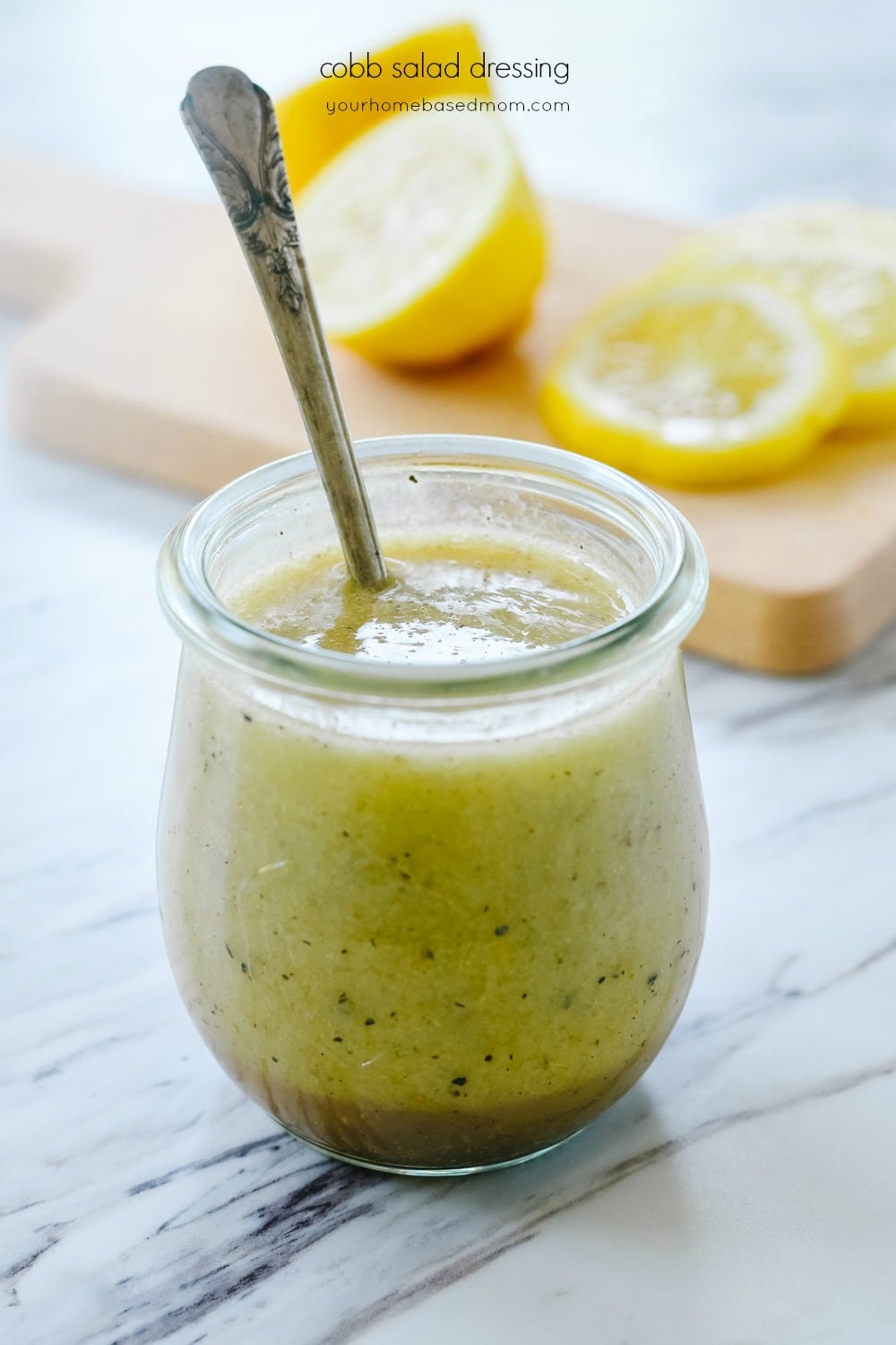
Regardless of whether it’s a restaurant’s secret recipe or a mass-produced bottle, the consistent quality of the dressing in its “best fit” role is absolutely crucial for brand trust. A brand’s claim of “best” is only credible if the product consistently delivers on that promise. This means rigorous quality control, consistent sourcing of ingredients, and meticulous production processes. Inconsistency can quickly erode consumer confidence, leading to a disconnect between brand promise and actual experience. For a restaurant, a single bad batch of dressing can tarnish the reputation of its iconic Cobb salad. For a product brand, a change in formulation that deviates from the expected taste can lead to widespread dissatisfaction. Therefore, upholding the highest standards of consistency and quality is not just good manufacturing practice; it’s a fundamental aspect of brand stewardship, ensuring that the “best fit” remains truly best, time and again.
Marketing the “Perfect Match”: Strategies for Brand Dominance
Once a brand has identified and perfected its “best fit” dressing for a Cobb salad, the next critical step is to communicate this value proposition effectively to the target audience. Marketing strategies play a pivotal role in embedding this ideal pairing into the consumer’s consciousness, moving from a mere suggestion to an unquestioned truth in their culinary choices. This requires a multi-faceted approach, leveraging various channels to tell a compelling story.
Digital Storytelling: Showcasing the Ideal Pairing
In the digital age, storytelling is paramount. Brands leverage high-quality visuals and engaging narratives across social media, blogs, and cooking websites to demonstrate why their dressing is the ultimate companion for a Cobb salad. This can include:
-
Recipe Videos: Step-by-step guides showing how to assemble a perfect Cobb salad, with the branded dressing as the star.
-
Lifestyle Photography: A beautifully styled Cobb salad featuring the branded dressing, presented in an aspirational dining setting.
-
Behind-the-Scenes Content: Showcasing the quality ingredients or the craftsmanship that goes into making the dressing, emphasizing its premium nature.
-
User-Generated Content Campaigns: Encouraging customers to share their own Cobb salad creations featuring the brand’s dressing, amplifying reach and authenticity.
By creating rich, immersive digital experiences, brands can vividly illustrate the “perfect match,” making it desirable and easily reproducible for consumers at home.
Influencer Marketing and Culinary Endorsements
The power of third-party validation cannot be overstated. Collaborating with food bloggers, culinary influencers, chefs, and nutritionists to endorse a dressing as the “best” for Cobb salad can significantly boost its credibility and reach. These endorsements are perceived as more authentic and trustworthy than direct brand advertising. Influencers can:
-
Create Original Content: Developing unique recipes or taste tests featuring the dressing and Cobb salad.
-
Share Personal Experiences: Explaining why they genuinely believe the dressing enhances the salad.
-
Run Contests and Giveaways: Generating excitement and encouraging trial.
The key is to select influencers whose audience aligns with the brand’s target demographic and whose personal brand resonates with the values the dressing brand seeks to convey. A genuine endorsement from a respected culinary voice can be a game-changer in establishing the “perfect match” in the minds of consumers.
Packaging and Merchandising: Guiding Consumer Decisions
The physical presence of the product – its packaging and how it’s merchandised in stores – is a crucial, often underestimated, marketing tool. For a dressing brand aiming to be the “best” for Cobb salad, packaging should clearly communicate this association. This might involve:
-
Front-of-Pack Labeling: Explicitly stating “Perfect for Cobb Salad” or “Cobb Salad Dressing.”
-
Visual Cues: Featuring an image of a delectable Cobb salad on the bottle label.
-
Recipe Suggestions: Including a simple Cobb salad recipe on the back label.
In-store merchandising can further reinforce this message through dedicated displays, shelf talkers, or cross-promotions with other Cobb salad ingredients (e.g., alongside bacon bits, blue cheese, or salad greens). By making the ideal pairing immediately obvious and accessible at the point of purchase, brands effectively guide consumer decisions, simplifying the shopping experience and reinforcing their strategic positioning.
The Evolving Palate: Adapting Brand Strategy to Trends
The culinary landscape is constantly shifting, influenced by changing dietary preferences, global flavors, and growing awareness of health and sustainability. For brands aiming to maintain their “best fit” status for a dish like the Cobb salad, it’s imperative to remain agile and adapt their brand strategy to these evolving trends. What constituted the “best” dressing yesterday may not hold true tomorrow, requiring continuous innovation and responsive marketing.
Health & Wellness Trends and Dressing Innovation
The increasing focus on health and wellness profoundly impacts consumer choices, even for indulgences like salad dressing. Brands that traditionally offered rich, creamy options for Cobb salad may need to innovate by:
-
Developing Lighter Formulations: Offering dressings with reduced fat, sugar, or calories without compromising flavor.
-
Incorporating “Good-for-You” Ingredients: Using healthy fats (e.g., avocado oil, olive oil), gut-friendly probiotics, or nutrient-dense superfoods.
-
Catering to Specific Diets: Creating dressings that are gluten-free, dairy-free, keto-friendly, or plant-based to broaden appeal.
A brand that can successfully offer a “healthier best” for Cobb salad will tap into a significant and growing market segment, demonstrating responsiveness and a commitment to consumer well-being, thereby reinforcing its brand relevance.
Global Flavors: Expanding the Definition of “Best”
While the classic Cobb salad often calls for traditional dressings like ranch or vinaigrette, the globalization of palates presents an opportunity to expand the definition of “best.” Brands can explore fusion dressings or introduce international flavors that surprisingly complement the diverse ingredients of a Cobb. This could include:
-
Asian-inspired vinaigrettes: Sesame-ginger or miso dressings.
-
Mediterranean twists: Lemon-herb or tahini-based dressings.
-
Spicy options: Chipotle-lime or sriracha ranch.
By introducing these innovative flavor profiles, brands can attract adventurous eaters, differentiate themselves from competitors offering only traditional options, and position themselves as forward-thinking and culturally aware. This expansion of “best” allows for brand growth and maintains excitement around a classic dish.

Sustainability and Ethical Sourcing as Brand Differentiators
Today’s consumers are increasingly conscious of the environmental and social impact of their food choices. Brands that can integrate sustainability and ethical sourcing into their dressing’s “best fit” narrative for Cobb salad gain a significant brand differentiator. This could involve:
-
Sourcing Local Ingredients: Highlighting local farm partnerships for herbs or dairy.
-
Sustainable Packaging: Using recyclable, compostable, or recycled materials for bottles.
-
Organic or Non-GMO Certifications: Emphasizing cleaner, more natural ingredient profiles.
-
Ethical Labor Practices: Ensuring fair wages and safe conditions throughout the supply chain.
By transparently communicating these efforts, brands appeal to a values-driven consumer base, enhancing their reputation as responsible corporate citizens. This commitment to a greater purpose adds a layer of meaning to the “best fit,” suggesting that the dressing isn’t just culinarily superior, but also ethically sound, aligning with a holistic definition of quality and brand excellence.
In conclusion, the seemingly simple question, “What dressing goes best with Cobb salad?” is a cornerstone for sophisticated brand strategy. It’s an invitation for brands to define their unique place in the culinary world, craft compelling narratives, build lasting consumer trust through consistent quality, and strategically adapt to the ever-evolving tastes and values of their audience. By mastering the art of the “perfect match,” brands transform a condiment into a powerful symbol of their identity and a catalyst for enduring market success.
aViewFromTheCave is a participant in the Amazon Services LLC Associates Program, an affiliate advertising program designed to provide a means for sites to earn advertising fees by advertising and linking to Amazon.com. Amazon, the Amazon logo, AmazonSupply, and the AmazonSupply logo are trademarks of Amazon.com, Inc. or its affiliates. As an Amazon Associate we earn affiliate commissions from qualifying purchases.