
The versatility of a Dremel rotary tool makes it an indispensable asset in any tech enthusiast’s workshop, enabling intricate tasks from sanding and polishing to engraving and, critically, cutting. When faced with metal, selecting the correct Dremel bit is paramount not only for achieving the desired cut but also for ensuring the longevity of your tool and the safety of your operation. Understanding the different types of bits designed for metalworking, their specific applications, and proper usage techniques can transform a challenging task into a precise and manageable one.
Understanding Dremel Bits for Metalworking
The Dremel ecosystem is vast, offering a myriad of accessories for various materials and tasks. However, when it comes to cutting metal, not all bits are created equal. The material composition, shape, and abrasive properties of a bit dictate its effectiveness and suitability for different types of metal and cutting requirements.
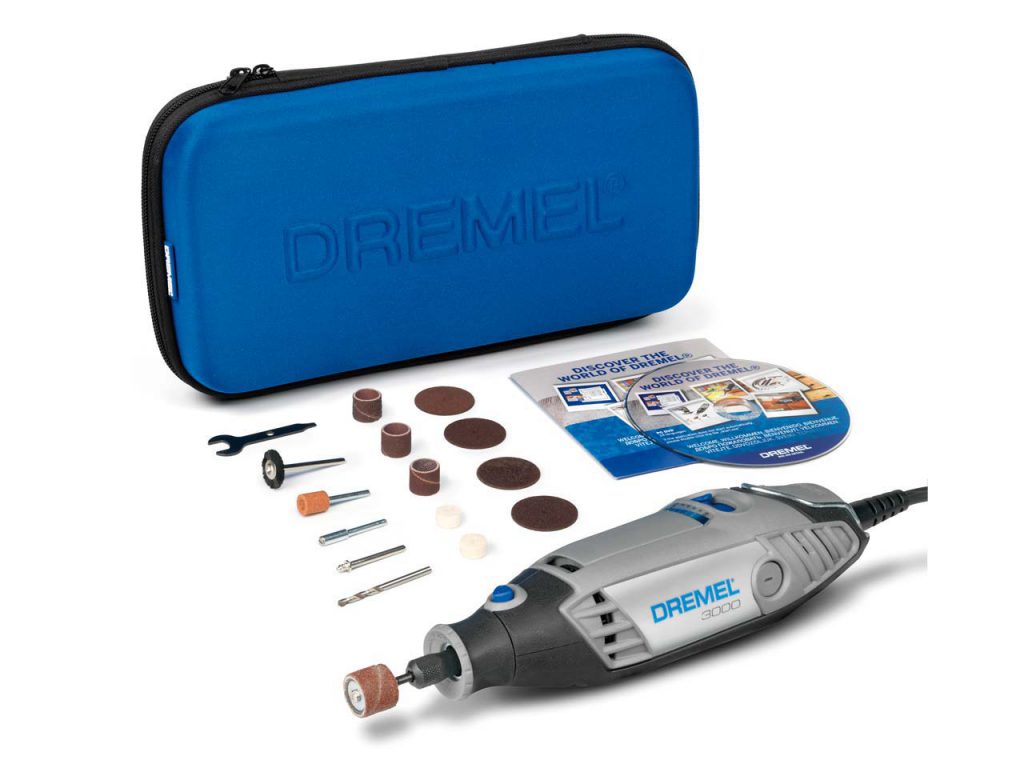
The Dremel Tool Ecosystem
A Dremel rotary tool operates at high RPMs, making it incredibly efficient for small-scale, detailed work. The power and speed of the tool are harnessed by interchangeable bits, each engineered for a specific purpose. For metal cutting, these bits are designed to withstand the immense friction and heat generated when interacting with hard materials, either through abrasion, grinding, or precise cutting actions. The shank size of Dremel bits is standardized, typically 1/8 inch (3.2 mm), ensuring compatibility across most Dremel models.
Key Characteristics of Metal-Cutting Bits
When identifying a Dremel bit suitable for metal, several characteristics are important:
- Material Composition: Bits designed for metal cutting are often made from high-speed steel (HSS), tungsten carbide, or various abrasive materials like aluminum oxide, silicon carbide, or diamonds. These materials possess superior hardness and heat resistance compared to standard bits.
- Abrasive Grit: For grinding and abrasive cutting, the grit size and density play a crucial role. Coarser grits remove material faster but leave a rougher finish, while finer grits offer more precision and a smoother cut.
- Shape and Design: Bits come in various shapes—from small spherical burrs and cylindrical cutters to flat cut-off wheels. The shape dictates the type of cut it can make (e.g., straight line, contour, or slot) and its ability to reach confined spaces.
- Durability: Metal cutting is demanding. Bits must be durable enough to maintain their cutting edge or abrasive properties through prolonged use without dulling prematurely or shattering.
Essential Dremel Bits for Cutting Various Metals
Choosing the right Dremel bit depends heavily on the type of metal you’re working with, the thickness, and the precision required. Here’s a breakdown of the most common and effective bits for cutting metal:
High-Speed Cutters (HSS)
High-Speed Steel (HSS) cutters are a good general-purpose option for softer metals like aluminum, copper, brass, and even some softer steels. These bits typically have multiple flutes or teeth that aggressively remove material. They are excellent for shaping, deburring, slotting, and making small cuts.
- Applications: Ideal for intricate cuts, engraving, and light stock removal on non-ferrous metals and softer steels.
- Shapes: Available in various shapes including spherical, cylindrical, conical, and flame.
- Considerations: Can dull relatively quickly on harder metals. Proper speed control is crucial to prevent overheating and premature wear.
Tungsten Carbide Cutters
For harder metals, including stainless steel, cast iron, and hardened steel, tungsten carbide cutters are significantly more effective than HSS. Tungsten carbide is one of the hardest and most rigid materials used in tooling, providing exceptional durability and cutting power. These bits are often referred to as carbide burrs.
- Applications: Excellent for aggressive material removal, shaping, deburring, and cutting through tough metals. They can handle a wide range of ferrous and non-ferrous metals.
- Shapes: Come in various shapes like cylindrical, ball, tree, oval, and flame, often with different cut patterns (e.g., single cut for heavy removal, double cut for smoother finishes).
- Considerations: More expensive than HSS but offer superior lifespan and performance on hard materials. Require careful handling as they can be brittle and prone to chipping if dropped or misused.
Abrasive Cut-Off Wheels
Perhaps the most common and recognizable Dremel bits for cutting metal are the abrasive cut-off wheels. These thin, disc-shaped wheels are made from materials like aluminum oxide or fiberglass-reinforced abrasive. They are designed for straight cuts, slotting, and trimming.
- Aluminum Oxide Cut-Off Wheels: Suitable for general-purpose cutting of metals, including steel, aluminum, and brass. They are consumed during use, gradually shrinking in diameter.
- Fiberglass-Reinforced Cut-Off Wheels: These are significantly more durable and resistant to breaking than standard abrasive wheels. They are preferred for tougher metals, thicker stock, and applications where wheel integrity is critical.
- Applications: Ideal for cutting bolts, screws, rebar, sheet metal, and making straight cuts or slots in various metal types.
- Considerations: Requires a mandrel to attach to the Dremel tool. Generates considerable sparks and heat. Proper eye protection and ventilation are mandatory. The wheels are fragile and can shatter if twisted or subjected to side pressure, especially the non-reinforced types.
Diamond Wheels and Bits
Diamond, being the hardest natural material, makes for incredibly effective cutting tools, especially for exceptionally hard or abrasive materials that other bits struggle with. While often associated with cutting ceramic or glass, certain diamond bits and wheels are excellent for very hard metals, especially when precision is key.
- Applications: Ideal for precision cutting, engraving, and intricate detail work on hardened steel, titanium, and even some carbides. Not typically used for bulk material removal.
- Shapes: Available as thin cut-off wheels for delicate cuts or as burrs for engraving and fine shaping.
- Considerations: High cost, but unparalleled hardness. Best used at higher RPMs and with light pressure. Often benefit from water cooling to extend lifespan and prevent overheating, though this may not be practical for a Dremel in many home settings.
Grinding Stones (Silicon Carbide and Aluminum Oxide)

While primarily designed for grinding, sharpening, and deburring, grinding stones can effectively remove small amounts of metal or smooth cut edges. They come in two main abrasive types:
- Aluminum Oxide Grinding Stones: Excellent for general-purpose grinding on metals, including steel, stainless steel, cast iron, and non-ferrous metals. They are durable and maintain their shape well.
- Silicon Carbide Grinding Stones: Harder and more aggressive than aluminum oxide, making them suitable for grinding very hard materials like hardened steel, tungsten carbide, and ceramics.
- Applications: Smoothing rough cuts, deburring edges after cutting, sharpening tools, and removing rust or scale.
- Considerations: Not designed for making deep cuts. They generate heat and abrasive dust, necessitating protective gear.
Choosing the Right Bit: Factors to Consider
Selecting the optimal Dremel bit for cutting metal involves more than just identifying a “metal-cutting” label. Several factors influence the best choice for your specific project.
Type of Metal
- Soft Metals (Aluminum, Copper, Brass): HSS cutters and standard aluminum oxide cut-off wheels are generally sufficient.
- Medium Steels (Mild Steel, Carbon Steel): Fiberglass-reinforced cut-off wheels, HSS, and tungsten carbide cutters work well.
- Hard Metals (Stainless Steel, Hardened Steel, Cast Iron): Tungsten carbide cutters and reinforced cut-off wheels are essential. Diamond bits for extremely hard or precise applications.
Desired Cut (Roughing vs. Finishing)
- Aggressive Material Removal/Rough Cuts: Tungsten carbide burrs with an aggressive cut pattern or thick abrasive cut-off wheels.
- Precise Cuts/Fine Detail: Thinner reinforced cut-off wheels, HSS cutters for softer metals, or diamond bits for intricate work on hard materials.
- Smoothing/Deburring: Grinding stones or finer tungsten carbide burrs.
Tool Speed and Control
The speed setting of your Dremel tool is critical. Generally, harder materials and smaller bits require higher RPMs, while softer materials and larger bits benefit from lower speeds to prevent overheating and premature wear. Always consult the Dremel accessory packaging for recommended speed settings. Using excessive pressure or an incorrect speed can lead to:
- Overheating: Dulls the bit and can burn the workpiece.
- Bit Breakage: Especially with thin cut-off wheels.
- Reduced Control: Leading to inaccurate cuts or kickbacks.
Safety Precautions and Best Practices
Working with rotary tools and metal generates sparks, heat, and sharp debris. Safety is non-negotiable:
- Eye Protection: Always wear safety glasses or goggles.
- Hand Protection: Wear sturdy gloves to protect against sparks and sharp edges.
- Respiratory Protection: Use a dust mask, especially when grinding or cutting, to avoid inhaling metal dust.
- Workpiece Securing: Clamp your workpiece firmly to a stable surface. Never hold it by hand while cutting.
- Ventilation: Work in a well-ventilated area to dissipate fumes and dust.
- Fire Safety: Keep a fire extinguisher or water nearby, especially when sparks are generated.
- Inspect Bits: Before each use, inspect bits for damage, cracks, or excessive wear. Never use a damaged bit.
Optimizing Performance and Bit Lifespan
Even with the correct bit, proper technique and care can significantly enhance performance and extend the life of your Dremel accessories.
Proper Bit Installation
Ensure the bit is fully inserted into the collet or chuck and tightened securely. A loose bit can wobble, cause vibrations, or even fly out, posing a significant hazard. For cut-off wheels, ensure the mandrel is clean and the wheel is mounted correctly.
Speed Settings and Technique
- Start Slow: Begin at a lower RPM and gradually increase until you find the optimal speed where the bit cuts effectively without excessive chatter or heat buildup.
- Light Pressure: Let the tool and bit do the work. Excessive pressure causes overheating, premature wear, and can lead to bit breakage or kickback.
- Constant Motion: Keep the bit moving constantly over the material to prevent localized heating and gouging. Avoid dwelling in one spot.
- Direction of Rotation: For cutting wheels, the rotation direction should allow the sparks and debris to be thrown away from you and the tool.
Cooling and Lubrication
For demanding cuts or very hard metals, a small amount of cutting fluid or even water can help dissipate heat, reduce friction, and extend bit life. Apply sparingly and carefully to avoid electrical hazards with the Dremel tool itself.

Maintenance and Storage
After each use, clean your Dremel bits to remove metal particles and debris. Store them in their original cases or a dedicated accessory box to protect them from damage and moisture. Tungsten carbide bits, in particular, should be stored carefully to prevent chipping. Regularly check your Dremel tool’s collet for wear and clean it to ensure bits are held securely.
By understanding the diverse range of Dremel bits available for metal cutting, acknowledging their specific strengths and weaknesses, and adhering to best practices, you can confidently tackle a variety of metalworking projects with precision, efficiency, and safety.
aViewFromTheCave is a participant in the Amazon Services LLC Associates Program, an affiliate advertising program designed to provide a means for sites to earn advertising fees by advertising and linking to Amazon.com. Amazon, the Amazon logo, AmazonSupply, and the AmazonSupply logo are trademarks of Amazon.com, Inc. or its affiliates. As an Amazon Associate we earn affiliate commissions from qualifying purchases.