
In the mid-2010s, a cultural shift occurred in how digital media organizations approached audience engagement. At the center of this shift was a seemingly simple, lighthearted interactive format: the personality quiz. Among the thousands of iterations, the “What Dog Would I Be?” quiz became the gold standard for viral content. While critics initially dismissed these quizzes as digital “fluff,” brand strategists and marketing experts quickly realized that BuzzFeed had cracked a code. They weren’t just making games; they were building a multi-billion-dollar brand identity centered on the intersection of self-discovery and social validation.

The “What Dog Would I Be?” phenomenon represents a masterclass in brand strategy. It illustrates how a corporate entity can move from being a mere distributor of information to becoming a mirror for the consumer’s identity. By analyzing the mechanics behind these quizzes, we can uncover the sophisticated branding techniques that allow companies to foster deep emotional connections with their audience.
The Architecture of Virality: Why Interactive Quizzes Are Brand Powerhouses
To understand the success of the BuzzFeed dog quiz, one must first understand the “Architecture of Virality.” Branding is no longer a one-way conversation where a company dictates its values to a passive audience. Instead, modern branding is a collaborative effort. BuzzFeed’s quiz format allowed users to participate in the brand’s narrative, creating a sense of ownership over the content.
The Allure of Self-Identification
At its core, the brand strategy behind “What Dog Would I Be?” leverages the psychological concept of the “Self-Reference Effect.” People are inherently more interested in information that relates to their own identity. By framing content around the user’s personality—comparing their traits to the loyalty of a Golden Retriever or the independence of a Shiba Inu—BuzzFeed transformed generic content into a personal brand statement. When a user shares their result, they aren’t just sharing a BuzzFeed link; they are broadcasting a piece of their identity to their social circle.
Lowering the Barrier to Entry
From a brand design perspective, the user experience (UX) of the BuzzFeed quiz is a study in frictionless engagement. Great branding removes obstacles between the product and the consumer. The quiz format uses high-quality imagery, simple language, and a mobile-first interface. This accessibility ensures that the brand remains inclusive. By making the brand experience easy to consume and even easier to share, BuzzFeed ensured that their brand mark reached millions of feeds without the need for traditional, high-cost advertising campaigns.
Data-Driven Branding: Using Quizzes to Understand the Consumer
While the user sees a fun afternoon distraction, the brand strategist sees a sophisticated engine for gathering zero-party data. In a world where privacy regulations are tightening and third-party cookies are disappearing, the ability of a brand to gather information directly from its audience is invaluable.
Converting Engagement into Actionable Insights
Every “A, B, or C” choice in a personality quiz provides BuzzFeed with data points regarding consumer preferences, lifestyle habits, and aspirations. If a significant portion of the “What Dog Would I Be?” audience chooses options that suggest a love for travel or high-end design, BuzzFeed can pivot its editorial brand to cover more luxury travel and interior design. This allows for a dynamic brand evolution that is always in sync with its audience’s current interests.
Personalization as a Competitive Advantage
The ultimate goal of modern branding is personalization. By analyzing quiz results, BuzzFeed can segment its audience into specific “brand personas.” This data-driven approach allows for hyper-targeted marketing. When a brand knows exactly which “breed” of consumer they are talking to, they can tailor their messaging, tone, and product recommendations with surgical precision. This level of relevance is what builds long-term brand loyalty in an era of infinite choice.
Building a Corporate Identity Through Playfulness
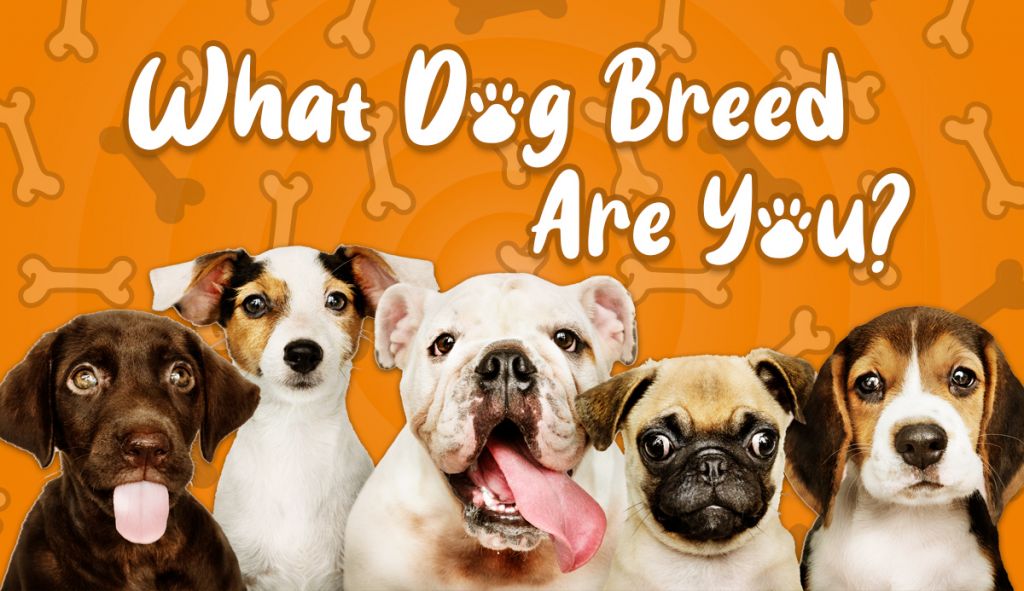
The “What Dog Would I Be?” quiz did more than just engage users; it defined the BuzzFeed corporate brand. Before the quiz era, BuzzFeed was largely known as a news aggregator. After the quiz era, it became the “voice of the internet.” This strategic pivot was essential for establishing a unique corporate identity in a crowded media landscape.
The Pivot from News to Lifestyle Authority
By leaning into interactive content, BuzzFeed rebranded itself as a lifestyle authority rather than just a news source. This was a strategic move to insulate the brand from the volatility of the news cycle. While news is often polarizing and fleeting, “evergreen” content like personality quizzes provides consistent traffic and a positive brand association. The brand became synonymous with “fun,” “relatable,” and “inclusive”—attributes that are highly attractive to both consumers and advertisers.
Establishing Tone and Voice in a Crowded Market
One of the most difficult aspects of brand strategy is maintaining a consistent voice across various platforms. BuzzFeed mastered this by infusing their quizzes with a specific type of humor and cultural commentary. The questions in the dog quiz aren’t just about dogs; they are about pop culture, food trends, and social anxieties. This consistent “BuzzFeed Voice” created a recognizable brand atmosphere. Whether a user is on the website, on Instagram, or on TikTok, the brand feels cohesive. This consistency is the bedrock of trust in any branding effort.
Case Study: The “Golden Retriever” Effect on Social Media Branding
The “What Dog Would I Be?” quiz serves as a perfect case study for how brands can leverage social media synergy to extend their reach. The brilliance of the quiz result lies in its “shareability.”
Cross-Platform Synergy
When a user finishes the quiz and sees they are a “Golden Retriever,” they are prompted with a beautifully designed, shareable graphic. This graphic is optimized for Facebook, Twitter, and Instagram. This is intentional brand placement. Each shared result acts as a testimonial for the BuzzFeed brand. It creates a “network effect”—the more people see their friends sharing results, the more likely they are to engage with the brand themselves. This organic growth is far more powerful than any paid sponsorship because it comes with a social endorsement.
The Longevity of Evergreen Interactive Content
Most viral content has a shelf life of 48 hours. However, by choosing a universal and timeless topic like “dogs,” BuzzFeed created evergreen content. This brand asset continues to generate traffic years after its initial publication. A well-placed brand asset like this reduces the “cost per acquisition” over time, as the initial investment in the quiz continues to pay dividends in brand impressions and user data long after the development phase is over.
Future-Proofing the Brand: From Quizzes to AI-Driven Personalization
As we look toward the future of brand strategy, the lessons from the BuzzFeed quiz era are being integrated into new technologies. The transition from static quizzes to AI-driven interactive experiences is the next frontier for digital brands.
The success of “What Dog Would I Be?” paved the way for more complex, AI-powered personalization. Brands are now moving toward “Generative Branding,” where the content isn’t just a pre-written result, but an AI-generated response tailored to the user’s specific inputs. However, the core branding principle remains the same: the brand must serve as a tool for the consumer’s self-expression.
By staying true to the principles of engagement, data collection, and identity-focused content, brands can replicate the success of the BuzzFeed era in the age of Artificial Intelligence. The “What Dog Would I Be?” quiz was never just about dogs; it was about the power of a brand to see its audience, understand them, and give them a platform to share who they are with the world. In the competitive landscape of digital marketing, that is the ultimate brand achievement.
In conclusion, BuzzFeed’s mastery of the interactive quiz changed the landscape of brand strategy. By focusing on the psychology of the user and the power of shareable identity, they built a brand that is both a global powerhouse and a personal companion to millions. For any modern brand looking to grow, the takeaway is clear: stop talking at your audience and start creating experiences that let your audience talk about themselves.
aViewFromTheCave is a participant in the Amazon Services LLC Associates Program, an affiliate advertising program designed to provide a means for sites to earn advertising fees by advertising and linking to Amazon.com. Amazon, the Amazon logo, AmazonSupply, and the AmazonSupply logo are trademarks of Amazon.com, Inc. or its affiliates. As an Amazon Associate we earn affiliate commissions from qualifying purchases.