
Deciphering the XBT Symbol in Global Finance
The intricate world of finance relies heavily on standardized codes and abbreviations to ensure clarity and precision in transactions and communications. Among these, currency codes are paramount, offering a universally understood method for identifying various monetary units. When the symbol “XBT” appears, particularly in discussions surrounding digital assets, it invariably sparks curiosity about its exact meaning.
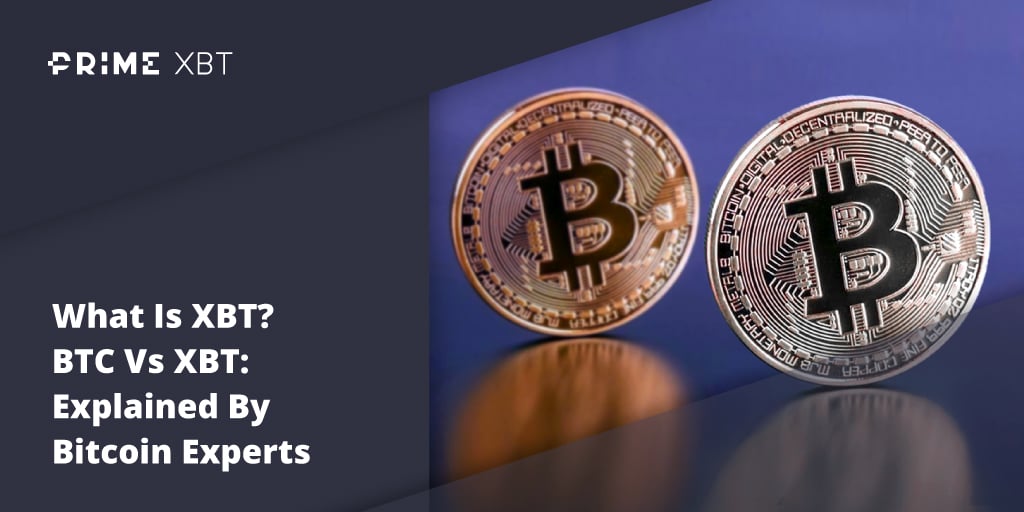
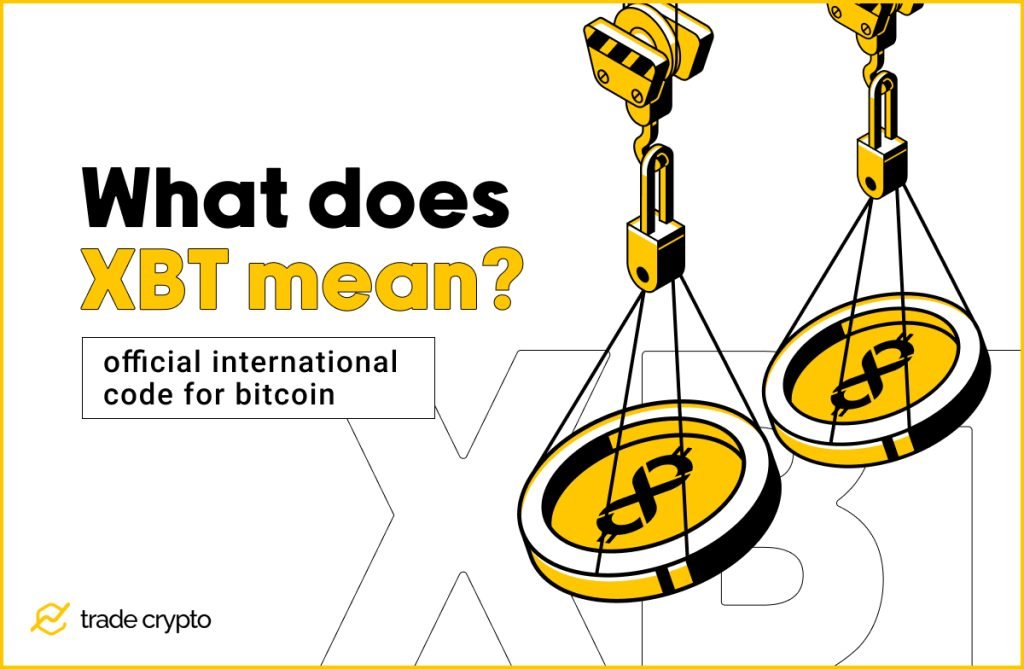
At its core, XBT serves as an internationally recognized currency code specifically designated for Bitcoin. While many individuals are more familiar with “BTC” as the widely used abbreviation for the pioneering cryptocurrency, XBT holds a distinct, formal status, adhering to a structured system designed for accuracy in global financial operations. It is not simply an alternative nickname; rather, it is a designation aligned with established international financial standards.
The ISO 4217 Standard and Non-National Currencies
The International Organization for Standardization (ISO) is responsible for developing and publishing worldwide technical, industrial, and commercial standards. Within the financial sector, ISO 4217 is the benchmark that defines three-letter codes for all currencies globally. These codes are indispensable for facilitating international banking, financial market reporting, and ensuring that financial participants across different regions refer to the same monetary unit without confusion. For example, USD denotes the United States Dollar, EUR represents the Euro, and JPY signifies the Japanese Yen.
A particularly relevant aspect of the ISO 4217 standard for Bitcoin is its convention for identifying non-national or “supranational” currencies and commodities. For such entities, the currency code typically commences with an “X.” This prefix explicitly indicates that the asset is not tied to a specific country’s currency or central bank. Prominent examples include XAU for gold, XAG for silver, and XDR for Special Drawing Rights, an international reserve asset created and maintained by the International Monetary Fund.
Given Bitcoin’s fundamentally decentralized nature and its existence independent of any single government or national financial authority, the XBT designation perfectly aligns with the ISO 4217 framework for non-national assets. By adopting XBT, financial platforms and institutional players can seamlessly integrate Bitcoin into their existing financial systems, maintaining consistency with established global financial practices and reporting requirements.
Bitcoin’s Global Identifier
While “BTC” remains prevalent in casual conversation, marketing materials, and among the broader cryptocurrency community, XBT functions as Bitcoin’s more formal and institutionally favored identifier. Major financial data services, professional trading platforms, and traditional exchanges that incorporate Bitcoin alongside established asset classes frequently utilize XBT. This preference ensures consistency with their existing ISO 4217-compliant infrastructures. The use of XBT is not intended to replace “BTC” in general usage but rather to provide an unambiguous, standardized reference within the more formal financial ecosystem.
The adoption of XBT underscores Bitcoin’s increasing legitimacy and its gradual integration into the mainstream financial landscape. It signifies its recognition as a distinct asset class, albeit a nascent and volatile one, that requires a clear and universally understood identifier for critical financial operations, regulatory reporting, and robust compliance frameworks.
XBT in the World of Investing and Finance
For serious investors and financial professionals, comprehending the meaning and application of “XBT” is essential, as it often represents the pathway to engaging with the Bitcoin market through more structured, compliant, and institutionally integrated channels. Its appearance on prominent financial terminals and sophisticated trading platforms indicates that Bitcoin, under this specific designation, is increasingly being treated as a legitimate, albeit highly unique, financial instrument.
Trading Bitcoin with XBT
When encountering XBT on a trading platform, especially one that also offers traditional assets like equities, fixed-income securities, or commodities, it signifies that you are viewing or preparing to trade Bitcoin. These platforms commonly list trading pairs such as XBT/USD, XBT/EUR, or XBT/JPY, enabling users to buy or sell Bitcoin against various fiat currencies. The actual mechanics of trading XBT largely mirror those of trading any other currency pair or commodity, involving the use of market orders, limit orders, and stop-loss orders to manage risk and execute desired trading strategies.
The market for XBT operates on a global scale and functions 24/7, reflecting the always-on nature of Bitcoin’s underlying network. Prices are in a constant state of flux, driven by complex supply and demand dynamics across a multitude of international exchanges. Investors engage with XBT for a diverse range of objectives, including speculative trading for short-term gains, long-term strategic investment, portfolio diversification to mitigate risk, and as a potential hedge against inflation or broader economic instability. While varying in depth, liquidity in XBT markets is generally substantial for major pairs, facilitating efficient entry and exit points for participants.
Why Some Platforms Use XBT Over BTC
The strategic preference for XBT over BTC on certain institutional platforms is primarily driven by the imperative for standardization and regulatory alignment within established financial systems.
- Regulatory Clarity: Financial institutions, alongside regulatory bodies, typically demand strict adherence to established standards for both reporting and compliance. Utilizing an ISO 4217-compliant code like XBT significantly simplifies Bitcoin’s integration into existing financial infrastructures and provides a much clearer, more robust framework for necessary regulatory oversight.
- Consistency with Existing Systems: Platforms that already manage a broad spectrum of traditional currencies and commodities find it far more efficient to list Bitcoin using a similar, consistent coding convention. This approach minimizes the need for bespoke coding solutions or special exceptions within their extensive data management and trading systems.
- Professional Perception: The deliberate use of XBT can also project an image of enhanced professionalism and institutional credibility. This resonates strongly with a particular segment of the financial market—one that places high value on adherence to established financial norms and practices. It signals that Bitcoin is being handled with the same level of diligence and seriousness as other recognized financial assets.
- Avoiding Ambiguity: While “BTC” is widely recognized, the XBT code helps to eliminate any potential ambiguity that might arise in specific, highly technical financial contexts where other “B”-prefixed abbreviations could inadvertently cause confusion.
Bitcoin’s Financial Impact and Market Significance
Understanding what XBT means transcends merely knowing its designation; it also involves grasping Bitcoin’s profound and burgeoning financial impact. Bitcoin, identified formally by XBT, is more than just a digital token; it represents a groundbreaking financial innovation that actively challenges conventional monetary systems and introduces novel paradigms for wealth management, investment strategies, and global transactions.
A Decentralized Alternative to Fiat
At its genesis, Bitcoin (XBT) was engineered as a decentralized digital currency, deliberately free from the direct control of governments, central banking authorities, or traditional financial institutions. This fundamental characteristic distinguishes it significantly from fiat currencies such as the U.S. Dollar or the Euro. Its total supply is algorithmically capped at a maximum of 21 million coins, creating a programmed scarcity that many proponents believe intrinsically protects its value over the long term, offering a stark contrast to fiat currencies which can be issued in potentially unlimited quantities, often leading to inflationary pressures.
This inherent decentralization also means that XBT transactions are conducted directly peer-to-peer, effectively bypassing intermediaries. In theory, this offers the potential for lower transaction fees and considerably faster settlement times, particularly beneficial for international transfers. While still in relatively early stages of widespread adoption as a primary transactional currency, its transformative potential to disrupt global remittances and various payment systems is undeniably substantial.
Investment Vehicle and Store of Value
For the majority of investors, XBT primarily functions as a compelling investment vehicle or a potential store of value, frequently referred to as “digital gold.” Its finite supply, inherent censorship resistance, and global accessibility are key attributes that contribute to this perception. Investors often strategically allocate a portion of their investment portfolios to XBT, seeking exposure to a high-growth, albeit high-risk, asset class that has historically demonstrated a degree of decorrelation from traditional financial markets (though this correlation can intensify during periods of acute market stress).
The narrative of Bitcoin serving as an effective inflation hedge has gained considerable momentum, particularly during periods characterized by expansive quantitative easing policies and increasing global concerns regarding fiat currency devaluation. Many view XBT as a modern mechanism to preserve purchasing power across time, positioning it as a twenty-first-century alternative to classic physical commodities like gold.
Volatility and Risk Considerations
Despite its compelling appeal and revolutionary potential, investing in XBT inherently entails significant risks, primarily attributable to its extreme price volatility. Bitcoin’s market value is prone to dramatic and rapid swings within very short periods, influenced by a complex interplay of regulatory announcements, technological advancements, macroeconomic shifts, and pervasive market sentiment. This pronounced volatility categorizes it as a high-risk asset, and investors must approach it with a clear understanding and preparedness for the potential of substantial financial losses.
Furthermore, the global regulatory landscape governing cryptocurrencies remains dynamic and is continuously evolving. Governments worldwide are actively grappling with how best to classify, tax, and regulate digital assets, leading to an environment of uncertainty that can directly impact XBT’s price stability and its long-term operational viability in various jurisdictions. Beyond market and regulatory risks, cybersecurity threats, such as sophisticated hacking incidents targeting exchanges or vulnerabilities within personal wallet management, represent critical considerations for any individual or entity holding XBT.
Integrating Bitcoin (XBT) into Personal Finance
As Bitcoin continues to mature and its supporting infrastructure rapidly develops, it is progressively becoming more relevant for personal finance strategies that extend beyond mere speculative trading. Understanding how to effectively interact with XBT from a personal finance perspective necessitates careful consideration of ownership models, robust security protocols, and its appropriate positioning within a comprehensive financial plan.
Custodial vs. Non-Custodial Ownership
When an individual decides to acquire XBT, they are faced with a fundamental choice regarding how they will secure and manage their assets:
- Custodial Ownership: This approach is the most prevalent for new investors, where a centralized exchange or a specialized third-party service securely holds your XBT on your behalf. Popular platforms like Coinbase or Binance function as custodians, taking responsibility for managing the private keys that control access to your Bitcoin. This method offers considerable convenience and often includes insurance against certain types of losses (e.g., platform security breaches, though notably not against fluctuations in market value). However, it introduces counterparty risk; should the custodian suffer a financial collapse or be compromised by a breach, your assets could be jeopardized.
- Non-Custodial Ownership: This method involves holding your XBT in a personal wallet (which can be a software application or a physical hardware device) where you, and exclusively you, maintain full control over the private keys. This approach offers the utmost in security and sovereign control over your funds, embodying the fundamental “be your own bank” ethos intrinsic to Bitcoin. It demands a higher level of technical proficiency and meticulous management of private keys, as their irreversible loss directly equates to the permanent loss of your XBT.
The optimal choice between these ownership methods hinges on an individual’s comfort level with technology, their personal risk tolerance, and the precise quantity of XBT being held. For significant investments, non-custodial ownership is frequently recommended, albeit with the crucial caveat of heightened personal responsibility for security.

Regulatory Landscape and Future Outlook
The regulatory environment surrounding XBT is in a constant state of flux across the globe. Some nations have actively embraced Bitcoin, fostering a climate of innovation, while others have implemented stringent restrictions or even outright prohibitions. This fragmented regulatory landscape directly impacts everything from the taxation of XBT gains to its legality as a medium of exchange. Individuals must proactively stay informed about the specific laws and regulations pertinent to purchasing, holding, and transacting with XBT within their respective jurisdictions.
Looking towards the future, the financial trajectory of XBT is poised to be shaped by several pivotal trends:
- Institutional Adoption: Increasing interest and engagement from institutional investors, large corporations, and even sovereign wealth funds have the potential to further legitimize XBT and significantly drive sustained market demand.
- Technological Advancements: Ongoing innovations, such as the development and deployment of the Lightning Network, are continually enhancing Bitcoin’s scalability and transaction speed, which could substantially improve its practical utility as a global medium of exchange.
- CBDCs and Stablecoins: The global emergence of central bank digital currencies (CBDCs) and regulated stablecoins presents both competitive pressures and potential avenues for the integration of XBT within a broader, evolving digital currency ecosystem.
Ultimately, XBT transcends being merely a three-letter code; it signifies Bitcoin’s formal and robust entry into the global financial dialogue, presenting both unprecedented opportunities and distinctive challenges for investors and the wider economic system. A comprehensive understanding of its designation and broader implications is paramount for successfully navigating the dynamic and rapidly evolving landscape of digital finance.
aViewFromTheCave is a participant in the Amazon Services LLC Associates Program, an affiliate advertising program designed to provide a means for sites to earn advertising fees by advertising and linking to Amazon.com. Amazon, the Amazon logo, AmazonSupply, and the AmazonSupply logo are trademarks of Amazon.com, Inc. or its affiliates. As an Amazon Associate we earn affiliate commissions from qualifying purchases.