
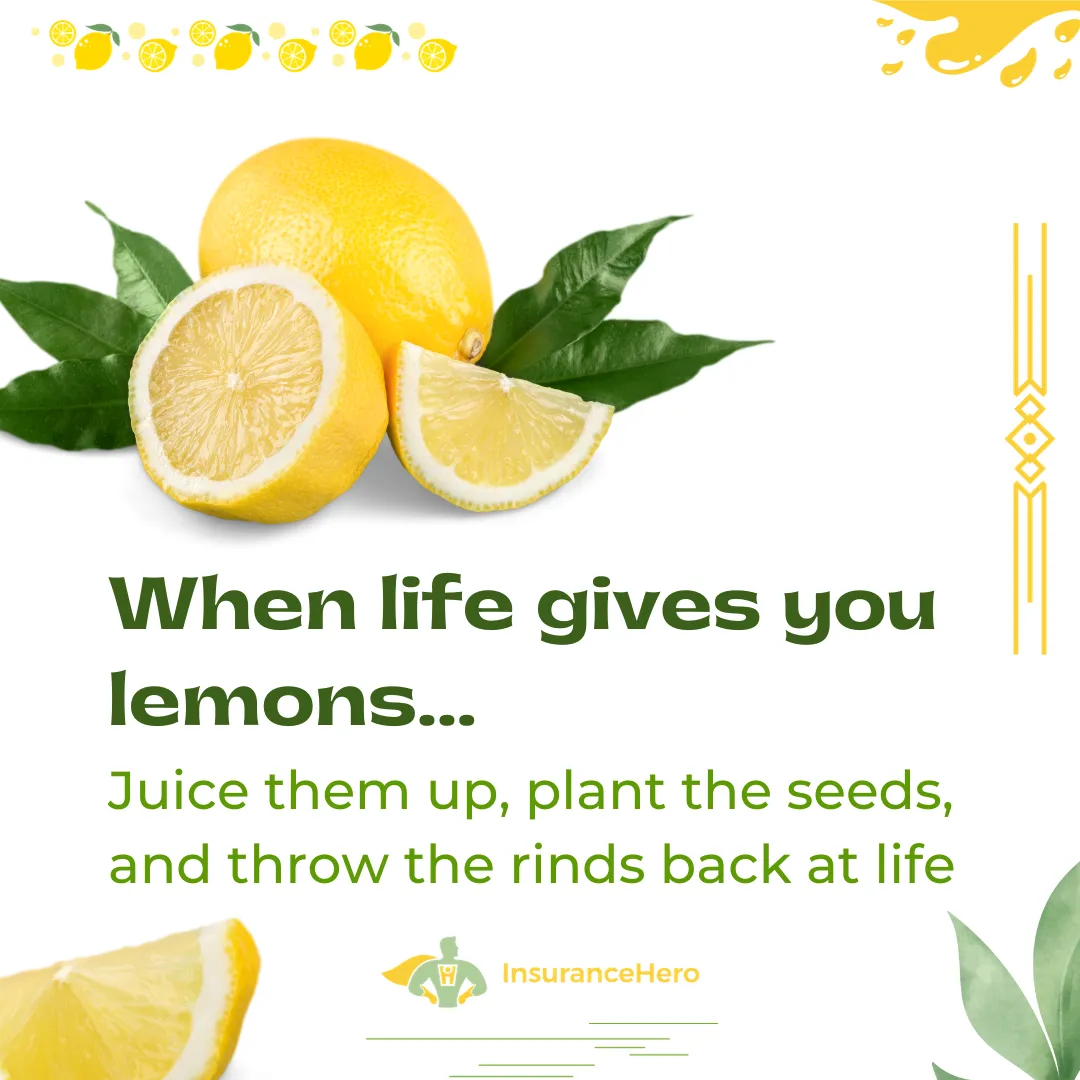
The adage “when life gives you lemons, make lemonade” is far more than a folksy idiom; it’s a profound principle for navigating adversity, especially pertinent in the dynamic world of brand strategy. In its essence, it champions resilience, innovation, and a proactive mindset in the face of unexpected challenges. For brands—whether corporate entities, burgeoning startups, or personal brands—”lemons” represent unforeseen obstacles: market shifts, reputational crises, technological disruptions, or even internal missteps. “Making lemonade” is the art of transforming these setbacks into opportunities for growth, differentiation, and stronger connection with an audience. It’s about reframing a negative situation, leveraging ingenuity, and ultimately emerging stronger and more valuable. This philosophy is foundational to enduring brand success, dictating how an entity adapts, communicates, and innovates under pressure.
The Core Philosophy of Brand Resilience
At the heart of “making lemonade” for a brand is an unwavering commitment to resilience. This isn’t merely about weathering a storm, but about actively transforming the conditions of the storm into something beneficial. It requires a deep understanding of the brand’s core values and a strategic agility to pivot without compromising identity.
Defining “Lemons” in the Brand Landscape
In the context of branding, “lemons” can manifest in myriad forms. They might be external pressures like a sudden economic downturn impacting consumer spending, a new competitor disrupting the market with an innovative offering, or a regulatory change that threatens established business models. Internally, lemons could be a product recall, a public relations crisis stemming from a controversial statement, a significant data breach, or even a key talent departure. For a personal brand, it could be a career setback, a public misstep, or a failure to launch a critical project. Each of these scenarios presents a challenge that, if not addressed strategically, could erode trust, diminish market share, and tarnish reputation. The initial bitterness of these “lemons” often forces brands to confront vulnerabilities they might otherwise overlook.
The Transformative Power of “Lemonade”
“Making lemonade” involves a strategic reinterpretation of these adverse conditions. It’s about identifying the silver lining, the latent opportunity, or the necessary catalyst for change that the “lemon” provides. For a brand, this transformation can involve:
- Repositioning: Acknowledging market changes and adapting the brand’s message or target audience.
- Innovation: Developing new products or services in response to a perceived gap or problem uncovered by the “lemon.”
- Transparency: Using a crisis as an opportunity to build trust through honest communication and demonstrable corrective action.
- Community Building: Rallying customers and stakeholders by openly addressing challenges and inviting collaboration in finding solutions.
- Internal Alignment: Using a challenge to unite employees around a common goal and reinforce corporate values.
The act of turning a negative into a positive strengthens the brand narrative, often creating a more compelling and authentic story than one born purely of uninterrupted success.
Strategic Pivoting and Brand Reinvention
The concept of making lemonade is intrinsically linked to a brand’s ability to pivot strategically. It’s not about abandoning core principles but about finding new pathways to express them and deliver value in altered circumstances. This often involves a degree of reinvention, where the brand adapts its offerings, messaging, or operational model.
Identifying Opportunities in Adversity
When faced with a “lemon,” the first strategic step is often an in-depth analysis to understand not just the problem, but also the underlying dynamics and potential openings it creates. A market disruption might reveal an unmet need for a more agile solution. A supply chain issue could prompt innovation in sourcing or local production. A negative social media trend could highlight a critical flaw in communication strategy, presenting an opportunity to recalibrate and connect more authentically. Successful brands view these moments as market research in real-time, providing invaluable insights into consumer sentiment, operational inefficiencies, or emerging trends that might otherwise go unnoticed. This foresight allows brands to move beyond mere damage control to proactive opportunity generation.
Crafting a New Narrative
The way a brand communicates during and after a “lemon” event is paramount. “Making lemonade” means deliberately crafting a new narrative that acknowledges the challenge but focuses on the lessons learned, the improvements made, and the positive outcomes achieved. This involves:
- Honest Disclosure: Admitting mistakes or acknowledging difficulties transparently.
- Action-Oriented Messaging: Clearly outlining steps taken to rectify the situation and prevent future occurrences.
- Visionary Outlook: Articulating a renewed vision for the future, demonstrating how the brand has grown stronger and more resilient.
- Empathy: Showing understanding for affected customers or stakeholders, reinforcing the human element of the brand.
This new narrative doesn’t erase the “lemon,” but integrates it into a broader story of perseverance and progress, ultimately enriching the brand’s identity and fostering deeper loyalty.
Agility in Marketing and Messaging
To effectively “make lemonade,” brands must exhibit unparalleled agility in their marketing and messaging strategies. Traditional, rigid campaign plans can quickly become obsolete when unforeseen “lemons” strike. Agility means:
- Rapid Response: The ability to quickly adjust advertising, social media content, and public relations efforts.
- Real-time Listening: Constantly monitoring public sentiment and feedback to tailor communications.
- Iterative Campaigns: Being prepared to test new messages, learn from their performance, and quickly refine them.
- Channel Flexibility: Adapting distribution channels and content formats to reach audiences where they are, especially if traditional channels are compromised or less effective during a crisis.
This nimble approach ensures that the brand’s “lemonade” message resonates powerfully and is perceived as authentic and timely.
Building Authenticity Through Vulnerability
Paradoxically, some of the most enduring brand “lemonade” is made by embracing vulnerability. In an era of increasing demand for authenticity, brands that openly address their challenges, rather than attempting to conceal them, often forge stronger bonds with their audience.
Transparent Communication in Crisis
When a brand faces a “lemon,” the instinct might be to control the narrative by limiting information. However, “making lemonade” often necessitates the opposite: transparent communication. This means:
- Admitting Fault (if applicable): Taking responsibility for errors or missteps.
- Providing Context: Explaining the situation without making excuses.
- Outlining Solutions: Clearly communicating the steps being taken to resolve the issue.
- Consistent Updates: Keeping stakeholders informed of progress, even if the news isn’t always positive.
This level of honesty, while potentially uncomfortable, disarms critics and allows the brand to regain control of its story by presenting facts and intentions directly. It transforms a potential crisis of trust into an opportunity to demonstrate integrity and commitment to stakeholders.
Engaging Stakeholders in the “Lemonade” Process
“Making lemonade” is rarely a solitary endeavor for a brand. It often involves actively engaging employees, customers, partners, and even critics in the solution-finding process. This could manifest as:
- Seeking Customer Feedback: Directly asking for input on how to improve or what solutions would be most valuable.
- Internal Brainstorming: Empowering employees to contribute ideas for overcoming challenges.
- Collaborative Partnerships: Working with external entities to develop innovative solutions.
- Community Involvement: Inviting the broader community to be part of the brand’s recovery or evolution.
By involving stakeholders, brands not only tap into a wider pool of ideas but also foster a sense of shared ownership and commitment. This transforms the “lemon” from an isolated problem into a collective challenge that, when overcome, strengthens the entire brand ecosystem.
Innovation as a Byproduct of Challenge
Perhaps the most potent outcome of “making lemonade” is the surge of innovation it can inspire. Constraints often breed creativity, and the pressure of a “lemon” can force brands to think outside conventional boundaries, leading to groundbreaking solutions.
Product/Service Adaptation and Expansion
A market “lemon” might reveal that existing products or services are no longer meeting customer needs, or that a new need has emerged. This provides a powerful impetus for innovation, leading to:
- Product Iteration: Refining existing offerings to better address new realities.
- New Product Development: Creating entirely new solutions to tackle problems highlighted by the “lemon.”
- Service Model Overhaul: Rethinking how services are delivered to improve efficiency or accessibility.
- Market Expansion: Identifying new niches or demographics that the altered landscape has created.
For example, a restaurant brand forced to close during a pandemic (“lemon”) might innovate with ghost kitchens, meal kits, or online cooking classes (“lemonade”), thereby expanding its brand presence and revenue streams beyond its physical location.
Leveraging Customer Feedback for Growth
“Lemons” often amplify customer voices, making their feedback more critical and immediate. Savvy brands leverage this intensified feedback loop as a catalyst for innovation. By actively listening to complaints, suggestions, and unmet needs during challenging times, brands can:
- Identify Pain Points: Pinpoint specific areas where existing solutions fall short.
- Prioritize Development: Focus resources on innovations that directly address critical customer needs.
- Validate New Concepts: Test potential “lemonade” solutions with a highly engaged audience.
- Co-create Value: Involve customers directly in the development process, building loyalty and ensuring market fit.
This customer-centric approach to innovation ensures that the “lemonade” being made is not just palatable, but truly refreshing and valuable to the people the brand serves.
The Personal Brand Perspective: Turning Setbacks into Strengths
The principle of “making lemonade” is equally vital for individuals cultivating their personal brands. Career setbacks, public failures, or professional criticisms can feel like devastating “lemons,” but they too can be transformed into powerful elements of a compelling personal narrative.
Storytelling for Personal Brand Development
For a personal brand, a “lemon” can become a pivotal chapter in one’s professional story. It’s an opportunity to demonstrate resilience, adaptability, and growth. When crafting this narrative:
- Be Authentic: Share the struggle genuinely, without exaggeration or self-pity.
- Highlight Learning: Emphasize the lessons learned and how they’ve contributed to personal and professional development.
- Showcase Action: Detail the steps taken to overcome the challenge or pivot effectively.
- Connect to Future Goals: Explain how the experience has shaped ambitions and future contributions.
This approach transforms a potential weakness into a testament to character and capability, making the personal brand more relatable and inspiring. It shows not just what one achieves, but how one achieves it, especially when faced with adversity.
Demonstrating Leadership Through Adversity
For leaders and aspiring leaders, “making lemonade” in the public eye is a powerful demonstration of leadership qualities. When a personal brand faces a professional “lemon,” the way it responds reflects deeply on its values and capacity. This includes:
- Taking Responsibility: Acknowledging personal accountability where appropriate.
- Maintaining Composure: Demonstrating grace under pressure.
- Inspiring Others: Using the experience to motivate teams or mentor colleagues.
- Pioneering New Approaches: Leading the charge in finding innovative solutions.
Ultimately, “when life gives you lemons, make lemonade” is a strategic imperative for any brand seeking not just to survive, but to thrive amidst the unpredictable currents of the modern world. It’s a call to embrace challenges as crucibles for creativity, resilience, and deeper connection, turning every sour experience into an opportunity for sweet success.
aViewFromTheCave is a participant in the Amazon Services LLC Associates Program, an affiliate advertising program designed to provide a means for sites to earn advertising fees by advertising and linking to Amazon.com. Amazon, the Amazon logo, AmazonSupply, and the AmazonSupply logo are trademarks of Amazon.com, Inc. or its affiliates. As an Amazon Associate we earn affiliate commissions from qualifying purchases.