
In the competitive landscape of global commerce, a brand’s name is often its most valuable intangible asset. It serves as the primary hook for consumer recognition, the vessel for corporate values, and the foundation of all marketing efforts. Among the curious lexicon of digital-era brands, few names carry as much colloquial weight and multi-layered meaning as “Walla.” While to a casual observer it might sound like a simple exclamation, to a brand strategist, it represents a masterclass in linguistic semiotics, cultural localization, and the power of the “vernacular brand.”

Understanding what “Walla” means requires us to look beyond the dictionary and into the heart of brand strategy. From its roots in Middle Eastern dialects to its status as a dominant media empire in the Levant, the term “Walla” illustrates how companies can leverage everyday language to build a bridge between corporate identity and consumer lifestyle.
The Etymological Roots: Why Brands Choose “Walla”
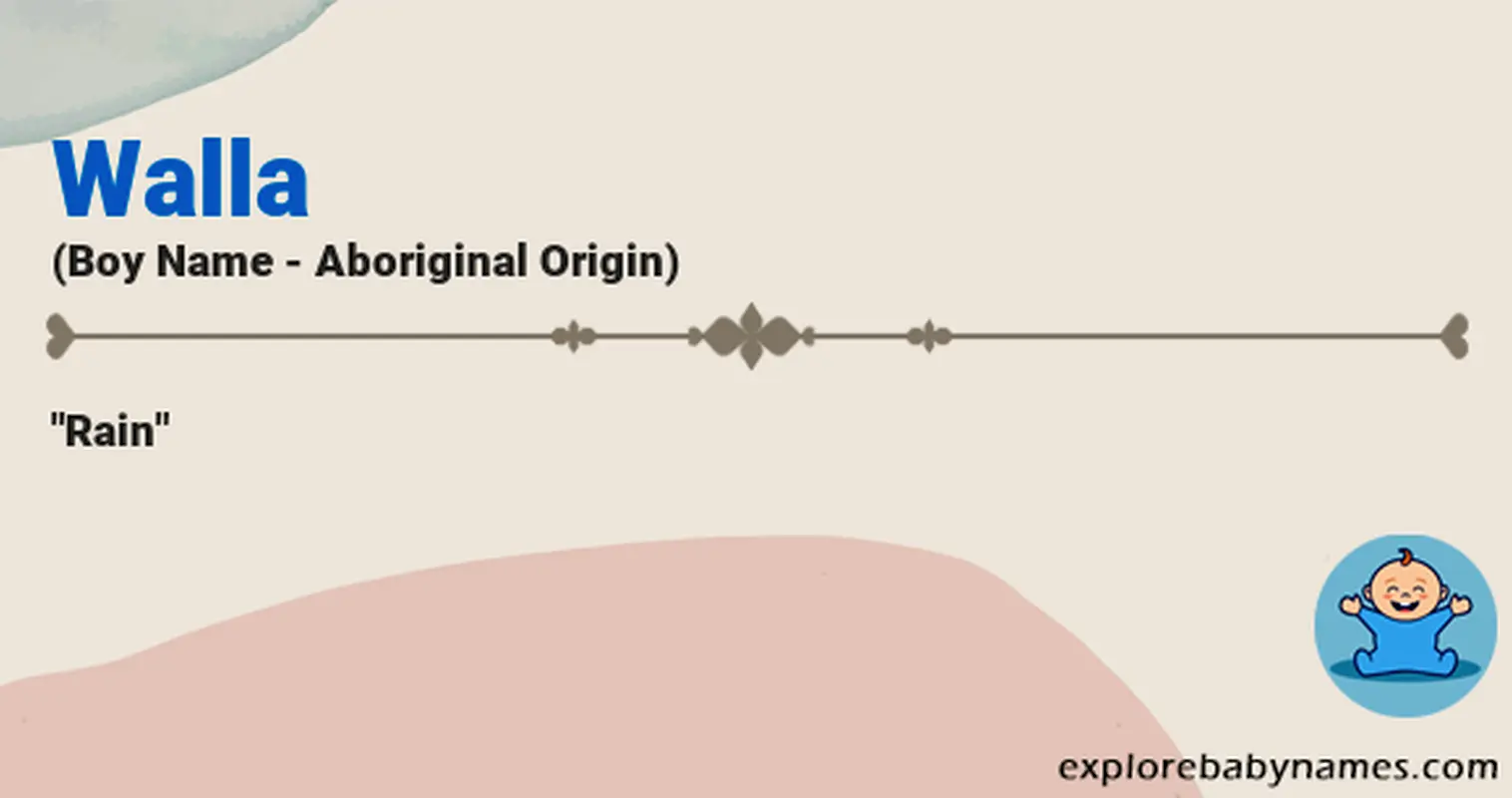
At its core, the word “Walla” (or Wallah) is derived from Arabic, literally translating to “By God.” In common parlance across the Middle East and parts of the Mediterranean, it is used to signify “I promise,” “Really?” or “I swear it’s true.” This linguistic foundation provides a rich soil for brand development, as it inherently conveys two of the most sought-after traits in marketing: authenticity and surprise.
From Arabic to Hebrew: A Linguistic Journey
The adoption of “Walla” into modern Hebrew and subsequently into international digital spaces is a fascinating study of cultural diffusion. In Israel, “Walla!” became the name of the country’s leading web portal and news outlet. By choosing a word that was already a staple of daily conversation, the founders bypassed the need to “teach” consumers a new word. They instead hijacked a pre-existing emotional response. This is a classic brand strategy: reducing the friction of entry by selecting a name that feels familiar, approachable, and inherently “of the people.”
The Emotional “Click”: Surprise and Authenticity in Branding
When used as an exclamation, “Walla!” denotes a sense of “Wow!” or “You don’t say!” For a media or tech brand, this is gold. It suggests that the content or service provided will be surprising, fresh, and truthful. In the context of corporate identity, using a colloquialism like “Walla” signals that the brand is not a faceless, bureaucratic entity. Instead, it positions itself as the “Everyman” archetype—a relatable peer that speaks the same language as its audience.
Case Study: Walla!—The Evolution of a Digital Media Powerhouse
To truly understand “Walla” as a brand, one must examine the Israeli media giant Walla! Communications Ltd. Founded in 1995, it began as a web directory—similar to the early days of Yahoo!—and evolved into a comprehensive ecosystem including news, email, e-commerce, and social networking. Its trajectory offers vital lessons for any brand looking to dominate a niche market.
Establishing Dominance in a Niche Market
The success of the Walla! brand was built on its ability to localize the internet experience. While global giants like Google and MSN were focused on universal utility, Walla! focused on the specific cultural nuances of its domestic audience. The name itself acted as a gatekeeper; it felt local, even if the technology behind it was global. In brand strategy, this is known as “cultural relevance,” and it is the primary reason why local brands can often withstand the encroachment of international conglomerates.
Pivoting from Search to Content: A Lesson in Corporate Identity
As the digital landscape shifted, the Walla! brand had to reinvent itself several times. It transitioned from a search engine to a content-heavy news portal. This shift required a delicate balance: maintaining the playful, colloquial energy of the name “Walla” while establishing the gravitas required for a leading news organization. They achieved this by segmenting their brand architecture—using “Walla! News” for serious reporting while maintaining “Walla! Fun” for lifestyle content. This demonstrates how a versatile name can support diverse product lines without losing its core identity.
The Strategic Power of Short Brand Names

The choice of “Walla” fits into a broader trend in brand strategy: the move toward short, punchy, and phonetically simple names. In an age of mobile browsing and shrinking attention spans, a brand name must be “sticky.”
Memorability and Phonetic Ease
From a design and marketing perspective, a five-letter word like “Walla” is ideal. It is visually symmetrical, easy to pronounce in multiple languages, and fits perfectly on an app icon or a favicon. Phonetically, it contains soft vowels and a liquid “L,” making it pleasant to hear and easy to remember. This follows the “Bouba/Kiki effect” in linguistics, where certain sounds evoke specific emotional shapes. “Walla” feels round, welcoming, and safe—essential traits for a brand that wants to be part of a user’s daily routine.
The “Vernacular Strategy”: Using Slang to Build Community
Modern brands are increasingly moving away from Latinate or clinical names (like “Exxon” or “Lucent”) toward “vernacular branding.” Brands like Slack, Discord, and Walla use common words to define a space. This strategy works because it creates an instant community. When a user says the brand name, they are using a word they already own. This blurs the line between the consumer’s personal identity and the brand’s corporate identity, fostering a level of brand loyalty that traditional marketing cannot buy.
Navigating Global Branding Challenges with Localized Terms
While “Walla” carries a specific, positive connotation in certain regions, its use as a brand name highlights the complexities of global marketing. A name that means “I swear” in one culture might mean something entirely different—or nothing at all—in another.
The Risks of Cross-Cultural Misinterpretation
For a brand looking to expand globally, “Walla” presents a unique challenge. In English-speaking markets, it is often confused with “Voila” (the French term for “there it is”). While the sentiment is similar—both denote a sense of revelation—the confusion can dilute brand clarity. Effective brand management requires a deep dive into the phonetics and slang of every target market to ensure the name doesn’t carry unintended negative baggage or “brand interference.”
Scalability: Can a Colloquial Brand Go Global?
The question for any brand named after a local idiom is scalability. Can “Walla” mean the same thing in New York as it does in Tel Aviv or Dubai? To scale such a brand, the marketing must pivot from the literal meaning of the word to the emotional intent. The brand becomes less about the Arabic root “By God” and more about the universal feeling of “The Truth” or “The Big Reveal.” This is how brands like Lego (from the Danish “Leg Godt” or “Play Well”) became global icons; they moved past the linguistic origin to embrace a universal brand promise.
The Future of Expressive Branding
As we look toward the future of marketing, the “Walla” model—names that are expressive, cultural, and colloquial—is likely to become the standard. In an AI-driven world where content is abundant and often impersonal, consumers are gravitating toward brands that feel human.
A name like “Walla” is an invitation to a conversation. It suggests a brand that is listening, reacting, and participating in the zeitgeist. For companies looking to build their own corporate identity, the lesson of “Walla” is clear: don’t just choose a name that describes what you do; choose a name that describes how you want your customers to feel.
Whether it is through the lens of a news portal, an e-commerce platform, or a personal brand, the “meaning” of Walla is found in its ability to spark a reaction. It is a reminder that in the world of branding, the most powerful tool we have is the language we use to connect with one another. By tapping into the vernacular, brands can transform from mere providers of services into integral parts of the cultural fabric.
In conclusion, “Walla” is more than just a word; it is a strategic asset. It represents the intersection of tradition and technology, proving that even in the digital age, the oldest words in our vocabulary can be the most effective tools for building a modern brand. For marketers and business leaders, the success of the Walla identity serves as a blueprint for how to create a brand that is not just seen or heard, but truly felt.
aViewFromTheCave is a participant in the Amazon Services LLC Associates Program, an affiliate advertising program designed to provide a means for sites to earn advertising fees by advertising and linking to Amazon.com. Amazon, the Amazon logo, AmazonSupply, and the AmazonSupply logo are trademarks of Amazon.com, Inc. or its affiliates. As an Amazon Associate we earn affiliate commissions from qualifying purchases.