
In the architecture of brand strategy, the sensory experience is often the most potent yet overlooked pillar of consumer loyalty. When a customer interacts with a physical product, the primary touchpoint is tactile. For apparel and home-goods brands, the material choice is not merely a manufacturing decision; it is a communication tool. Among the most debated materials in the contemporary market is viscose. To understand what viscose feels like is to understand the bridge between luxury perception and mass-market accessibility.
Viscose, a semi-synthetic fiber derived from regenerated cellulose, occupies a unique space in brand positioning. It is the material of choice for brands that want to project a narrative of elegance, fluidity, and comfort without the prohibitive price point of pure silk. From a branding perspective, the “feel” of viscose is its greatest asset, serving as a silent ambassador for a company’s quality standards.

The Sensory Blueprint: Defining the Hand-Feel of Viscose
When a consumer reaches for a garment on a retail rack, their first impression is dictated by the “hand-feel”—the textile industry’s term for the tactile sensations of a fabric. Viscose offers a specific sensory profile that brands leverage to communicate different value propositions.
The Silk-Like Smoothness
The most prominent characteristic of viscose is its remarkable smoothness. It is often referred to as “artificial silk” because it mimics the cool, slick surface of protein fibers. In the context of brand strategy, this smoothness is used to signal “premiumness.” When a brand uses a high-grade viscose, the customer perceives a level of refinement that polyester—often criticized for its plastic-like or “scratchy” feel—cannot replicate. This smoothness translates to a feeling of luxury against the skin, which is essential for brands targeting the “affordable luxury” segment.
Breathability and Thermal Regulation
Unlike fully synthetic fibers like nylon or acrylic, viscose is highly breathable and moisture-wicking. To the touch, this manifests as a “cool” feeling. In branding, this functionality is marketed as a comfort feature. A brand that positions itself around travel-wear or summer lifestyle products will emphasize the cool-to-the-touch nature of viscose to build a narrative of effortless comfort. The physical sensation of the fabric staying cool against the skin reinforces the brand’s promise of high-performance design in warm climates.
The Weight and Drape
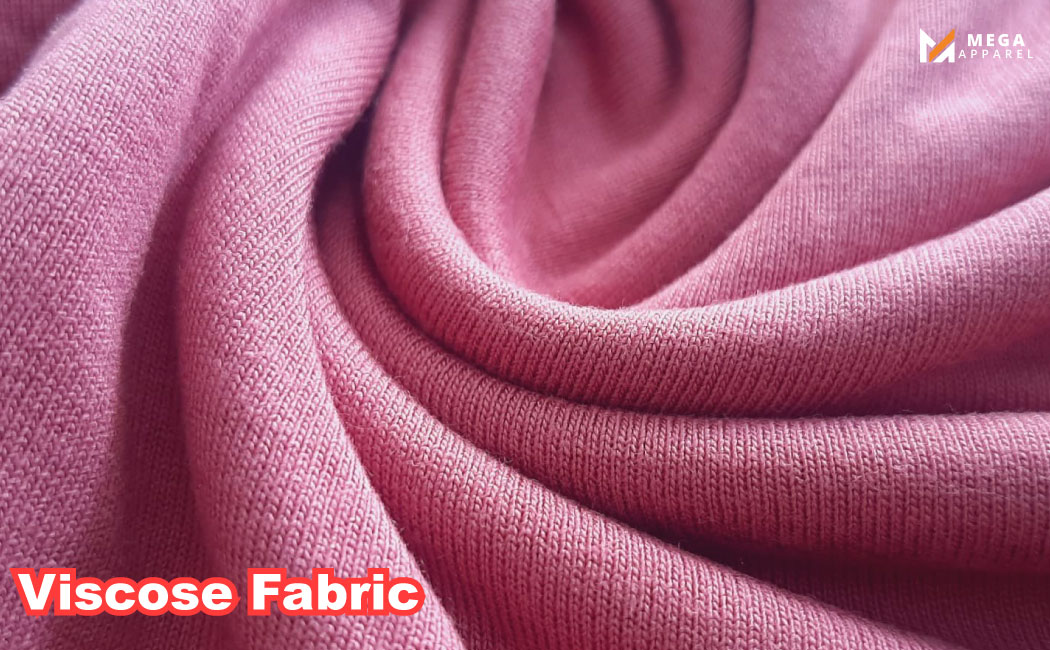
One of the most defining tactile traits of viscose is its weight. It is heavier than cotton but lighter than many wools, giving it a signature “liquid” drape. When a garment made of viscose moves, it follows the contours of the body with a graceful fluidity. For a fashion brand, this drape is a visual and tactile shorthand for sophistication. It allows a brand to create silhouettes that look expensive and “flowy,” appealing to a consumer’s desire for garments that feel substantial yet airy.
Translating Sensation into Brand Equity
For a brand, the tactile feel of a product is a physical manifestation of its DNA. The choice to use viscose is a strategic move to align a product’s physical reality with its marketing narrative.
Positioning in the Value Chain
Brand strategy involves finding the “sweet spot” in the market. Viscose allows brands to occupy the space between fast fashion and high-end couture. By utilizing the silky feel of viscose, a mid-tier brand can visually and tactually compete with luxury houses. This “tactile trickery” is essential for brands that want to elevate their perceived value. When a customer feels a viscose blouse that mimics the sensation of a $400 silk shirt but is priced at $80, the perceived value—and subsequently, brand affinity—skyrockets.
Consistency as a Trust Signal
In corporate identity, consistency is king. If a brand promises a “soft-touch” collection, the viscose must deliver a uniform sensation across the entire product line. Variations in the feel of the fabric can lead to consumer distrust. High-end brands invest heavily in sourcing specific types of viscose, such as those made from bamboo or specialized wood pulps, to ensure that the tactile experience remains consistent. This consistency reinforces the brand’s reliability, turning a one-time purchaser into a loyal advocate.
The Emotional Connection to Comfort
Brands today are increasingly focusing on “emotional branding.” The feel of viscose—soft, non-irritating, and lightweight—triggers a positive emotional response associated with safety and relaxation. Loungewear and “athleisure” brands have mastered this. By choosing viscose blends that feel like a “second skin,” these brands create a sensory loop: the customer puts on the garment, feels immediate physical relief, and subconsciously associates the brand with well-being.
Sustainability Branding: The Evolution from Viscose to Tencel
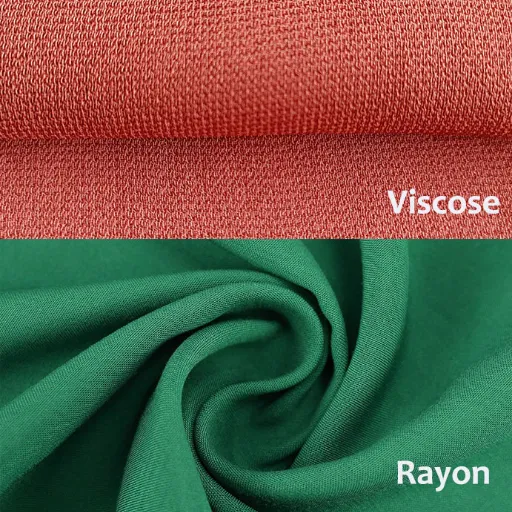
In the modern marketplace, a brand’s reputation is inextricably linked to its environmental footprint. While the feel of traditional viscose is a selling point, its manufacturing process has historically been a branding liability due to chemical usage and deforestation. This has led to a strategic pivot in how brands market the “feel” of regenerated cellulose.
The Rise of Lyocell and Modal
To protect their brand equity, many forward-thinking companies have transitioned from generic viscose to branded fibers like Tencel (Lyocell) or Modal. These fibers feel almost identical to high-quality viscose—perhaps even softer—but they come with a “green” brand narrative. For a brand like Patagonia or Eileen Fisher, the feel of the fabric is used to validate the sustainability claim. The logic is simple: if it feels natural and soft, it supports the brand’s image as an eco-conscious entity.
Transparency as a Brand Asset
Brands that use premium viscose often use the material’s feel as a gateway to discussing their supply chain. By highlighting the softness of the fiber, they can transition into a story about closed-loop manufacturing and FSC-certified forests. Here, the tactile sensation serves as the “hook” that engages the consumer, while the sustainability story provides the “reason to believe.” In this way, the feel of the fabric becomes a tool for building a deeper, values-based relationship with the audience.
Strategic Product Design: Why Feel Dictates Customer Loyalty
The ultimate goal of any brand strategy is to minimize churn and maximize life-time value (LTV). In the world of physical products, the “feel” of a material like viscose is a primary driver of repeat purchases.
Reducing Return Rates
In e-commerce, a major pain point for brands is the high rate of returns. Often, a product looks good in photos but feels “cheap” or “plastic” in person. Viscose helps mitigate this. Because it has a high-quality hand-feel and a flattering drape, it is less likely to disappoint a customer upon unboxing. A brand that consistently delivers products that feel better than expected creates a “positive surprise” effect, which is a powerful driver of five-star reviews and word-of-mouth marketing.
The Sensory Identity of “Home”
For home-goods brands—selling sheets, curtains, or towels—the feel of viscose is even more critical. In this niche, the brand is selling an environment. Viscose-from-bamboo sheets are marketed with terms like “buttery soft” and “silk-smooth.” When the customer experiences this sensation every night, the brand becomes an integral part of their personal comfort ritual. This level of sensory integration makes the brand nearly impossible to displace with a competitor that offers a less tactilely pleasing product.
Marketing the Invisible: Communicating Texture in a Digital-First World
One of the greatest challenges for modern brand managers is communicating how viscose feels through a digital screen. Since the customer cannot touch the product through a smartphone, brands must use sophisticated visual and verbal cues to translate the tactile experience.
Visual Cues and “The Drape Shot”
Marketing agencies specialized in fashion use specific lighting and motion to showcase the feel of viscose. High-frame-rate videos showing the fabric billowing in the wind or “pooling” on a surface are used to signal its softness and weight. By showing how the material reacts to movement, brands can “show” the feel. This visual storytelling is essential for maintaining a premium brand identity in a digital space.
Verbal Branding and Descriptive Copy
The language used to describe viscose is a vital part of a brand’s tone of voice. Instead of merely listing “100% Viscose” in the product details, savvy brands use evocative language. Terms like “petal-soft,” “liquid silk,” “breathable luxury,” and “cooling touch” are used to prime the consumer’s expectations. This linguistic framing ensures that when the product finally arrives, the consumer is already conditioned to perceive the fabric as a high-value material.
Influencer Partnerships and Third-Party Validation
In the age of social media, brands rely on influencers to act as the “hands” of the consumer. An influencer describing a viscose dress as “the softest thing I’ve ever worn” carries more weight than a corporate product description. This peer-to-peer tactile validation is a cornerstone of modern brand strategy, leveraging human connection to bridge the gap between a digital image and a physical sensation.
Conclusion: The Tactile Future of Branding
As we move further into a world dominated by digital interactions, the value of physical sensation will only increase. Brands that understand the nuances of materials like viscose—and how their “feel” impacts consumer perception—will be better positioned to build lasting equity. Viscose is more than a fabric; it is a strategic asset that, when used correctly, can communicate luxury, comfort, and sustainability. By mastering the tactile narrative, brands can ensure that every time a customer touches their product, they are not just feeling a fabric, but experiencing the very essence of the brand itself.
aViewFromTheCave is a participant in the Amazon Services LLC Associates Program, an affiliate advertising program designed to provide a means for sites to earn advertising fees by advertising and linking to Amazon.com. Amazon, the Amazon logo, AmazonSupply, and the AmazonSupply logo are trademarks of Amazon.com, Inc. or its affiliates. As an Amazon Associate we earn affiliate commissions from qualifying purchases.