
Unpacking the Financial Definition of Vermeil Gold
To truly understand what vermeil gold means, one must delve beyond a simple material description and examine its intrinsic financial characteristics and market positioning. Vermeil is not just a type of gold; it represents a specific standard in metallurgy that carries distinct financial implications for both consumers and businesses. Its definition is anchored in a precise composition that elevates it above typical gold plating, establishing it as a unique proposition in the world of fine and fashion jewelry.
The Sterling Silver Foundation
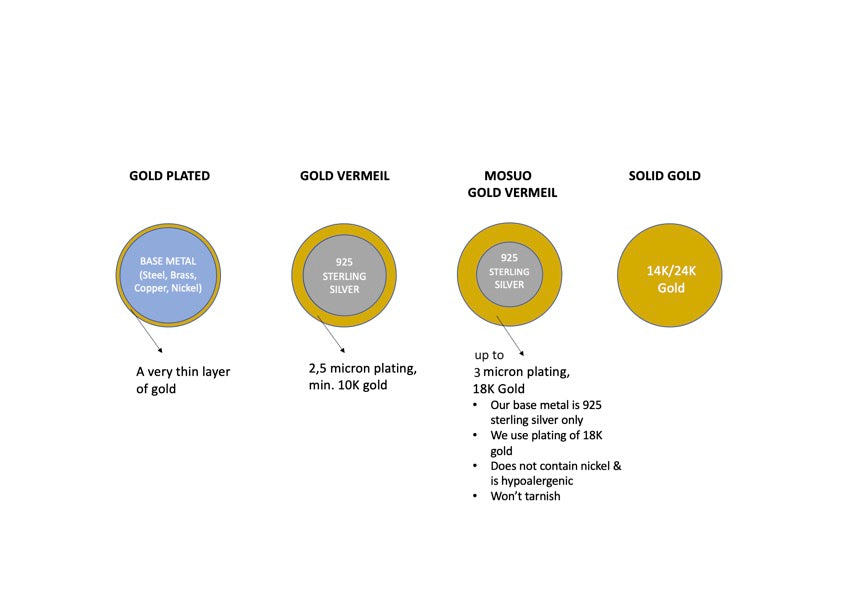
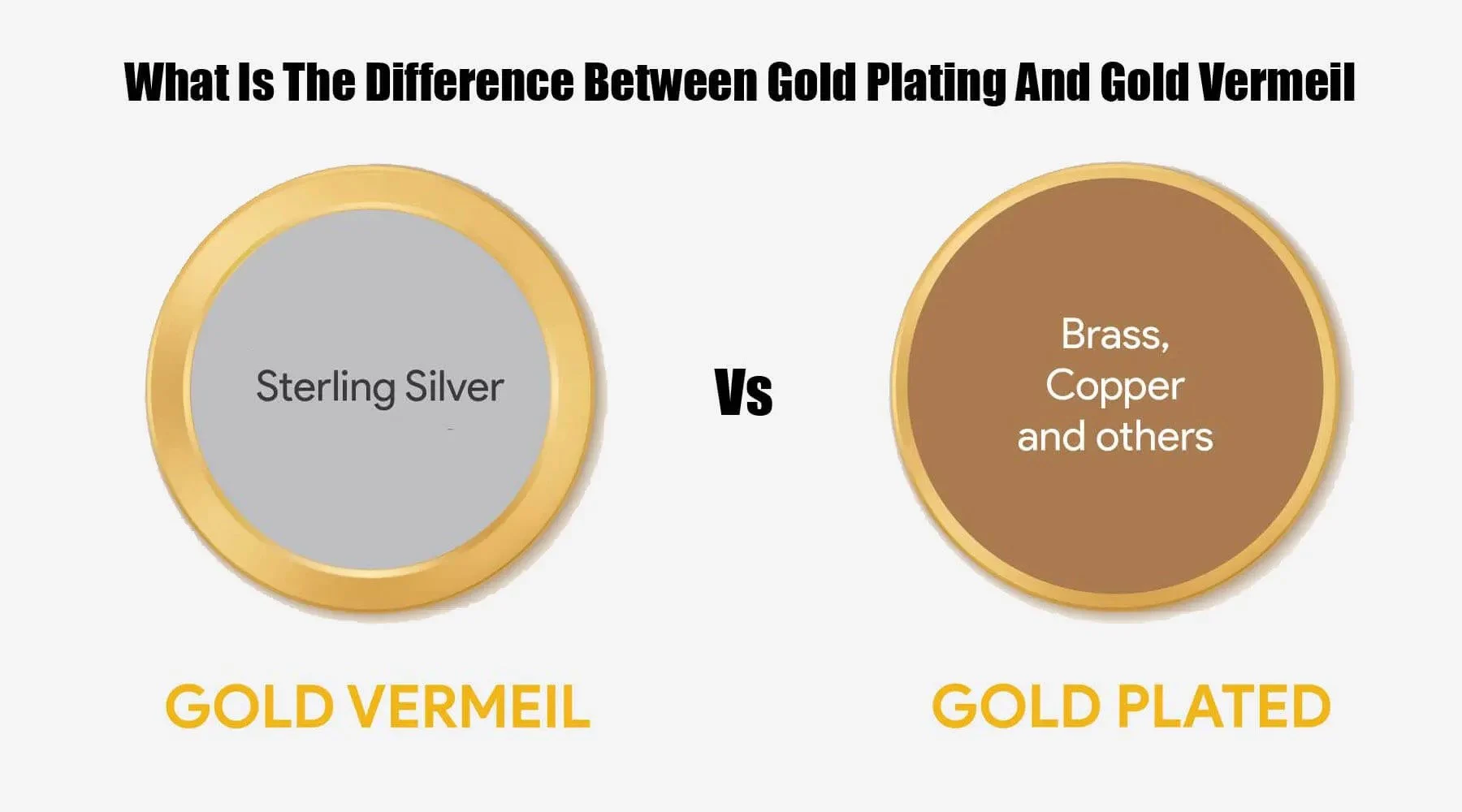
At its core, vermeil gold begins with sterling silver. This isn’t merely an aesthetic choice; it’s a fundamental financial component. Sterling silver is an alloy composed of 92.5% pure silver and 7.5% other metals, typically copper. This composition imbues it with greater durability than pure silver, which is too soft for most jewelry applications, while retaining a significant precious metal content. From a financial perspective, using sterling silver as a base means that vermeil items possess an underlying precious metal value, distinguishing them from pieces made with base metals like brass, copper, or steel. This foundation inherently contributes to a higher cost of goods than standard plated items but offers a superior intrinsic value that resonates with discerning consumers. The market price of sterling silver fluctuates, directly impacting the manufacturing costs and, consequently, the retail price of vermeil items. For businesses, managing inventory and pricing requires careful consideration of these silver market dynamics.

The Gold Plating Standard
The gold layer in vermeil is not just any gold plating; it adheres to specific, stringent criteria. Firstly, the gold must be at least 10 karats, though it is often higher, typically 14K, 18K, or even 24K, to achieve a richer color and perceived luxury. Secondly, and critically from a financial and regulatory standpoint, the gold layer must have a minimum thickness of 2.5 microns (or 0.1 mils). This thickness standard is what sets vermeil apart from lesser forms of gold plating, where the gold layer can be significantly thinner, sometimes less than 0.5 microns. A thicker gold layer means a more substantial application of a precious metal, contributing directly to the material cost. For consumers, this translates to greater durability of the gold finish and a longer-lasting luster, offering a better return on their initial investment compared to thinly plated alternatives that quickly wear away. For businesses, meeting this standard requires precise manufacturing processes and a higher expenditure on gold, necessitating a pricing strategy that reflects this enhanced quality.
Differentiation from Standard Gold Plating
Understanding the financial distinction between vermeil gold and standard gold plating is crucial. Standard gold plating, often labeled simply as “gold plated,” typically uses a much thinner layer of gold, often over a base metal that holds no intrinsic precious metal value. This results in a significantly lower production cost and, consequently, a much lower retail price. While appealing for extreme budget options, these items often tarnish quickly, and the gold layer wears off with minimal use, leading to a short lifespan. Vermeil, conversely, represents a substantial upgrade. Its sterling silver core maintains value even if the gold layer eventually fades, and the thicker gold plating offers superior longevity and resistance to wear. From a consumer finance perspective, vermeil offers a “sweet spot” – a balance of affordability and quality that provides a more durable and aesthetically pleasing experience than standard plating, without the prohibitive cost of solid gold. For businesses, positioning vermeil correctly means educating customers on this value proposition, justifying a higher price point by emphasizing the underlying precious metal and the superior gold layer.
The Allure of Affordable Luxury: Vermeil in Personal Finance
Vermeil gold occupies a unique and highly attractive niche in personal finance, particularly for those navigating the complexities of acquiring luxury items. It offers an elegant solution for consumers seeking the aesthetic appeal and quality feel of solid gold without the associated premium price tag. This “affordable luxury” positioning makes vermeil a compelling financial choice for a wide array of purchases, from everyday accessories to special occasion pieces.
Budgeting for Elegance
For individuals managing their personal finances, vermeil gold presents an excellent opportunity to budget for elegant jewelry without compromising on quality or style. The cost of a vermeil piece can be a fraction of that of its solid gold counterpart, making high-fashion trends and classic designs accessible to a broader audience. This allows consumers to diversify their jewelry collection, acquiring multiple vermeil pieces for the price of one solid gold item, or to invest in a statement piece that would otherwise be out of reach. When planning discretionary spending, allocating funds for vermeil jewelry can be a smart financial decision, allowing for aesthetic satisfaction without significant strain on savings or other financial goals. It encourages conscious consumerism, where individuals can enjoy luxury responsibly.
Perceived Value vs. Actual Cost
One of vermeil’s most compelling financial attributes is its high perceived value relative to its actual cost. Visually, a well-crafted vermeil piece can be indistinguishable from a solid gold item, especially to the untrained eye. This allows consumers to project an image of luxury and sophistication without incurring the hefty expense of solid gold. The psychological benefit of wearing “gold” at an accessible price point contributes significantly to its appeal. From an economic standpoint, consumers are effectively paying for the aesthetics and durability of a genuine precious metal layer over a valuable sterling silver core, rather than paying the exponential premium for solid gold’s full depth. This value proposition positions vermeil as a financially intelligent choice for those prioritizing style and quality within a defined budget.
Investment Considerations and Resale Potential
While vermeil gold is not typically considered a significant investment asset in the same vein as solid gold bullion or high-carat jewelry, it does retain some intrinsic value due to its sterling silver core. Unlike costume jewelry made from base metals, a vermeil piece holds a baseline value tied to the fluctuating market price of silver, even if the gold plating eventually wears away. For consumers, this means that while its primary purpose is adornment rather than capital appreciation, it is not a complete depreciation. Its resale potential, though limited compared to solid gold, is still greater than that of non-precious plated items. A well-maintained vermeil piece might fetch a modest return, particularly if it’s a desirable brand or design. However, buyers should approach vermeil more as a durable consumer good that holds aesthetic value rather than a financial investment vehicle for significant returns.
Strategic Financial Plays for Businesses
For businesses in the jewelry industry, incorporating vermeil gold into their product lines is a strategic financial decision that can significantly impact profitability, market positioning, and customer acquisition. The unique characteristics of vermeil allow companies to cater to a broader market segment, optimize production costs, and craft compelling value propositions.
Material Costs and Profit Margins
The choice to utilize vermeil gold directly affects a business’s material costs and, subsequently, its profit margins. While more expensive than standard gold plating due to the sterling silver base and thicker gold layer, vermeil is considerably more affordable than solid gold. This allows businesses to produce high-quality, visually appealing jewelry at a more manageable cost of goods sold (COGS). By optimizing their sourcing of sterling silver and gold, manufacturers can achieve healthy profit margins on vermeil products, often better than those on entry-level costume jewelry which faces intense price competition, or high-end solid gold pieces which cater to a much smaller, niche market. Efficient inventory management and bulk purchasing strategies for raw materials become critical financial levers in maximizing profitability from vermeil lines.
Pricing Strategy and Market Positioning
Vermeil gold enables businesses to implement sophisticated pricing strategies and occupy a strategic position in the market. It allows brands to bridge the gap between inexpensive fashion jewelry and high-end fine jewelry. A business can price vermeil items competitively, attracting consumers who desire quality and luxury but are price-sensitive. This positioning often appeals to a demographic that aspires to fine jewelry but finds solid gold inaccessible. By offering vermeil, brands can expand their customer base, targeting those seeking “accessible luxury.” Marketing efforts can then focus on highlighting the superior quality, durability, and precious metal content of vermeil compared to standard plating, justifying a premium price point while still being perceived as an excellent value. This careful calibration of price to perceived value is a cornerstone of successful financial strategy for vermeil products.
Inventory Management and Value Proposition
Effective inventory management for vermeil products involves balancing consumer demand with material costs and production cycles. Because sterling silver and gold prices can fluctuate, businesses must carefully manage their raw material inventory to mitigate financial risks. The value proposition of vermeil gold is its ability to offer durable, beautiful, and hypoallergenic jewelry at a mid-range price point. For businesses, clearly articulating this value proposition to customers is paramount. It involves educating them about the 2.5-micron gold layer and the sterling silver base, differentiating it from cheaper alternatives. This transparency not only builds trust but also justifies the pricing, leading to higher conversion rates and stronger brand loyalty. By emphasizing the quality and longevity of vermeil, businesses can cultivate a reputation for offering exceptional value, which translates into sustained sales and financial growth.
Gold Alternatives: A Comparative Financial View
Understanding vermeil’s financial standing requires a comparison with other gold types. Each category offers a different balance of cost, durability, and intrinsic value, influencing both consumer purchasing decisions and business production choices.
Vermeil vs. Solid Gold: A Cost-Benefit Analysis
The financial contrast between vermeil gold and solid gold is perhaps the most significant. Solid gold (e.g., 14K, 18K) is a uniform alloy throughout, making it highly durable, resistant to tarnish, and extremely valuable due to its high gold content. Its primary financial drawback is its exorbitant cost, driven by the pure gold market price. For consumers, solid gold is often an investment piece, intended for lifelong wear and potential heirloom status. For businesses, manufacturing solid gold involves significant capital outlay for materials and higher insurance costs.
Vermeil, on the other hand, offers the aesthetic appeal of solid gold at a fraction of the cost. The benefit is immediate affordability and accessibility to fashionable designs. The trade-off is that the gold layer, while substantial, can eventually wear off, revealing the sterling silver underneath. This makes vermeil a more financially sensible choice for trend-driven pieces, or for those who want the look of gold without the lifetime financial commitment. For businesses, vermeil offers a high-margin opportunity in the mid-luxury segment, without the massive material investment required for solid gold production.
Vermeil vs. Gold-Filled and Gold-Plated: Understanding the Value Ladder
Beyond solid gold, vermeil sits on a crucial rung of the financial value ladder when compared to gold-filled and standard gold-plated items.
-
Standard Gold-Plated (Flash Plated): This is the lowest tier in terms of cost and durability. It involves a very thin layer of gold (often <0.5 microns) over a base metal (like brass or copper). The financial advantage is extreme affordability for both consumers and businesses. However, the gold quickly wears off, leading to rapid tarnishing and a very short lifespan. Resale value is negligible.
-
Gold-Filled: This is a more durable and valuable alternative than standard plating, though generally less expensive than vermeil. Gold-filled items are made by pressure-bonding a thick layer of gold (at least 5% of the item’s total weight) to a base metal core. This results in a very durable, long-lasting gold surface. From a financial perspective, gold-filled offers excellent value for longevity, often rivaling vermeil in wear, but its base metal core (often brass) lacks the intrinsic value of sterling silver. Its cost is typically between gold-plated and vermeil.
-
Vermeil: Financially, vermeil provides a unique blend. It offers a thicker gold layer than standard plating, ensuring better durability than flash plating, combined with a precious sterling silver core. This makes it more expensive than gold-filled (due to the silver) but offers the advantage of an underlying precious metal. Consumers investing in vermeil know they are acquiring a piece with a more substantial precious metal content than gold-filled, making it a step closer to fine jewelry in terms of material composition, even if not in overall gold weight. Businesses strategically use vermeil to cater to a demographic seeking premium quality and precious metal content without the solid gold price tag.
Maintaining Your Vermeil Investment
While vermeil gold offers an excellent financial value for its initial purchase, proactive care is essential to prolong its lifespan and preserve its aesthetic appeal, thereby maximizing the return on your investment. Proper maintenance helps prevent the premature wearing of the gold layer, ensuring that your vermeil jewelry continues to look its best for years.
To clean vermeil, use a soft, non-abrasive cloth and mild soap with lukewarm water. Avoid harsh chemicals, abrasive cleaners, or jewelry polishing cloths that can strip the gold layer. It’s also crucial to remove vermeil jewelry before showering, swimming, exercising, or applying lotions, perfumes, or hairsprays, as these can accelerate tarnishing and wear. Storing vermeil pieces in a dry, airtight container, away from other metals that could cause scratches, also contributes significantly to its longevity. By adhering to these simple care guidelines, consumers can ensure their vermeil gold pieces retain their luster and perceived value, making them a more enduring and financially satisfying purchase.
aViewFromTheCave is a participant in the Amazon Services LLC Associates Program, an affiliate advertising program designed to provide a means for sites to earn advertising fees by advertising and linking to Amazon.com. Amazon, the Amazon logo, AmazonSupply, and the AmazonSupply logo are trademarks of Amazon.com, Inc. or its affiliates. As an Amazon Associate we earn affiliate commissions from qualifying purchases.