
The acronym URAC often surfaces in discussions surrounding healthcare quality, patient safety, and regulatory compliance. For those operating within or interacting with the health insurance and healthcare delivery ecosystem, understanding what URAC stands for and its significance is paramount. URAC, an independent, non-profit organization, plays a crucial role in setting and upholding rigorous standards for health-related organizations. Their accreditation process serves as a benchmark for excellence, providing assurance to consumers, employers, and government entities that accredited organizations meet established quality and safety criteria. This article will delve into the meaning of URAC, its history, the various accreditation programs it offers, and the profound impact its standards have on the healthcare industry, particularly within the realm of Tech.
Understanding URAC: Beyond the Acronym
At its core, URAC stands for Utilization Review Accreditation Commission. However, this literal translation only scratches the surface of the organization’s comprehensive mission and impact. Founded in 1990, URAC emerged from a growing need for standardized, evidence-based practices in the burgeoning field of managed care. The initial focus was on utilization review – the process by which health plans evaluate the necessity and appropriateness of medical services. Over time, URAC’s scope has expanded dramatically to encompass a much broader spectrum of healthcare organizations and services, reflecting the evolving complexities of the healthcare landscape, including the significant technological advancements that have reshaped its delivery and administration.
The Genesis of URAC: A Response to Industry Needs
The early 1990s witnessed a rapid transformation in how healthcare was financed and delivered. The rise of managed care organizations (MCOs) brought with it concerns about cost containment often at the expense of quality and patient access. There was a distinct lack of consensus on how to measure and ensure the quality of these new healthcare models. This environment created a critical demand for an independent body that could establish objective standards and provide accreditation to organizations that met these benchmarks. URAC was established to fill this void, offering a credible and unbiased evaluation mechanism.
Evolution and Expansion: From Utilization Review to Comprehensive Health Care Accreditation
While “Utilization Review” remains part of its name, URAC’s accreditation programs now extend far beyond this initial focus. Recognizing the interconnectedness of various aspects of healthcare, URAC has developed a robust portfolio of accreditation standards that address a wide array of services and organizational types. This evolution has been driven by the increasing complexity of healthcare delivery, the integration of new technologies, and the persistent drive to improve patient outcomes and experiences. Today, URAC accredits organizations across the entire healthcare continuum, from health plans and pharmacy benefit managers to health technology companies and patient management programs. This expansion underscores URAC’s commitment to promoting quality and accountability across the entire healthcare ecosystem, with a particular emphasis on how technology is integrated and utilized.
URAC’s Impact on the Technology Sector in Healthcare
The healthcare industry is in the midst of a profound digital transformation, and URAC’s role in this evolution is increasingly significant. As new technologies like artificial intelligence (AI), telehealth platforms, remote patient monitoring devices, and data analytics tools become integral to healthcare delivery, URAC’s accreditation standards provide a crucial framework for ensuring these innovations are implemented safely, effectively, and ethically. For technology companies operating in the health tech space, achieving URAC accreditation is not merely a badge of honor; it is a testament to their commitment to quality, security, and patient well-being, making them more attractive to payers, providers, and consumers alike.
Health-Tech Innovation and the URAC Seal of Approval
The proliferation of digital health solutions has introduced both unprecedented opportunities and significant challenges. While these technologies promise to improve access, efficiency, and personalized care, they also raise concerns about data privacy, cybersecurity, clinical efficacy, and equitable access. URAC addresses these concerns through its specialized accreditation programs. For instance, URAC’s accreditation for telehealth providers ensures that these virtual care services meet stringent standards for clinical quality, patient safety, privacy, and security. Similarly, accreditations for health information organizations (HIOs) and data analytics vendors underscore the importance of secure data exchange, interoperability, and the responsible use of health information for improving care coordination and population health management.
Ensuring Data Security and Patient Privacy in a Digital Age
In an era where health data is a prime target for cybercriminals, URAC’s accreditation standards place a strong emphasis on data security and patient privacy. Organizations seeking URAC accreditation must demonstrate robust policies and procedures for protecting sensitive health information, complying with regulations like HIPAA (Health Insurance Portability and Accountability Act) in the United States and similar data protection laws globally. This includes requirements for encryption, access controls, breach notification protocols, and regular security risk assessments. For tech companies developing platforms or solutions that handle patient data, adhering to these rigorous security standards is not only a legal obligation but also a critical factor in building trust with their users and clients.
Evaluating the Clinical Efficacy and Usability of Digital Health Tools
Beyond security, URAC also scrutinizes the clinical effectiveness and usability of digital health tools. Accreditation programs often require evidence of clinical validation, demonstrating that a technology can achieve its intended health outcomes. This might involve studies, pilot programs, or adherence to established clinical guidelines. Furthermore, URAC assesses the user experience, ensuring that digital health tools are intuitive, accessible, and designed to support patient engagement and adherence to treatment plans. This focus on usability and efficacy is vital for ensuring that technological advancements translate into tangible improvements in patient care rather than simply creating digital barriers.
URAC Accreditation Programs: A Diverse Portfolio for a Complex Industry
URAC offers a comprehensive suite of accreditation programs designed to meet the diverse needs of the healthcare industry, with a significant focus on organizations leveraging technology. These programs are built upon a foundation of evidence-based best practices and are regularly updated to reflect the latest advancements and regulatory changes.

Accreditation for Health Plans and Managed Care Organizations
This is one of URAC’s foundational accreditation areas. It covers a broad range of standards related to the operations of health insurance companies and managed care entities. These include requirements for:
- Quality Improvement: Programs designed to monitor and enhance the quality of care provided to members.
- Network Management: Standards for building and maintaining a network of qualified healthcare providers.
- Member Services: Ensuring timely and accurate information and support for plan members.
- Utilization Management: Processes for reviewing the necessity and appropriateness of healthcare services.
- Clinical Decision Support: Mechanisms for guiding clinical decision-making and promoting evidence-based practice.
While not exclusively tech-focused, these programs increasingly integrate technology for data analysis, member communication, and care coordination.
Pharmacy Benefit Manager (PBM) Accreditation
URAC’s PBM accreditation program is critical in an industry increasingly influenced by pharmaceutical technology, data analytics, and digital platforms for prescription management. Standards in this area focus on:
- Formulary Management: Ensuring that drug formularies are developed and managed in a clinically sound and transparent manner.
- Drug Utilization Review (DUR): Processes to ensure safe and effective medication use.
- Pharmacy Network Management: Standards for contracting with and overseeing pharmacies.
- Member and Provider Education: Providing clear information about drug benefits and usage.
- Data Reporting and Analytics: Utilizing data to improve medication adherence, reduce waste, and manage costs. The effectiveness of PBMs is heavily reliant on sophisticated data management and technological infrastructure.
Accreditation for Emerging Health Technologies and Services
URAC has been proactive in developing accreditation pathways for newer areas of healthcare that are heavily technology-dependent:
- Telehealth Accreditation: This program assesses organizations that deliver healthcare services remotely. It examines their ability to ensure patient safety, privacy, clinical quality, and technical reliability in virtual care settings. This includes evaluating the platform’s security features, the training of providers, and the processes for patient identification and consent.
- Health Content Accreditation: This program is designed for organizations that develop and disseminate health information, including digital content platforms, websites, and mobile applications. It focuses on the accuracy, reliability, evidence-based nature, and accessibility of the health content provided.
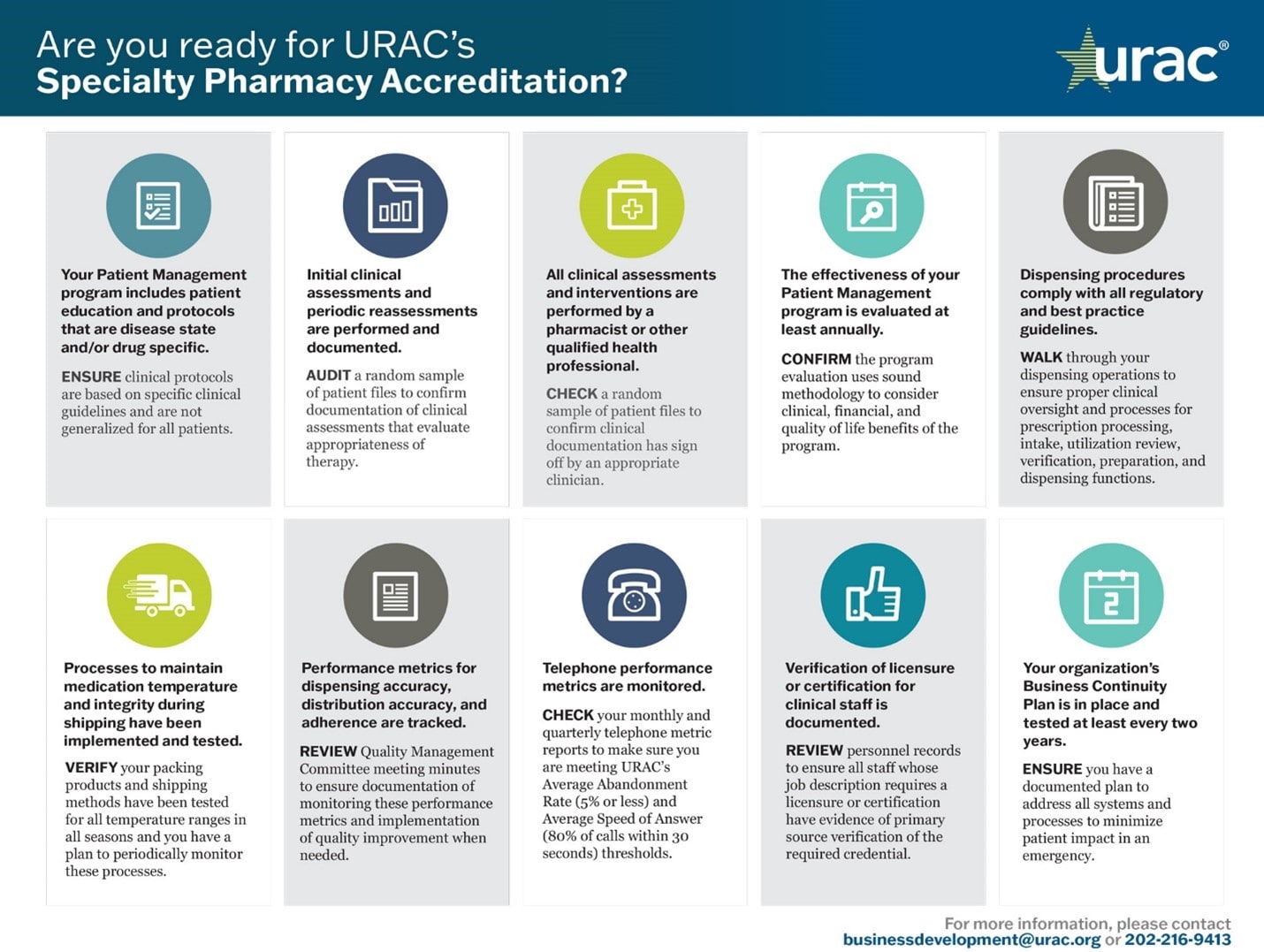
- Patient Management Programs Accreditation: This covers programs designed to support patients with chronic conditions or specific health needs, often utilizing digital tools for monitoring, education, and engagement. Standards focus on the effectiveness of the program in improving patient outcomes and the secure and ethical use of patient data.
The Benefits of URAC Accreditation: Driving Quality and Trust
Achieving URAC accreditation offers a multitude of benefits for healthcare organizations, particularly those at the forefront of technological innovation. It serves as a powerful differentiator in a competitive market, signals a commitment to excellence, and ultimately enhances the credibility and trustworthiness of the accredited entity.
Enhanced Credibility and Market Competitiveness
In a rapidly evolving healthcare landscape, demonstrating a commitment to quality and safety is no longer optional. URAC accreditation provides an independent, third-party validation of an organization’s adherence to high standards. For tech companies, this seal of approval can be invaluable when seeking partnerships with health plans, hospitals, or employers. It assures potential clients and customers that the technology and services provided are not only innovative but also meet rigorous quality, security, and operational benchmarks. This can lead to a competitive advantage, opening doors to new business opportunities and fostering long-term relationships.
Improved Patient Safety and Quality of Care
At its heart, URAC accreditation is about improving patient outcomes. The standards are designed to promote safe, effective, and patient-centered care. For technology providers, this means that their solutions must not only be functional but also demonstrably contribute to better health results and a more positive patient experience. By adhering to URAC’s guidelines, organizations are compelled to embed quality and safety into their processes and product development, reducing risks and enhancing the overall value they deliver to patients.

Regulatory Compliance and Risk Mitigation
URAC accreditation often goes hand-in-hand with meeting various regulatory requirements. While accreditation is voluntary, it frequently aligns with or exceeds the mandates set by government bodies. For organizations in the health-tech sector, navigating the complex web of healthcare regulations can be challenging. URAC’s standards, particularly those concerning data privacy, security, and clinical practice, provide a clear roadmap for achieving and maintaining compliance, thereby mitigating regulatory risks and avoiding potential penalties. The rigorous review process involved in accreditation helps identify and address potential compliance gaps before they become problematic.
In conclusion, URAC, the Utilization Review Accreditation Commission, has evolved into a vital organization setting the bar for quality and accountability across the healthcare industry. Its accreditation programs, increasingly relevant to the technologically driven advancements in healthcare, provide a crucial framework for ensuring that innovation translates into safe, effective, and patient-centered care. For technology companies seeking to make a meaningful impact in the health sector, understanding and pursuing URAC accreditation is a strategic imperative, signaling a deep commitment to excellence, patient well-being, and the responsible integration of technology into the future of health.
aViewFromTheCave is a participant in the Amazon Services LLC Associates Program, an affiliate advertising program designed to provide a means for sites to earn advertising fees by advertising and linking to Amazon.com. Amazon, the Amazon logo, AmazonSupply, and the AmazonSupply logo are trademarks of Amazon.com, Inc. or its affiliates. As an Amazon Associate we earn affiliate commissions from qualifying purchases.