
In the rapidly evolving landscape of online income and digital entrepreneurship, the term “unfulfilled” carries a weight far beyond its literal dictionary definition. For the business owner, the investor, and the side-hustler, “unfulfilled” is a critical status indicator that sits at the intersection of logistics, accounting, and customer psychology. Understanding what it means to have an unfulfilled order—and more importantly, understanding the financial implications of that status—is essential for anyone looking to maintain a healthy bottom line and a scalable business model.
In financial terms, an unfulfilled order represents a commitment made but not yet completed. It is a moment of suspended animation where a customer has typically exchanged currency for the promise of a product or service, but the value has not yet been delivered. This gap between the transaction and the delivery is where many businesses either build their reputation or lose their capital.
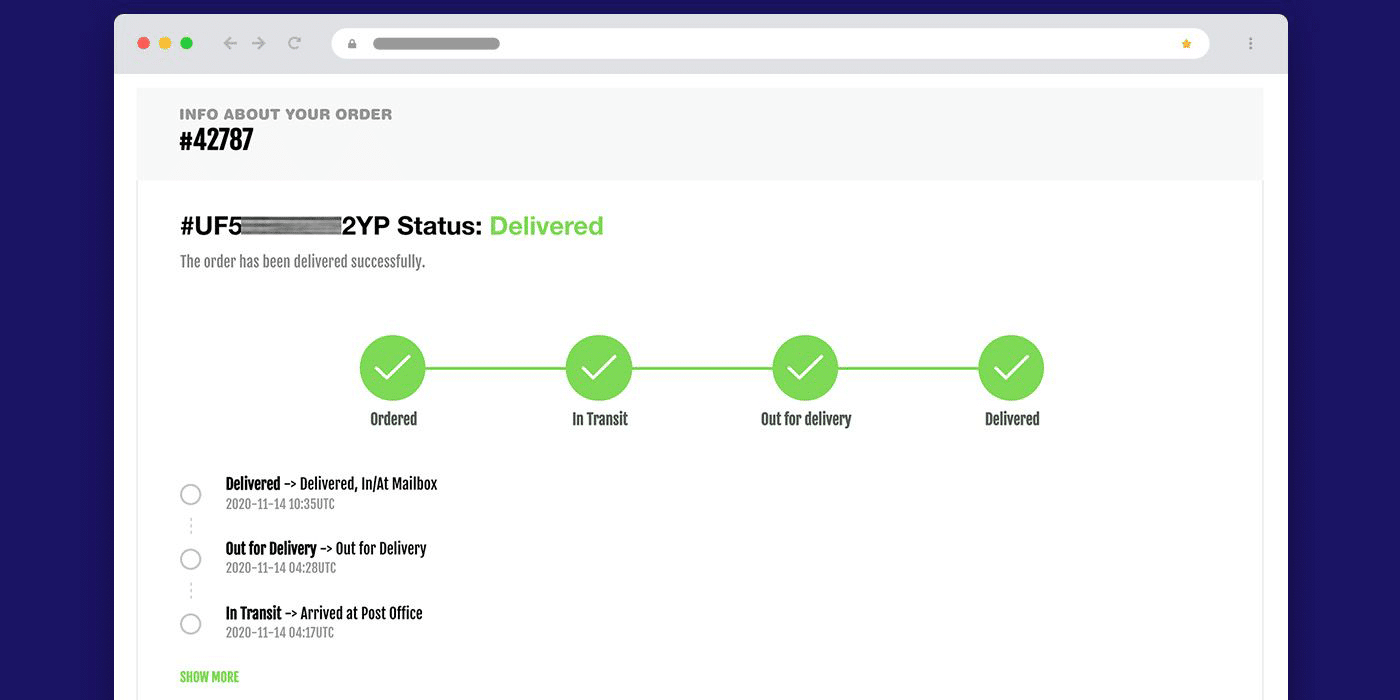
Decoding “Unfulfilled”: More Than Just a Status Label
When you look at a dashboard in an e-commerce platform or an Enterprise Resource Planning (ERP) system, “unfulfilled” is the default state for a new transaction. However, viewing this simply as a logistical “to-do” list is a mistake that can lead to significant financial oversights.
The Operational Lifecycle
From a business finance perspective, the operational lifecycle of a sale begins the moment the “Buy” button is clicked. At this stage, the order is marked as unfulfilled. This status means that while the payment may have been processed (or authorized), the physical or digital goods have not yet been dispatched to the consumer.
The duration an order remains in this state is a key performance indicator (KPI) known as “Order Processing Time.” In the world of high-frequency trading and rapid e-commerce, time is quite literally money. Every hour an order remains unfulfilled is an hour where the business carries the risk of cancellation, the overhead of inventory storage, and the potential for customer dissatisfaction which can lead to costly chargebacks.
The Accounting Perspective: Assets vs. Liabilities
One of the most nuanced aspects of the “unfulfilled” status is how it is treated on a balance sheet. According to standard accounting principles, specifically those related to revenue recognition (such as ASC 606), revenue is generally not “earned” until the performance obligation is met.
When a customer pays for an order that remains unfulfilled, the cash enters the business’s bank account, but it should technically be recorded as deferred revenue—a liability. This is because the company still owes the customer the product. If the business spends that cash on other operations before fulfilling the order, they are essentially borrowing against their future obligations. High levels of unfulfilled orders can artificially inflate a company’s cash position while masking a growing mountain of liability, a situation that can lead to a liquidity crisis if not managed with precision.
The Financial Consequences of Unfulfilled Backlogs
A backlog of unfulfilled orders can be a sign of success—indicating high demand—but it can also be a harbinger of financial distress if the infrastructure cannot keep up. The financial consequences of mismanagement in this area are multifaceted.
Working Capital and Liquidity Constraints
Working capital is the lifeblood of any business, representing the difference between current assets and current liabilities. Unfulfilled orders create a unique pressure on working capital. To fulfill these orders, the business must tap into its cash reserves to pay for shipping, packaging, and potentially the replenishment of stock.
If a business has a high volume of unfulfilled orders but low liquid cash, it may find itself in a “profitable insolvency” state. This occurs when the books show plenty of sales, but the business cannot afford the operational costs required to actually deliver the goods and realize that profit. Monitoring the ratio of unfulfilled orders to available cash is a vital practice for maintaining fiscal health.
Revenue Recognition and Financial Reporting
For investors and stakeholders, the “unfulfilled” status is a metric of operational efficiency. In quarterly financial reports, a significant discrepancy between “bookings” (orders placed) and “revenue” (orders fulfilled) can be a red flag. It suggests that the company is struggling with supply chain issues, labor shortages, or technical debt.
Furthermore, if a business is seeking a loan or an investment, a high number of aging unfulfilled orders can decrease the company’s valuation. Lenders see these as “risky” receivables. If the fulfillment process fails, the business may be forced to issue refunds, which not only erases the potential revenue but often leaves the business responsible for the transaction fees incurred during the initial purchase.

Customer Acquisition Cost (CAC) Attrition
In the world of online income and personal branding, your reputation is a financial asset. The cost to acquire a new customer (CAC) is often one of the highest expenses a digital business faces. When an order remains unfulfilled for an unreasonable amount of time, the business risks “churn.”
A customer who has a poor experience with fulfillment is unlikely to return, meaning the CAC spent to acquire them is essentially wasted. Over time, poor fulfillment rates drive up the effective CAC because the business must constantly find new customers to replace the ones it lost through inefficiency. This creates a downward financial spiral where marketing costs increase while customer lifetime value (LTV) plummets.
Managing the Risk: Tools and Strategies for Financial Efficiency
To mitigate the risks associated with unfulfilled orders, savvy business owners and financial managers must implement robust systems. The goal is to minimize the “Order-to-Cash” cycle time.
Inventory Management Systems (IMS)
The most common reason for a stuck “unfulfilled” status is stockouts—selling products that aren’t actually in the warehouse. This is a failure of inventory management. Integrating an IMS with your financial software allows for real-time tracking of asset levels.
From a financial standpoint, this prevents “dead capital”—money tied up in slow-moving inventory—and ensures that the business only accepts orders it can fulfill immediately. Advanced systems use predictive analytics to forecast demand, allowing businesses to allocate capital toward high-turnover goods, thereby increasing the velocity of money within the enterprise.
The Role of Third-Party Logistics (3PL) in Scalability
For many side-hustlers and growing brands, the transition from unfulfilled to fulfilled happens in a garage or a small office. However, manual fulfillment is rarely cost-effective as volume scales. Utilizing a Third-Party Logistics (3PL) provider can transform the financial structure of a business from fixed costs (warehousing and staff) to variable costs (fees per order).
While 3PLs charge fees that impact the gross margin, they often provide better shipping rates and faster fulfillment times than a small business could achieve on its own. Financially, this move shifts the focus from logistical management to brand growth and capital allocation. The “unfulfilled” status becomes a transient state lasting only minutes or hours, rather than days, significantly improving the cash conversion cycle.
Turning Unfulfilled Potential into Realized Profit
Ultimately, the term “unfulfilled” represents potential energy in a business. It is a sale that has been captured but not yet harvested. For those looking to maximize their online income or build a robust business finance strategy, the focus must be on streamlining the path from “Unfulfilled” to “Delivered.”
Optimizing the Cash Conversion Cycle
The Cash Conversion Cycle (CCC) measures how long it takes for a company to convert its investments in inventory and other resources into cash flows from sales. A shorter CCC is always preferable. By reducing the time an order sits in an unfulfilled state, a business increases its CCC efficiency. This allows the business to reinvest the realized profit back into growth, inventory, or marketing much faster, creating a compounding effect on wealth generation.

Scaling Side Hustles through Fulfillment Automation
For those operating in the “Side Hustle” niche, the “unfulfilled” status is often the biggest bottleneck to scaling. There are only so many hours in a day to pack boxes or send digital delivery emails. Automation is the financial bridge to a legitimate business.
Whether it is through digital product delivery platforms that move an order to “fulfilled” instantly upon payment, or dropshipping models where the fulfillment is outsourced entirely to a manufacturer, automation removes the human element from the fulfillment chain. This allows the entrepreneur to focus on high-leverage activities like market analysis, product development, and financial planning.
In conclusion, “unfulfilled” is not just a status on a shipping label; it is a vital financial metric that reflects the health, efficiency, and scalability of a modern business. By understanding the accounting implications, managing the risks of backlogs, and leveraging technology to speed up the delivery process, business owners can ensure that their unfulfilled orders are a sign of a thriving enterprise rather than a looming financial crisis. Keeping the fulfillment pipeline moving is the key to turning digital transactions into long-term financial stability.
aViewFromTheCave is a participant in the Amazon Services LLC Associates Program, an affiliate advertising program designed to provide a means for sites to earn advertising fees by advertising and linking to Amazon.com. Amazon, the Amazon logo, AmazonSupply, and the AmazonSupply logo are trademarks of Amazon.com, Inc. or its affiliates. As an Amazon Associate we earn affiliate commissions from qualifying purchases.