
In the intricate landscape of personal and business finance, the phrase “under review” is a ubiquitous and often anxiety-inducing status. It signifies a critical juncture where a decision of significant financial consequence hangs in the balance, subject to scrutiny, evaluation, and assessment by an authority or designated body. From an individual applying for a mortgage to a corporation undergoing a financial audit, understanding what this status truly entails, why it’s necessary, and how to navigate it is crucial for anyone engaging with financial institutions and processes.
This period of “under review” is far more than just a waiting game; it is a meticulous process designed to mitigate risk, ensure compliance, verify accuracy, and ultimately determine the viability and integrity of a financial application, claim, or operation. For individuals, it could mean the difference between securing a dream home or facing a rejected loan. For businesses, it might dictate access to vital funding, regulatory approval, or the success of a major acquisition. Diving deeper into its nuances across various financial contexts reveals a complex ecosystem of due diligence, structured evaluation, and strategic decision-making.
The Universal Implications of “Under Review” in Finance
The status “under review” serves as a common thread woven through nearly every fabric of the financial world. While the specifics may vary, the core purpose remains consistent: to apply a rigorous, systematic examination before a final determination is made. This process is fundamental to maintaining trust, stability, and fairness within financial systems.
Defining “Under Review” Across Financial Contexts
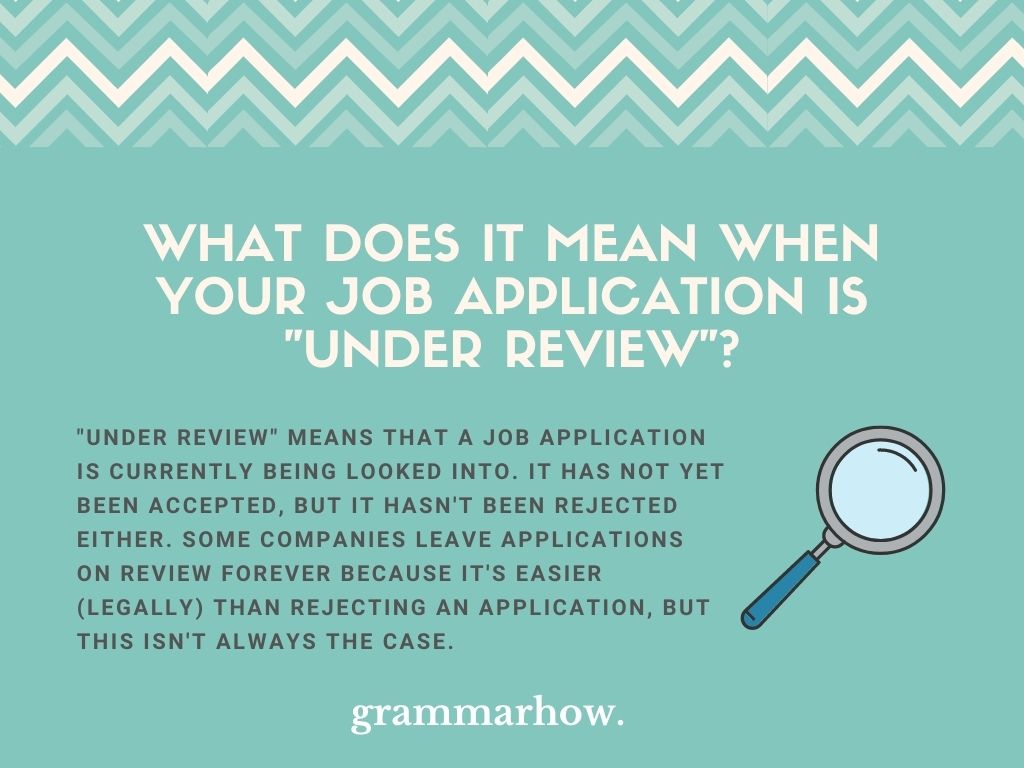
At its heart, “under review” means that an application, proposal, claim, or operational status is currently being assessed by relevant parties. This assessment typically involves:
- Verification of Information: Checking the accuracy and truthfulness of submitted data against external sources or internal records. For instance, a bank reviewing a loan application will verify income through pay stubs and tax returns.
- Risk Assessment: Evaluating potential risks associated with approving the application or maintaining a certain financial standing. This could involve credit risk for loans, underwriting risk for insurance, or operational risk for business processes.
- Compliance Check: Ensuring that all submitted materials and the underlying request adhere to relevant laws, regulations, internal policies, and industry standards. This is particularly vital in heavily regulated sectors like banking, investments, and insurance.
- Feasibility and Viability Analysis: Determining whether the proposed financial action is sound, sustainable, and likely to achieve its stated objectives. For businesses, this might involve analyzing a business plan’s financial projections.
- Stakeholder Consultation: In larger or more complex financial matters, the review might involve input from multiple departments, external experts, or legal counsel.
Why the “Under Review” Status Matters
The period of review is a non-negotiable step in responsible financial management. For the institutions conducting the review, it protects them from fraud, reduces financial exposure, and ensures they operate within legal boundaries. For the applicant or entity being reviewed, it provides a structured process for presenting their case and, once approved, instills confidence in the legitimacy of the outcome. Without this meticulous scrutiny, financial markets would be riddled with uncertainty, prone to exploitation, and ultimately unsustainable. The waiting period, while potentially stressful, is a testament to the robust safeguards designed to protect all parties involved.
Personal Finance Applications: When Your Money Matters Are Being Evaluated
For individuals, encountering “under review” is a common experience when making significant financial commitments or seeking financial assistance. This status applies to a broad spectrum of personal finance tools and services, each with its own set of evaluation criteria.
Loan and Credit Applications: Mortgages, Auto Loans, Credit Cards
When you apply for a loan—be it a multi-year mortgage for a home, a short-term auto loan, or a revolving credit card—your application immediately enters an “under review” phase. Lenders assess your creditworthiness by examining:
- Credit Score and History: A primary indicator of your past repayment behavior.
- Income and Employment Stability: To ensure you have the capacity to repay the debt.
- Debt-to-Income Ratio: A measure of how much of your gross income goes towards debt payments.
- Assets and Liabilities: A broader picture of your financial health.
The review process for these applications aims to quantify the risk of lending to you and to determine appropriate interest rates and terms.
Insurance Claims: Health, Auto, Home
Filing an insurance claim, whether for a car accident, a medical procedure, or property damage, initiates a thorough review. Insurance adjusters and medical reviewers examine:
- Policy Coverage: Confirming that the incident or service is covered under your specific policy terms.
- Damage Assessment/Medical Necessity: Verifying the extent of the damage or the medical necessity of a procedure.
- Claim Details and Documentation: Ensuring all information provided aligns with evidence (e.g., police reports, medical records, repair estimates).
- Fraud Detection: Cross-referencing information to identify potential fraudulent claims.
The “under review” period here ensures that only legitimate claims are paid out, protecting the insurer and keeping premiums stable for other policyholders.
Investment Portfolio Reviews: Performance and Rebalancing
While not an “application,” investment portfolios are regularly “under review” by financial advisors or automated platforms. This involves:
- Performance Analysis: Assessing how investments are performing against benchmarks and personal goals.
- Risk Tolerance Reassessment: Ensuring the portfolio still aligns with the investor’s current risk appetite.
- Asset Allocation Check: Verifying that the distribution across different asset classes remains optimal.
- Tax Efficiency Review: Identifying opportunities to minimize tax liabilities.
These reviews are crucial for making informed decisions about rebalancing, selling, or purchasing new assets to keep your financial goals on track.
Online Income and Side Hustle Platform Payouts
For those generating income through online platforms (e.g., freelance marketplaces, content creation sites, e-commerce platforms), payment processing often includes an “under review” stage. This happens when:
- First-time Payouts: Platforms often hold initial payments for verification purposes.
- Large or Unusual Transactions: To prevent fraud or money laundering.
- Compliance Checks: Ensuring the user has adhered to the platform’s terms of service and relevant financial regulations (e.g., tax information verification).
This review helps secure both the platform and its users against illicit activities, ensuring legitimate earnings are disbursed safely.
Business Finance and Corporate Scrutiny: Operational and Strategic Reviews
In the realm of business, “under review” takes on even greater complexity and scale, often involving substantial sums of money, regulatory compliance, and strategic implications that affect numerous stakeholders.
Financial Audits: Internal and External Scrutiny
Both internal and external financial audits are quintessential examples of a business being “under review.” Auditors examine:
- Financial Statements: Balance sheets, income statements, cash flow statements are scrutinized for accuracy and adherence to accounting standards (e.g., GAAP, IFRS).
- Internal Controls: Assessing the effectiveness of a company’s systems to prevent fraud and ensure data integrity.
- Transactions and Records: Sampling and verifying individual financial transactions against supporting documentation.
External audits are often legally mandated for public companies, providing assurance to investors and regulators, while internal audits help management identify operational inefficiencies and risks.

Investment Proposals and Due Diligence
When businesses seek funding from venture capitalists, angel investors, or traditional lenders, their investment proposals undergo rigorous “due diligence.” This extensive review includes:
- Market Analysis: Evaluating the target market, competitive landscape, and growth potential.
- Management Team Assessment: Scrutinizing the experience and capabilities of the leadership.
- Financial Projections: Deep dive into revenue forecasts, cost structures, and profitability models.
- Legal and Regulatory Review: Checking for intellectual property, contractual obligations, and compliance issues.
This comprehensive review helps investors assess the potential returns and risks before committing capital.
Grant and Funding Applications for Businesses
Businesses applying for government grants, non-profit funding, or specialized industry subsidies also enter an “under review” phase. Review committees evaluate:
- Project Alignment: How well the proposed project aligns with the grant’s objectives.
- Budget Justification: The reasonableness and necessity of requested funds.
- Organizational Capacity: The business’s ability to successfully execute the project.
- Impact Assessment: The potential economic, social, or environmental benefits of the project.
These reviews ensure public or philanthropic funds are allocated effectively to projects with the highest merit and impact.
Mergers & Acquisitions: The Diligent Examination Phase
The “under review” phase in mergers and acquisitions (M&A) is arguably the most intensive and multifaceted. Before one company acquires another, or two companies merge, an exhaustive due diligence process is undertaken, covering virtually every aspect of the target company:
- Financial Due Diligence: Detailed review of historical financials, forecasts, liabilities, and assets.
- Legal Due Diligence: Examination of contracts, litigation, intellectual property, and regulatory compliance.
- Operational Due Diligence: Assessment of manufacturing, supply chain, IT systems, and human resources.
- Commercial Due Diligence: Analysis of market position, customer base, and sales performance.
This critical review ensures the acquiring company fully understands what it’s buying, mitigating risks and validating the strategic rationale for the transaction.
Navigating the “Under Review” Period: Best Practices and Proactive Steps
Regardless of whether you are an individual or a business, effectively navigating the “under review” period can significantly impact the outcome. Proactive preparation and clear communication are key.
Ensuring Documentation is Complete and Accurate
The most fundamental step is to submit a complete and accurate application package from the outset. Missing documents or inconsistencies in information are the most common reasons for delays or rejections. Double-check all forms, attach all requested supporting materials, and ensure all data points are consistent across documents. A well-organized and error-free submission reflects professionalism and attention to detail, which can expedite the review process.
Understanding Timelines and Communication Channels
Before submitting, inquire about typical review timelines and the preferred method of communication. Some processes have fixed deadlines, while others are more fluid. Knowing whether you’ll receive updates via email, a portal, or phone calls helps manage expectations and reduces unnecessary anxiety. Understanding who to contact for status updates (and who not to bother) can streamline communication.
Follow-Up Strategies Without Being Overtaxing
While it’s important to be patient, strategic follow-ups are acceptable, especially if a stated timeline has passed. A polite email or phone call to the designated contact person, reaffirming your interest and asking for a status update, can be effective. Avoid daily calls or emails, which can be counterproductive and perceived as impatient or demanding. Usually, a follow-up every week or two, if there’s no update, is sufficient.
What to Do if Your Application is Denied or Requires Further Information
If your application or claim requires further information, respond promptly and provide exactly what is requested, ensuring accuracy. If your application is denied, it’s crucial to understand why. Request specific feedback and, if possible, clarify whether there’s an appeals process or what steps you can take to improve your chances in the future. A denial isn’t always final; it can be an opportunity to address deficiencies and reapply.
The Future of Financial Reviews: Technology and Transparency
The landscape of financial reviews is continually evolving, with technology playing an increasingly pivotal role in transforming how assessments are conducted and how individuals and businesses experience the “under review” process.
Automation and AI in Financial Review Processes
Artificial intelligence (AI) and machine learning (ML) are rapidly being integrated into financial review processes. Algorithms can process vast amounts of data more quickly and accurately than humans, automating aspects of credit scoring, fraud detection, and even initial stages of due diligence. This leads to faster decision-making, reduced human error, and more consistent application of review criteria. For example, AI can quickly analyze bank statements and tax documents to verify income for loan applications or sift through transaction data to flag suspicious activities for money laundering checks.
Enhanced Transparency and Real-time Updates
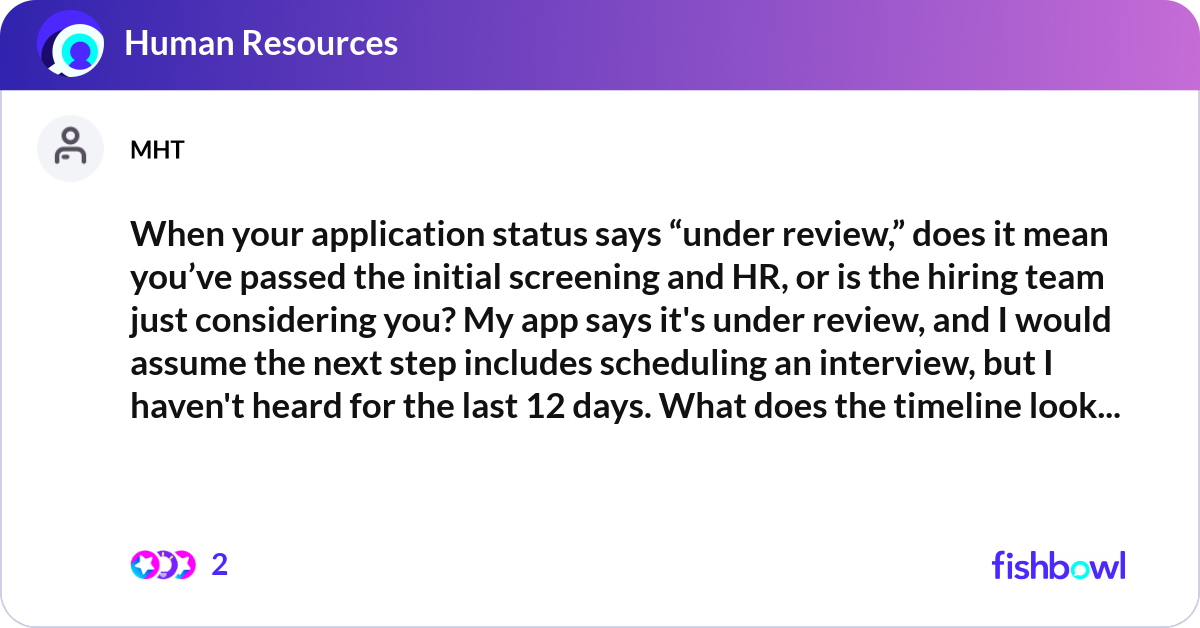
As technology advances, so too does the expectation for greater transparency. Many financial institutions are now offering online portals and mobile apps that provide applicants with real-time status updates on their applications. This move away from opaque waiting periods allows users to track progress, understand where their application stands, and anticipate next steps, thereby reducing anxiety and improving the overall customer experience. This transparency is also extending to the reasoning behind decisions, with AI-powered explanations helping applicants understand why they might have been denied and how they can improve.
The Human Element in a Tech-Driven Review Landscape
Despite the rise of automation, the human element in financial reviews remains indispensable, particularly for complex, high-stakes, or nuanced cases. AI excels at processing structured data and identifying patterns, but human experts are needed for:
- Subjective Judgement: Evaluating qualitative factors, unique circumstances, or interpreting ambiguous information.
- Complex Problem Solving: Addressing novel issues or intricate scenarios that fall outside programmed algorithms.
- Relationship Management: Building trust and communicating sensitive decisions to clients and stakeholders.
- Oversight and Ethics: Ensuring AI systems are fair, unbiased, and compliant with ethical guidelines and regulations.
The future of financial review likely involves a synergistic blend of advanced technology and experienced human oversight, combining efficiency with nuanced judgment to ensure fair, robust, and insightful financial evaluations.
The “under review” status, while often a period of uncertainty, is a vital component of the financial world. It underscores a commitment to diligence, integrity, and risk management that ultimately benefits all participants. By understanding its implications and preparing effectively, individuals and businesses can navigate this critical phase with greater confidence and increase their chances of a successful outcome.
aViewFromTheCave is a participant in the Amazon Services LLC Associates Program, an affiliate advertising program designed to provide a means for sites to earn advertising fees by advertising and linking to Amazon.com. Amazon, the Amazon logo, AmazonSupply, and the AmazonSupply logo are trademarks of Amazon.com, Inc. or its affiliates. As an Amazon Associate we earn affiliate commissions from qualifying purchases.