
The world often views Ukraine through a prism of geopolitical shift and kinetic conflict, but underneath the headlines lies a transformation that is perhaps more significant for the future of global innovation: the emergence of a “war-tested” technological powerhouse. To understand what Ukraine looks like right now is to understand a nation that has effectively moved its entire operational infrastructure into the cloud. It is a country where software engineering, artificial intelligence, and digital security are not just industries, but the very pillars of national survival.
1. The Rise of the “State in a Smartphone”: The Diia Ecosystem
At the heart of Ukraine’s current technological landscape is Diia, a mobile application and web portal that has redefined the relationship between a citizen and the state. While many developed nations struggle with legacy bureaucratic systems, Ukraine has leapfrogged into a digital-first reality.

The App-ification of Governance
Right now, Diia serves as a digital wallet, a portal for government services, and a tool for civic engagement for over 19 million Ukrainians. It hosts digital versions of passports, driver’s licenses, and tax IDs, all of which have the same legal standing as physical documents. This isn’t just a convenience; it is a critical piece of infrastructure that allows displaced citizens to verify their identity and access social services regardless of their physical location.
Digital Resilience and Software Architecture
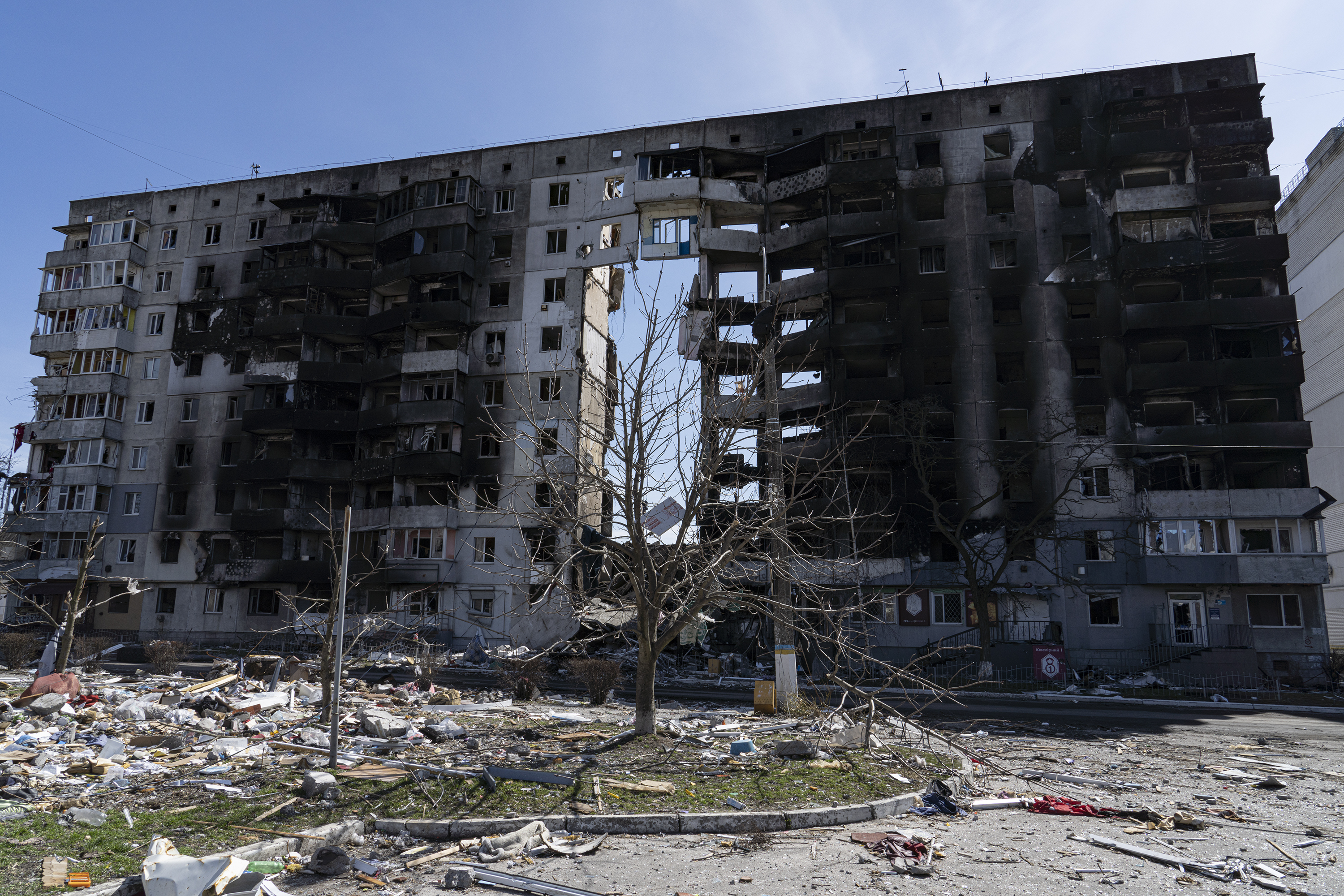
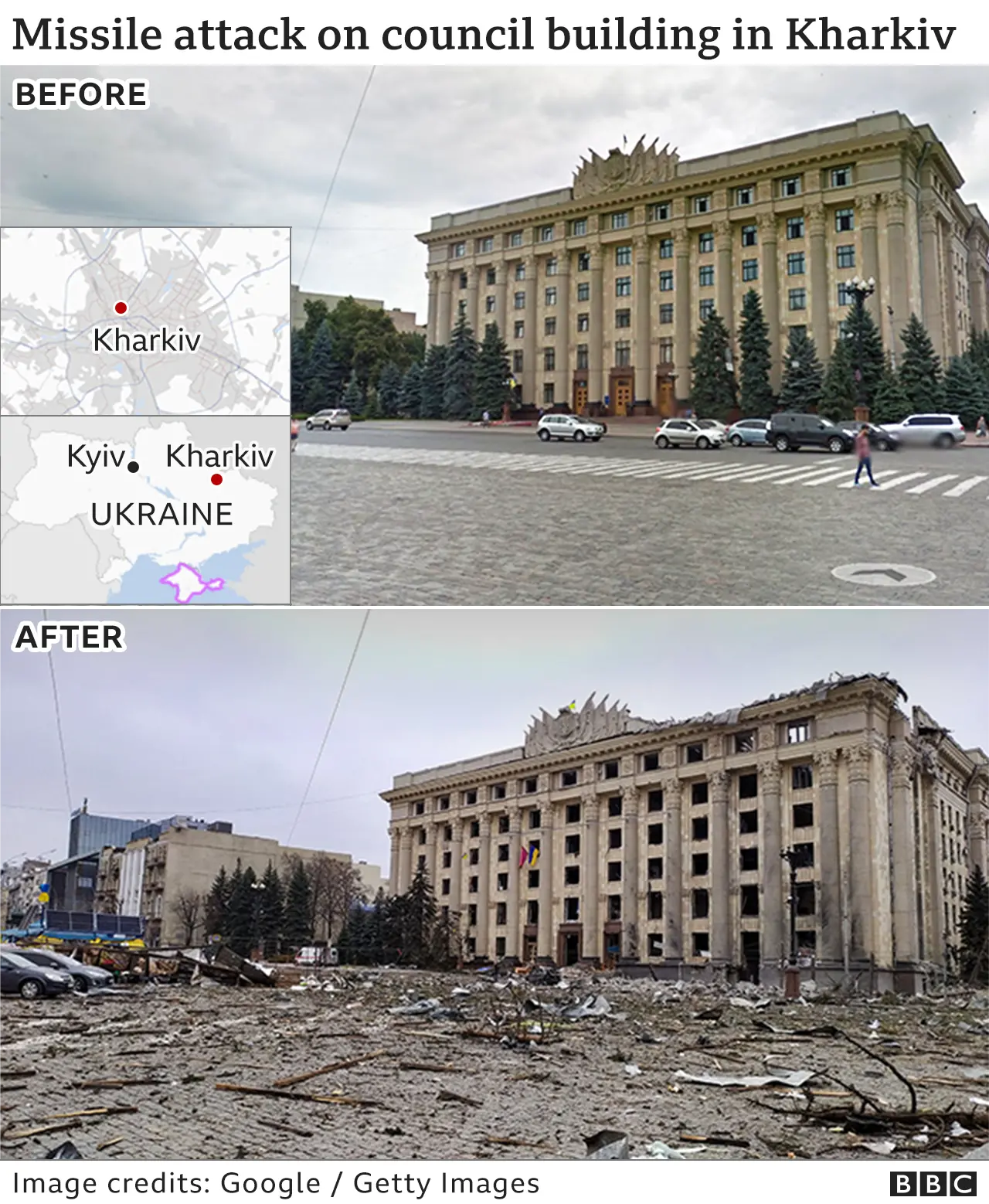
The software architecture of Diia is built on a “need-to-know” data exchange system called Trembita. Instead of a massive, vulnerable centralized database, Trembita allows different government agencies to communicate and share only the specific data points required for a transaction. This decentralized approach has proven incredibly resilient against cyberattacks, ensuring that the digital state remains functional even when physical administrative buildings are compromised.
E-Democracy and Crowdsourced Intelligence
Ukraine has integrated “e-Enemy” features into its national app, allowing citizens to report technical data or movements through a secure, authenticated platform. This integration of software into national security represents a new frontier in how apps can be used to mobilize a population in real-time, effectively turning every smartphone into a node in a massive, nationwide data network.
2. The Living Lab: AI and the Evolution of Defense Tech
Ukraine has become the world’s most significant “living lab” for cutting-edge technology, particularly in the realms of Artificial Intelligence (AI) and autonomous systems. What the tech landscape looks like right now is a rapid-fire iteration cycle where software is written in the morning and deployed in the field by the afternoon.
Autonomous Systems and Drone Software
The proliferation of Unmanned Aerial Vehicles (UAVs) in Ukraine has led to a surge in specialized AI tools. Developers are currently focusing on “computer vision” software that allows drones to identify targets and navigate without GPS, which is crucial in environments where electronic jamming is prevalent. These aren’t just gadgets; they are sophisticated edge-computing devices that process data locally to make split-second decisions.
Brave1: The Tech Accelerator
To manage this explosion of innovation, the Ukrainian government launched Brave1, a unified platform for defense tech. It functions like a Silicon Valley accelerator, providing grants, legal support, and access to testing grounds for startups. This has fostered a niche of “dual-use” technologies—innovations that have both civilian and military applications—ranging from demining robots to AI-driven thermal imaging.
AI in Information Operations
Beyond the physical battlefield, AI tools are being used to monitor and analyze massive streams of data to identify disinformation campaigns. Natural Language Processing (NLP) algorithms are deployed to scan social media and news outlets in real-time, allowing tech teams to flag bot networks and deepfakes before they gain traction. This represents a masterclass in digital security and narrative control.
3. Connectivity and Infrastructure: The Starlink and Mesh Reality
One of the most striking aspects of Ukraine’s current tech profile is its approach to connectivity. In a landscape where traditional fiber-optic cables and cell towers are frequently targeted, the country has pioneered a multi-layered communication strategy that ensures the internet never truly goes down.
Satellite Internet as a Backbone
The deployment of thousands of Starlink terminals has fundamentally altered the technological topography of the country. This satellite-based internet has provided a redundant layer of connectivity that is nearly impossible to sever entirely. Right now, small businesses, hospitals, and government offices use these gadgets to maintain operations during power outages or infrastructure damage, proving that decentralized hardware is the key to national resilience.
Energy-Tech and Power Management
Because the energy grid is a primary target, a new niche of “energy-tech” has emerged. Ukraine is currently a leader in the deployment of large-scale battery storage systems and smart-grid software that can reroute power dynamically. Startups are developing apps that help citizens track power availability in real-time and optimize their energy consumption based on grid load, turning the “Internet of Things” (IoT) into a tool for survival.
The Resilience of the IT Outsourcing Sector
Remarkably, Ukraine’s IT export sector has remained a dominant force in its economy. The tech industry “looks like” a highly mobile, distributed workforce. Software developers continue to provide high-level services to global firms in the US and EU, utilizing cloud-based collaborative tools and encrypted communication channels to maintain 95% of their pre-conflict productivity. This highlights a shift toward “cloud-based labor” where a nation’s intellectual output is decoupled from its physical geography.
4. Cybersecurity: The First Line of Digital Defense
Ukraine is currently the most targeted nation in the history of cyber warfare. Consequently, it has developed some of the most sophisticated digital security protocols on the planet.
Proactive Threat Hunting
What digital security looks like in Ukraine right now is a shift from “passive defense” to “proactive threat hunting.” Ukrainian cybersecurity teams, in collaboration with global tech giants like Microsoft and Google, are using AI-driven analytics to identify “zero-day” vulnerabilities before they can be exploited. This real-time battle for the network has turned the country into a training ground for the next generation of global cybersecurity experts.
Public-Private Partnerships
The collaboration between the Ukrainian government and the private tech sector is unprecedented. Global tech companies provide the cloud infrastructure (such as AWS and Azure) to host Ukrainian government data, while local tech firms provide the granular software solutions needed to protect that data. This hybrid model of digital security is likely to become the standard for nations looking to protect their digital sovereignty in an era of hybrid threats.
Protecting the Individual
Digital security in Ukraine also extends to the individual level. There is a massive public push for “cyber hygiene,” with apps and tutorials teaching citizens how to use encrypted messaging (like Signal), manage multi-factor authentication, and identify phishing attempts. The result is a population that is arguably more tech-literate and security-conscious than any other in the world.
5. The Future Roadmap: A Tech-Driven Reconstruction
As we look at what Ukraine looks like right now, we are seeing the blueprint for the “City of the Future.” The reconstruction of the country is being planned not just with bricks and mortar, but with sensors, data, and green technology.
Smart Cities and GovTech
The vision for post-conflict Ukraine is the world’s first “paperless” nation. Every new piece of infrastructure is being designed with “Smart City” capabilities in mind—incorporating IoT sensors for traffic management, energy efficiency, and waste disposal. The goal is to export “GovTech” solutions developed during the war to other nations, turning Ukraine’s internal survival tools into a global commercial product.
The Education Pivot
The tech sector is also reshaping the educational landscape. Right now, there is a massive push for coding and AI literacy in schools and through online platforms. Ukraine is positioning itself to have the highest density of tech-capable workers per capita, ensuring that the country’s future economy is built on high-value digital exports rather than just raw materials or agriculture.
Investment in Deep Tech
Despite the risks, venture capital is still flowing into Ukrainian “Deep Tech” startups. Investors are betting on the fact that technologies forged in the most demanding conditions are inherently more robust and scalable. What Ukraine looks like right now is a high-risk, high-reward incubator for the technologies that will define the mid-21st century.
In summary, Ukraine right now is a testament to the power of technological agility. It is a nation where the digital and physical worlds have merged to create a new form of national resilience. From the Diia app’s seamless governance to the AI-driven defenses on the frontline, Ukraine is not just surviving the present—it is coding the future. For the global tech community, the developments coming out of Ukraine are a masterclass in how software, hardware, and digital security can be leveraged to maintain the integrity of a modern state under the most extreme pressures imaginable.
aViewFromTheCave is a participant in the Amazon Services LLC Associates Program, an affiliate advertising program designed to provide a means for sites to earn advertising fees by advertising and linking to Amazon.com. Amazon, the Amazon logo, AmazonSupply, and the AmazonSupply logo are trademarks of Amazon.com, Inc. or its affiliates. As an Amazon Associate we earn affiliate commissions from qualifying purchases.