
Modern washing machines are sophisticated pieces of home technology, designed to simplify a fundamental household chore. However, like any complex gadget, they sometimes communicate issues through error codes displayed on their digital interfaces. One such common code that can puzzle users is “UE,” often prompting immediate concern. Understanding what “UE” signifies is the first step toward resolving the problem, ensuring your appliance operates efficiently and effectively. This code is a direct indication from your machine that it has detected an imbalance in the load during its spin cycle, a crucial phase for proper water extraction and drying readiness.

Deciphering the “UE” Error Code: An Overview
The “UE” error, predominantly seen on washing machines from various manufacturers, almost universally stands for “Unbalance Error” or “Uneven Load.” This intelligent diagnostic feature is programmed into your appliance to protect itself from potential damage caused by excessive vibration. When the laundry inside the drum is not evenly distributed, the machine can shake violently, leading to significant wear and tear on internal components like the suspension system, motor, and even the drum itself.
Upon detecting an imbalance, the washing machine’s control system will typically attempt to rebalance the load by stopping, agitating, and restarting the spin cycle multiple times. If these attempts are unsuccessful, and the machine cannot achieve a stable spin, it will display the “UE” error and pause the cycle, often leaving clothes soaked. This mechanism is a testament to the advanced sensor technology integrated into contemporary appliances, designed not just for user convenience but also for the longevity and safety of the device. Addressing a “UE” error promptly is not just about getting your laundry done; it’s about safeguarding your investment in a crucial home gadget.
Common Causes of an Unbalanced Load
Understanding the root causes of an unbalanced load is key to effective troubleshooting and prevention. The “UE” error isn’t usually indicative of a major mechanical failure, but rather an operational issue that can often be resolved with simple adjustments.
Overloading the Drum
One of the most frequent culprits behind an unbalance error is simply putting too many items into the washing machine. While it might seem efficient to pack the drum to its maximum capacity, an overloaded machine restricts the movement of clothes. During the wash and rinse cycles, items can clump together, and during the spin cycle, this dense mass of laundry cannot properly redistribute itself, leading to a heavy, uneven weight on one side of the drum. This creates excessive centrifugal force in one direction, triggering the “UE” code. Always check your machine’s capacity guidelines and leave enough space for items to tumble freely.
Underloading the Drum
Conversely, an underloaded drum can also lead to an imbalance. This is particularly true when washing a single, heavy item like a duvet, a large bath mat, or a pair of heavy jeans by itself. Without other items to balance its weight, a single heavy piece of laundry can stick to one side of the drum during the spin cycle, creating a significant imbalance. The machine’s sensors detect this uneven weight distribution, interpreting it as an unbalance condition and displaying “UE.”
Uneven Distribution of Items
Even with an appropriately sized load, the way items are placed or become entangled can cause problems. Large items like sheets, towels, or duvet covers have a tendency to wad up into a single, heavy ball, trapping smaller items inside. This creates a dense, uneven mass that the machine struggles to balance. Similarly, a mixture of very different fabric types or sizes can contribute to uneven distribution, with smaller, lighter items getting caught within larger, heavier ones.
Mixing Fabric Types
Washing very heavy items (e.g., denim, thick towels) with very light items (e.g., synthetic blouses, delicate lingerie) in the same load can also contribute to unbalance. The different water absorption rates and weights of these fabrics mean they behave differently during the wash and spin cycles. Heavy, water-logged items can create a significant weight differential compared to lighter items, making it difficult for the machine to achieve a smooth, balanced spin. For optimal results and to prevent “UE” errors, it’s often best to wash similar fabric types and weights together.
Improper Installation or Leveling
While less common as a direct cause of “UE,” an improperly installed or unlevel washing machine can exacerbate unbalance issues. If the machine itself is wobbly or not sitting firmly on a flat surface, even a minor load imbalance can lead to excessive vibrations that are misinterpreted by the sensors or that the machine simply cannot compensate for. Ensuring your appliance is perfectly level and stable is a foundational step for its overall performance and preventing numerous operational glitches.
Step-by-Step Troubleshooting for a UE Error
When your washing machine displays a “UE” error, don’t panic. Most of the time, it’s a fixable issue. Follow these steps to diagnose and resolve the problem.
Pause and Redistribute
This is the most common and effective immediate solution.
- Stop the Cycle: Most modern washing machines allow you to pause or cancel the cycle even after an error code appears. Locate the “Pause” or “Start/Stop” button.
- Open the Door: Once the cycle is paused and the drum has stopped, the door will usually unlock after a short delay (for safety, especially with front-loaders).
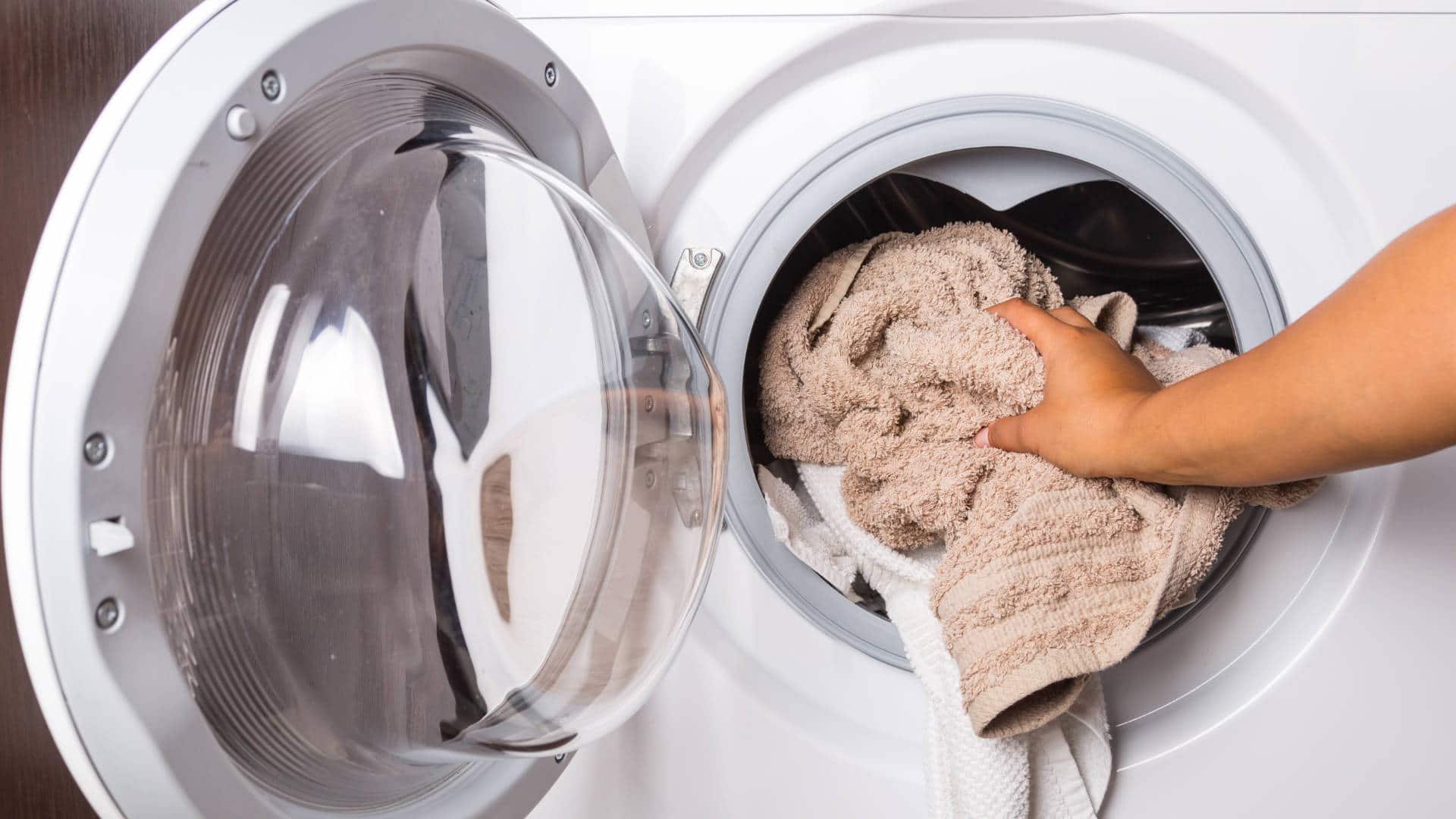
- Manually Adjust the Load: Reach into the drum and untangle any wadded-up items. Distribute the clothes evenly around the perimeter of the drum. If you have one heavy item causing the issue, try adding a few smaller towels to help balance the load, or remove the heavy item to wash separately with similar items. If the machine was overloaded, remove some items. If it was underloaded, consider adding a couple of medium-sized pieces.
- Restart the Cycle: Close the door and resume the cycle. The machine will often restart the spin cycle from scratch, attempting to balance the load again.
Check Machine Leveling
If redistributing the load doesn’t resolve the issue or if “UE” errors are frequent, check if your machine is level.
- Acquire a Spirit Level: A basic spirit level will suffice.
- Place on Top Surface: Place the level on the top surface of your washing machine, checking both front-to-back and side-to-side.
- Adjust Leveling Feet: Most washing machines have adjustable leveling feet at the bottom. Consult your user manual for specific instructions on how to adjust them. You’ll typically need to tilt the machine slightly to access and rotate the feet.
- Ensure Stability: Once adjusted, gently push on the corners of the machine. It should sit firmly on the floor without rocking or wobbling.
Inspect the Drum and Bearings
While less common for a typical “UE” error, if you experience excessive noise along with the error, a deeper inspection might be warranted.
- Visual Check: With the machine empty, spin the drum manually by hand. It should spin smoothly and relatively quietly. Look for any visible damage or foreign objects.
- Check for Play: Gently try to move the drum up, down, and side-to-side. There should be minimal play. Excessive movement could indicate worn drum bearings, a more serious mechanical issue requiring professional service.
Verify Water Drainage
Sometimes, poor drainage can indirectly contribute to an unbalance error. If water is not properly extracted, clothes remain excessively heavy.
- Check Drain Hose: Ensure the drain hose is not kinked, blocked, or installed improperly.
- Clean Pump Filter: Many front-loading machines have a coin trap/pump filter at the bottom front. Regularly cleaning this filter can prevent drainage issues. Refer to your manual for its location and cleaning procedure.
Run a Test Load
After performing any adjustments, run a test load with a known balanced mix of items to see if the error persists. This helps confirm whether your troubleshooting steps were successful.
Advanced Considerations and When to Call for Service
While most “UE” errors are resolved by simple load adjustments, persistent or recurring issues might point to underlying mechanical or sensor problems within your appliance. Understanding these advanced considerations can help you decide when it’s time to seek professional assistance.
Sensor Malfunction
Your washing machine relies on sophisticated sensors to detect an unbalanced load. These sensors communicate with the main control board to trigger the “UE” error and initiate corrective actions. If a sensor itself becomes faulty, it might incorrectly detect an unbalance even when the load is perfectly distributed. This could lead to repeated “UE” errors despite proper loading and leveling. Diagnosing a sensor malfunction typically requires specialized tools and expertise.
Motor or Suspension System Issues
The washing machine’s suspension system, comprising springs and shock absorbers, is designed to absorb vibrations and keep the drum stable during high-speed spins. Over time, these components can wear out or become damaged. Worn shock absorbers or weakened springs can lead to excessive shaking and difficulty in balancing the load, even when it’s correctly placed. Similarly, issues with the motor itself, such as a faulty motor drive or failing motor windings, could affect the drum’s ability to achieve and maintain a balanced spin. These are internal mechanical issues that are best addressed by a qualified service technician.
Control Board Failure
Though less common for a “UE” error specifically, a malfunctioning main control board can sometimes cause a variety of errors, including false “UE” readings. The control board is the “brain” of your washing machine, interpreting signals from sensors and controlling all operations. If it’s unable to correctly process information or send commands, it might incorrectly register an unbalance or fail to initiate the proper rebalancing sequence. Diagnosing and replacing a control board is a complex task that should only be performed by a professional.
When to Call for Service
If you have diligently followed all troubleshooting steps—redistributing the load, checking leveling, ensuring proper drainage—and the “UE” error persists, or if you observe other concerning symptoms like excessive noise, burning smells, or water leaks, it’s time to contact a professional appliance repair service. Attempting to repair complex internal components yourself without proper training can be dangerous and may void your warranty. Provide the technician with a detailed description of the error and any troubleshooting steps you’ve already taken.
Preventative Measures for Optimal Performance and Longevity
Proactive steps can significantly reduce the occurrence of “UE” errors and extend the life of your washing machine, ensuring your tech gadget remains a reliable workhorse in your home.
Load Smartly
The golden rule for preventing unbalance errors is to load your washing machine intelligently.
- Don’t Overload or Underload: Strive for a medium-sized load. The drum should be about three-quarters full, allowing clothes enough room to tumble and redistribute during cycles. Avoid stuffing it to the brim or washing just one or two small items.
- Mix Item Sizes for Even Distribution: Combine large and small items in each load. For example, when washing bed sheets, add a few towels to help prevent the sheets from wadding into a single ball. The smaller items act as ballast, evening out the weight.
- Wash Heavy Items Separately or with Similar-Weight Items: When washing particularly heavy items like denim jeans, blankets, or bath mats, consider running a separate load. If you must mix them, ensure you include other heavy items to create a more balanced distribution of weight.
Regular Maintenance Checks
Routine maintenance goes a long way in preventing issues and ensuring the smooth operation of your appliance.
- Clean the Dispenser and Drum: Regularly clean the detergent dispenser to prevent buildup, and occasionally run a cleaning cycle with a washing machine cleaner to keep the drum fresh and free of residue.
- Check Hoses: Periodically inspect inlet and outlet hoses for kinks, leaks, or damage. Ensure connections are secure.
- Ensure Machine is Level Periodically: Even if initially leveled, a washing machine can subtly shift over time, especially if it’s on a less rigid floor. Recheck its level every few months or if you notice increased vibration.

Understanding Your Appliance
Perhaps the most underrated preventative measure is simply reading and understanding your washing machine’s user manual. It contains specific guidelines for loading, maintenance schedules, and detailed explanations of error codes unique to your model. Familiarizing yourself with these details empowers you to use your gadget effectively, resolve minor issues independently, and ensures you get the most out of its advanced features and technological design. By taking these proactive steps, you not only minimize the frustration of a “UE” error but also contribute significantly to the long-term health and efficiency of your washing machine.
aViewFromTheCave is a participant in the Amazon Services LLC Associates Program, an affiliate advertising program designed to provide a means for sites to earn advertising fees by advertising and linking to Amazon.com. Amazon, the Amazon logo, AmazonSupply, and the AmazonSupply logo are trademarks of Amazon.com, Inc. or its affiliates. As an Amazon Associate we earn affiliate commissions from qualifying purchases.