
In the ever-evolving landscape of social media, understanding the metrics that define success is paramount, especially for brands and individuals seeking to amplify their reach and impact. Among the myriad of data points offered by platforms like Twitter (now X), “impressions” stands out as a fundamental, yet sometimes misunderstood, indicator. While seemingly straightforward, a deep dive into what tweet impressions signify reveals crucial insights into content visibility, audience engagement, and the overall effectiveness of a social media strategy. For brands, marketers, and anyone leveraging Twitter for communication, grasping the nuances of impressions is not just about vanity; it’s about informing actionable decisions that drive tangible results.
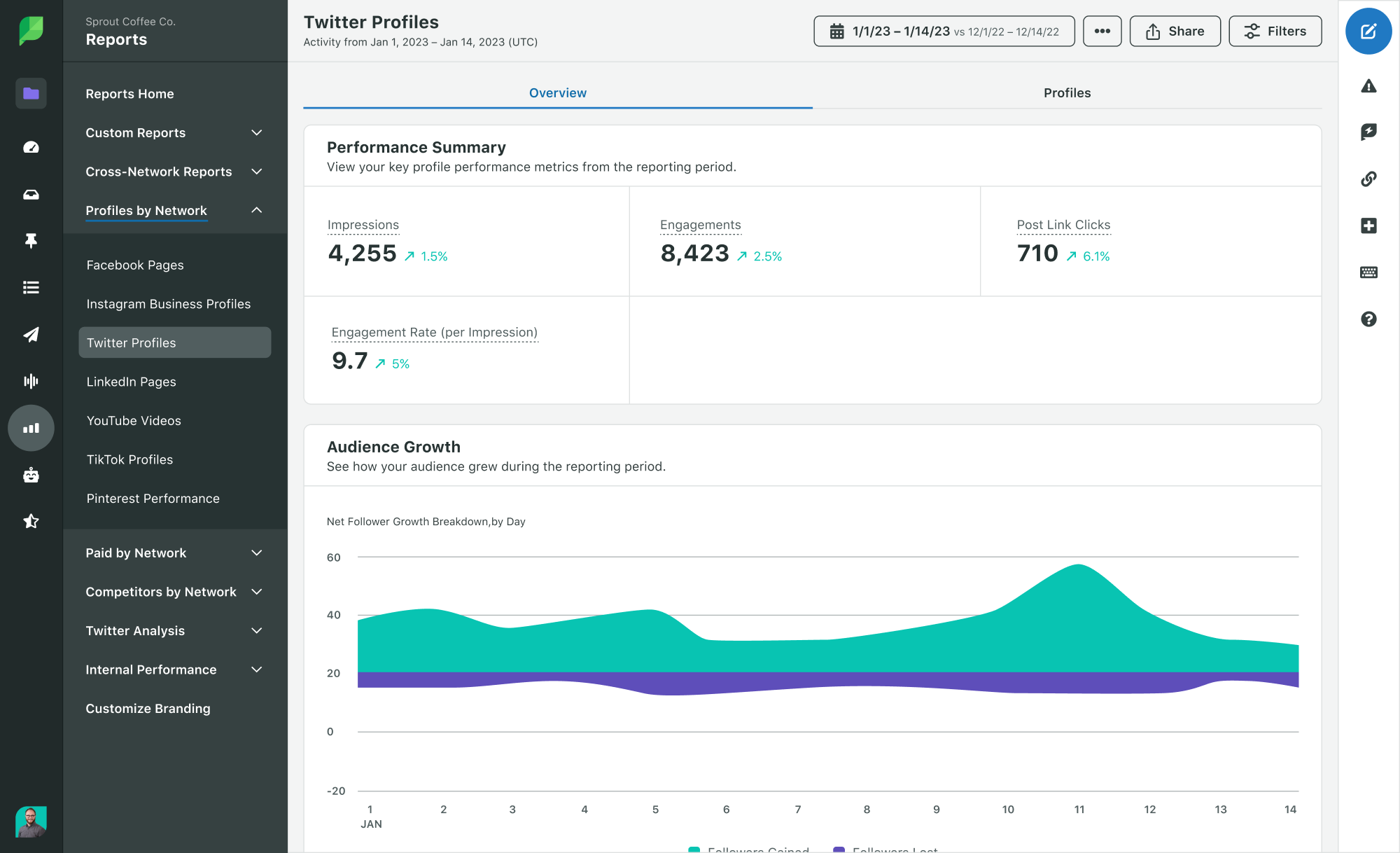
Understanding the Core Metric: Defining Tweet Impressions
At its most basic, a tweet impression represents a single instance where a tweet is displayed on a user’s screen. This seemingly simple definition belies a complex interplay of algorithms, user behavior, and platform design. It’s essential to differentiate impressions from other metrics, such as engagements, to accurately assess a tweet’s performance.
The Distinction Between Impressions and Engagements
While both impressions and engagements are vital metrics, they measure fundamentally different aspects of a tweet’s performance.
Impressions: The Potential for Visibility
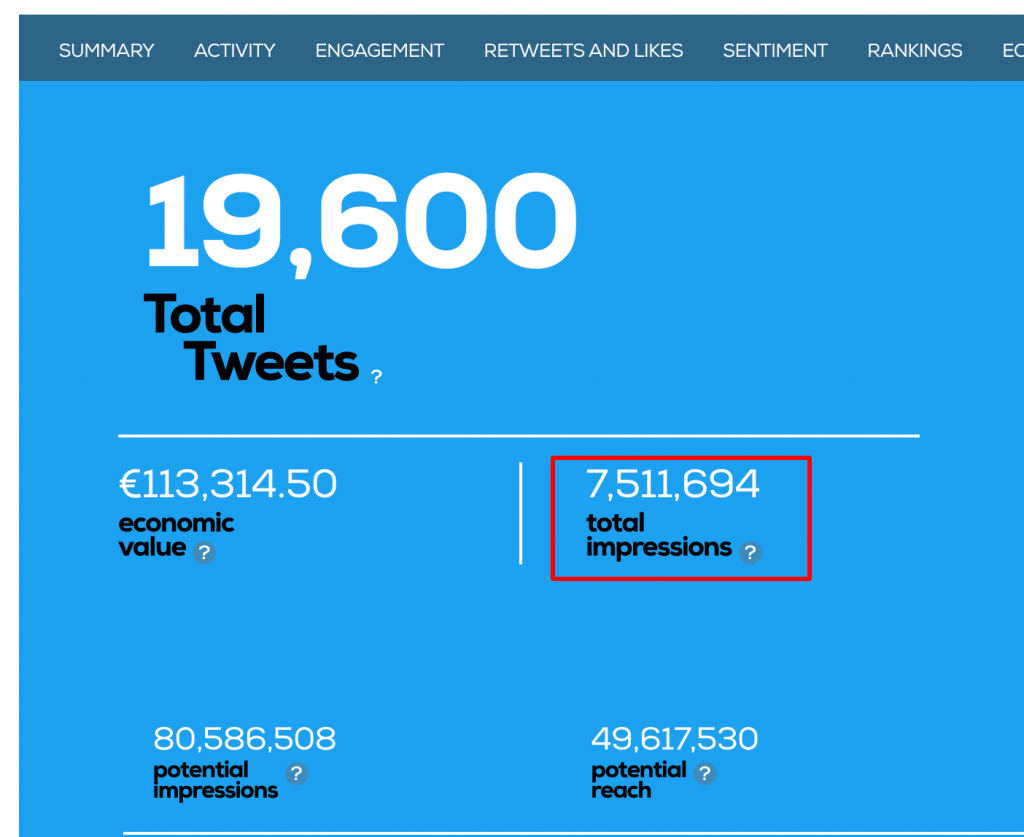
Impressions are a measure of potential exposure. They indicate how many times a tweet was seen. A tweet can achieve an impression in various ways: it might appear in a user’s timeline, be visible within a search result, or even be part of a retweeted conversation. Crucially, an impression does not necessarily mean the user interacted with the tweet in any way. They might have scrolled past it quickly, or only seen a small portion of it. The primary value of impressions lies in understanding the breadth of your content’s reach. If your goal is to ensure your message is seen by as many people as possible, impressions are your key performance indicator.
Engagements: The Action of Interaction
In contrast, engagements are about active interaction. These include a wide range of user actions, such as likes, retweets, replies, clicks on links or media within the tweet, follows, or quote tweets. Engagements signify that a user not only saw the tweet but also found it interesting enough to take a specific action. While a high number of impressions suggests your content is being displayed, a high number of engagements indicates that your content is resonating with your audience. The relationship between impressions and engagements often reveals the quality of the visibility. A tweet with many impressions but few engagements might suggest a problem with the content’s appeal, targeting, or format.
How Impressions Are Counted: The Algorithm at Play
Twitter’s (X’s) algorithms play a significant role in how impressions are generated and counted. While the exact intricacies are proprietary, general principles govern the process.
Timeline and Discovery Mechanisms
The primary driver of impressions is a user’s timeline. Tweets from accounts they follow are naturally displayed, contributing to impressions. However, impressions are not limited to direct followers. Tweets can also gain visibility through:
- Retweets and Quote Tweets: When a user retweets or quote tweets a message, it appears in the timelines of their followers, generating new impressions for the original tweet.
- Search Results: If a tweet contains relevant keywords, it can appear in search results, leading to impressions from users actively looking for specific information.
- Hashtags: Tweets using popular or relevant hashtags can be aggregated, increasing their discoverability and potential for impressions.
- “For You” or “Following” Tabs: Twitter’s algorithmic curation means tweets can be surfaced to users even if they don’t follow the account directly, based on perceived interests and engagement patterns.
- Embedded Tweets: Tweets embedded on websites or in articles also contribute to impressions, extending their reach beyond the platform itself.
The “View” Threshold
While an impression is counted each time a tweet is displayed, there isn’t a strict minimum time or interaction required for it to register as a “view.” The primary criteria is that the tweet was visible on a user’s screen. This means that even a fleeting glimpse as a user scrolls through their feed can count as an impression. This is a critical distinction for brands aiming to understand the sheer volume of potential eyeballs on their content. It emphasizes the importance of capturing attention quickly and making the initial visual impact count.
The Strategic Importance of Tweet Impressions for Brands
For brands operating on social media, tweet impressions are far more than just a number. They are a fundamental indicator of brand awareness, content distribution, and the potential for audience growth. Understanding and optimizing for impressions can be a cornerstone of a successful digital marketing strategy.
Measuring Brand Awareness and Reach
The most direct implication of tweet impressions is their role in gauging brand awareness. A consistent increase in impressions over time suggests that the brand’s presence on Twitter is expanding, reaching a wider audience than before.
Building Visibility in a Crowded Digital Space
In today’s saturated digital environment, breaking through the noise is a significant challenge. High tweet impressions indicate that a brand’s content is successfully cutting through the clutter and appearing in front of potential customers. This consistent visibility helps to keep the brand top-of-mind, increasing the likelihood of recall when a consumer is making a purchasing decision. It’s the digital equivalent of having a billboard that people regularly drive past.
The Power of Amplification through Virality
While not solely dependent on impressions, a tweet with a high potential for impressions, and subsequent engagement, can snowball into significant reach. When a tweet is interesting, shareable, or controversial, it can be retweeted by influential accounts or go viral organically. Each retweet exponentially increases the number of impressions, pushing the brand’s message to entirely new segments of the population. For brands, understanding the factors that contribute to potential virality, and thus higher impressions, is a key strategic pursuit.
Informing Content Strategy and Optimization
The data derived from tweet impressions, especially when analyzed in conjunction with other metrics, provides invaluable feedback for refining content strategy.
Identifying High-Performing Content Themes
By tracking impressions across different types of tweets, brands can identify which themes, topics, or formats are most likely to be seen. For example, if tweets featuring product announcements consistently garner higher impressions than those discussing industry news, it suggests that the audience is more receptive to direct promotional content. This insight allows for a more data-driven allocation of content creation resources.
Understanding Audience Behavior and Preferences
While impressions don’t directly reveal why a tweet was seen, they can be a leading indicator of audience interest. If a particular campaign or series of tweets consistently achieves high impressions, it suggests that the underlying message or targeting is resonating. Further analysis of engagement on these high-impression tweets can then reveal what specific elements are driving user interaction, allowing for a deeper understanding of audience preferences and a more tailored approach to future content.
The Role of Visuals and Headlines
The initial few seconds a user spends looking at their feed are critical. High impressions for tweets that utilize compelling visuals (images, videos, GIFs) or attention-grabbing headlines suggest that these elements are effective in stopping the scroll. This informs the design and copywriting aspects of content creation, emphasizing the importance of making an immediate visual and textual impact.
Analyzing Impressions in Conjunction with Other Metrics
While impressions offer a crucial perspective on reach, they are most powerful when analyzed alongside other Twitter analytics. This holistic approach provides a more complete picture of a tweet’s performance and its contribution to broader marketing objectives.
Engagement Rate: The True Measure of Resonance

The engagement rate is calculated by dividing the total number of engagements by the total number of impressions and multiplying by 100. This metric is vital for understanding how compelling your content is relative to its visibility.
High Impressions, Low Engagement Rate: A Warning Sign?
A common scenario brands might face is a high number of impressions with a low engagement rate. This situation, while indicating broad visibility, can be a red flag. It suggests that while your content is being seen, it’s not compelling enough to warrant interaction. This could be due to several factors:
- Irrelevant Content: The audience seeing the tweet may not be the target audience for the specific message.
- Uninteresting Content: The topic, tone, or format of the tweet fails to capture the audience’s attention.
- Weak Call to Action (CTA): If the goal of the tweet is to drive a specific action, a missing or unclear CTA will hinder engagement.
- Poor Timing or Placement: Even if seen, the tweet might be displayed when users are not receptive to the message.
Low Impressions, High Engagement Rate: Niche Appeal or Untapped Potential?
Conversely, a tweet with low impressions but a high engagement rate could indicate a highly engaged, albeit smaller, niche audience. This is not necessarily a negative. It could mean your content is resonating deeply with a specific segment. However, it also signals an opportunity to expand reach. If a tweet is highly engaging for a small group, there’s a strong possibility it could capture the attention of a larger audience with similar interests if its visibility is increased. This might involve strategic use of hashtags, paid promotion, or collaboration with influencers.
Click-Through Rate (CTR): Measuring Intent to Learn More
For brands utilizing Twitter to drive traffic to their website, landing pages, or product pages, the click-through rate (CTR) derived from impressions is a critical metric. CTR is the percentage of impressions that result in a click on a link within the tweet.
Beyond Visibility: Driving Action and Conversions
A tweet might achieve millions of impressions, but if those impressions don’t translate into clicks, its effectiveness in driving desired actions is limited. A high CTR indicates that the tweet’s message, the linked content, and the call to action are aligned and compelling enough to encourage users to seek more information. This metric directly correlates with potential leads, sales, or other conversion goals.
Optimizing for Clicks: The Art of Persuasion
To improve CTR, brands need to focus on several elements:
- Compelling Headlines and Copy: The text of the tweet must create curiosity and clearly communicate the value proposition of clicking the link.
- Relevant and High-Quality Landing Pages: Users who click expect a seamless experience. The linked page must deliver on the promise of the tweet.
- Clear and Concise CTAs: Explicitly telling users what you want them to do (e.g., “Learn more,” “Shop now,” “Download report”) is crucial.
- Visual Appeal: Eye-catching images or videos accompanying the tweet can draw attention and encourage clicks.
Advanced Strategies for Maximizing Tweet Impressions
Understanding what tweet impressions mean is the first step; the next is implementing strategies to leverage this understanding for maximum impact. For brands, this involves a proactive and data-driven approach to content creation, distribution, and promotion.
Leveraging Twitter’s Algorithm and Features
Brands can actively work with, rather than against, Twitter’s (X’s) algorithms to enhance impressions.
Strategic Use of Hashtags and Trends
While over-hashing can be detrimental, strategic use of relevant and trending hashtags can significantly boost visibility. Identifying popular conversations within your niche and contributing thoughtfully can expose your brand to a wider, more engaged audience. Monitoring trending topics also allows for timely content creation that capitalizes on current interest, generating a surge in impressions.
The Power of Visual Content and Video
Twitter’s algorithm often favors multimedia content. Tweets featuring high-quality images, engaging videos, and dynamic GIFs tend to capture user attention more effectively, leading to increased impressions. Video content, in particular, can significantly increase dwell time and engagement, which can indirectly boost impressions through algorithmic promotion.
Timing and Frequency: The Art of Being Seen
Posting when your target audience is most active is crucial for maximizing impressions. Analyzing your Twitter Analytics to identify peak engagement times for your followers can inform your posting schedule. However, it’s also about consistency. A regular posting cadence ensures your brand remains visible and can build anticipation for future content, leading to a cumulative increase in impressions over time.
Paid Promotion and Amplification
For brands seeking to guarantee a certain level of visibility, paid promotion on Twitter (X Ads) is an invaluable tool.
Targeted Campaigns for Guaranteed Reach
Twitter Ads allow for highly specific audience targeting based on demographics, interests, behaviors, and even follower look-alikes. This ensures that your promoted tweets are seen by the most relevant individuals, maximizing the efficiency of your advertising spend and driving significant impressions.
Objectives Focused on Impressions and Awareness
Twitter Ads offer various campaign objectives, including those specifically designed to maximize reach and impressions. By selecting “Reach” or “Brand Awareness” as your campaign goal, you are instructing the platform to prioritize showing your ads to as many unique users as possible within your target audience, directly translating into a higher volume of tweet impressions.
Cross-Platform Promotion and External Visibility
While focusing on Twitter’s native features is important, brands can also drive impressions through external channels.
Embedding Tweets on Websites and Blogs
Embedding compelling tweets on a brand’s website, blog posts, or in email newsletters can expose them to an audience that may not be active Twitter users. This acts as a secondary distribution channel, generating additional impressions from a potentially different demographic.
Collaborations and Influencer Marketing
Partnering with influencers or other brands can significantly expand your reach. When an influencer retweets or mentions your brand, it exposes your content to their established audience, leading to a substantial increase in impressions and potential for new followers. This symbiotic relationship can be a powerful way to boost brand awareness and reach.
In conclusion, tweet impressions are a foundational metric that speaks to the potential visibility and reach of a brand’s communication on Twitter (X). While not the sole arbiter of success, a strategic understanding and optimization of impressions, when paired with engagement metrics and clear campaign objectives, can be instrumental in building brand awareness, driving traffic, and ultimately achieving broader marketing goals in the dynamic world of social media.
aViewFromTheCave is a participant in the Amazon Services LLC Associates Program, an affiliate advertising program designed to provide a means for sites to earn advertising fees by advertising and linking to Amazon.com. Amazon, the Amazon logo, AmazonSupply, and the AmazonSupply logo are trademarks of Amazon.com, Inc. or its affiliates. As an Amazon Associate we earn affiliate commissions from qualifying purchases.