
Tuition remission, often referred to as tuition assistance, tuition waiver, or tuition benefit, is a valuable financial perk offered by many educational institutions and employers. At its core, tuition remission signifies a reduction or complete elimination of tuition fees for eligible individuals. This benefit can significantly alleviate the financial burden of pursuing higher education, making it a crucial factor for employees and their families when considering career moves or educational aspirations. Understanding the nuances of tuition remission is key to leveraging this powerful financial tool effectively.
Understanding the Fundamentals of Tuition Remission
Tuition remission is fundamentally a financial benefit designed to make education more accessible. It’s not a simple discount; it’s a structured program with specific eligibility criteria and operational guidelines.
What Constitutes Tuition Remission?
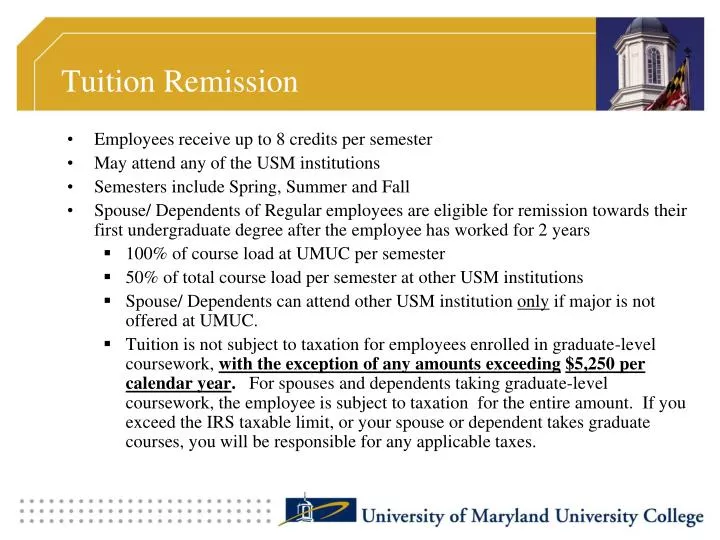
Tuition remission is an employer-provided or institution-provided benefit where a portion or all of the tuition costs for eligible individuals are covered. This can apply to the employee themselves, their spouse or domestic partner, and/or their dependent children. The “remission” aspect implies that the fees are essentially forgiven or waived, rather than being a loan that needs to be repaid (though some programs may have clawback provisions under certain circumstances).
The scope of what is covered can vary widely. Most commonly, it includes tuition fees for credit-bearing courses leading to degrees or certificates. However, some programs may extend to:
- Mandatory Fees: These are fees required of all students, such as student activity fees, technology fees, or facility fees.
- Course-Specific Fees: Some programs might cover fees tied to specific courses, like lab fees or material fees.
- Books and Supplies: While less common, certain generous programs may offer a stipend or direct coverage for textbooks and essential learning materials.
- Continuing Education: Tuition remission can also apply to non-degree programs, professional development courses, or workshops designed for skill enhancement.
Who is Typically Eligible?
Eligibility for tuition remission is a critical component and is usually determined by a combination of factors.
- Employment Status: For employees, full-time status is often a prerequisite. Part-time employees might have a pro-rata benefit or be ineligible altogether.
- Length of Service: Many organizations require a minimum period of employment before an employee becomes eligible for tuition remission. This can range from a few months to a year or more.
- Academic Standing: For dependents or spouses, maintaining a certain GPA or academic performance level is often a condition for continued eligibility.
- Relationship to Employee: The definition of eligible dependents and spouses is crucial. This typically includes legally married spouses and biological or legally adopted children. Some programs may extend to domestic partners.
- Program of Study: In some cases, the field of study might need to align with the employer’s business interests or strategic goals for the remission to be granted. For instance, a tech company might offer tuition remission for computer science or engineering degrees.
- Institution of Study: Tuition remission benefits can often be restricted to specific institutions. This might be the employer’s own educational institution (common in universities offering benefits to their staff) or a pre-approved list of partner institutions.
The Financial Implications and Advantages of Tuition Remission
Tuition remission represents a substantial financial advantage, directly impacting personal finances and the overall cost of education. Its value can be measured in both immediate savings and long-term financial planning.
Direct Cost Savings and Return on Investment
The most obvious benefit of tuition remission is the direct reduction in the cost of education. For individuals pursuing degrees, this can translate into thousands, or even tens of thousands, of dollars saved over the course of their studies.
- Reduced Out-of-Pocket Expenses: By covering a significant portion of tuition, remission frees up personal funds that can be allocated to other financial priorities, such as living expenses, investments, or debt repayment.
- Minimizing Student Loan Debt: This is perhaps one of the most impactful advantages. With tuition remission, the need to take out substantial student loans is reduced or eliminated. This leads to less debt accumulation upon graduation, improving post-graduation financial flexibility and reducing the long-term burden of interest payments.
- Increased Affordability of Higher Education: For many, the rising cost of tuition makes higher education seem out of reach. Tuition remission can bridge this gap, making a degree or advanced certification a more attainable goal.
- Evaluating the Return on Investment (ROI): When considering the time and financial investment in education, tuition remission significantly boosts the ROI. The reduced expenditure, coupled with the potential for increased earning capacity after education, makes the overall financial proposition far more favorable.
Tax Implications and Considerations
Understanding the tax treatment of tuition remission is vital for beneficiaries. The IRS has specific rules regarding employer-provided educational assistance.
- Tax-Exempt Educational Assistance: Under Section 127 of the Internal Revenue Code, employers can provide up to $5,250 per year in tax-free educational assistance to employees. This means that up to this amount of tuition remission received by an employee is not considered taxable income.
- Graduate-Level Courses: Importantly, this $5,250 limit for tax-free benefits also applies to courses taken for graduate-level degrees, provided the courses are part of a formal education program. This was a significant change made by the Tax Cuts and Jobs Act of 2017.
- Amounts Exceeding the Limit: If the tuition remission benefit exceeds $5,250 annually, the excess amount may be considered taxable income to the employee. The employer will typically report this on the employee’s W-2 form.
- Spouses and Dependents: The tax-free status under Section 127 generally applies only to the employee. Tuition remission provided to spouses or dependents is often considered taxable income to the employee. However, employers may offer these benefits in different ways that could affect taxability.
- Employer Reporting: Employers are responsible for accurately reporting tuition remission benefits to the IRS. Employees should review their W-2 forms carefully to ensure correct reporting of any taxable portions of their tuition benefits.
Navigating Tuition Remission Programs Effectively
Successfully utilizing tuition remission requires a proactive approach, thorough understanding of the program’s details, and strategic planning.
Understanding Program Policies and Procedures
Each tuition remission program has its own unique set of rules and guidelines that must be adhered to.
- Reviewing the Employee Handbook/Policy Documents: The first step for any employee is to thoroughly review the official policy documents detailing the tuition remission program. This includes understanding eligibility, application processes, reimbursement procedures, and any service agreements or repayment clauses.
- Application and Approval Process: Most programs require a formal application process, often involving the submission of course registration details, proof of enrollment, and academic transcripts. Understanding deadlines and required documentation is crucial for a smooth approval.
- Service Agreements and Repayment Clauses: Some tuition remission programs, especially those offering significant benefits or covering extensive programs, may come with a service agreement. This agreement typically stipulates that the employee must remain with the company for a certain period after the completion of their studies. Failure to do so may require repayment of some or all of the tuition costs. It’s essential to understand these terms clearly before accepting the benefit.
- Communication with HR/Benefits Department: Don’t hesitate to reach out to the Human Resources or Benefits department with any questions or for clarification on program details. They are the primary resource for understanding the intricacies of the benefit.
Strategic Planning for Educational and Career Goals
Tuition remission is more than just a financial handout; it’s an opportunity that can be strategically integrated into long-term career and personal development plans.
- Aligning Education with Career Advancement: Consider how the educational program aligns with your current role and future career aspirations within the organization. Pursuing a degree or certification that enhances your skills and knowledge relevant to your employer’s needs can make your pursuit of the benefit more justifiable and beneficial in the long run.
- Choosing the Right Program and Institution: Carefully select educational programs and institutions that meet both your learning objectives and the program’s eligibility requirements. If your employer has a list of preferred institutions, explore options within that list first.
- Balancing Work, Study, and Life: Pursuing higher education while working can be demanding. Develop a realistic schedule and ensure you have the necessary support systems in place to balance work responsibilities, academic workload, and personal life.
- Maximizing the Benefit: If the program allows for a certain number of credits or a specific dollar amount per year, plan your course selection to maximize the benefit within the given parameters. This might involve taking a certain number of credits per semester or year to take full advantage of the remission.
- Long-Term Financial Planning: Even with tuition remission, consider the overall financial picture. If there are any taxable portions or fees not covered, factor these into your budget. Think about how the educational investment will impact your future earning potential and overall financial well-being.
In conclusion, tuition remission is a powerful financial benefit that democratizes access to higher education. By understanding its mechanics, eligibility, financial implications, and strategic utilization, individuals can transform this benefit into a significant catalyst for personal and professional growth, paving the way for a more secure and prosperous future.
aViewFromTheCave is a participant in the Amazon Services LLC Associates Program, an affiliate advertising program designed to provide a means for sites to earn advertising fees by advertising and linking to Amazon.com. Amazon, the Amazon logo, AmazonSupply, and the AmazonSupply logo are trademarks of Amazon.com, Inc. or its affiliates. As an Amazon Associate we earn affiliate commissions from qualifying purchases.