
The increasing prevalence of prescription drug use, both for legitimate medical purposes and for non-prescribed recreational use, has led to a significant rise in the demand for accurate and reliable drug testing methods. Employers, legal systems, and healthcare providers often rely on drug tests to ensure workplace safety, monitor treatment adherence, and detect potential substance abuse. Among the many prescription medications that can be screened for, Tramadol, a widely prescribed opioid pain reliever, is a common subject of concern. Understanding how Tramadol is detected on drug tests is crucial for individuals undergoing such screenings, as well as for those involved in interpreting the results.

This article delves into the intricacies of Tramadol detection in drug tests, focusing solely on the technological and scientific aspects of its identification. We will explore the various types of drug tests available, the specific methodologies employed, and the factors that influence the detection of Tramadol and its metabolites. Our focus will be on the science behind the detection, the technology utilized in these tests, and the digital security implications surrounding accurate drug testing.
Understanding Drug Testing Methodologies and Technology
The detection of any substance in biological samples relies on sophisticated analytical techniques. Drug tests for Tramadol, like those for other pharmaceuticals, employ a range of technologies to identify the presence of the drug or its breakdown products (metabolites) within the body. These technologies have evolved significantly over the years, offering greater accuracy, sensitivity, and speed.
Immunoassay Screening: The Initial Step
The most common initial step in drug testing is a qualitative immunoassay screen. This method utilizes the principle of antigen-antibody reactions. In simple terms, the test is designed with specific antibodies that are engineered to bind to Tramadol or its primary metabolites.
How Immunoassays Work
When a biological sample, typically urine, is introduced to the immunoassay test, it comes into contact with these antibodies. If Tramadol or its metabolites are present above a certain cutoff level, they will bind to the corresponding antibodies. This binding triggers a detectable signal, which can be visual (like a color change) or measured electronically.
- Advantages of Immunoassays: Immunoassays are generally rapid, cost-effective, and can screen for a broad range of drugs simultaneously using multi-panel test kits. They are excellent for initial screening due to their high throughput capabilities.
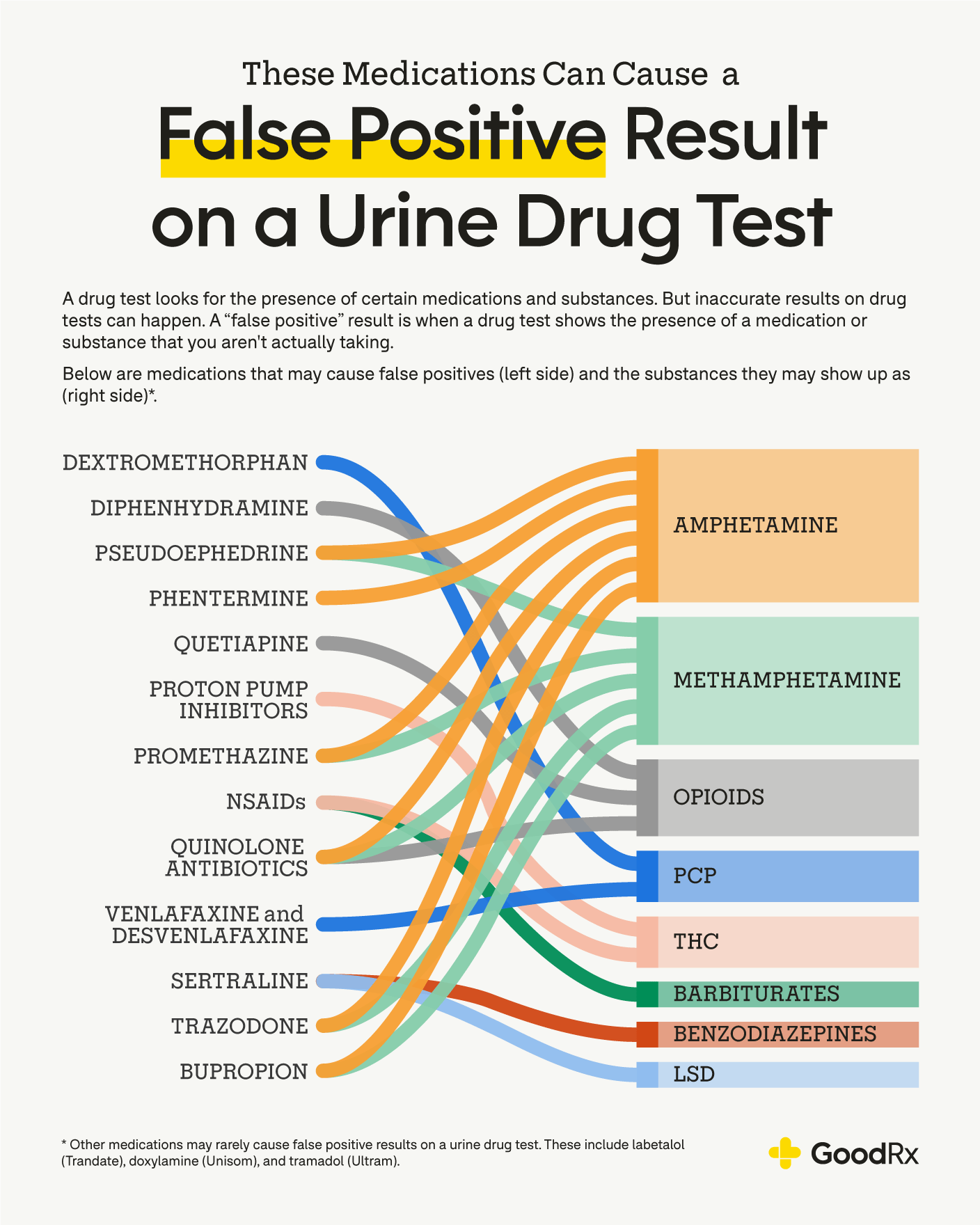
- Limitations of Immunoassays: While effective for initial screening, immunoassays are not always definitive. They can sometimes produce false positives due to cross-reactivity with structurally similar compounds. This means that other substances in the body might trigger a positive result even if Tramadol is not present. Conversely, false negatives can occur if the concentration of Tramadol or its metabolites is below the cutoff level or if the sample has been tampered with.
Gas Chromatography-Mass Spectrometry (GC-MS): The Confirmatory Gold Standard
Due to the potential for false positives with immunoassay screening, any presumptive positive result for Tramadol typically undergoes confirmation using a more sophisticated and highly specific analytical technique: Gas Chromatography-Mass Spectrometry (GC-MS). This technology is considered the gold standard in forensic toxicology for drug identification.
The Science Behind GC-MS
GC-MS involves two primary stages:
-
Gas Chromatography (GC): The sample is injected into a GC instrument, where it is vaporized and passed through a long, thin column. Different chemical compounds within the sample travel through the column at different speeds based on their physical and chemical properties (such as boiling point and polarity). This separation process isolates individual compounds, including Tramadol and its metabolites.
-
Mass Spectrometry (MS): As each separated compound exits the GC column, it enters the MS detector. Here, the molecules are bombarded with electrons, causing them to fragment into smaller ions. The MS then measures the mass-to-charge ratio of these fragments. Each unique compound produces a characteristic fragmentation pattern, much like a chemical fingerprint.
- Specificity and Accuracy of GC-MS: The highly specific fragmentation patterns generated by MS allow for unequivocal identification of Tramadol and its metabolites. This technique is not susceptible to the cross-reactivity issues that can plague immunoassays, making it extremely accurate.
- Quantitative Analysis: Beyond identification, GC-MS can also provide quantitative analysis, determining the exact concentration of Tramadol or its metabolites in the sample. This is crucial for differentiating between therapeutic use, overdose, and potential misuse.
Liquid Chromatography-Mass Spectrometry (LC-MS/MS): An Alternative Advanced Technique
Similar to GC-MS, Liquid Chromatography-Mass Spectrometry (LC-MS/MS), also known as tandem mass spectrometry, is another highly sensitive and specific method used for drug confirmation. It is particularly useful for analyzing less volatile or thermally unstable compounds, and is increasingly employed in modern drug testing laboratories.
How LC-MS/MS Enhances Detection
-
Liquid Chromatography (LC): Instead of gas, LC uses a liquid mobile phase to separate compounds in the sample based on their interactions with a stationary phase within a column.
-
Tandem Mass Spectrometry (MS/MS): After separation by LC, the compounds enter the MS/MS system. This technology involves multiple stages of mass analysis, allowing for even greater selectivity and sensitivity. It can specifically target and detect known parent compounds and their metabolites by filtering out interfering substances.
-
Benefits of LC-MS/MS: LC-MS/MS offers exceptional sensitivity, allowing for the detection of very low concentrations of drugs. Its ability to specifically identify and quantify multiple metabolites simultaneously makes it a powerful tool for comprehensive drug analysis. It also boasts high throughput, making it suitable for busy laboratories.
Factors Influencing Tramadol Detection
The detectability of Tramadol on a drug test is not a simple yes or no proposition. Several biological and technical factors can influence whether Tramadol or its metabolites will be identified in a sample. Understanding these factors is essential for interpreting drug test results accurately and for comprehending the limitations of the testing technology itself.
Metabolites and Detection Windows
Tramadol is not excreted from the body in its original form. Instead, it is metabolized by the liver into various compounds, some of which are pharmacologically active and detectable. The most significant metabolite for drug testing purposes is O-desmethyltramadol (ODT), also known as desmetramadol. ODT is more potent than Tramadol itself and contributes significantly to its analgesic effects.
The Role of O-desmethyltramadol (ODT)
- Pharmacological Significance: ODT is formed through the CYP2D6 enzyme pathway. Its presence in the body is a strong indicator of Tramadol use.
- Detection in Tests: Many drug tests are designed to detect both Tramadol and its key metabolites, including ODT. The sensitivity of the immunoassay or the specificity of the confirmatory test will determine the cutoff levels for both the parent drug and its metabolites.
- Variations in Metabolism: Individuals metabolize drugs at different rates due to genetic variations in enzyme activity (like CYP2D6). Some individuals are “poor metabolizers,” meaning they break down Tramadol more slowly, potentially leading to longer detection windows. Conversely, “ultra-rapid metabolizers” may clear the drug and its metabolites faster.
Dosage, Frequency, and Time Since Last Use
The amount of Tramadol taken, how often it is used, and how long ago the last dose was administered are primary determinants of its detectability. These factors directly influence the concentration of Tramadol and its metabolites present in the biological sample at the time of testing.
Dosage and Frequency
- Higher Doses, Longer Detection: Higher doses of Tramadol will naturally lead to higher concentrations of the drug and its metabolites in the body, increasing the likelihood of detection and potentially extending the detection window.
- Chronic vs. Occasional Use: Chronic or frequent use leads to a buildup of the drug and its metabolites in the system, making it easier to detect even after a longer period than a single occasional dose.
Time Since Last Use
- Elimination Half-Life: Like all drugs, Tramadol has an elimination half-life, which is the time it takes for the concentration of the drug in the body to reduce by half. The half-life of Tramadol is approximately 6-8 hours for immediate-release formulations and can be longer for extended-release versions. However, the half-life of its active metabolite, ODT, can be longer.
- Detection Windows:
- Urine Tests: In urine, Tramadol and its metabolites can typically be detected for 2-4 days after the last use. However, this can extend to up to 7 days for heavy or chronic users.
- Blood Tests: Tramadol is usually detectable in blood for a shorter period, typically 12-24 hours.
- Saliva Tests: Saliva tests can detect Tramadol for a shorter window as well, usually 24-48 hours.
- Hair Follicle Tests: Hair follicle tests can detect drug use for a much longer period, potentially up to 90 days, as the drug becomes incorporated into the hair shaft.
Sample Integrity and Adulteration
The integrity of the biological sample is paramount for accurate drug testing. In an attempt to circumvent drug tests, individuals may attempt to adulterate or tamper with their samples. Sophisticated drug testing laboratories employ methods to detect such tampering.
Common Adulteration Techniques
- Dilution: Consuming large amounts of water before a urine test to dilute the concentration of drugs. However, highly concentrated urine can be an indicator of dilution.
- Substitution: Replacing the original urine sample with a synthetic or someone else’s urine.
- Chemical Adulterants: Adding substances like bleach, salt, or specialized commercial adulterants to the urine sample to interfere with the drug test reagents.
Detection of Adulteration
- pH and Specific Gravity: Tests can check the pH and specific gravity of urine samples. Deviations from normal ranges can indicate dilution or adulteration.
- Creatinine Levels: Low creatinine levels in a urine sample can suggest dilution.
- Inclusion of Adulterant Testing: Many drug testing panels now include checks for common adulterants to ensure the validity of the sample.
Digital Security and the Future of Drug Testing Technology
The field of drug testing is increasingly intertwined with digital technologies, from the management of test results to the development of advanced analytical equipment. Ensuring the digital security of these systems is critical for maintaining the integrity and reliability of drug testing outcomes.
Data Management and Chain of Custody
In modern drug testing, the entire process, from sample collection to result reporting, generates a significant amount of digital data. Maintaining a secure and unbroken chain of custody for this data is paramount.
Ensuring Data Integrity
- Secure LIMS (Laboratory Information Management Systems): Laboratories utilize specialized LIMS software to track samples, manage test results, and store data securely. These systems employ robust access controls, audit trails, and encryption to prevent unauthorized access or modification of data.
- Digital Chain of Custody: The chain of custody is now often digitized, with electronic signatures and timestamps tracking every transfer and handling of a sample. This digital record minimizes the risk of human error and tampering.
- Compliance with Regulations: Laboratories must comply with stringent regulatory requirements (e.g., CLIA in the US, ISO standards) that dictate data handling, security protocols, and record-keeping.
Advancements in Analytical Instrumentation and AI
The technological evolution in drug testing is ongoing, with new instruments and analytical approaches constantly being developed. Artificial intelligence (AI) is also beginning to play a role in enhancing the capabilities of drug testing.
Next-Generation Technologies
- Point-of-Care Testing (POCT): While not as definitive as laboratory-based tests, advancements in POCT devices are leading to more accurate and rapid screening options that can be used outside of a traditional laboratory setting. These devices often rely on integrated microfluidics and biosensor technologies.
- AI for Data Analysis: AI algorithms can be trained to analyze complex chromatographic and mass spectrometry data, potentially identifying patterns or anomalies that might be missed by human analysts. AI can also assist in predicting the likelihood of drug use based on various factors.
- Machine Learning in Immunoassays: Machine learning techniques are being explored to improve the accuracy of immunoassay interpretation and to develop more sophisticated algorithms that can better differentiate between positive and negative results, potentially reducing the need for confirmatory testing in some scenarios.
Cybersecurity in Drug Testing Laboratories
As drug testing becomes more digitized, laboratories are increasingly vulnerable to cybersecurity threats. Protecting sensitive patient data and the integrity of test results is a critical aspect of digital security.

Protecting Against Threats
- Network Security: Implementing firewalls, intrusion detection systems, and regular security audits to protect laboratory networks from external attacks.
- Data Encryption: Encrypting all sensitive data, both in transit and at rest, to prevent unauthorized access.
- Employee Training: Educating laboratory staff on cybersecurity best practices, including phishing awareness and secure password management, is a crucial layer of defense.
- Regular Software Updates and Patching: Keeping all software and operating systems up-to-date with the latest security patches to address known vulnerabilities.
In conclusion, understanding how Tramadol shows up on a drug test involves appreciating the sophisticated technologies employed in its detection, the biological factors that influence its presence, and the digital security measures that safeguard the integrity of the entire process. From immunoassay screens to the definitive confirmation by GC-MS or LC-MS/MS, each step relies on precise scientific principles and advanced instrumentation. As technology continues to advance, so too will the methods for detecting prescription medications like Tramadol, underscoring the critical importance of both analytical accuracy and robust digital security in the realm of drug testing.
aViewFromTheCave is a participant in the Amazon Services LLC Associates Program, an affiliate advertising program designed to provide a means for sites to earn advertising fees by advertising and linking to Amazon.com. Amazon, the Amazon logo, AmazonSupply, and the AmazonSupply logo are trademarks of Amazon.com, Inc. or its affiliates. As an Amazon Associate we earn affiliate commissions from qualifying purchases.