
When shopping for a new sleep system, the terminology can quickly become overwhelming. Among the various constructions, the “tight top” mattress often appears as a standard yet misunderstood option. In the context of brand strategy and consumer product positioning, understanding the specific value proposition of a tight top mattress is essential for both manufacturers aiming to differentiate their product lines and consumers looking to align their purchase with their personal needs.
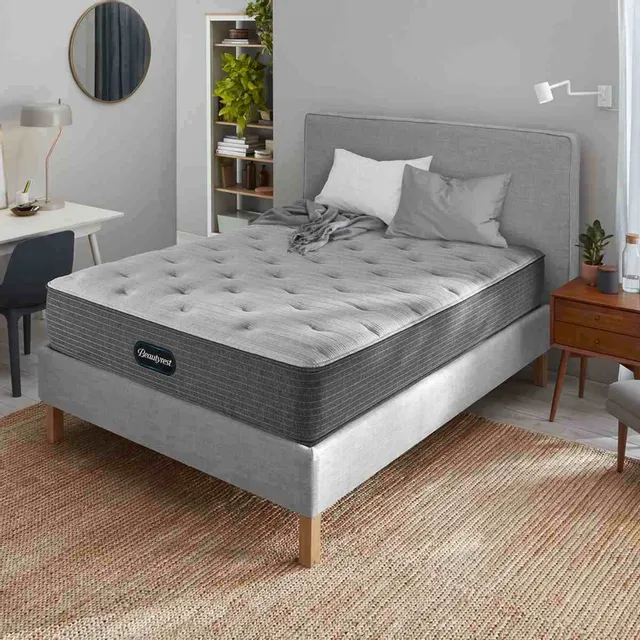
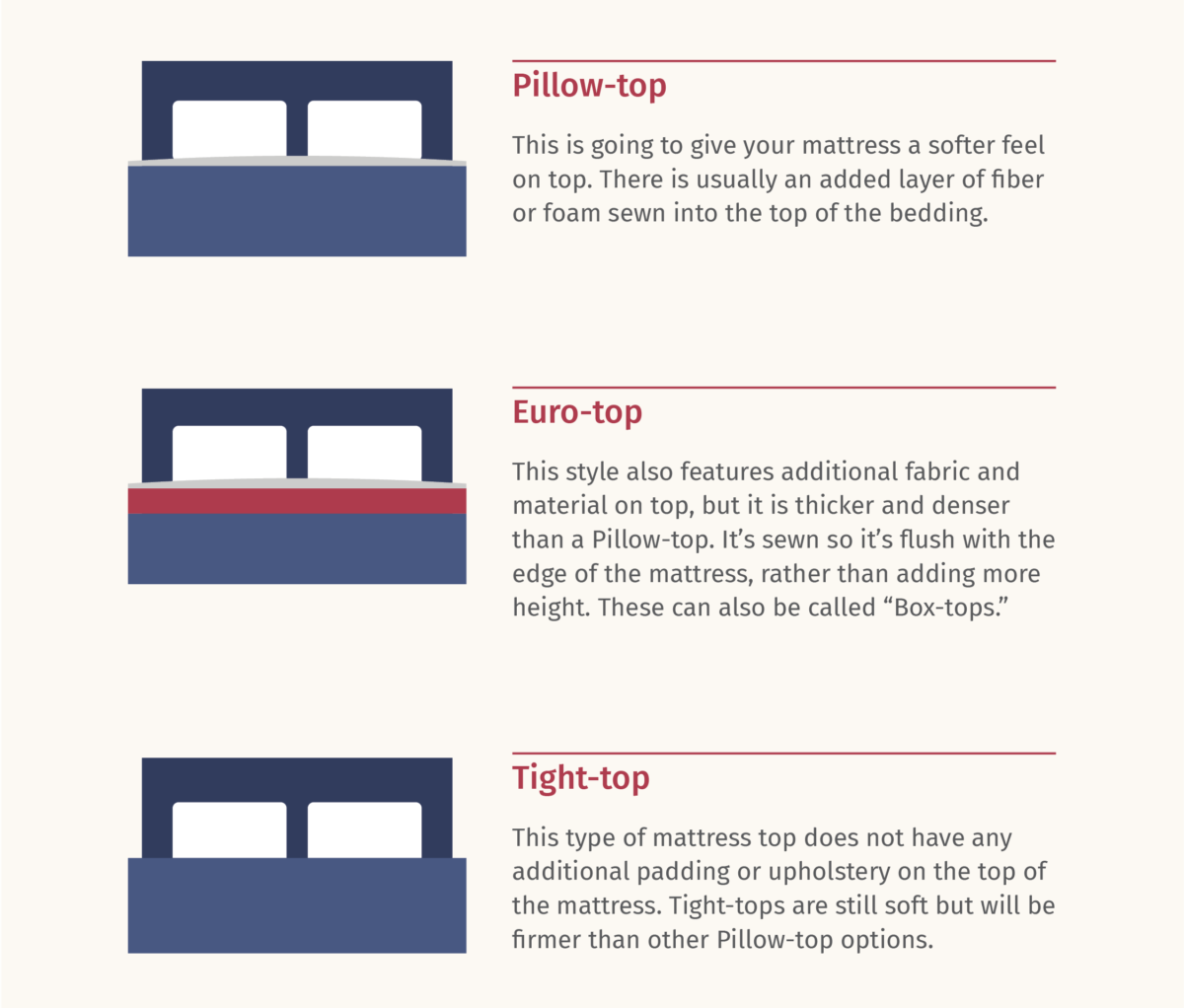
A tight top mattress, sometimes referred to as a “non-pillow top” or a “flat top” mattress, is a construction where the upholstery layers are tightly upholstered directly to the support core of the mattress. Unlike pillow-top models, which feature an additional, plush layer of padding sewn onto the surface, a tight top offers a sleek, streamlined appearance and a specific tactile experience. From a branding perspective, this design represents a return to traditional mattress engineering, emphasizing structural integrity, edge support, and a firm, responsive surface.
The Engineering Behind the Tight Top Design
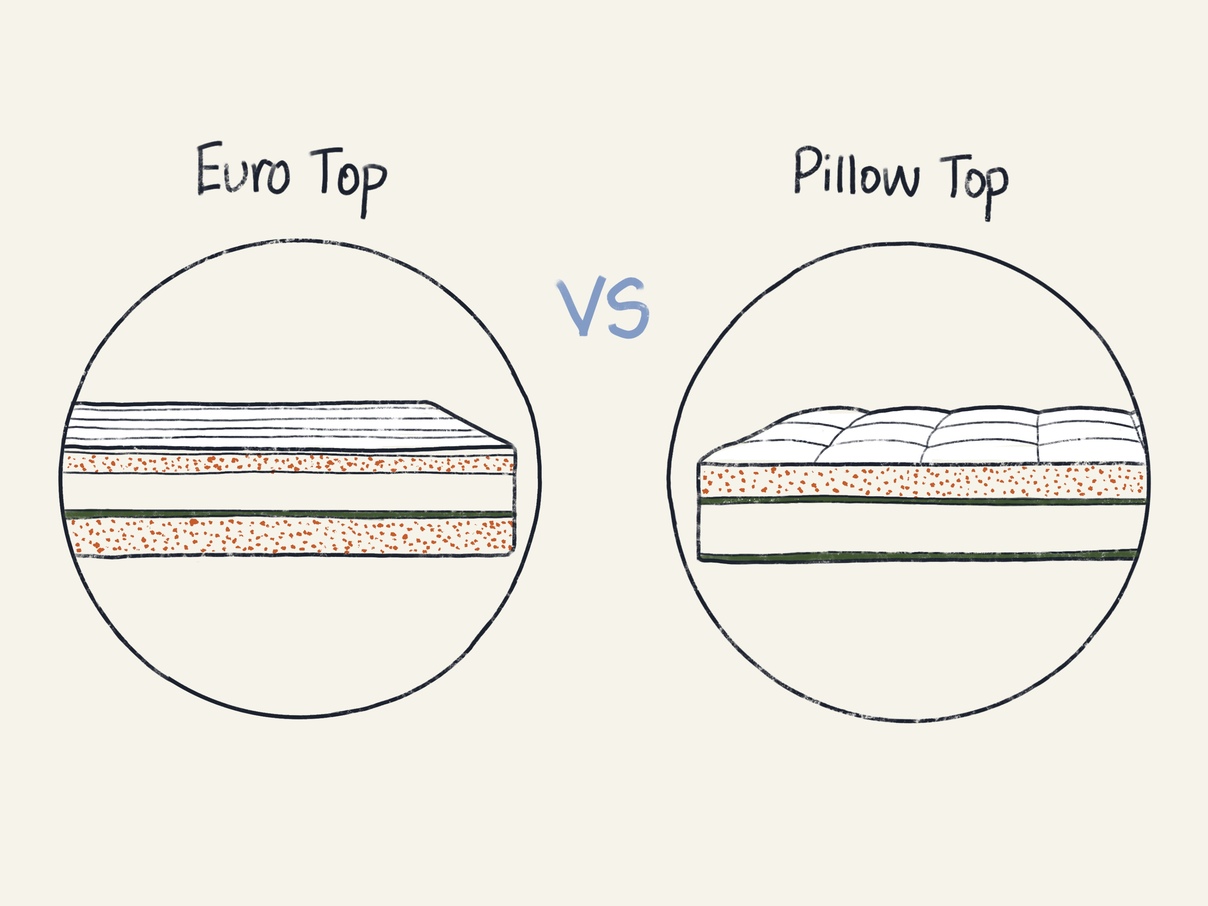
The fundamental difference between a tight top and other constructions lies in the manufacturing process. By eliminating the extra layer of loose, plush padding found in pillow-tops, manufacturers create a firmer interface between the sleeper and the support system—whether that system consists of pocketed coils, high-density memory foam, or a hybrid of both.
Structural Integrity and Longevity
From a product design standpoint, the tight top construction is often marketed as the more durable option. Because there is no additional “topping” layer that can shift, compress unevenly, or lose its loft over time, the structural integrity of the bed is maintained for longer periods. This appeals to consumers who view a mattress as a long-term investment. Brands that prioritize durability in their corporate identity often champion the tight top design as an antidote to the “fast furniture” trend, highlighting the longevity of the materials used in the core rather than relying on surface-level comfort layers that degrade quickly.
Surface Tension and Responsiveness
The engineering of a tight top creates a high level of surface tension. For sleepers who prefer a bed that does not “swallow” them, this design is ideal. The lack of excessive padding means that the sleeper remains on top of the mattress rather than sinking into it. This creates a responsive sleep environment that facilitates ease of movement—a key selling point for users with mobility issues or those who frequently change positions throughout the night.
Brand Positioning: Why Companies Choose the Tight Top
In the competitive landscape of the bedding industry, how a company positions its mattress types speaks volumes about its target demographic. The tight top is often used as a flagship for brands aiming to project a sense of minimalist, modern luxury.
Minimalist Aesthetic and Design Language
Modern interior design trends lean heavily toward minimalism, and the tight top mattress fits perfectly into this visual narrative. With its clean lines and low-profile silhouette, the tight top is the preferred choice for platform beds and contemporary bedroom aesthetics. Brands that focus on “lifestyle” marketing often leverage this to position their mattresses as design objects rather than mere utility items. By stripping away the bulky pillow-top, the brand communicates a “less is more” philosophy, appealing to a consumer base that values decluttered living spaces and functional elegance.
Targeting the Value-Conscious Consumer
From a marketing perspective, the tight top often occupies a unique position in a product hierarchy. Because it requires fewer layers of foam or fiber during the manufacturing process, it is often more cost-effective to produce than a pillow-top or Euro-top equivalent. Smart brands use this to offer a high-quality product at a competitive price point, effectively capturing the value-oriented segment of the market. By emphasizing the “traditional craftsmanship” and “uncompromised support” of a tight top, companies can elevate a budget-friendly design into a premium offering, focusing on the essential quality of the core materials rather than superficial padding.
Analyzing the User Experience and Market Fit
Understanding the market fit for a tight top mattress requires analyzing who actually benefits from this design. When brands segment their audience, the tight top is consistently positioned for specific psychological and physical profiles.
The “Firm Support” Consumer Segment
There is a significant portion of the population that finds pillow-tops too soft or destabilizing. For these consumers, the tight top is the gold standard. Marketing materials for these mattresses frequently utilize language centered on “spinal alignment,” “consistent support,” and “stability.” By focusing on the health and wellness benefits of a firmer surface, brands can establish authority in the sleep-health niche. This is a strategic move to build trust, as the brand positions itself not just as a furniture seller, but as a provider of restorative sleep solutions.
The “Cooler Sleep” Advantage
In recent years, thermoregulation has become a primary driver of mattress innovation. A tight top design inherently offers better breathability than a thick, plush pillow-top. Because the sleeper is not enveloped by layers of foam that tend to trap heat, the tight top allows for better airflow through the mattress core. Brands that market “climate-controlled” or “cool-touch” sleep environments often feature tight top constructions as their primary solution for hot sleepers. By highlighting this technical advantage, these companies create a clear differentiator in a crowded marketplace, allowing them to charge a premium for a product that effectively solves a common consumer pain point.
Strategic Outlook: The Future of the Tight Top
As consumer preferences shift toward modular, sustainable, and high-performance sleep products, the tight top mattress is undergoing a transformation. It is no longer just “the basic mattress”—it is becoming a platform for high-tech material integration.
Material Innovation within the Tight Top
Modern manufacturing allows brands to experiment with advanced materials within the tight top framework. We are seeing a shift toward incorporating phase-change materials, copper-infused memory foams, and specialized coil systems directly into the tight top surface. This allows brands to provide the tactile feel of a firm, responsive bed while offering the cutting-edge comfort technology that modern consumers demand. This evolution is vital for brand survival; by integrating tech-forward features, traditional mattress companies can prevent their products from becoming commoditized.
Sustainable Brand Identity
Sustainability is currently the most powerful narrative in brand strategy. The tight top construction is arguably more sustainable than its counterparts because it often requires less adhesive and fewer synthetic upholstery layers, which makes the product easier to recycle or repurpose at the end of its life cycle. Forward-thinking brands are beginning to capitalize on this, positioning their tight top lines as the “eco-conscious” choice. By emphasizing the reduction of materials and the use of natural fibers (such as wool or organic cotton) on the surface of the tight top, companies can align themselves with the values of the modern, environmentally conscious shopper.
Conclusion: Balancing Form and Function
The term “tight top” serves as a descriptor for a design choice that fundamentally shapes the user’s relationship with their mattress. For the consumer, it represents a commitment to stability, durability, and a clean, modern aesthetic. For the brand, it acts as a versatile tool in the product portfolio—allowing companies to target the value-conscious shopper, the wellness-focused individual, and the design-forward homeowner simultaneously.
By understanding the structural advantages and the branding potential of the tight top, market players can better communicate the value of these products. As the bedding industry continues to evolve, the tight top remains a cornerstone of the market, proving that even the most traditional designs can be refined, rebranded, and positioned as essential components of a modern, high-performance sleep experience. Whether marketed as the pinnacle of firm support or the foundation for an eco-friendly sleep sanctuary, the tight top mattress occupies a vital space in the consumer’s home and the brand’s strategic roadmap.
aViewFromTheCave is a participant in the Amazon Services LLC Associates Program, an affiliate advertising program designed to provide a means for sites to earn advertising fees by advertising and linking to Amazon.com. Amazon, the Amazon logo, AmazonSupply, and the AmazonSupply logo are trademarks of Amazon.com, Inc. or its affiliates. As an Amazon Associate we earn affiliate commissions from qualifying purchases.