
In the complex landscape of urban development and municipal finance, acronyms often obscure the powerful mechanisms that drive local economies. When asking “what does TIF stand for” within the context of business and money, the answer is Tax Increment Financing. Far from being a mere accounting entry, TIF is one of the most influential—and sometimes controversial—tools used by local governments to stimulate economic growth, fund infrastructure, and revitalize distressed communities.
Tax Increment Financing is a public financing method used as a subsidy for redevelopment, infrastructure, and other community-improvement projects. By capturing the future gains in property taxes generated by a specific development, municipalities can fund the very improvements that make that development possible. For investors, business owners, and taxpayers, understanding the mechanics of TIF is essential to navigating the intersection of private enterprise and public policy.
The Mechanics of Tax Increment Financing: How TIF Works
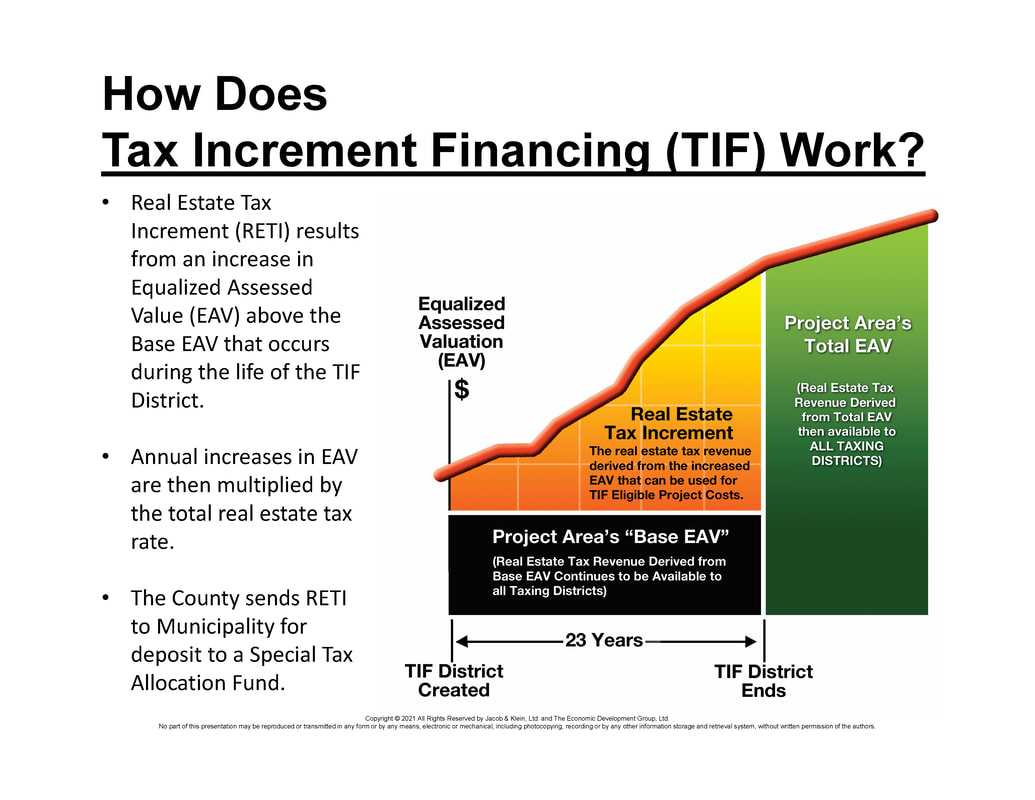
At its core, TIF is a way to “borrow” against the future success of a real estate project or a geographic district. It operates on the assumption that a specific area—often referred to as a TIF District—will see an increase in property values if certain improvements are made.
The Baseline and the Increment
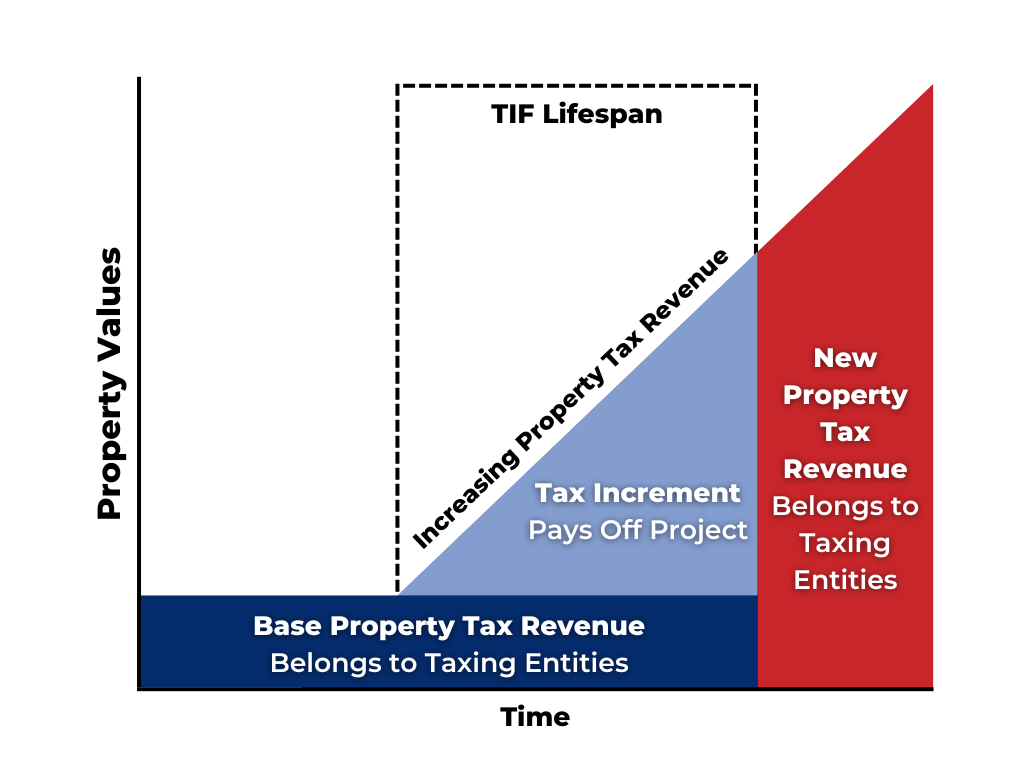
When a TIF district is established, the local government “freezes” the property tax revenue at its current level. This is known as the base value. All taxing bodies (schools, parks, county services) continue to receive the same amount of tax revenue they were getting before the TIF was created.
The “increment” is the difference between the base tax revenue and the new, higher tax revenue generated after the area is developed. Instead of going into the general fund, this increment is diverted into a special fund used to pay for the project’s costs—such as land acquisition, demolition, or utility upgrades—or to pay off the debt (bonds) issued to fund those costs.
The “But-For” Test
A critical legal and financial standard for the creation of a TIF is the “But-For” test. This principle asserts that the proposed development or revitalization would not occur but for the use of TIF assistance. From a financial perspective, this justifies the diversion of tax dollars; the argument is that without the TIF, the tax “increment” would never exist in the first place, so other taxing bodies aren’t technically losing money they otherwise would have had.
The Lifecycle of a TIF District
TIF districts are not permanent. They typically have a lifespan of 20 to 23 years, depending on state legislation. During this period, the incremental revenue services the debt or reimburses the developer. Once the TIF expires and the debts are settled, the TIF district is dissolved. At that point, the full, increased tax value of the property becomes available to all local taxing bodies, often resulting in a significant windfall for schools and municipal services.
The Strategic Role of TIF in Economic Development
For many cities, TIF is the primary tool available to bridge the “financing gap” in large-scale real estate projects. In the world of business finance, this gap is the difference between what a project costs to build and what a private lender is willing to provide based on projected returns.
Revitalizing Blighted Areas
TIF was originally designed to combat “urban blight.” In many older industrial cities, environmental contamination (brownfields), crumbling infrastructure, and obsolete buildings make the cost of redevelopment prohibitively expensive for private developers. TIF allows the city to step in and offset these “extraordinary costs,” turning unproductive land back into a source of economic activity.
Funding Essential Infrastructure
In many modern applications, TIF is used to build the “bones” of a city. This includes streets, sewers, water mains, and parking garages. By using TIF to fund these public assets, the municipality can attract major corporate headquarters or retail hubs that bring jobs to the region. This is a classic example of using future tax revenue to build the physical foundation of current economic growth.
Attracting Private Capital
From a marketing and branding perspective, a city’s ability to offer TIF can make it more competitive. When a large corporation is deciding where to place a new regional office, the financial package offered by the city—often anchored by TIF—can be the deciding factor. It signals that the municipality is a proactive partner in the business’s success, reducing the initial capital expenditure for the firm.
Financial Implications for Investors and Local Businesses
Tax Increment Financing does not just affect developers and city planners; it has significant implications for the broader financial market and the local business ecosystem.
TIF Bonds: A Niche Investment Vehicle
To raise the capital needed for immediate improvements, many municipalities issue TIF Bonds. These are a specific type of municipal bond where the principal and interest are paid back solely from the tax increment generated within the district.
For income-seeking investors, TIF bonds can offer attractive yields, often higher than general obligation bonds because they carry a higher risk profile. If the development fails to generate the expected tax increment (due to a market downturn or project failure), there may be insufficient funds to pay the bondholders. Therefore, these are often viewed as “project-finance” style risks within the municipal bond market.
Impacts on Local Property Values
For small business owners located near a TIF district, the ripple effects can be substantial. Successful TIF projects often lead to an “appreciation halo,” where surrounding property values rise due to the new amenities and increased foot traffic. While this increases the net worth of property owners, it can also lead to higher tax assessments for those not receiving TIF subsidies, a factor that businesses must account for in their long-term financial planning.
Risk Factors and Economic Shifts
The primary risk in TIF financing is market volatility. If a TIF is based on the projected success of a retail mall, and the retail sector takes a hit due to e-commerce trends, the “increment” may never materialize. In these cases, the municipality might be left with underfunded infrastructure or, if the bonds were backed by the city’s full faith and credit, a hole in the general budget. This makes rigorous financial modeling and “stress testing” essential for any TIF proposal.
Debates and Criticisms: The Controversy of TIF
While TIF is a powerful engine for growth, it is not without its detractors. In the realm of public finance, the debate over TIF often centers on equity, transparency, and the long-term impact on public services.
Diversion of Funds from Schools and Essential Services
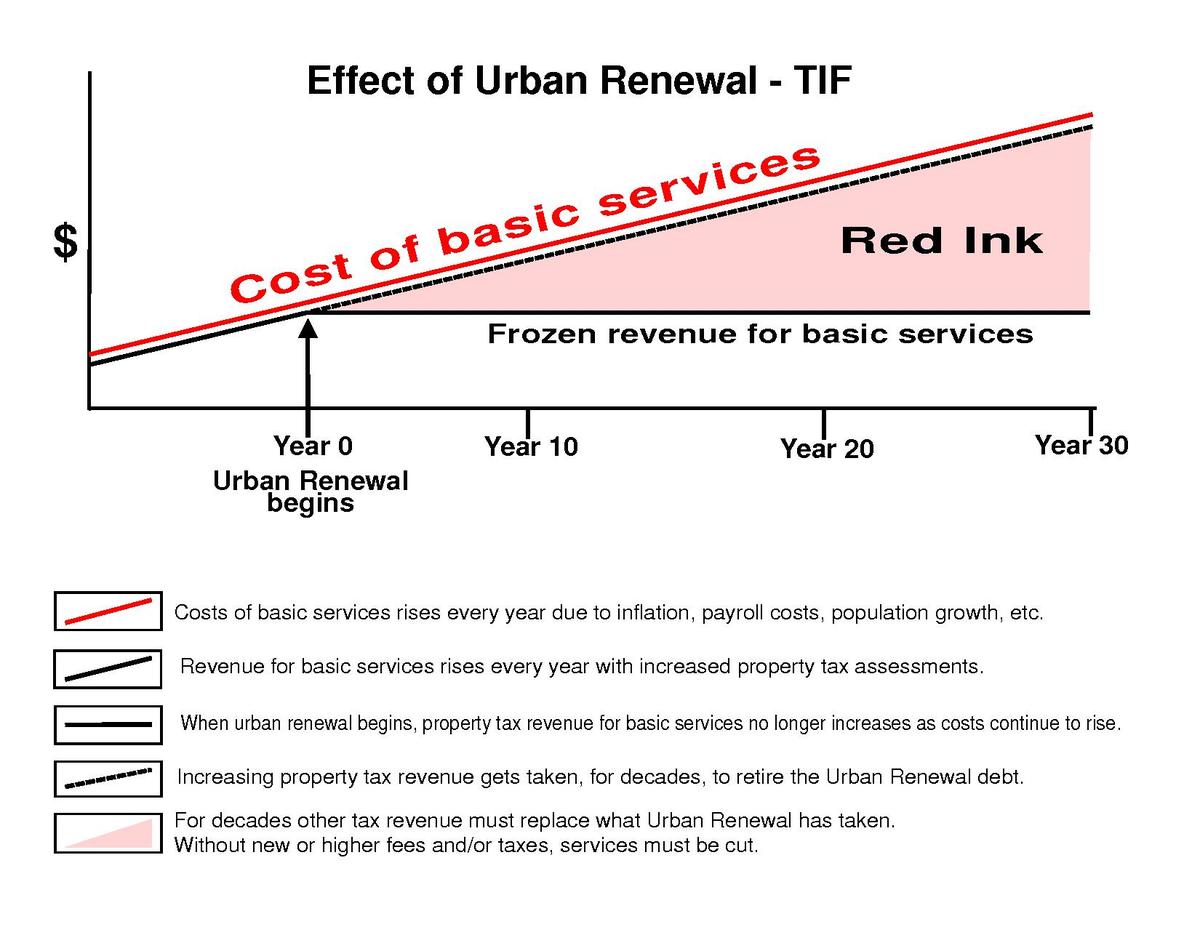
The most frequent criticism of TIF is that it starves school districts and emergency services of much-needed revenue. While it is true that schools continue to receive their “base” tax amount, critics argue that as property values rise and more families move into an area, the cost of providing services (like education) increases. If the incremental tax revenue is locked away in a TIF fund for 20 years, the school district must support more students without the benefit of the increased tax base, often leading to calls for tax hikes elsewhere.
Transparency and “Crony Capitalism”
Because TIF deals are often negotiated between developers and city officials behind closed doors, they can face accusations of a lack of transparency. There is a concern in some financial circles that TIF is sometimes used to subsidize projects that would have happened anyway, or to favor politically connected developers. This undermines the “But-For” test and results in a net loss for the public treasury.
Gentrification and Displacement
In many urban centers, TIF has been a driver of gentrification. By funding high-end developments in lower-income areas, TIF can rapidly drive up property values and rents, displacing the very residents and small businesses it was intended to help. From a socioeconomic standpoint, this raises questions about who the “economic development” is truly for.
Conclusion: The Future of TIF in a Changing Economy
When we ask “what does TIF stand for,” we find an answer that sits at the very heart of how modern cities are built and financed. Tax Increment Financing is a sophisticated financial tool that bridges the gap between public needs and private investment. It represents a bet on the future—a belief that by investing today’s potential gains into today’s physical needs, we can create a more prosperous tomorrow.
For the investor, TIF offers unique opportunities in the bond market. For the business owner, it can mean new infrastructure and revitalized neighborhoods. For the taxpayer, it is a reminder of the delicate balance required to grow an economy without compromising the essential services that a community relies on. As urban landscapes continue to evolve in the post-pandemic world, the strategic use of TIF will remain a cornerstone of municipal finance and economic strategy.
aViewFromTheCave is a participant in the Amazon Services LLC Associates Program, an affiliate advertising program designed to provide a means for sites to earn advertising fees by advertising and linking to Amazon.com. Amazon, the Amazon logo, AmazonSupply, and the AmazonSupply logo are trademarks of Amazon.com, Inc. or its affiliates. As an Amazon Associate we earn affiliate commissions from qualifying purchases.