
Understanding the Core Concept of Thermal Conductivity
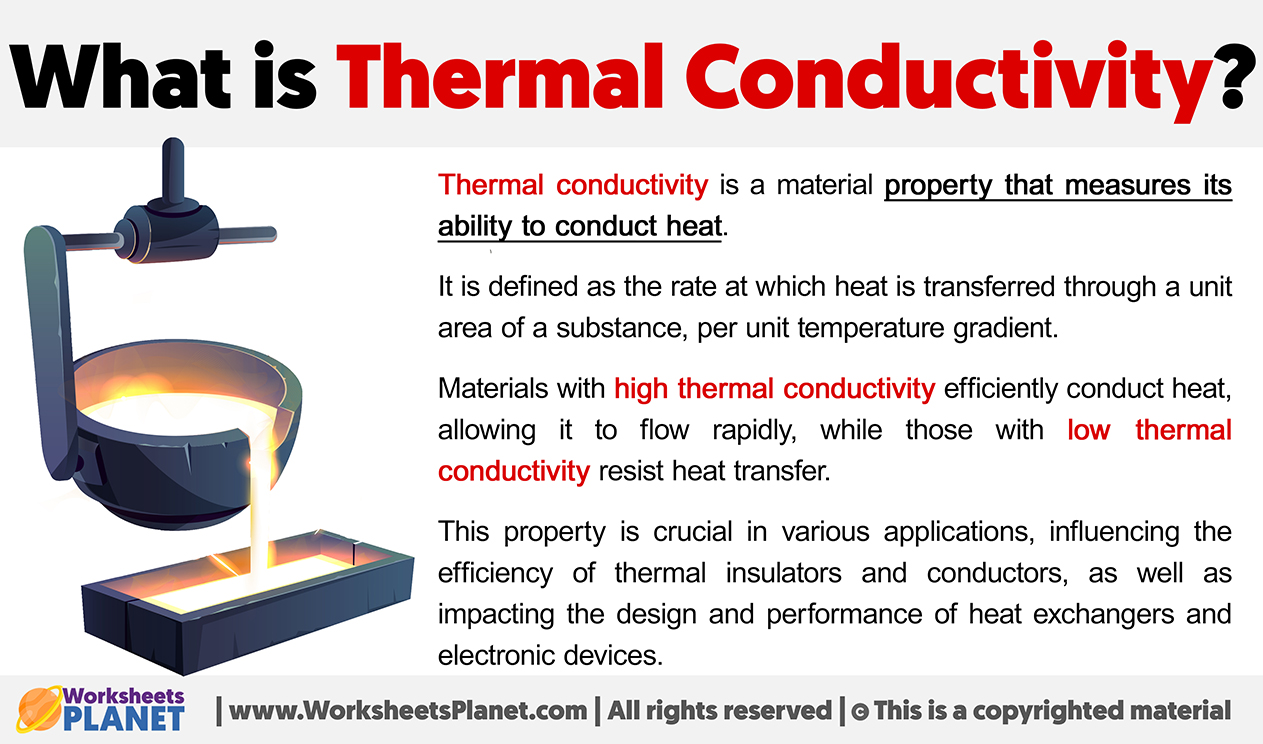
Thermal conductivity is a fundamental material property that quantifies a substance’s ability to transfer heat energy through direct molecular contact. In essence, it measures how efficiently heat flows through a material under a temperature gradient. This intrinsic characteristic is crucial across countless applications, particularly in the realm of technology where effective thermal management can dictate performance, reliability, and device longevity.
The mechanism of heat conduction primarily involves two processes: lattice vibrations (phonons) and the movement of free electrons. In materials like metals, which possess a high density of free electrons, these electrons are highly mobile and serve as excellent carriers of thermal energy, leading to high thermal conductivity. Conversely, in insulators such as plastics or ceramics, free electrons are scarce, and heat transfer relies predominantly on the less efficient transfer of vibrational energy between atoms in the lattice structure.
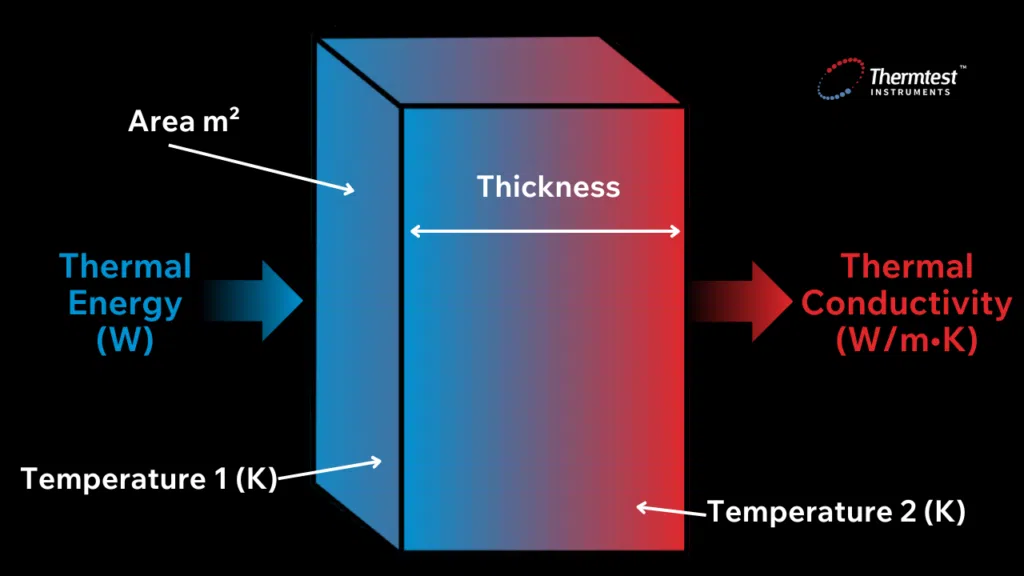
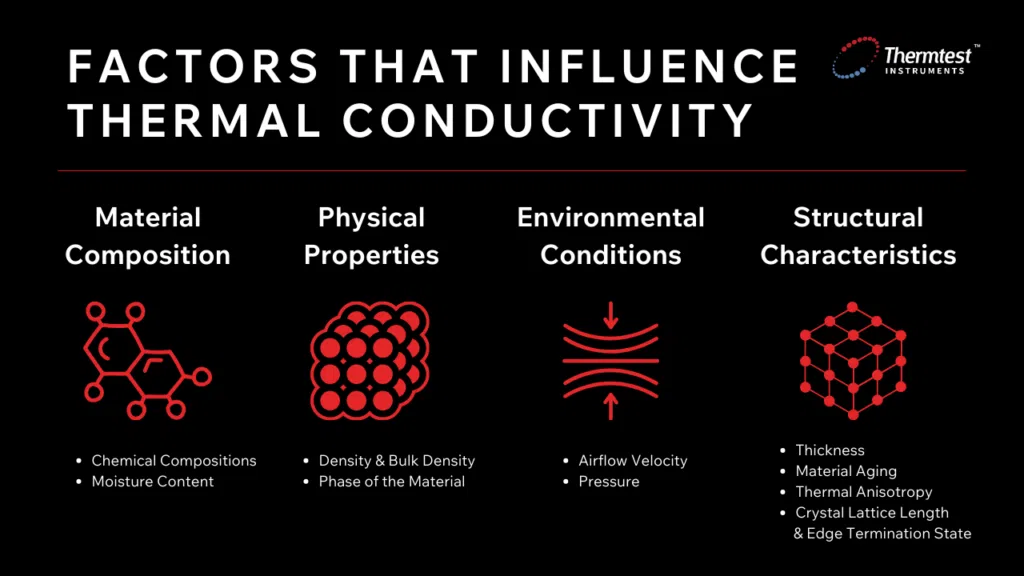
Thermal conductivity is quantitatively expressed in units of Watts per meter-Kelvin (W/m·K). A higher W/m·K value indicates a material that conducts heat more effectively, while a lower value signifies a material that resists heat flow. Several factors influence a material’s thermal conductivity, including its chemical composition, crystalline structure, density, temperature, and even the presence of impurities or defects. For instance, increasing the temperature often decreases the thermal conductivity of metals but can increase it for some non-metallic materials. It’s also important to distinguish conduction from convection (heat transfer via fluid motion) and radiation (heat transfer via electromagnetic waves); thermal conductivity specifically pertains to heat transfer through solid or stationary fluid matter.
Thermal Conductivity’s Indispensable Role in Modern Technology
The principles of thermal conductivity are not merely theoretical; they are the bedrock upon which much of modern technological advancement rests. From the smallest microprocessors to colossal data centers, managing heat is a constant and critical engineering challenge.
Harnessing Heat: The Foundation of Electronic Performance
Modern microprocessors, including CPUs and GPUs, are miniature powerhouses that generate significant heat as billions of transistors switch on and off at incredible speeds. Without efficient heat dissipation, these components would quickly overheat, leading to performance throttling (reduced clock speeds), instability, and ultimately premature failure. The materials chosen for chip packaging, interconnects, and the very substrates on which circuits are built must be carefully selected for their thermal properties. In devices like smartphones and laptops, the challenge is compounded by limited space, demanding innovative solutions to channel heat away from critical components while maintaining a comfortable user experience. Power electronics, found in everything from electric vehicle chargers to renewable energy inverters, also rely heavily on materials with specific thermal conductivities to ensure high efficiency and operational reliability, preventing thermal breakdown during high-current operations.
Cooling Systems: The Unsung Heroes of Computing
Effective cooling systems are essential for maintaining optimal operating temperatures in electronic devices.
- Heat Sinks: These passive devices are designed to maximize surface area contact with air, using materials like aluminum or copper due to their excellent thermal conductivity. Their intricate fin geometries are engineered to efficiently dissipate heat away from a component into the surrounding environment.
- Thermal Interface Materials (TIMs): A critical link in the thermal chain, TIMs (such as thermal pastes, pads, or even liquid metal alloys) fill microscopic air gaps between a heat-generating component (e.g., a CPU die) and a heat sink. Air is a poor conductor of heat, so TIMs, with their high thermal conductivity, ensure efficient heat transfer across this crucial interface.
- Liquid Cooling: For high-performance computing, liquid cooling systems circulate a coolant (often water with additives) through cold plates that directly contact heat sources. The liquid absorbs heat more effectively than air and carries it away to a radiator where it is dissipated.
- Vapor Chambers and Heat Pipes: These technologies utilize a phase-change process to transfer heat very efficiently. A working fluid inside a sealed chamber or pipe evaporates at the hot end, absorbing latent heat, and then condenses at the cooler end, releasing that heat, effectively moving large amounts of thermal energy with minimal temperature difference.
Beyond the Desktop: Applications in Emerging Tech
Thermal conductivity’s importance extends far beyond traditional computing, impacting a broad spectrum of cutting-edge technologies.
- Electric Vehicles (EVs) and Battery Management Systems (BMS): Lithium-ion batteries generate heat during charging and discharging. Poor thermal management can lead to reduced battery life, diminished performance, and in extreme cases, thermal runaway (a dangerous self-propagating heating condition). Materials with high thermal conductivity are essential for cooling plates, battery casings, and internal cell components to maintain optimal operating temperatures, ensuring safety, longevity, and consistent range.
- Aerospace and Satellites: In the vacuum of space, traditional convective cooling is impossible. Satellites and spacecraft rely on advanced materials and sophisticated thermal control systems, often incorporating materials with tailored thermal conductivities (e.g., specialized composites or ceramics) to manage extreme temperature differentials and dissipate heat from sensitive electronics into space via radiation.
- Wearable Technology and IoT Devices: As devices shrink and become more intimately connected to the human body, managing localized heat becomes a challenge not only for component longevity but also for user comfort and safety. Materials with carefully selected thermal properties are used to distribute heat away from skin contact points.
- Data Centers: These facilities consume enormous amounts of energy, with a significant portion converted into heat. Efficient thermal management, utilizing advanced cooling techniques and highly conductive materials, is paramount for maintaining server uptime, reducing energy consumption, and achieving a low Power Usage Effectiveness (PUE) ratio.
The Engineering Challenge: Balancing Heat Transfer and Design
The effective management of thermal conductivity is a delicate balancing act for engineers. It involves meticulous material selection, sophisticated design optimization, and rigorous simulation.
Material Selection is often a trade-off. While high thermal conductivity is desired for heat dissipation, some applications might require thermal insulation, necessitating materials with low thermal conductivity. For instance, a smartphone chassis might use a metal for heat spreading but incorporate insulating layers to protect certain internal components or the user’s hand.
Design Optimization integrates thermal management early in the product development cycle. This includes optimizing airflow paths, component placement, and the geometry of heat sinks or cold plates to maximize heat transfer efficiency within given volume and weight constraints.
Simulation and Modeling tools, such as Computational Fluid Dynamics (CFD), allow engineers to predict thermal behavior accurately. These simulations help identify hot spots, optimize cooling solutions, and test various material configurations before physical prototypes are even built, significantly reducing development time and cost.
The ongoing Quest for Novel Materials is driven by the demand for ever more powerful and compact devices. Researchers are exploring exotic materials like graphene, carbon nanotubes, and advanced phase-change materials, which promise unprecedented levels of thermal conductivity or highly efficient heat absorption and release, pushing the boundaries of miniaturization and performance limits in future tech.
The Future of Thermal Management in Tech
The landscape of thermal management is continuously evolving, driven by innovation and the relentless pursuit of performance and efficiency. Advanced manufacturing techniques, such as 3D printing, are enabling the creation of highly complex and customized thermal structures that were previously impossible to produce, allowing for optimized heat dissipation pathways. The distinction between active (fan-based) and passive (heat sink-based) cooling is blurring, with hybrid systems and smarter, adaptive cooling solutions becoming more prevalent. There’s also a growing emphasis on sustainable thermal solutions, including energy recovery from waste heat and the development of eco-friendly, non-toxic cooling fluids and materials. Furthermore, the integration of AI and machine learning in thermal design is set to revolutionize the field, enabling predictive modeling, real-time thermal optimization, and automated design of cooling systems, ultimately paving the way for the next generation of high-performance, energy-efficient technological marvels.
aViewFromTheCave is a participant in the Amazon Services LLC Associates Program, an affiliate advertising program designed to provide a means for sites to earn advertising fees by advertising and linking to Amazon.com. Amazon, the Amazon logo, AmazonSupply, and the AmazonSupply logo are trademarks of Amazon.com, Inc. or its affiliates. As an Amazon Associate we earn affiliate commissions from qualifying purchases.