
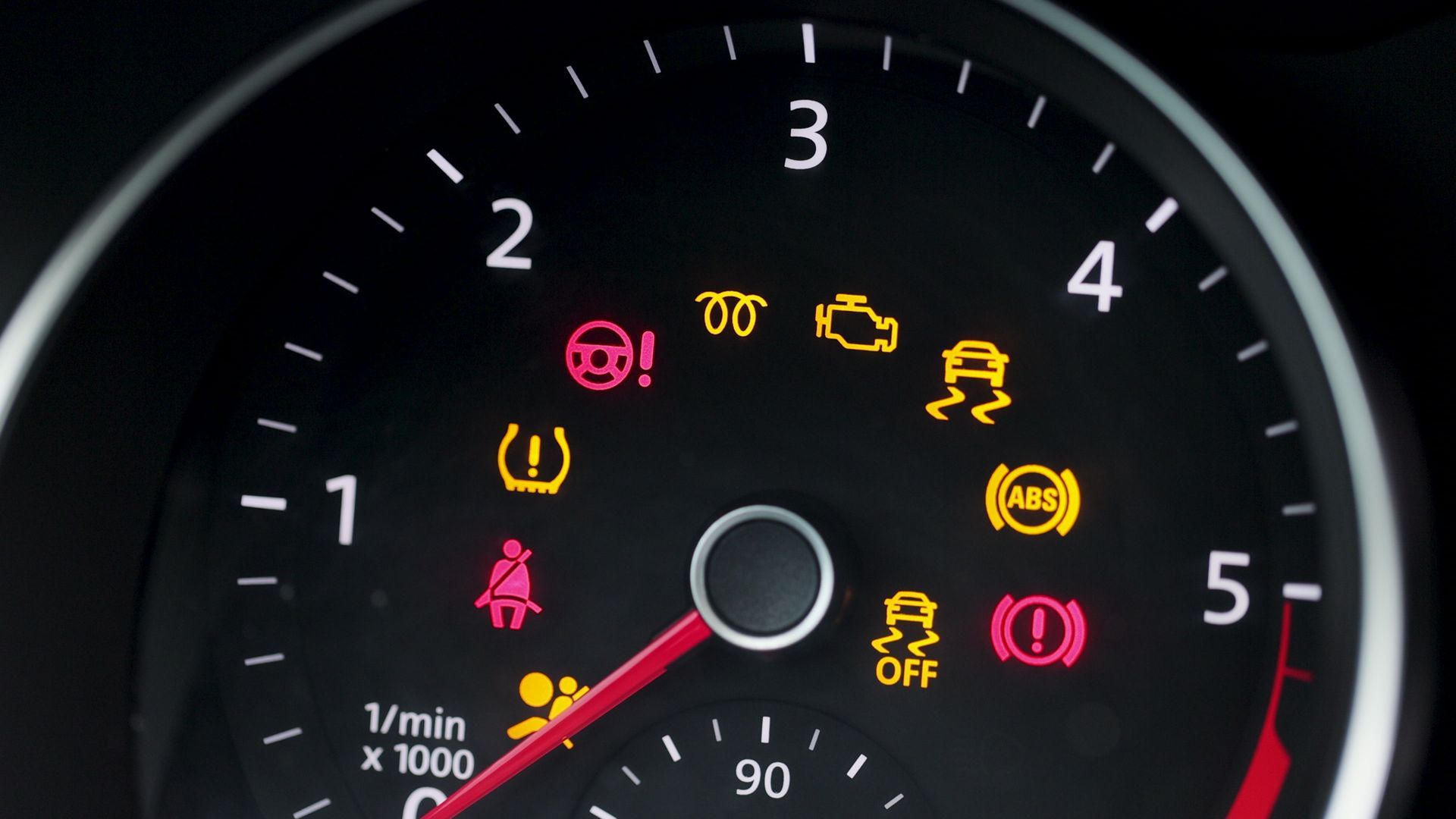
In the modern automotive landscape, vehicles have transitioned from purely mechanical machines into sophisticated, rolling data centers. When a driver gazes at the instrument cluster and notices a glowing wrench icon, they are not merely seeing a simple warning; they are witnessing the output of a complex interplay between hardware sensors and proprietary software algorithms. Understanding what the wrench light signifies requires a deep dive into the digital architecture of contemporary vehicles, the evolution of on-board diagnostics, and the specialized software that governs vehicle health.
The Evolution of On-Board Diagnostics: From Mechanical to Digital
To understand the wrench light, one must first understand the Electronic Control Unit (ECU). Decades ago, vehicle maintenance was dictated by mileage intervals recorded on a mechanical odometer. Today, the “wrench light”—often referred to as the maintenance minded or powertrain malfunction indicator—is a product of the vehicle’s internal computing power.

The Role of the Electronic Control Unit (ECU)
The ECU serves as the brain of the vehicle. Modern cars may contain dozens, if not hundreds, of these microcontrollers, each dedicated to specific tasks such as engine management, transmission control, or braking systems. The wrench light is typically triggered when the ECU identifies a condition that does not necessarily compromise emissions (which would trigger the Check Engine Light) but does require technical intervention to maintain operational efficiency.
These units run millions of lines of code, constantly polling sensors for data points like fluid pressure, temperature gradients, and rotational speeds. When these data points deviate from the pre-programmed “nominal” range defined in the software’s lookup tables, the ECU executes a command to illuminate the wrench icon on the digital dashboard.
Proprietary vs. Standardized Code Systems
While the Check Engine Light (CEL) is largely governed by federal mandates (such as OBD-II standards) to monitor emissions-related failures, the wrench light is often a proprietary signal used by manufacturers like Ford, Honda, or Volkswagen. This means the logic behind the light varies significantly across software ecosystems. In some tech stacks, the wrench light signifies a scheduled service interval calculated by a complex algorithm; in others, it indicates a fault in the electronic throttle control or the four-wheel-drive system. This lack of standardization requires specialized diagnostic tools that can interface with the manufacturer’s specific communication protocols.
Decoding the Wrench Icon: Understanding Sensor Logic
The wrench light is the user interface (UI) component of a sophisticated monitoring system. Unlike older vehicles that relied on binary “fail/no-fail” sensors, modern automotive technology utilizes “smart” sensors that provide granular data to the vehicle’s software.
Maintenance Scheduling Algorithms
In many high-tech vehicles, the wrench light is not triggered by a simple timer but by an Intelligent Oil Life Monitor (IOLM) or similar algorithmic tool. These software modules analyze driving habits, ambient temperatures, engine loads, and trip durations. For instance, a vehicle frequently used for short trips in freezing climates will trigger the wrench light sooner than one used for long-distance highway cruising. The software calculates the degradation of lubricants and components in real-time, providing a more accurate reflection of vehicle health than a static mileage counter.
Real-Time Performance Monitoring and Fail-Safes
Beyond routine maintenance, the wrench light often acts as a digital sentinel for the powertrain. If the software detects an anomaly in the transmission’s shift logic or a discrepancy in the electronic throttle body’s position, it may trigger a “Limp Home Mode.” This is a software-encoded fail-safe that restricts engine RPM and gear selection to prevent physical hardware damage. In this state, the wrench light serves as a critical communication bridge between the car’s firmware and the driver, indicating that the system has shifted into a protective state to preserve the integrity of the mechanical components.
The Intersection of AI and Vehicle Longevity
As we move further into the era of the Software-Defined Vehicle (SDV), the wrench light is becoming more than a reactive warning; it is becoming a proactive notification driven by predictive analytics and machine learning.
Predictive Analytics in Modern Transportation
Leading automotive tech companies are now integrating predictive maintenance software that goes beyond simple threshold monitoring. By utilizing historical data from thousands of vehicles in a connected fleet, AI models can identify patterns that precede a component failure. If the software detects a specific vibration frequency or a millisecond delay in a solenoid’s response time—patterns that have historically led to failure in other units—the wrench light can be activated before the driver even notices a change in performance. This transition from “break-fix” to “predict-prevent” is a hallmark of the current digital transformation in the automotive sector.
OTA (Over-the-Air) Updates and Dashboard Notifications
The integration of telematics and cellular connectivity allows manufacturers to update the logic behind the wrench light remotely. If a software bug is discovered that causes premature wear on a component, an Over-the-Air (OTA) update can recalibrate the sensor thresholds and update the dashboard UI to provide more specific information to the driver. In advanced electric vehicles (EVs), the wrench light might even be accompanied by a detailed text description on the center console, explaining exactly which sub-system—such as the battery thermal management system—requires attention, and offering to schedule a service appointment automatically via the integrated cloud platform.
Utilizing Digital Tools for Consumer Troubleshooting
For the tech-savvy car owner, the appearance of a wrench light is an invitation to engage with diagnostic hardware and software. The democratization of automotive data has allowed consumers to move beyond mystery and into the realm of data-driven insights.
Bluetooth OBD-II Scanners and Smartphone Apps
The proliferation of low-cost, high-bandwidth Bluetooth OBD-II scanners has revolutionized how drivers respond to dash lights. By plugging a dongle into the vehicle’s diagnostic port, a user can sync their car with a smartphone app. These apps translate the hexadecimal codes stored in the ECU into human-readable data. While the wrench light may be proprietary, many modern diagnostic apps have “decoded” these manufacturer-specific codes, allowing users to see exactly which sensor triggered the alert. This level of transparency empowers consumers to understand whether the light indicates a critical software glitch or a routine fluid change.
The Future of Remote Diagnostics and Telematics
We are entering an era where the wrench light may become obsolete in favor of more direct digital communication. Telematics systems, such as GM’s OnStar or BMW’s ConnectedDrive, allow for remote diagnostics. When a fault is detected, the vehicle can transmit a full diagnostic packet to a remote server. Technicians can then analyze the data remotely and send a push notification to the driver’s smartphone with a comprehensive report. This shift represents a move toward a “connected car” ecosystem where the dashboard icon is merely the tip of a massive data iceberg.

Conclusion: The Digital Language of Modern Maintenance
The wrench light on a car is a vital piece of the digital dialogue between a vehicle’s internal computer systems and its operator. It represents the successful integration of mechanical engineering and software development, ensuring that complex machines remain operational through rigorous data monitoring. As automotive technology continues to advance, the wrench light will evolve from a simple warning lamp into a sophisticated gateway for predictive health management, driven by AI, cloud computing, and real-time sensor fusion.
For the modern driver, understanding this light is not just about knowing when to change the oil; it is about recognizing the vehicle as a sophisticated technological platform that uses software to safeguard its own longevity. Whether it is triggered by an algorithmic calculation of lubricant life or a protective fail-safe in the powertrain’s firmware, the wrench light is a testament to the incredible sophistication of modern automotive software. By embracing the digital tools available to decode these signals, owners can move from a place of uncertainty to a place of informed, data-backed vehicle management.
aViewFromTheCave is a participant in the Amazon Services LLC Associates Program, an affiliate advertising program designed to provide a means for sites to earn advertising fees by advertising and linking to Amazon.com. Amazon, the Amazon logo, AmazonSupply, and the AmazonSupply logo are trademarks of Amazon.com, Inc. or its affiliates. As an Amazon Associate we earn affiliate commissions from qualifying purchases.