
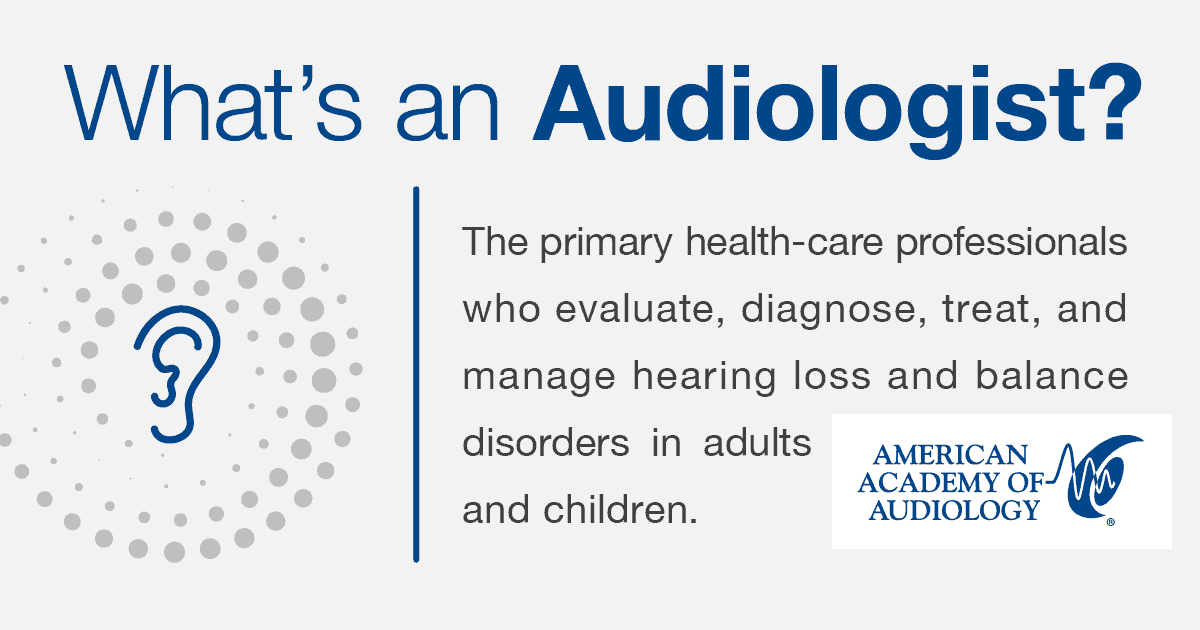
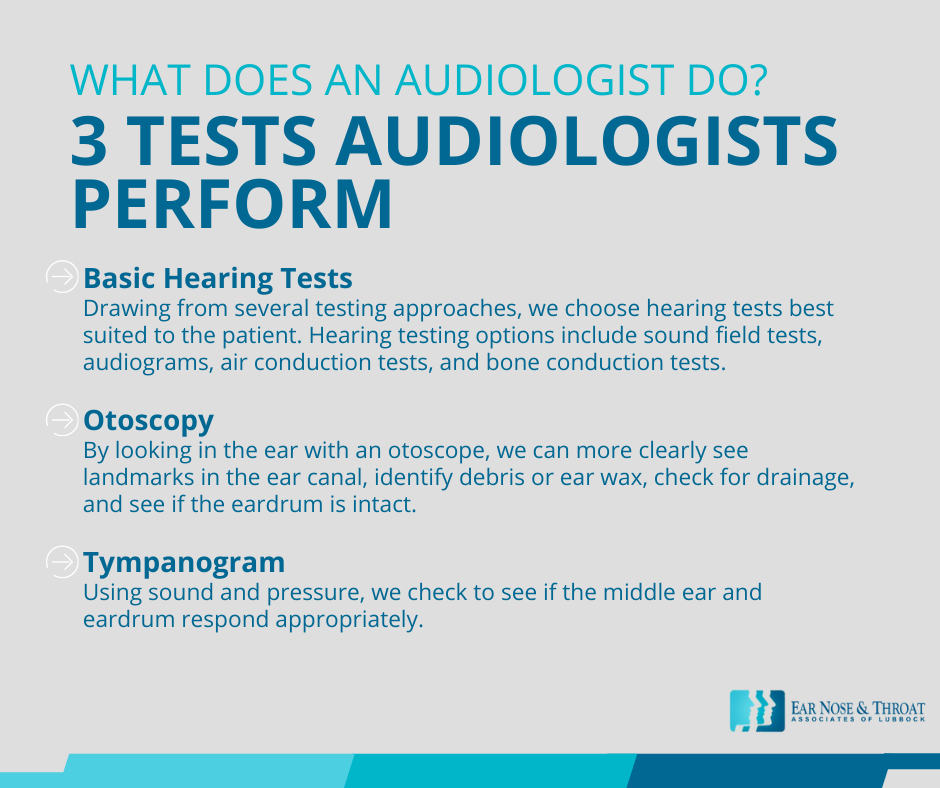
In the traditional sense, an audiologist is a healthcare professional specializing in identifying, diagnosing, and treating disorders of the auditory and vestibular systems. However, as we move deeper into the third decade of the 21st century, the definition of an audiologist is undergoing a radical transformation. No longer confined to the role of a clinical practitioner, the modern audiologist is increasingly becoming a high-tech systems engineer for human sensory perception. To understand what the word “audiologist” means today, one must look past the stethoscope and the soundproof booth and toward the cutting-edge intersection of digital signal processing (DSP), artificial intelligence (AI), and wearable technology.
The evolution of the field reflects a broader trend in the tech industry: the digitalization of health. For the tech-savvy observer, an audiologist is the primary gatekeeper of sophisticated bio-integrated hardware. They are the professionals who bridge the gap between complex algorithmic software and biological reality, ensuring that the stream of data entering a user’s brain is optimized, secure, and personalized.
The Technological Toolkit: Beyond Simple Amplification
To define an audiologist in the modern era, we must first look at the hardware and software they command. The core of their work revolves around some of the most advanced micro-electronics currently available on the consumer and medical markets. While the public often views hearing aids as simple amplifiers, the reality is that an audiologist works with miniature supercomputers that sit behind or inside the ear.
Digital Signal Processing and Custom Algorithms
At the heart of modern audiology is Digital Signal Processing (DSP). When an audiologist “programs” a device, they are essentially acting as a software configurator. Modern hearing instruments utilize multi-core processors that can perform millions of calculations per second. The audiologist’s role involves manipulating specific frequency channels, compression ratios, and noise-reduction algorithms to match a patient’s unique “hearing blueprint.” This is not a one-size-fits-all hardware application; it is a bespoke software deployment. The “meaning” of an audiologist in this context is someone who can interpret complex data visualizations (audiograms) and translate them into a high-performance audio processing environment.
The Rise of Smart Wearables and IoT Integration
The definition of an audiologist has expanded to include expertise in the Internet of Things (IoT). Today’s hearing technology is fully integrated into the digital ecosystem. Audiologists now manage devices that feature Bluetooth Low Energy (BLE) connectivity, allowing for seamless streaming from smartphones, smart TVs, and even home automation systems. The modern audiologist must understand the nuances of wireless protocols and connectivity troubleshooting. They are the ones who ensure that a user’s hearing device functions as a sophisticated “hearable”—a multifunctional gadget that tracks fitness metrics, translates languages in real-time, and provides fall detection alerts through integrated accelerometers and gyroscopes.
Artificial Intelligence and the Machine Learning Shift
The most significant shift in the meaning of “audiologist” comes from the integration of Artificial Intelligence (AI) and Machine Learning (ML). In the tech sector, AI is often a buzzword, but in the audiology clinic, it is a functional tool that changes how sound is processed.
Real-Time Environment Classification
Modern auditory software uses deep neural networks (DNNs) to classify sound environments. These systems are trained on millions of sound samples, allowing the device to distinguish between a busy restaurant, a quiet library, or a wind-swept street. The audiologist is the professional who fine-tunes how the AI reacts to these environments. They set the parameters for how aggressively the machine learning model should suppress background noise versus enhancing speech. This role is increasingly becoming one of “AI optimization,” where the clinician monitors how the software learns from the user’s manual adjustments and refines the internal logic of the device accordingly.
Predictive Analytics and Data Logging
Another tech-centric aspect of the word “audiologist” involves data analytics. Most modern hearing devices feature “data logging” capabilities, which record the user’s acoustic environments and their interactions with the hardware. An audiologist analyzes this big data to make evidence-based decisions. If the software shows that a user spends 70% of their time in high-noise environments, the audiologist adjusts the processing power of the device to prioritize speech-in-noise algorithms. This shift toward data-driven care means that an audiologist is essentially a data scientist for the ears, using longitudinal datasets to predict future needs and prevent cognitive decline associated with untreated sensory loss.
Tele-Audiology and the Digitalization of Care
The digital transformation has also changed the “where” and “how” of audiology. The term now encompasses tele-audiology, a subset of telehealth that relies heavily on cloud computing, high-speed data transmission, and remote diagnostic software.
Remote Programming and Firmware Updates
In the past, every adjustment to a hearing device required a physical visit. Today, the audiologist manages a digital relationship. Using secure, cloud-based platforms, an audiologist can push firmware updates and real-time adjustments to a user’s device via a smartphone app. This requires the audiologist to be proficient in remote access tools and to understand the latency issues and bandwidth requirements of synchronous remote care. The word audiologist now implies a professional who can troubleshoot a software bug from 500 miles away just as effectively as they can perform a physical inspection of the ear canal.
Digital Security and Data Privacy
As hearing devices become more connected, they also become potential targets for digital security breaches. An audiologist’s role now includes a responsibility toward digital privacy. They must ensure that the software they use—often containing sensitive biometric data—is HIPAA-compliant and protected by robust encryption. They educate users on how to manage their data in the cloud, what information is being shared with manufacturers, and how to maintain the security of their connected devices. In this light, the audiologist acts as a specialized digital security consultant, protecting the “auditory privacy” of their patients.
The Future Landscape: Augmented Reality and Bio-Integrated Sensors
Looking forward, the definition of an audiologist will continue to skew more toward the “Tech” category as we approach the era of Augmented Reality (AR) and bio-integrated sensors. We are moving toward a world of “Augmented Hearing,” where the audiologist will be the architect of a user’s sonic reality.
The Architect of Augmented Hearing
In the near future, audiologists will likely work with AR glasses that synchronize visual data with auditory enhancement. For example, a device might use computer vision to identify who is speaking in a crowd and then direct the audiologist-tuned microphones to “beamform” directly onto that person’s voice. The word “audiologist” will represent the professional who manages this multi-sensory integration, ensuring that the digital overlay of sound matches the visual world perfectly, preventing issues like sensory mismatch or digital vertigo.
The Convergence of Audiology and Neural Engineering
We are also seeing the early stages of brain-computer interfaces (BCI) in audiology. Researchers are developing hearing aids that can be controlled by brain waves—using EEG sensors to determine which sound source a listener is focusing on. As these technologies move from the lab to the clinic, the audiologist will become a neural engineer. They will be responsible for calibrating devices that don’t just sit in the ear, but interact directly with the brain’s auditory cortex. The term “audiologist” will then signify a master of human-machine interfaces, specialized in the most complex hardware of all: the human nervous system.
Conclusion: A New Identity in the Digital Age
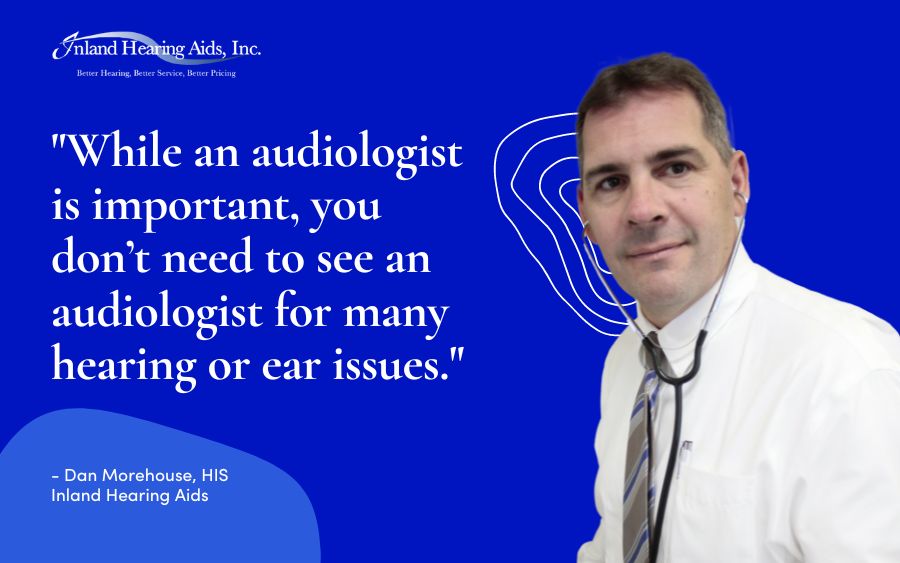
When we ask “what does the word audiologist mean,” we are no longer looking for a simple medical definition. In the context of the modern tech landscape, an audiologist is a high-tech practitioner who sits at the nexus of biology, software engineering, and data science. They are the professionals who navigate the complexities of AI, the intricacies of digital signal processing, and the challenges of remote connectivity to restore and enhance one of our most vital senses.
As technology continues to advance, the audiologist will remain the essential human element in the machine. They translate the cold, hard data of silicon chips into the warm, nuanced experience of human sound. For the tech-driven world, the audiologist is the ultimate specialist in sensory optimization, ensuring that as our world becomes increasingly digital, we do not lose the clarity and connection that sound provides.
aViewFromTheCave is a participant in the Amazon Services LLC Associates Program, an affiliate advertising program designed to provide a means for sites to earn advertising fees by advertising and linking to Amazon.com. Amazon, the Amazon logo, AmazonSupply, and the AmazonSupply logo are trademarks of Amazon.com, Inc. or its affiliates. As an Amazon Associate we earn affiliate commissions from qualifying purchases.